
Deep Dive
Sep 16, 2026
The open-source lip sync model most tutorials still recommend first is the one you are least allowed to use. Five models compared on the only axis that decides whether you can ship the output: what the license actually says.
Deep Dive
Sep 15, 2026
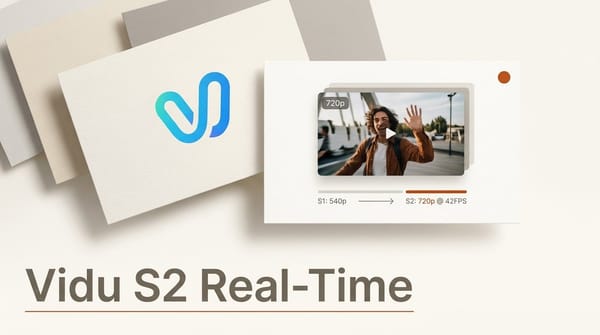
ShengShu shipped Vidu S2 on 15 September: real-time interactive video at 720p, up from 540p. The paper says it outperforms all baselines, and it does. The margin runs from 1.9% to roughly half, depending on which task you point it at.
Deep Dive
Sep 9, 2026
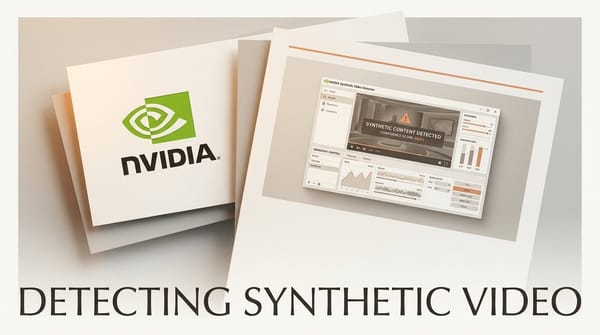
NVIDIA expanded AI for Media at IBC 2026, putting its Synthetic Video Detector into a streaming platform with 35,000+ deployments. The new 99.3% accuracy figure is measured along a different axis than July’s 92%, and the same announcement ships four ways to synthesize video.
Deep Dive
Sep 7, 2026
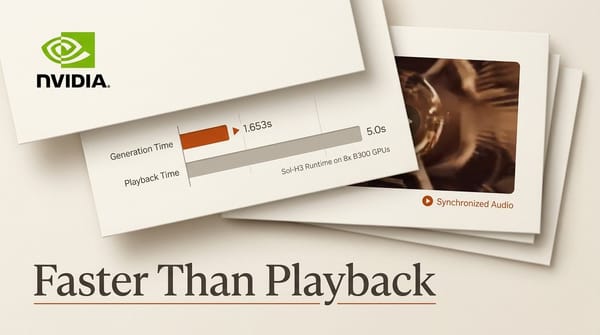
NVIDIA's SANA team published Sol-H3, an inference runtime that generates 5.17 seconds of MiniMax H3 video with synchronized audio in 1.653 seconds on 8 B300 GPUs. Faster than the clip plays, with caveats NVIDIA states plainly.

Deep Dive
Sep 4, 2026
Runway launched a Team plan on September 4, 2026: $69 per seat monthly, $55 annually, 2 to 9 seats, and 6,900 credits per seat in one pooled balance. The credit rate matches Max exactly.

AI Video
Sep 3, 2026
Runway unveiled GWM Worlds 2 on September 3, a research preview of a real-time world model that generates steerable, explorable interactive worlds with audio and multiplayer.

AI Video
Sep 1, 2026
Higgsfield Genjutsu launched as the company strongest AI video transformation tool, recasting a whole shot by transferring motion onto a new cast and world.

Deep Dive
Aug 31, 2026
Turn a product brief and a few reference images into a polished, multi-scene launch video in about ten minutes with AI, no After Effects required. A full step-by-step workflow.
Deep Dive
Aug 31, 2026
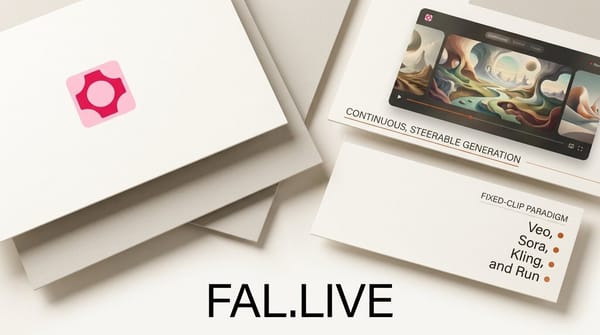
fal.live is an infinite, interactive AI livestream powered by the autoregressive H3 Max Director model. Here is how continuous, steerable generation changes creative work versus the fixed-clip paradigm of Veo, Sora, Kling, and Runway.

Deep Dive
Aug 27, 2026
Gemini Omni 1.1 Flash is the cheapest way to make controllable, long-form AI video, but not the highest-resolution. Here is how it compares to Veo, Sora, Runway, and Kling.

Deep Dive
Aug 24, 2026
Turning a blog post into a video used to take days. In 2026 one person can do it in about an hour with four AI tools: an LLM to script, a voice generator, a text-to-video tool, and a free editor.
Deep Dive
Aug 11, 2026
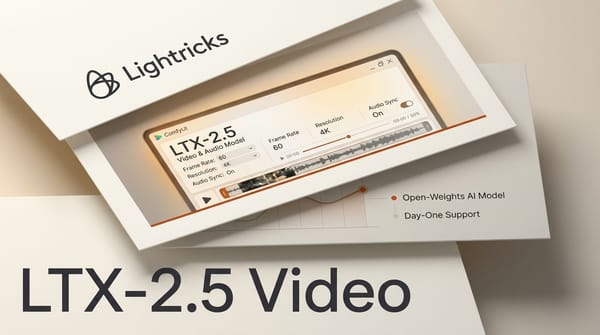
Lightricks released LTX-2.5 on August 11, 2026: open-weights video with synchronized audio, native multishot generation, and day-one ComfyUI support.

Deep Dive
Aug 11, 2026
Removing a background from video used to mean a green screen and hours of rotoscoping. In 2026 you can pull a clean cutout from ordinary footage in minutes, no green screen, using AI segmentation that runs locally or in a browser.
Deep Dive
Aug 5, 2026
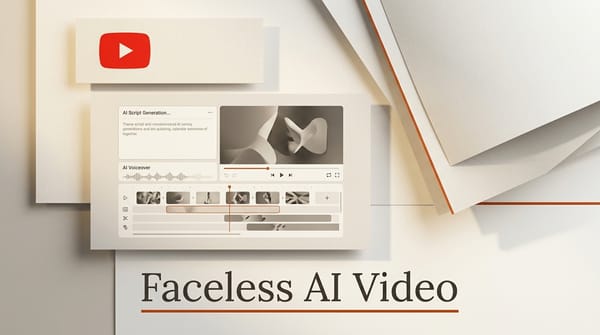
A faceless YouTube video, one with no on-camera presenter, can now be produced start to finish with AI tools in a single afternoon.
Deep Dive
Jul 23, 2026
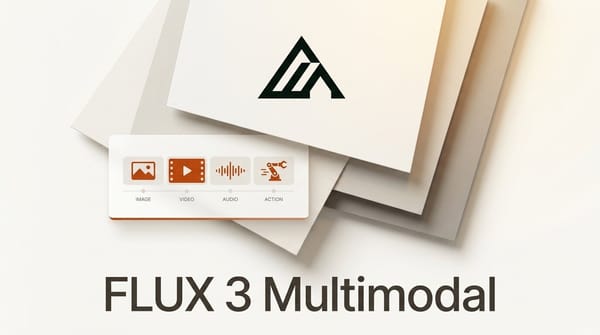
Black Forest Labs shipped FLUX 3 on July 23, 2026, a single multimodal model that generates images, generates video with synchronized audio, and predicts physical action, all in one architecture.

Deep Dive
Jul 23, 2026
Runway shipped its Media Router on July 23, 2026, an intelligent routing layer that automatically picks the best image, video, or audio model based on whether you prioritize quality, speed, or cost.

Deep Dive
Jul 21, 2026
Moto is a new AI video editor that generates images, video, and motion graphics as fully editable clips directly on the timeline, not in a separate app.
Deep Dive
Jul 20, 2026
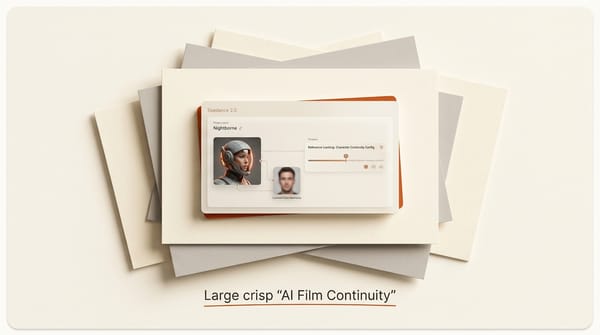
Neill Blomkamp's 13-minute Seedance 2.0 short Nightborne holds continuity where most AI films fall apart. A case study in the reference-locking pipeline he built, and what a solo creator can replicate.

Deep Dive
Jul 20, 2026
ShotPlan is a new open framework from TeleAI and Harbin Institute of Technology that generates multi-shot cinematic video from one text prompt, placing frame-accurate cuts, cross-fades, and camera moves in a single pass.

Deep Dive
Jul 15, 2026
Edit a video already playing? Decart Lucy 2.5. Refining a finished clip? Runway Aleph 2.0. A brand new shot? Seedance 2.5. No per-use cost? An open model in Velorn. Live-feed editing is now a third pillar of AI video.
Deep Dive
Jul 13, 2026
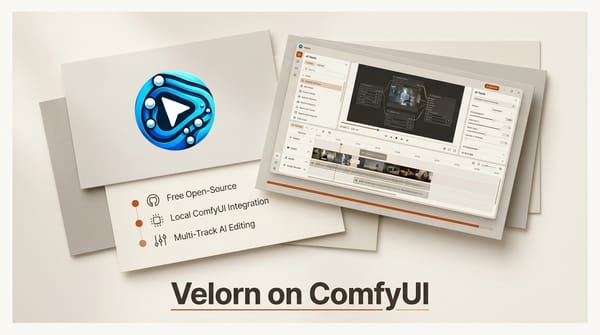
Generate every clip, cut them on a real timeline, add captions, and export a finished AI short without leaving ComfyUI. A full step-by-step Velorn workflow, plus how to automate it with an AI agent.
AI Video
Jul 9, 2026
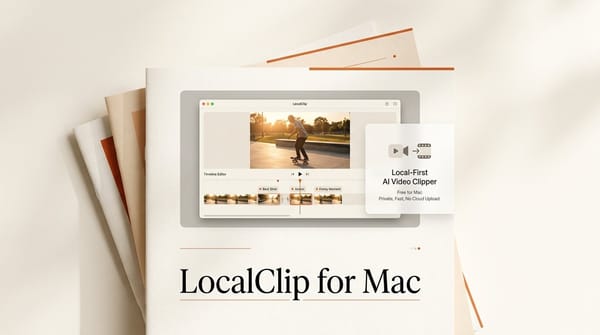
LocalClip is a new local-first AI video clipper for Mac that turns long recordings into vertical short-form clips entirely on your own machine.

Deep Dive
Jul 8, 2026
Turn a single product photo into a scroll-stopping video ad with AI. A four-step workflow using image-to-video, AI voiceover, and a free editor.
AI
Jul 7, 2026
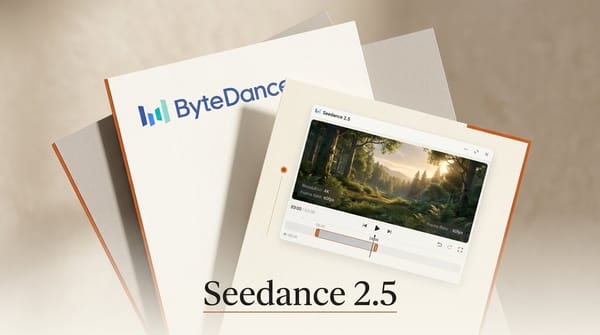
ByteDance is rolling out Seedance 2.5 this week: a 30-second continuous 4K clip, a beta long-video mode near three minutes, and up to 50 references, on Dreamina and CapCut.