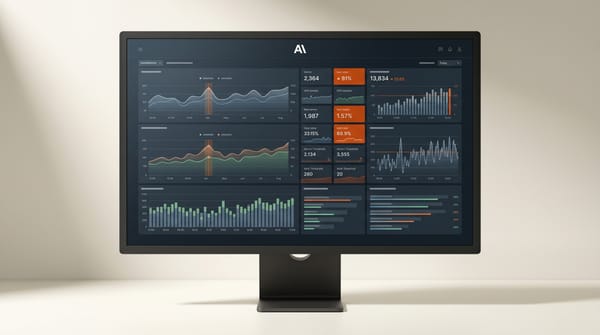
Claude Cowork Adds Live Artifacts: Always-On Dashboards
Anthropic added Live Artifacts to Claude Cowork on April 20, 2026: AI dashboards and trackers that connect to your apps and files and auto-refresh with current data every time you open them.
Anthropic added Live Artifacts to Claude Cowork on April 20, 2026: AI dashboards and trackers that connect to your apps and files and auto-refresh with current data every time you open them.
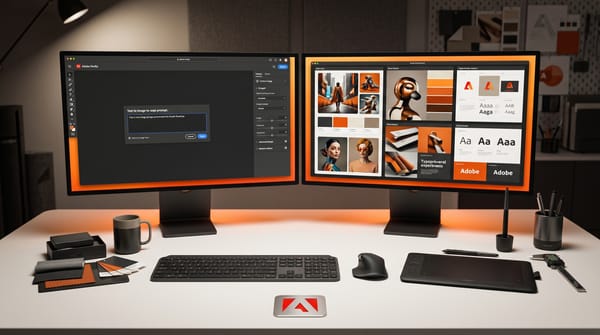
Adobe expanded its NVIDIA partnership at Adobe Summit on April 20, 2026 with Firefly Foundry custom-tuned models, 3D digital twins on Omniverse, and CX Enterprise Coworker agents. Launch partners include WPP, CAA, WME, and UTA.
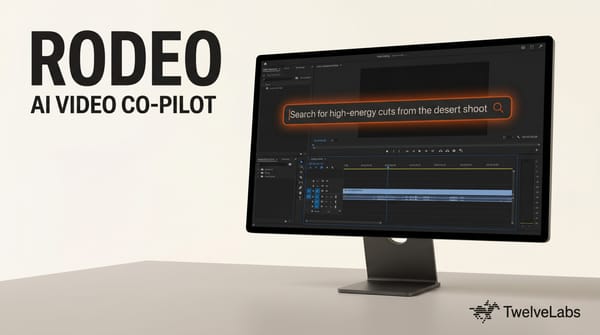
TwelveLabs launched Rodeo at NAB 2026 -- an AI creative co-pilot that lets video editors find, assemble, and cut footage with natural language, cutting workflows from days to minutes.
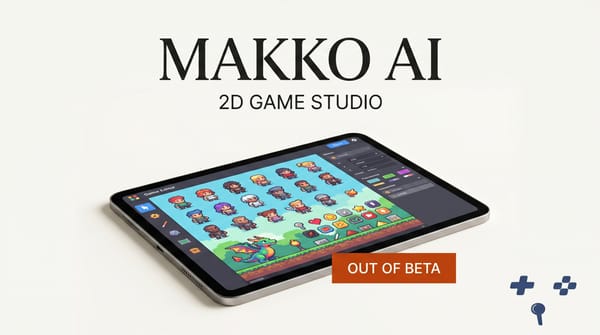
Makko opens its AI 2D game studio out of beta with Collections for style consistency and a Code Studio for playable prototypes. 4,500 beta users generated 40,000+ assets and 3,500 games.
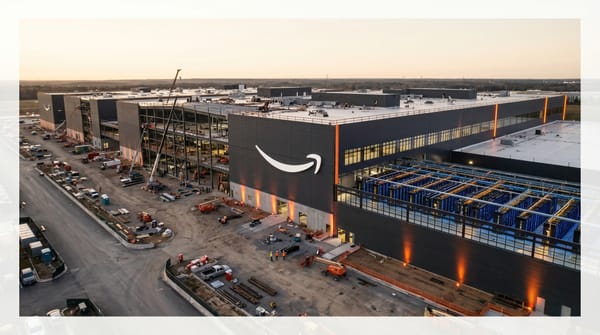
Amazon committed up to $25B more to Anthropic on April 20, 2026, plus 5 gigawatts of new Trainium2 and Trainium3 compute. Anthropic pledged $100B+ to AWS over the next decade.
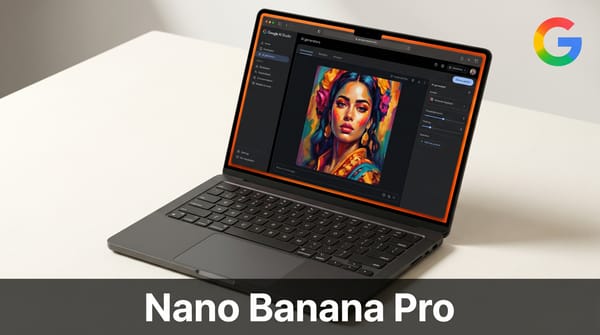
Google AI Studio is now giving Pro and Ultra subscribers access to Nano Banana Pro, the company's most capable image generation model, along with higher usage limits across Gemini models.
xAI launched the Grok Voice Agent API April 18 with standalone speech-to-text and text-to-speech endpoints priced at $0.10 per hour batch STT and $4.20 per million characters TTS.
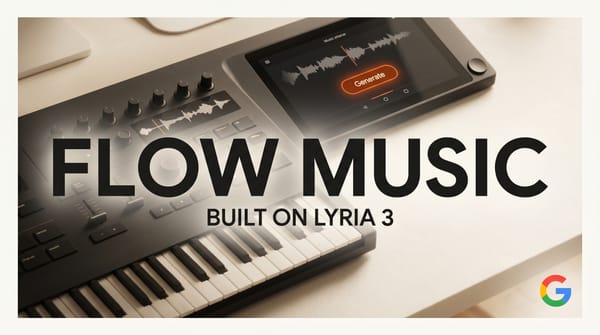
Google launched Flow Music on April 18, 2026, rebranding ProducerAI into a standalone AI music studio powered by Lyria 3. Create full songs, AI music videos with Veo, and remix tracks with new Replace and Extend features -- free at flowmusic.app.
Eddie AI v3 launched Night Shift at NAB 2026, a mode that processes raw footage overnight and delivers an organized rough cut to editors by 8 a.m. PST.
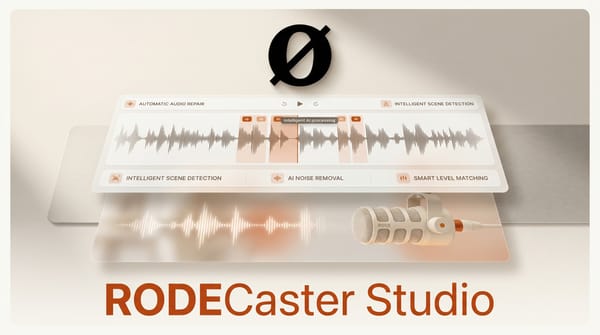
RODE announced RODECaster Studio at NAB 2026 on April 17, 2026 -- a new Mac and Windows desktop app that brings AI-powered editing to podcast post-production.
Anthropic launched Claude Design on April 17, a research preview that lets Claude Opus 4.7 generate interactive prototypes, pitch decks, and landing pages through conversation.
ByteDance’s Seedance 2.0, ranked #1 for image-to-video on the Artificial Analysis leaderboard, is now available via the Runway API for developers.

Character.AI opened c.ai books on April 16, 2026, letting users play through Pride and Prejudice, Dracula, Frankenstein, and 20 plus classics with either canonical plots or freeform roleplay.
Avid and Google Cloud announced a multi-year partnership on April 16, 2026, embedding Gemini and Vertex AI into Media Composer for agentic search, B-roll, and metadata workflows. Public demos run at NAB Show April 19 to 22.
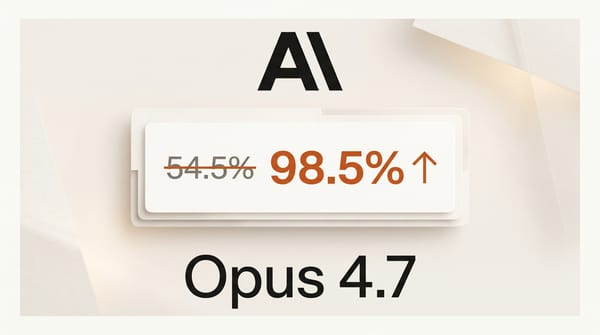
Claude Opus 4.7 raises vision accuracy from 54.5% to 98.5%, lifts coding 13%, and triples image resolution to 2,576px, all at the same flat pricing. The capability unlock that resets the floor for AI creator workflows.
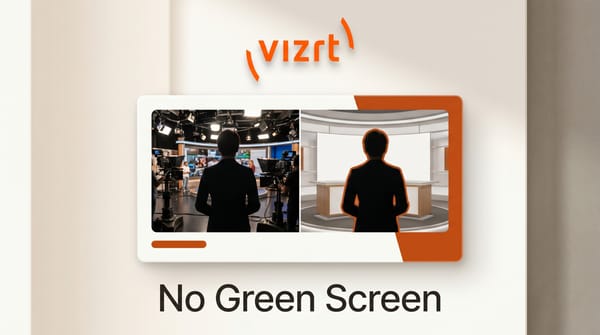
Vizrt launched AI Keyer on April 16, 2026, a real-time background separation tool that removes the need for green screens in virtual production, with a showcase at NAB 2026.
Canva launched Canva AI 2.0 on April 16, 2026 at Create in Los Angeles, upgrading its AI assistant into a fully agentic design engine with tool orchestration, persistent memory, and workflow integrations.
Google launched a native Gemini app for Mac on April 16, 2026, bringing image, video, and music generation directly to the desktop for the first time.
Adobe released Lightroom Classic 15.3, Desktop 9.3, and Mobile 11.3 on April 16 with background AI processing that keeps photographers working while Denoise and Super Resolution run.
Runway CEO Cristóbal Valenzuela argued at the Semafor World Economy 2026 conference that AI production tools could allow studios to produce 50 films for the same $100 million budget currently spent on one blockbuster.
Director Doug Liman shot Bitcoin: Killing Satoshi for $70M by abandoning location shoots and letting AI fill in every background after principal photography.
Maxon releases Autograph 2026.0 free for individual artists on April 15, 2026. USD-based motion graphics and compositing, no subscription required.
Google released Gemini 3.1 Flash TTS on April 15, 2026, a text-to-speech model that outperforms ElevenLabs v3 in quality benchmarks while offering a generous free tier.
Adobe After Effects 26.2, released April 15 2026, adds an AI-powered Object Matte tool that lets editors isolate and track any moving subject with a single click.