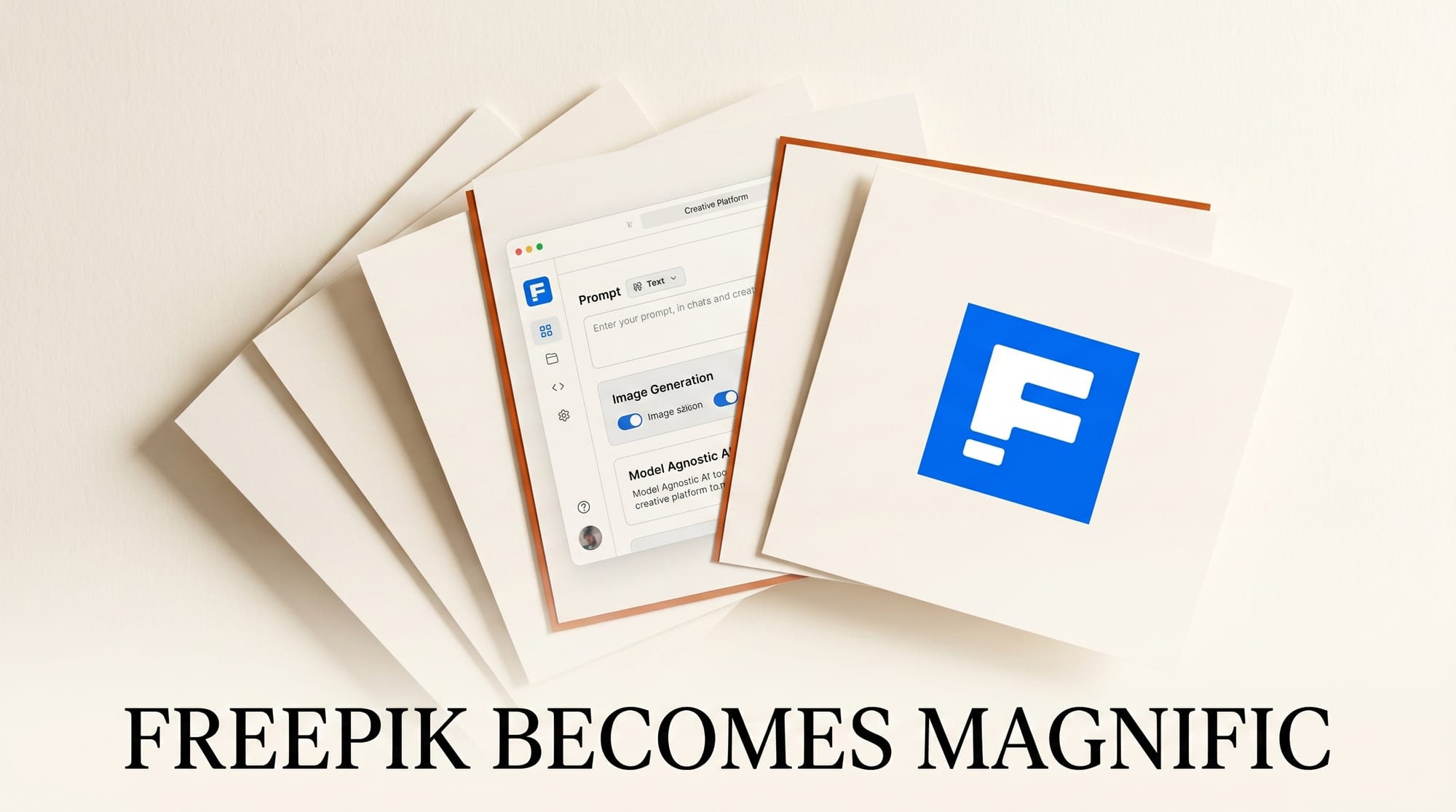
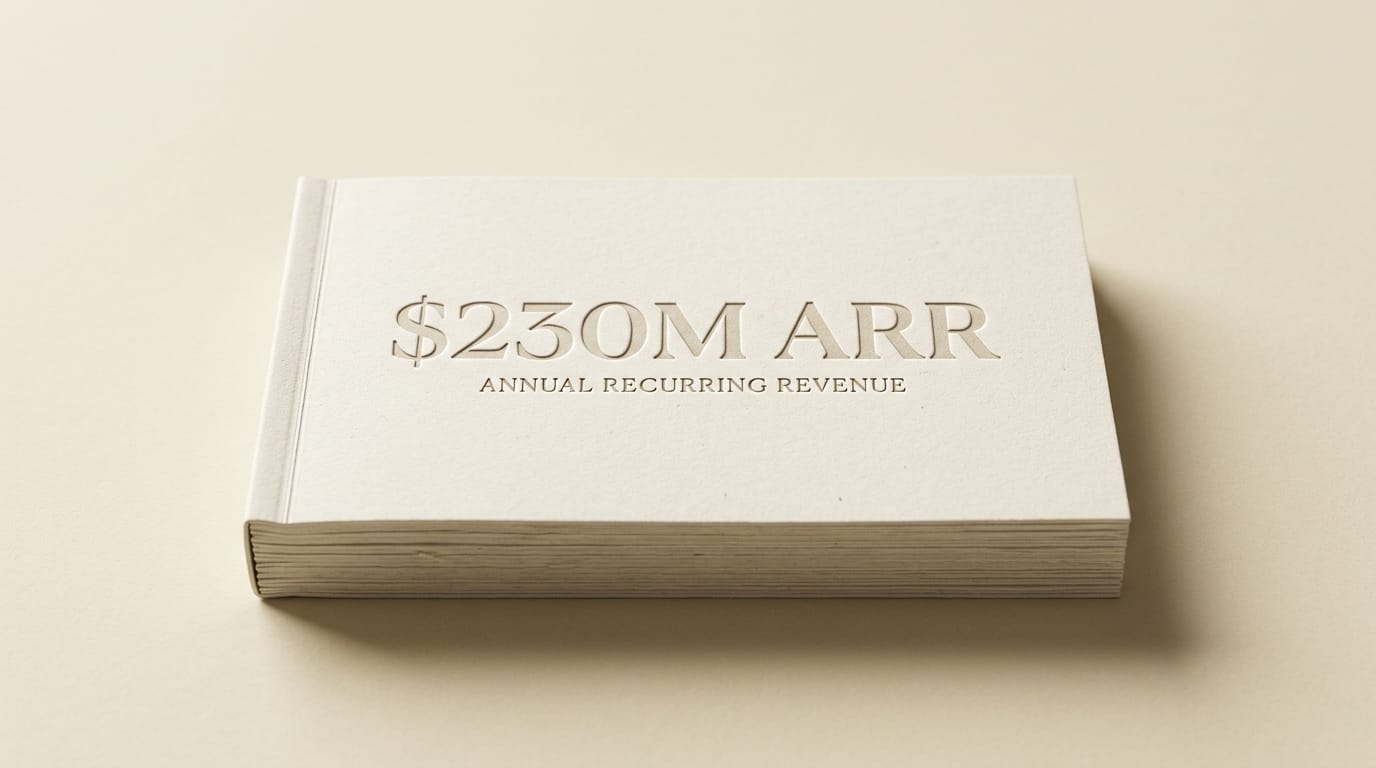
Freepik, the 15-year-old stock image search engine that quietly became one of Europe's largest AI creative companies, officially rebranded as Magnific on April 28, 2026. The new name absorbs Freepik's stock library, the Magnific AI upscaling product the company acquired in 2024, and a multi-model generation stack into a single platform that has reached $230 million in annual recurring revenue, 1 million paying subscribers, and 4 million images generated per day. Video accounts for roughly half of revenue, the company reports, and the entire business is bootstrapped and profitable.
Background
Freepik launched in 2010 as a search engine for free stock vectors, photos, and icons. For most of its first decade it operated as a low-margin SEO traffic business, monetizing premium downloads from designers, agencies, and small teams. The pivot started in 2023 with the launch of Freepik AI, an in-house image generator, and accelerated in 2024 when the company acquired Madrid-based Magnific AI, the relighting and upscaling tool that had become a cult favorite among photographers and concept artists. By early 2026 the product surface had sprawled: Freepik for stock and downloads, Magnific for upscaling, Freepik Video for AI video, plus a real-time collaborative workspace, AI Suite, model studio, and dozens of model integrations spread across multiple subdomains.
The April 28 rebrand collapses the entire stack under the Magnific name and a single domain at magnific.com. CEO Joaquín Cuenca Abela frames the move in a press release announcing the change: "the rise of a no-collar creative economy" of solo creators who do work that previously required entire production teams. Tech.eu reports the company hit $230M ARR while taking zero outside investment, and Andreessen Horowitz's most recent ranking placed it as the top generative AI web company in Europe by user count.
Deep Analysis
The Aggregator Bet: Model-Agnostic at 1 Million Subscribers
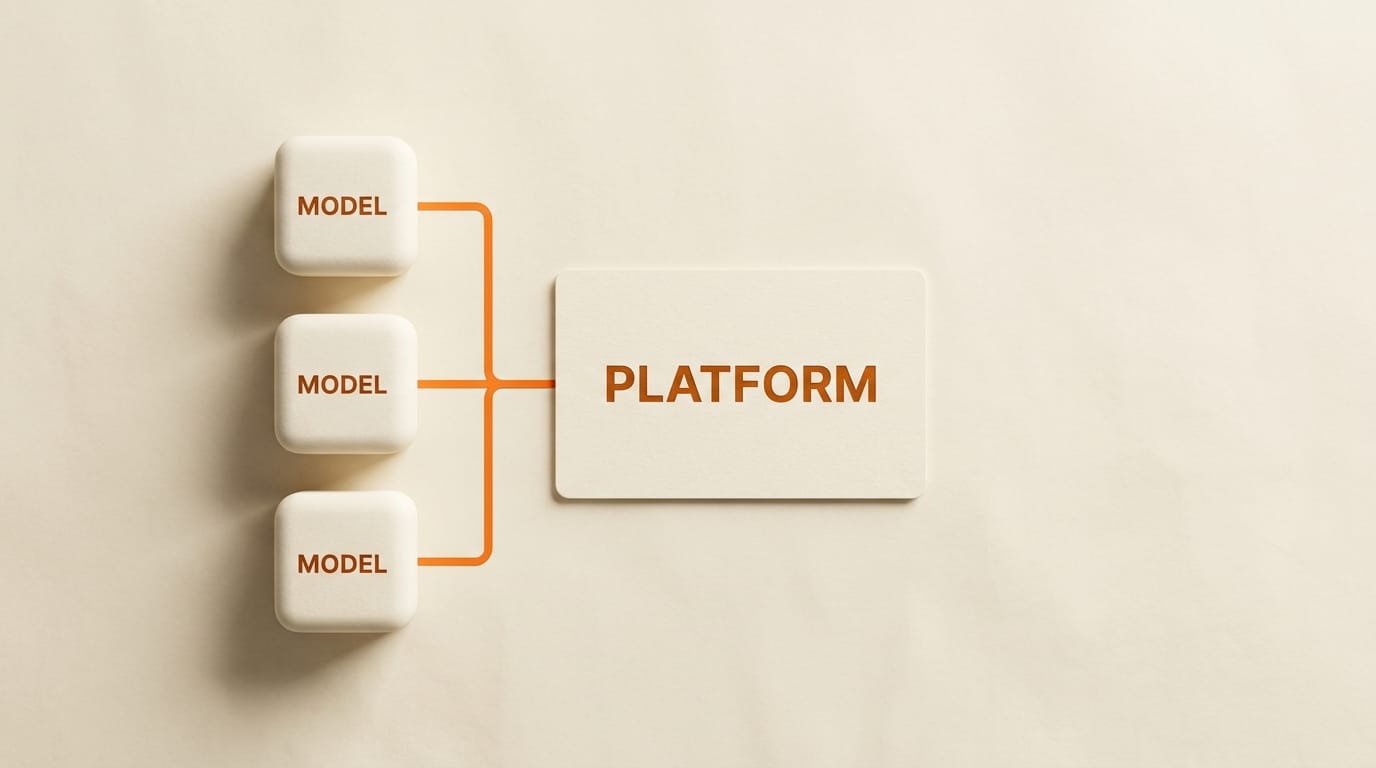
The most strategically important detail in the Magnific announcement is what is not in it: a flagship in-house foundation model. Magnific runs 15+ image generation models and 12+ video generation models, but the headline integrations are third-party. Google's Veo 3.1 and ByteDance's Seedance 2.0 sit alongside the company's own image stack. This is the aggregator playbook applied to creative AI: do not bet the platform on a single model lab, give creators access to the current best-in-class for each modality, and absorb the price compression as labs compete for distribution.
For comparison, Adobe Firefly leads with its own foundation models and licenses third-party engines as a secondary surface. Canva positioned its Magic Studio around proprietary models with selective integrations. Magnific has inverted the priority: the company's value proposition is the aggregation layer, not the model. The risk is real. If Veo or Seedance change pricing, restrict API access, or compete directly at the application layer, Magnific's margins compress fast. The reward is that Magnific does not need to spend hundreds of millions per year on model training to stay relevant. Credits flow to whichever model the creator wants, and Magnific takes the workspace, asset library, and collaboration markup.
One million paying subscribers is a useful checkpoint for this thesis. Adobe Creative Cloud has roughly 33 million paying subscribers. Canva Pro is in the 20+ million range. Magnific at 1 million is far smaller, but the growth velocity is the story: the Business plan crossed 2,000 subscriptions in six weeks, and 150 new teams sign up per week. Those numbers suggest aggregator pull is working in the seat that Adobe and Canva are slower to fill, the small studio and freelance creator who wants every model in one bill.
Bootstrapped to $230M ARR: A Counter-Narrative for AI
The dominant assumption in 2026 generative AI is that you cannot build a meaningful platform without nine-figure venture capital. Stable Diffusion's parent raised $200M+. Runway has raised over $300M. ElevenLabs closed a $500M Series D in February. Pika raised at a $700M valuation. Magnific reaching $230M ARR with no outside funding is the kind of counter-data point that gets read closely by founders and investors trying to recalibrate what "capital efficient" means in AI.
Three structural reasons appear to explain this. First, the stock-asset business that Freepik ran from 2010 to 2023 was already cash-flow positive, so the AI investment was self-funded from the start instead of running on equity. Second, the model-agnostic posture means Magnific does not absorb the cost of training frontier models; the labs bear that, and Magnific pays per-call inference fees that scale with revenue. Third, the European labor market is meaningfully cheaper than the Bay Area, and Magnific has scaled engineering and product teams in Spain rather than Silicon Valley.
The trade-off is speed of capital deployment. A bootstrapped company cannot front $50M to acquire a competitor in cash, cannot win a bidding war for a senior model researcher, and cannot signal credibility to enterprise procurement with a brand-name lead investor on the cap table. So far Magnific has compensated by leaning into operational efficiency and a narrow product surface. As the company expands enterprise sales (250+ customers including BBC, Puma, R/GA, Amazon Prime Video, and Carl's Jr), the bootstrap discipline will be tested.
The No-Collar Creator: 72% Beginners as the Real TAM
Cuenca Abela's "no-collar economy" framing is more than a slogan. The data point that matters is the company's claim that 72% of new creators joining the platform identify as beginners, not professional designers or agency staff. That number, if accurate, says the addressable market for creative AI tools in 2026 is meaningfully larger than the legacy creative-professional base that Adobe and Canva fight over. It is the long tail of small business owners, content creators, marketers, students, and side-project builders who would never have opened Photoshop and now produce social posts, product images, and short videos from a prompt.
Magnific's product decisions follow this insight. The collaborative workspace is template-driven rather than layer-driven. The video generation surface emphasizes 6 to 10 second clips with built-in audio, the format social platforms reward, rather than long-form professional video. Asset libraries serve as scaffolding for prompts, not source material for hand composition. Pricing tiers are set near consumer SaaS rather than agency procurement.
The contrast with the rest of the 2026 AI design tool landscape is sharp. Figma is investing in agent-driven canvases for design teams. Canva continues to push Magic Studio toward enterprise marketing teams. Adobe Firefly is anchored to the Creative Cloud subscription base. Magnific is the only major web-scale platform optimizing for the user who has never held a designer title.
The Magnific Name: Why a Sub-Brand Ate the Mothership
The branding choice is unusual. Freepik had 15 years of SEO equity, hundreds of millions of monthly visits, and a global recognition that Magnific did not. Most rebrands of acquired sub-brands go the other direction: the buyer's name absorbs the target. Magnific did the opposite. The likely reasons are SEO fragmentation and brand connotation. "Freepik" anchored the brand in "free" and "stock photos," both terms the company is moving away from. "Magnific" anchors in upscaling, sharpness, and AI-native creation, which is the product the platform now sells.
The risk is real: a year of SEO disruption, redirect chains, paid search confusion, and customer service load. The 15 years of Freepik backlinks now redirect to magnific.com, and Google's index will take weeks to rewire authority. The PR push around the rebrand and the no-collar framing is partly a hedge against that traffic dip, ensuring fresh editorial coverage to sustain organic visibility while the redirect dust settles.
Impact on Creators
For existing Freepik subscribers, the practical impact is small in the short term. Subscriptions and credits transfer to Magnific automatically per the official announcement. The login URL, billing, and feature set continue. The bigger change is upstream: the platform's product velocity is now organized around a single brand rather than three or four. Updates to image, video, upscaling, and the collaborative workspace will roll out under Magnific, not Freepik, and the company has signaled its prioritization of model integrations as a continuous flow rather than a quarterly cadence.
For creators choosing among AI platforms, Magnific now competes more directly with Canva Magic Studio, Adobe Firefly, and the standalone model APIs. The pitch is "every model in one workspace, with collaboration." If your workflow already pulls from Veo, Seedance, an image model, and an upscaler, Magnific consolidates those into one bill and one canvas. If you are committed to Adobe's ecosystem because of Photoshop and Premiere integration, the switching cost remains high. Magnific is not trying to replace pro tools; it is trying to capture the work that never moved into pro tools in the first place.
For agencies and enterprise teams, the 250+ enterprise customer list and the Business plan growth velocity suggest Magnific is building real procurement infrastructure. The model-agnostic stance is also enterprise-friendly: legal teams can vet which models are used per project, and IT can route through a single vendor relationship rather than 12 model API contracts.
Key Takeaways
- Freepik officially became Magnific on April 28, 2026, consolidating stock library, AI image, AI video, upscaling, and collaboration into a single platform at magnific.com.
- $230M ARR with no outside investment is one of the largest bootstrapped figures in generative AI to date. Roughly half of revenue comes from video.
- The platform integrates 15+ image models and 12+ video models including Google Veo 3.1 and ByteDance Seedance 2.0, betting on aggregation rather than in-house foundation models.
- 1 million paying subscribers and 4 million images generated daily put Magnific behind Adobe and Canva but ahead of nearly every other Western generative AI consumer platform.
- 72% of new creators identify as beginners, framing the addressable market as the long tail of non-professional creators rather than the legacy designer base.
- Enterprise traction includes BBC, Puma, R/GA, Amazon Prime Video, and Carl's Jr; Business plan crossed 2,000 subscriptions in six weeks with 150 new teams joining per week.
What to Watch
Three signals will determine whether Magnific's rebrand is a structural shift or a marketing reset. First, watch the SEO transition over the next 90 days. If Freepik's redirect chain holds Google authority and Magnific organic traffic stays flat or grows, the brand swap will have worked. If traffic drops 20% or more by July, the company will need to spend significantly on paid acquisition to compensate, and the bootstrapped capital structure will feel the pressure.
Second, watch model integration velocity. The aggregator thesis only works if Magnific is consistently first or near-first to ship integrations of new models from OpenAI, Google, ByteDance, Runway, and the open-source release pipeline. A two-week gap from a major model launch to availability inside Magnific is acceptable; a two-month gap is not.
Third, watch the enterprise pipeline. The 250-customer list is a starting position, not an end state. The companies that will determine Magnific's next ARR doubling are not the existing 1M consumers but the marketing teams at mid-market and enterprise organizations who currently buy fragmented AI tooling. If the Business plan growth holds at 150 teams per week through the second half of 2026, Magnific likely crosses $400M ARR before the end of the year, which would force a re-evaluation by the funded competitors that have outraised them by an order of magnitude.