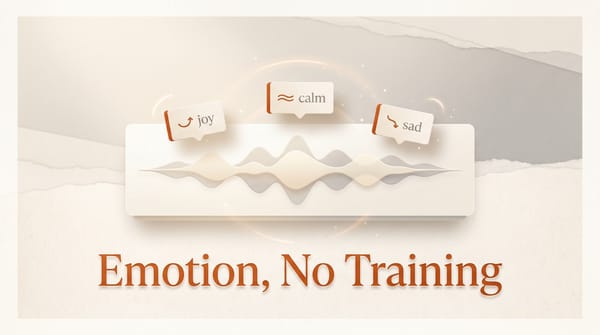
Darwin-TTS Adds Emotion to AI Voice With No Training Required
Researchers published Darwin-TTS on April 15, 2026, a text-to-speech model that adds emotional expression to AI voice without any training, fine-tuning, or new data.
Researchers published Darwin-TTS on April 15, 2026, a text-to-speech model that adds emotional expression to AI voice without any training, fine-tuning, or new data.
Adobe launched the Firefly AI Assistant on April 15, 2026, a creative agent that takes a plain-English brief and executes multi-step workflows across multiple Creative Cloud apps at once.
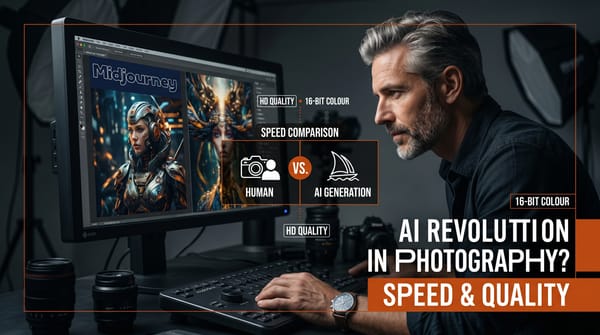
Midjourney V8.1 Alpha brings 3x faster HD mode at 3x lower cost, 50% faster standard generation, restored image prompts, and stable moodboard references.
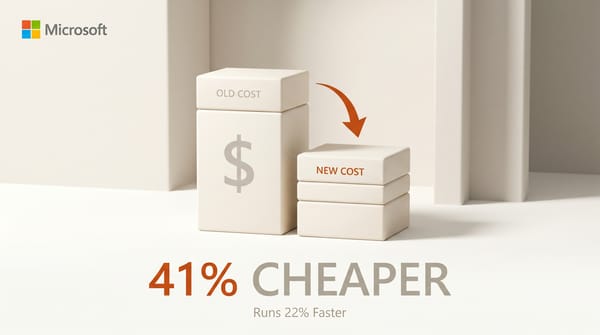
Microsoft launched MAI-Image-2-Efficient on April 14, 2026, a distilled variant of its flagship image model with 41 percent cheaper output tokens and 22 percent faster generation on H100 hardware.
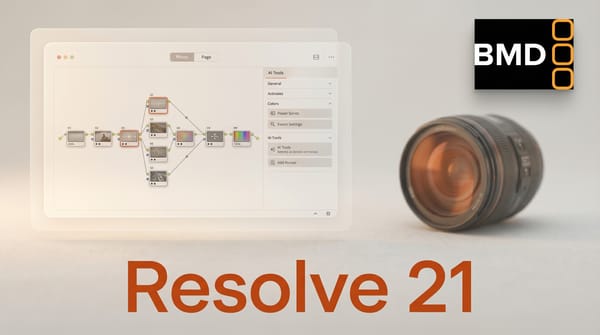
Blackmagic Design announced DaVinci Resolve 21 at NAB 2026 with a full Photo page, nine AI tools, and a free download that directly challenges Adobe subscriptions.
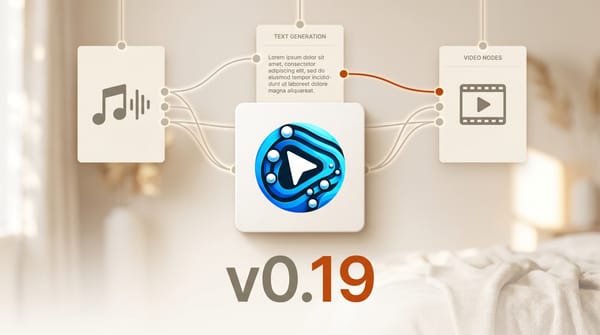
ComfyUI v0.19.0 lands with Ace Step 1.5 XL music generation, Qwen 3.5 text generation, SeeDance 2.0 video nodes, and a faster Flux 2 decoder.
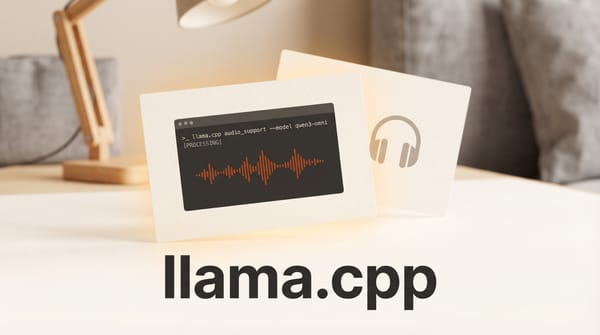
llama.cpp release b8769 adds audio multimodal support for Qwen3-Omni and Qwen3-ASR models, bringing local speech recognition and audio understanding to consumer hardware.
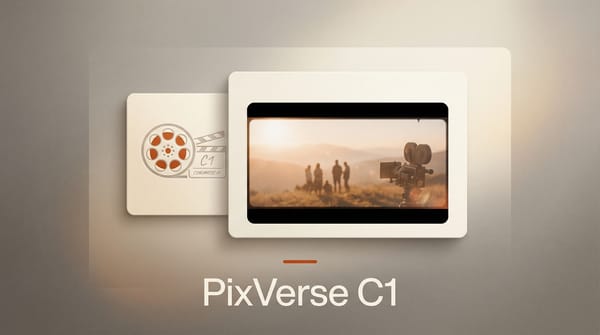
PixVerse released C1, a new AI video generation model focused on cinematic production quality, on April 7. The model adds motion control, style transfer, and cinematic presets.
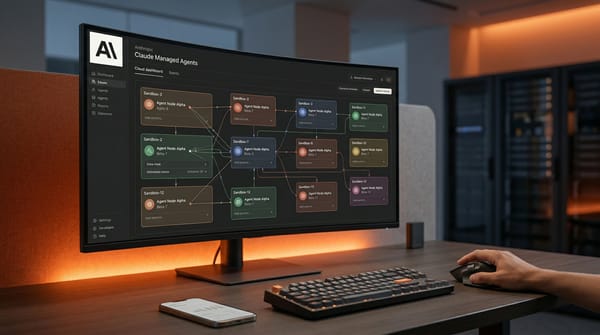
Anthropic launched Claude Managed Agents in public beta, a cloud-hosted infrastructure service providing sandboxed execution, session persistence, and MCP tool integration at $0.08 per session-hour.
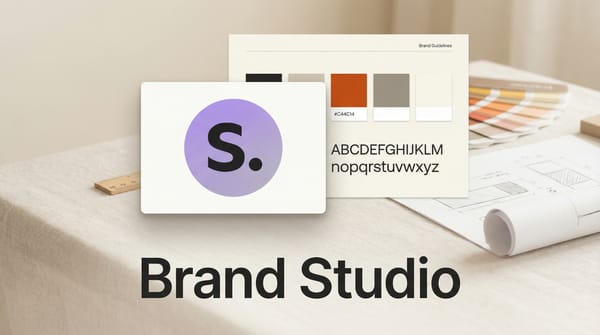
Stability AI launched Brand Studio, an end-to-end creative production platform that trains custom AI models on brand identity and automates campaign asset creation.
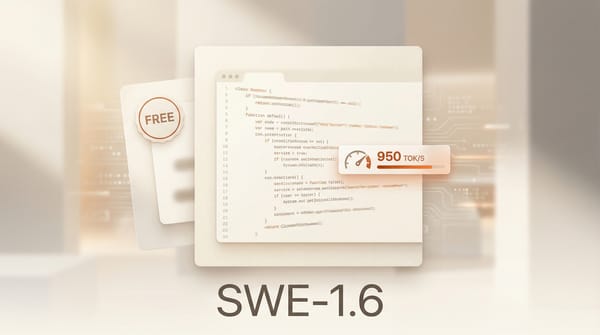
Cognition released SWE-1.6, making it generally available in Windsurf with a free tier for three months. The model improves SWE-Bench Pro scores by over 10% at up to 950 tokens per second.
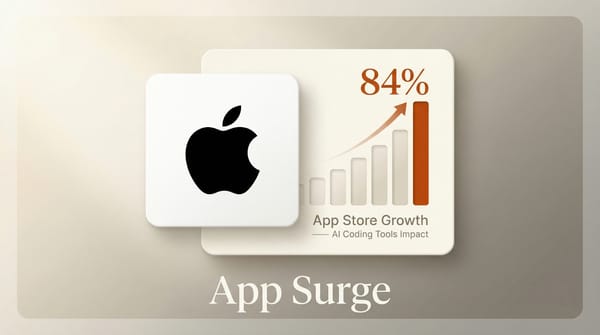
Apple App Store reversed a years-long decline in new app submissions, with AI-powered vibe coding platforms like Claude Code and OpenAI Codex enabling non-programmers to build apps.
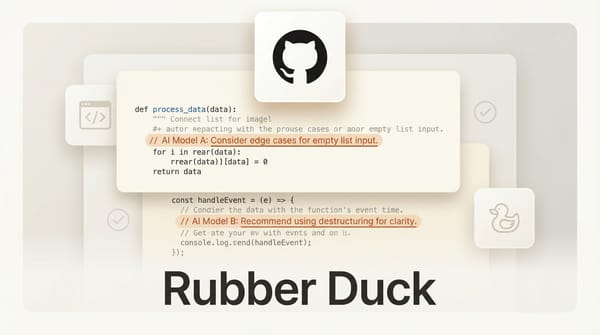
GitHub shipped a feature called Rubber Duck for Copilot CLI that pairs two AI models from different families to review each other's code before execution.

A new wave of AI startups is attacking fashion e-commerce's most expensive problem: product returns exceeding 50% in some categories.

Learn how to use AI for content creation with this step-by-step guide. Covers image generation, video, audio, writing, and coding tools for beginners.
The AI coding tool landscape in 2026 looks nothing like it did a year ago. Editors have become agent workstations, CLI tools orchestrate sub-agents, and open-source alternatives have closed the gap with proprietary offerings.
Gamma hit 100 million users. Figma shipped AI agents. Canva integrated Leonardo AI. Framer launched shaders and a Server API. A data-driven comparison of the four platforms reshaping design in Q1 2026.
Anthropic expanded Claude computer use to Windows on April 3, letting the AI open apps, navigate browsers, and work on local files through Claude Cowork and Claude Code.
OpenAI has launched ChatGPT Voice Mode on Apple CarPlay, giving drivers hands-free access to AI conversations for advice, brainstorming, and language practice while on the road.
Figma launched Make Kits and Make Attachments, two features that let design system authors teach Figma Make how to use their components and reference real data during AI generation.
Sony AI has released Woosh, an open source sound effects foundation model supporting text-to-audio and video-to-audio generation.

OmniVoice is a zero-shot text-to-speech model supporting 600+ languages with voice cloning, an Apache 2.0 license, and inference 40x faster than real-time.
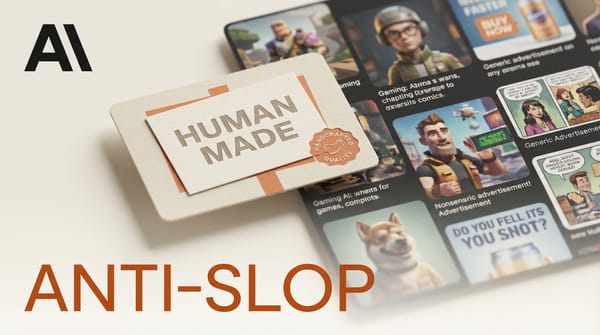
A viral browser game called Your AI Slop Bores Me hit 50 million views in its first week. The anti-slop movement is reshaping how creators, brands, and platforms think about AI in creative work.
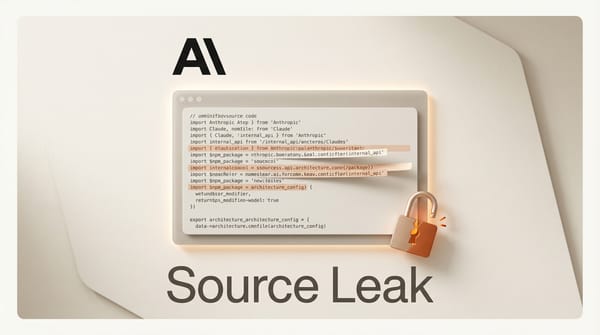
Anthropic accidentally exposed the full source code of Claude Code on March 31, leaking roughly 1,900 files and over 500,000 lines of TypeScript through an npm packaging error.