Gemma 4 2B: Local Tool Calling and Code Review
Google's Gemma 4 E2B proves that a 2B parameter model can handle structured JSON output, tool calling, reasoning traces, and real code review -- all running locally at zero API cost.
Google's Gemma 4 E2B proves that a 2B parameter model can handle structured JSON output, tool calling, reasoning traces, and real code review -- all running locally at zero API cost.
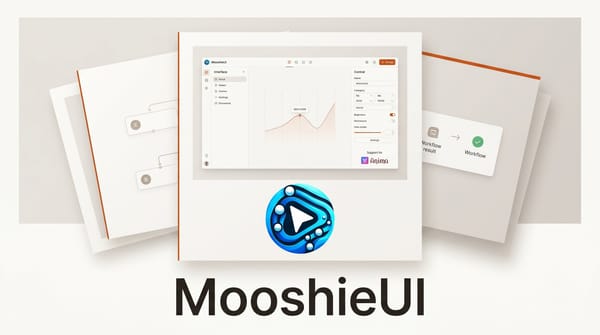
MooshieUI is a new ComfyUI frontend that replaces the node graph with a clean three-panel interface. It includes one-click install, 13 model family presets including Anima and Illustrious, and built-in tiled upscaling.
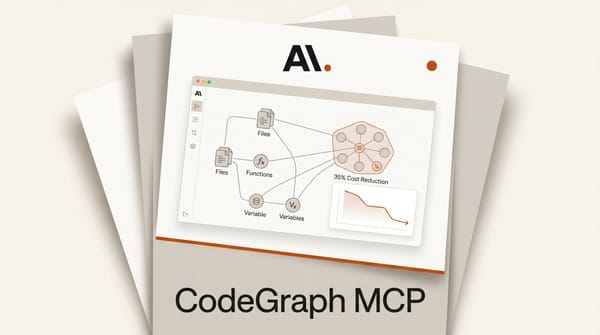
CodeGraph v0.9.4 is a free, open-source MCP server that pre-indexes your codebase into a semantic knowledge graph, cutting Claude Code costs 35% and tokens 57% across seven real-world benchmarks.
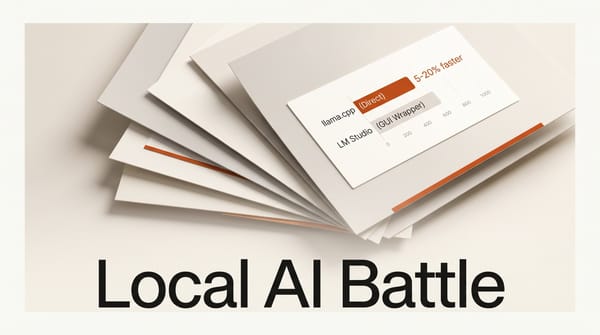
XDA Developers tested switching from LM Studio to llama.cpp on May 23, 2026 and found 5-20% faster inference with full model compatibility and unlocked audio features.
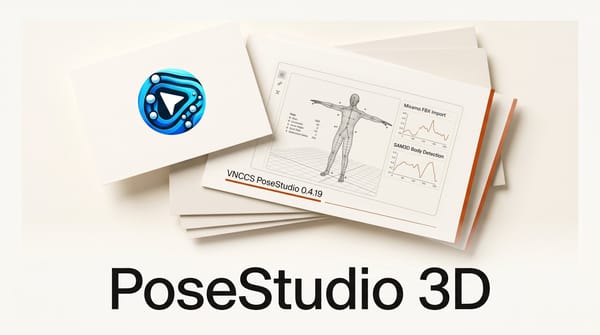
VNCCS PoseStudio 0.4.19 for ComfyUI adds Mixamo FBX animation import, SAM3D body detection from real photos, and an online pose library from Hugging Face. Here is what changed and what it enables.
DeepSeek locked V4-Pro at $0.435 input miss, $0.003625 cache hit, $0.87 output per million tokens on May 23, ending the May 31 expiry and resetting the price floor for frontier reasoning APIs.
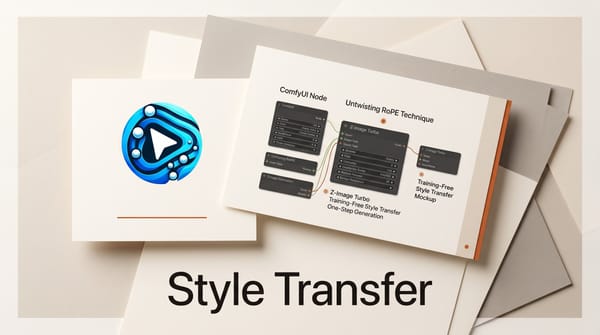
A new ComfyUI custom node released May 23, 2026 brings the Untwisting RoPE technique to Z-Image Turbo, enabling training-free style transfer without any model fine-tuning.
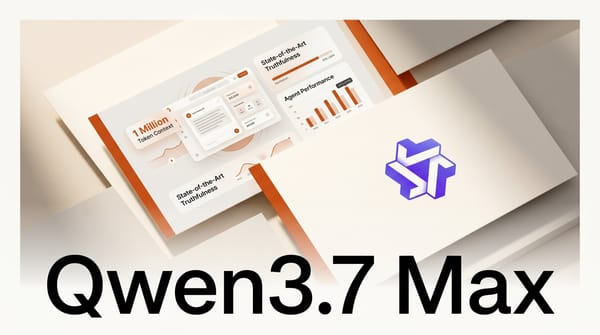
Qwen3.7-Max sets a new bar for non-hallucination rate among frontier agent models. Here is how it stacks up against Claude Opus 4.7, Gemini 3.1 Pro, and GPT-5.5 across the four reliability dimensions that decide which model goes into production.
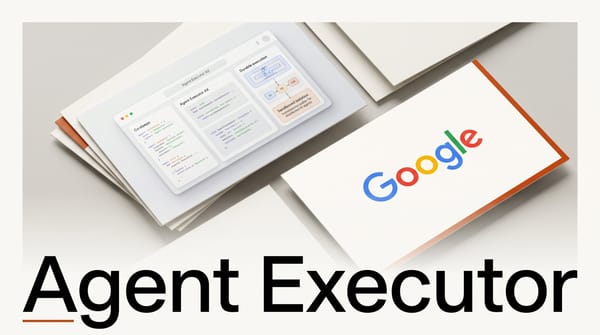
Google open-sourced Agent Executor (AX), a distributed runtime that gives any AI agent durable execution, sandboxed isolation, and crash recovery. Here is the 30-minute migration path for an existing Claude Code, Cursor, or Gemini CLI workflow, end-to-end.
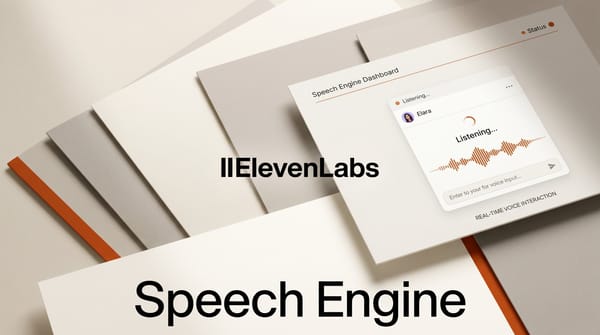
Wrap an existing chat agent (Claude, GPT, Gemini) with ElevenLabs Speech Engine voice in roughly 30 minutes. Step-by-step tutorial covers Node and Python SDKs, WebRTC token flow, turn detection, interruption, and the upgrade path to ElevenAgents.
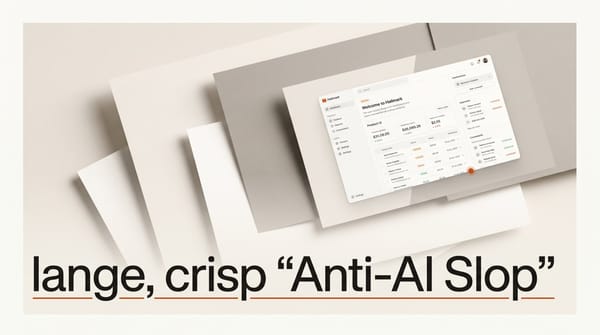
Hallmark is a new open-source design skill for Claude Code, Cursor, and Codex that forces AI coding assistants to build interfaces that do not look AI-generated.
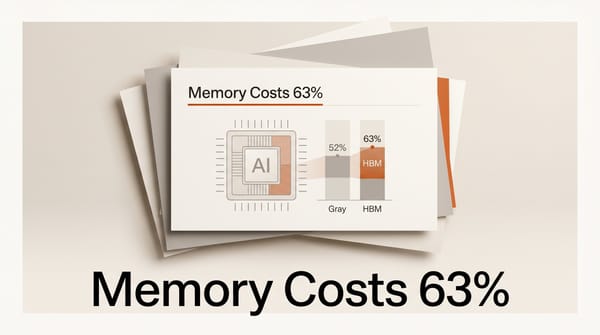
High-bandwidth memory (HBM) now accounts for 63% of the cost to build an AI chip, up from 52% just 18 months ago. Epoch AI's new data analysis explains why your AI tool subscriptions and API bills are not getting cheaper in 2026.
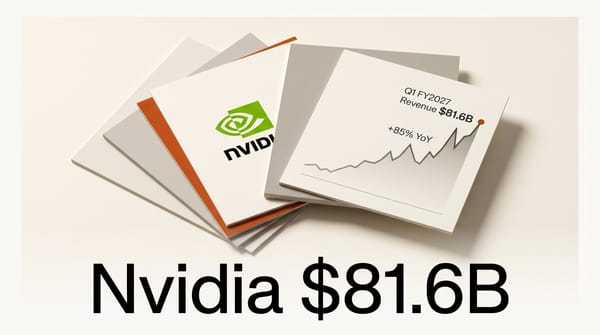
Nvidia Q1 FY2027 revenue reached $81.6 billion, up 85% year-over-year. Here is what record AI chip demand means for every creative tool built on Nvidia infrastructure, plus DLSS 5 preview.
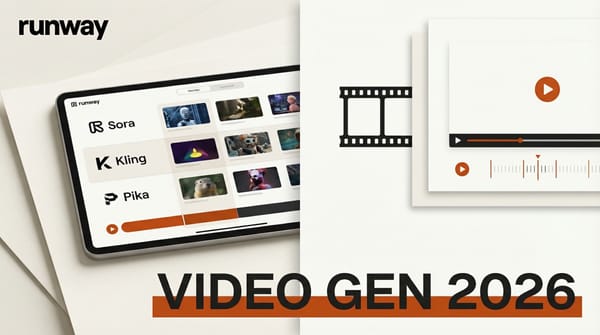
Ten AI video generators compared with current pricing, real capabilities, and honest assessments. Native 4K and synchronized audio are now standard, and six of the ten best tools cost nothing to run.
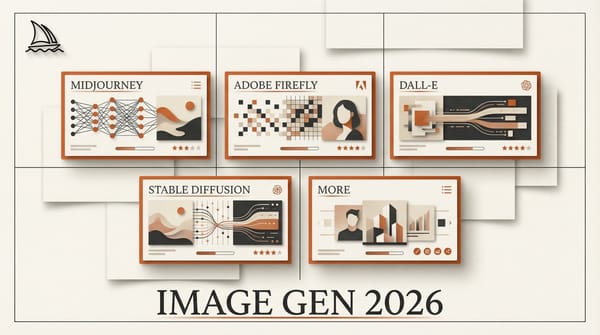
Midjourney, FLUX Pro, and GPT Image 1.5 lead AI image generation in 2026, but the gap between the top tools has narrowed to the point where price, speed, and workflow fit matter more than raw quality.
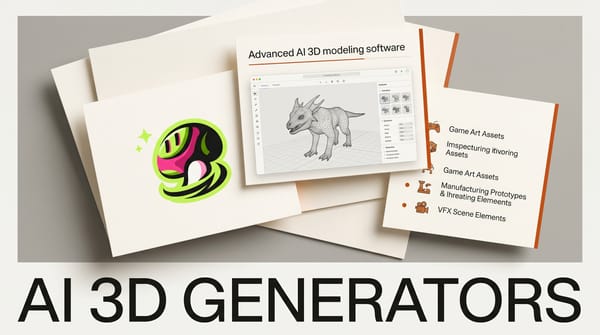
Eight AI 3D model generators tested for game development, character art, and 3D printing in 2026. Comparison table, recommended workflows, and what is coming next.
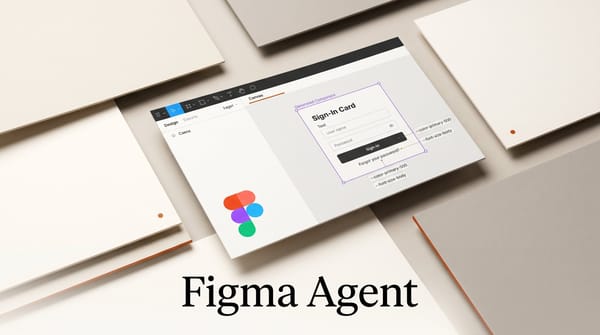
Figma's new Design Agent writes editable frames using your real components. Join the free beta, connect Claude Code via MCP, write a Skills file, and ship your first AI-built screen in 30 minutes.
Google quietly replaced fixed message limits in its $20-per-month AI Pro plan with a credit-based quota on May 20, 2026, at Google I/O. Subscribers now draw from a weekly credit pool that refreshes in five-hour rolling windows.
Stability AI released Stable Audio 3 on May 20, 2026, a family of open-weights latent diffusion models that generate up to 6 minutes and 20 seconds of audio from a text prompt, including on a MacBook Pro M4.
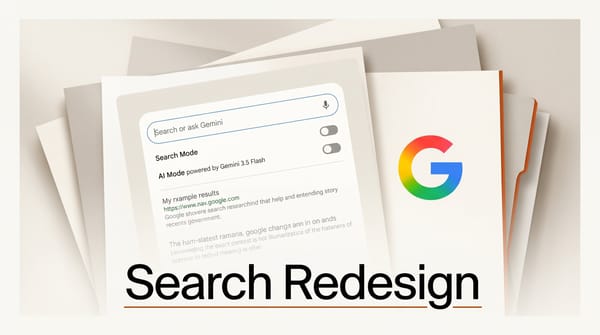
Google announced the biggest redesign to its search box in over 25 years at I/O 2026, adding AI Mode on Gemini 3.5 Flash, information agents, and generative mini apps for 1 billion users.

Google unveiled its first Android XR audio glasses at Google I/O 2026, featuring Gentle Monster and Warby Parker designs, Gemini AI, and iPhone support launching fall 2026.
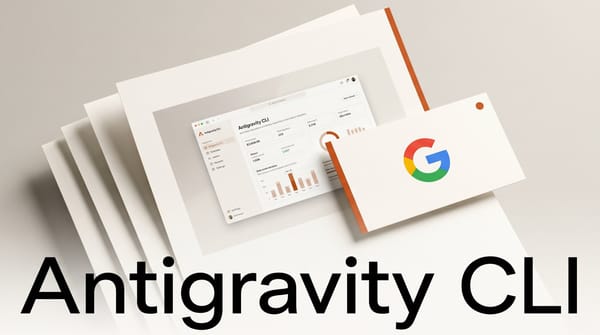
Gemini CLI stops serving Pro and Ultra subscribers on June 18, 2026. This tutorial walks through the full migration to Antigravity CLI in 30 minutes, including install, parity testing, async background agents, and how to keep CI pipelines from breaking.
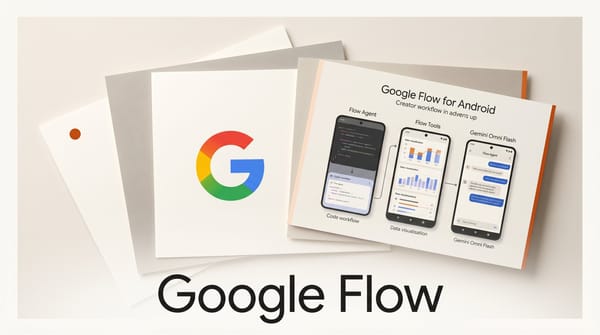
Google launched Flow for Android in beta at I/O 2026, alongside Flow Agent, Flow Tools, and Gemini Omni Flash updates for video and music creators.
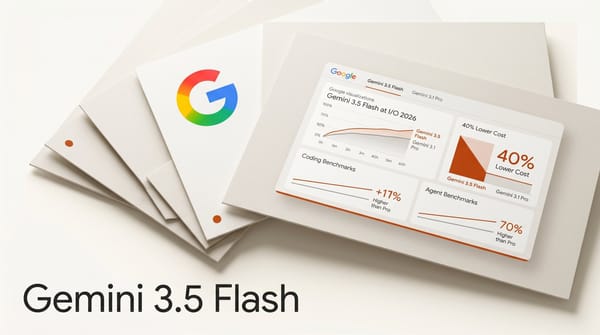
Google launched Gemini 3.5 Flash at I/O 2026, a Flash-tier model that beats 3.1 Pro on coding and agent benchmarks at 40 percent lower cost.