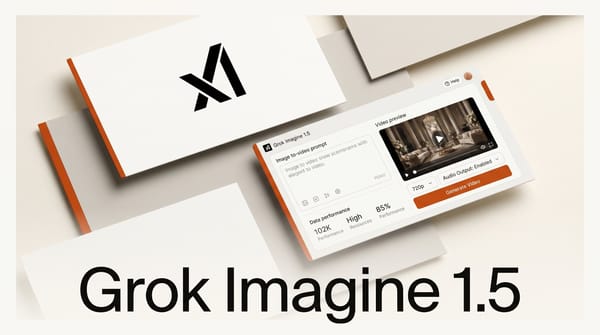
Grok Imagine 1.5 Tops Image-to-Video Arena With Audio
xAI Grok Imagine 1.5 takes the top spot on the image-to-video arena leaderboard with 720p generation and synchronized audio output.
xAI Grok Imagine 1.5 takes the top spot on the image-to-video arena leaderboard with 720p generation and synchronized audio output.

Anthropic deployed Claude as a self-service analytics agent that reaches 95% accuracy on business queries. Here is the three-layer architecture they used.
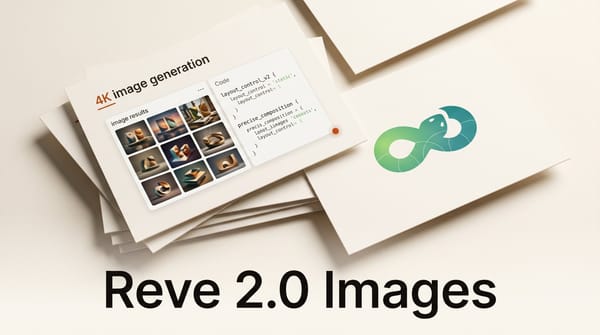
Reve 2.0 generates 4K images using code-based layout controls, giving designers precise composition without prompt engineering.
Anthropic is scaling Project Glasswing to 150 new organizations across more than 15 countries, expanding its AI-powered security initiative.

If Claude Code drifts from your project architecture by session 3, Anthropic has a name for it: agentic technical debt. Here is what causes it and how to fix it.
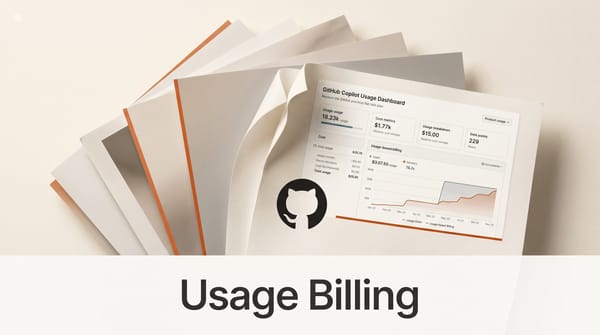
GitHub Copilot switches to usage-based billing on June 1, 2026, replacing flat-rate Pro and Business plans with metered completions and premium model requests.
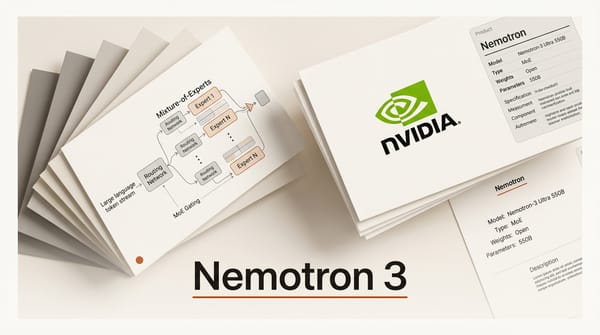
NVIDIA released Nemotron 3 Ultra on June 1 2026: a 550B mixture-of-experts model with 55B active parameters, open weights on Hugging Face, with 5x faster inference and 30% lower cost than Nemotron 2.
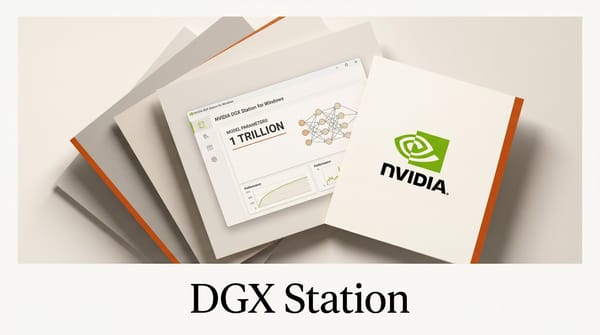
NVIDIA announced DGX Station for Windows at Computex 2026, putting a GB300 Grace Blackwell Ultra chip and 748GB of memory into a desktop that runs trillion-parameter models locally.
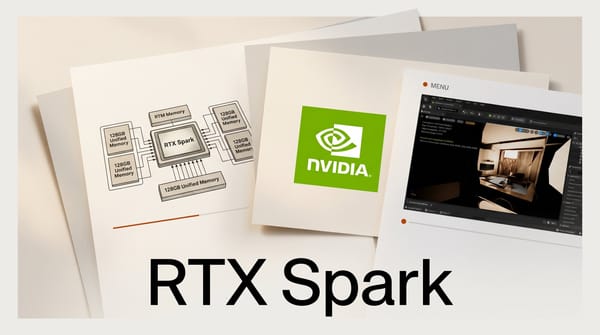
NVIDIA officially launched the RTX Spark Superchip at GTC Taipei on June 1, 2026, putting a 6144-CUDA-core GPU, a 20-core Grace Arm CPU, and 128GB of unified memory into a single thin-and-light PC chip.
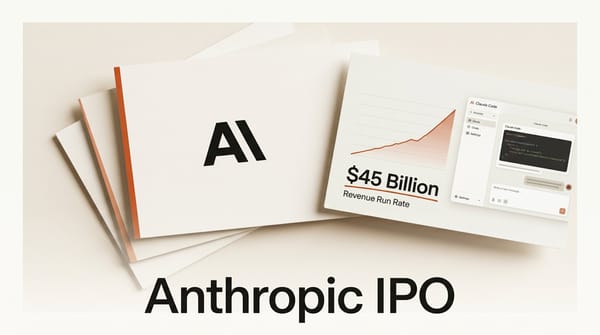
Anthropic confidentially filed its S-1 with the SEC on June 1, 2026, at a $965B valuation with $45B in run-rate revenue driven by Claude Code.

Cursor shipped auto-review mode today in version 3.6, a new run mode that lets the agent work for longer stretches with fewer approval prompts.
NVIDIA officially retired its GeForce Control Panel on May 26, 2026 after 20 years, completing the migration of all GPU settings to the NVIDIA app.
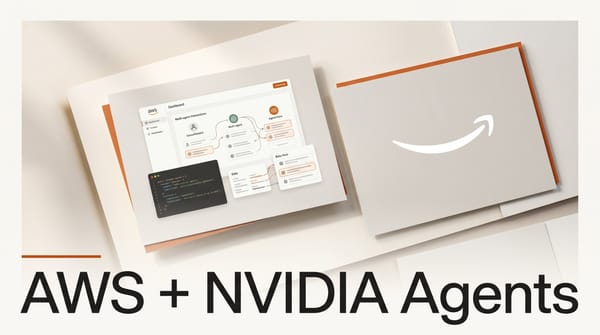
AWS published a reference architecture on May 26, 2026 combining Strands Agents, NVIDIA NIM, and Amazon Bedrock AgentCore into a production-ready multi-agent system.

Orchestria launches May 25 with a multi-agent AI music engine that exposes drums, bass, and melody as editable stems. Free, Pro $8, Maestro $25.
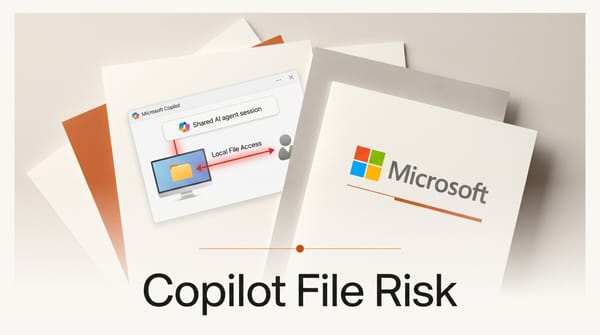
PromptArmor disclosed that Microsoft Copilot Cowork can be tricked into exfiltrating files from a user's tenant through a chained prompt-injection attack on SharePoint.
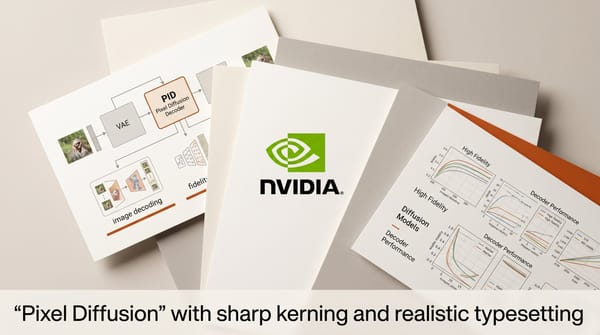
NVIDIA Toronto AI Lab open-sources PiD, a plug-in pixel diffusion decoder that replaces VAE in FLUX, SD3, and Z-Image to output 2K-4K in one distilled pass.
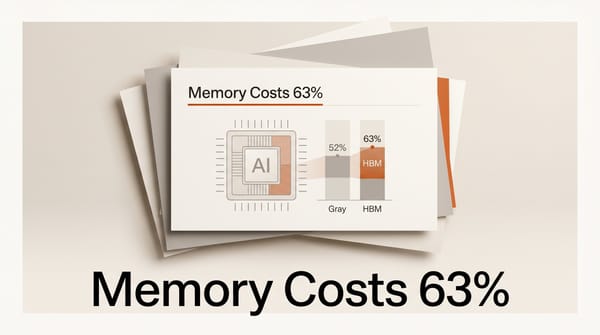
High-bandwidth memory (HBM) now accounts for 63% of the cost to build an AI chip, up from 52% just 18 months ago. Epoch AI's new data analysis explains why your AI tool subscriptions and API bills are not getting cheaper in 2026.
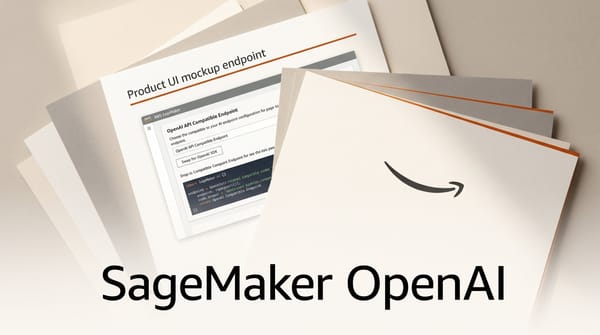
AWS added OpenAI-compatible API support to SageMaker AI endpoints on May 21, 2026, letting devs reuse OpenAI SDK code against custom models with a base_url swap.
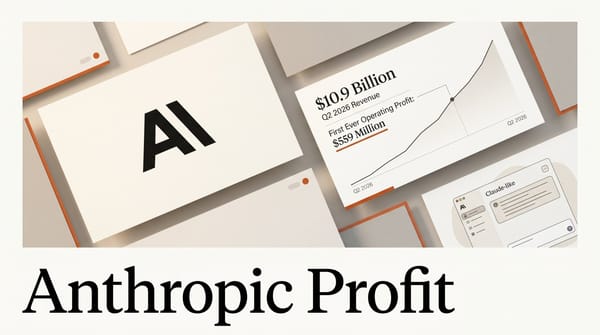
Anthropic is projected to post $10.9 billion in Q2 2026 revenue and its first ever operating profit of $559 million, two years ahead of internal targets.
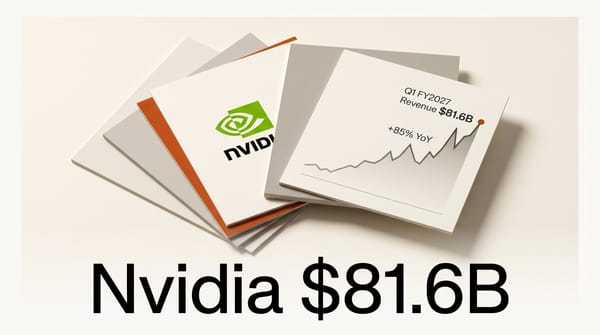
Nvidia Q1 FY2027 revenue reached $81.6 billion, up 85% year-over-year. Here is what record AI chip demand means for every creative tool built on Nvidia infrastructure, plus DLSS 5 preview.
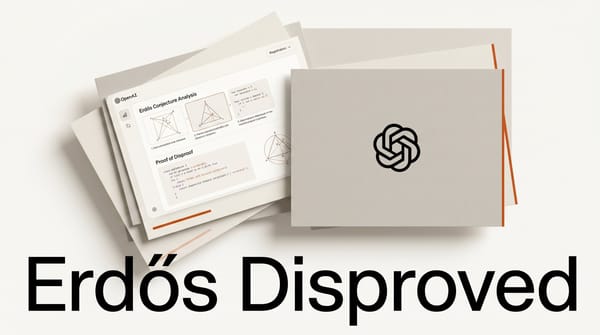
An OpenAI reasoning model autonomously disproved the Erdos unit distance conjecture, a geometry problem unsolved since 1946. Fields medalist Tim Gowers calls it a milestone in AI mathematics.
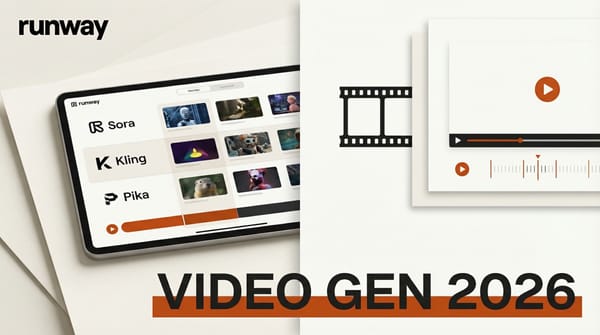
Ten AI video generators compared with current pricing, real capabilities, and honest assessments. Native 4K and synchronized audio are now standard, and six of the ten best tools cost nothing to run.
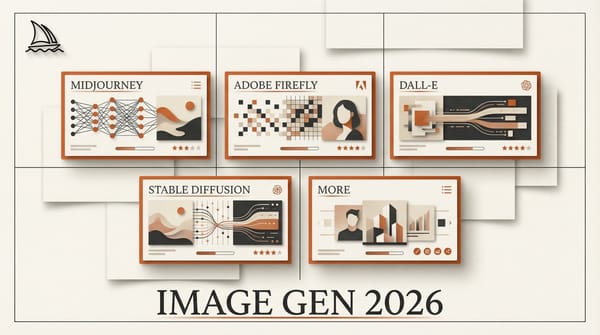
Midjourney, FLUX Pro, and GPT Image 1.5 lead AI image generation in 2026, but the gap between the top tools has narrowed to the point where price, speed, and workflow fit matter more than raw quality.
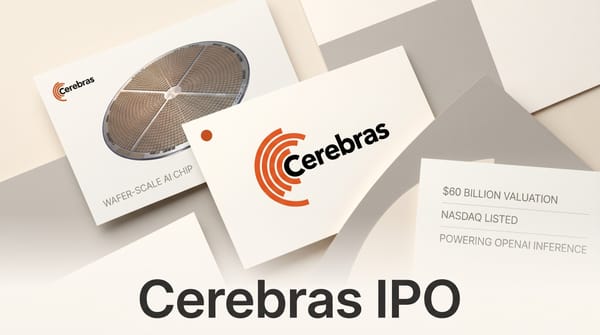
Cerebras Systems priced its IPO at $185 per share on May 13, then opened on Nasdaq the next day at $350 and closed up 68% at $311. By May 16 the stock had settled near $280, putting the chip company at a $60B market cap.