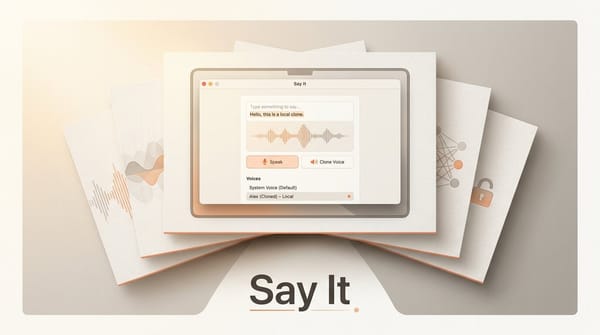
Say It: Local Text-to-Speech and Voice Cloning on Mac
Say It, a free and open-source macOS app, turns highlighted text into spoken audio and clones voices entirely on your own machine, with no cloud or accounts.
Say It, a free and open-source macOS app, turns highlighted text into spoken audio and clones voices entirely on your own machine, with no cloud or accounts.
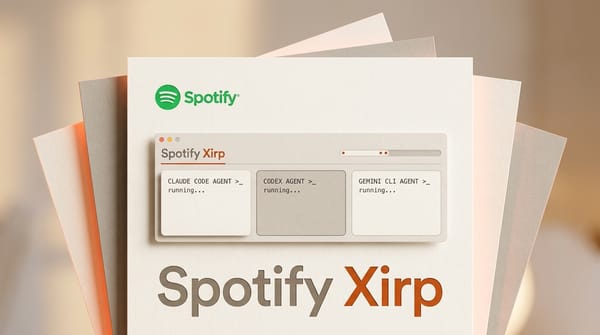
Spotify opened Xirp, a vendor-neutral manager that runs Claude Code, Codex, and Gemini CLI in parallel Git worktrees, to public beta. Here is how it compares to Conductor and Vibe Kanban.

Black Forest Labs made FLUX 3 Video generally available on August 4, 2026: up to 20-second clips at 1080p with native, lip-synced audio in 12+ languages via the BFL API.
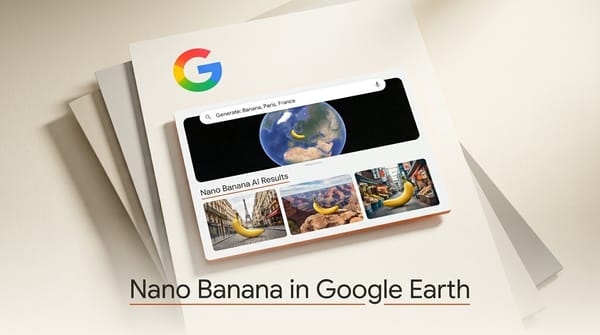
Google Earth now generates AI images from any location using Nano Banana 2, free on the web globally as of July 30, 2026.
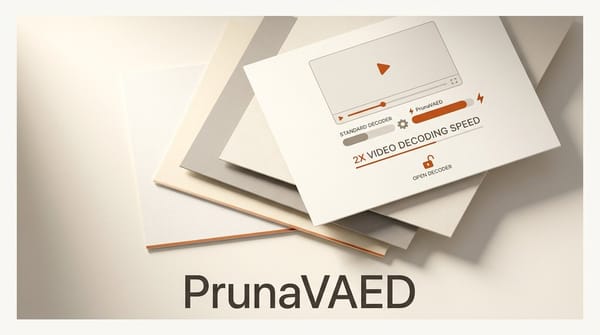
PrunaVAED, a new open-weight decoder from Pruna AI, is a drop-in replacement for the LTX-2.3 VAE that decodes video up to 2.08x faster and cuts peak VRAM roughly in half.
Liquid AI released LFM2.5-2.6B, a 2.6-billion-parameter open-weights agentic model that runs entirely on-device, planning and calling tools with no cloud API cost.
xAI released Grok Voice Think Fast 2.0 on July 29, 2026, a speech-to-speech model with sharper transcription and fewer reasoning tokens.
CopilotKit open-sourced the Channels SDK, a MIT-licensed toolkit for dropping AI agents into Slack, Teams, Discord, and Telegram with native interactive UI.
Cloudflare has released Cloudflare OS, an open-source platform for building and running AI agents and full-stack apps, available today on GitHub and deployable into your own Cloudflare account in minutes.
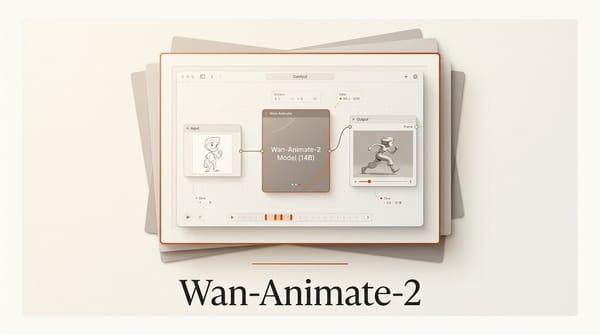
Alibaba Tongyi Lab released Wan-Animate-2 on August 7, a 14B Apache-2.0 character animation model. Two days later it landed in ComfyUI as native nodes.
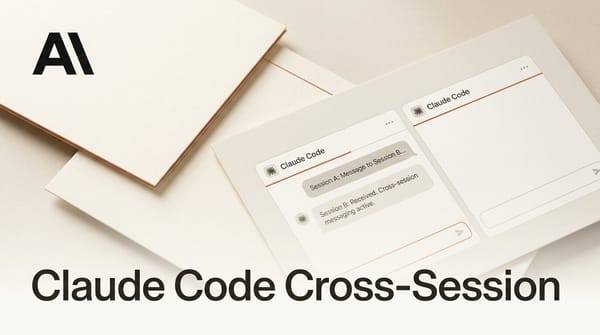
Claude Code can now pass messages between your separate sessions. Shipped in v2.1.224 on August 7, 2026, it lets one session hand a finding to another.
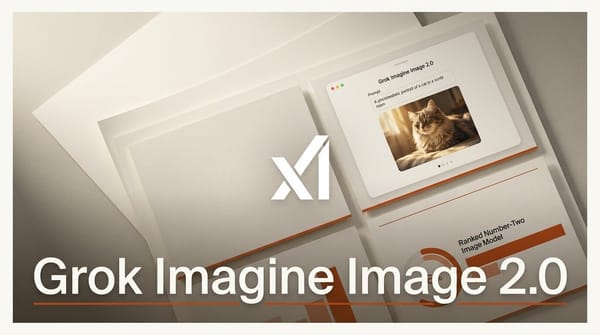
xAI shipped Grok Imagine Image 2.0 on August 7, 2026 as the new Quality Mode on Grok, now ranked second on both image arenas behind gpt-image-2.
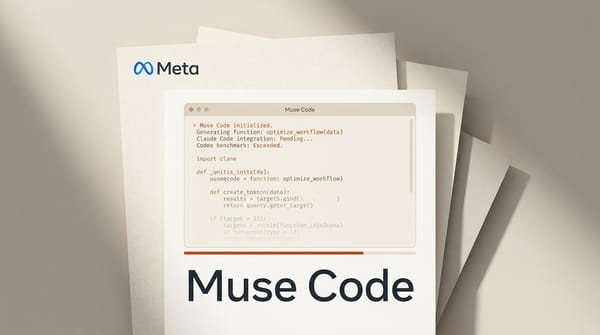
Meta launched Muse Code, a terminal AI coding agent on Muse Spark 1.2 for macOS and Linux. Here is how it compares to Claude Code and Codex.

Prime Intellect released Prime Agent on August 5, 2026, an open-source coding harness that rewrites its own instructions while it works. Paired with Opus 5, it beat the human-expert baseline on ARC-AGI-3.
ByteDance's Seed team has released SeedRealtime, a native audio-video full-duplex model that watches, listens, and speaks at the same time, rolling out first inside the Doubao app.
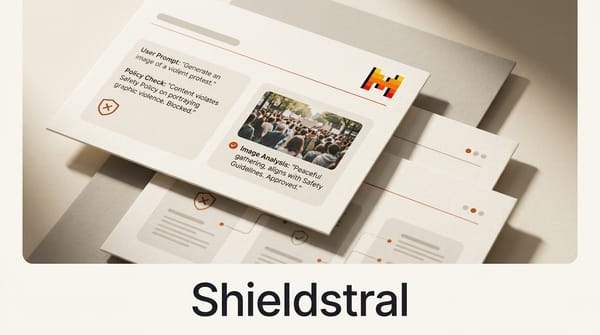
Mistral has released Shieldstral, a 3-billion-parameter multimodal safety classifier with open weights under Apache 2.0 that scores text and images against policies you write in plain language.
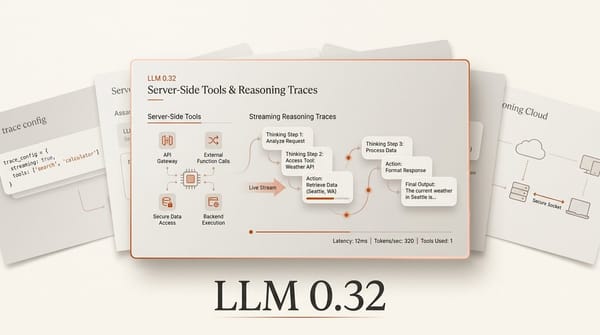
Simon Willison shipped LLM 0.32, adding provider-side tools, streaming reasoning traces, OpenAI Responses support, and a Git-style logging store to the popular command-line tool.
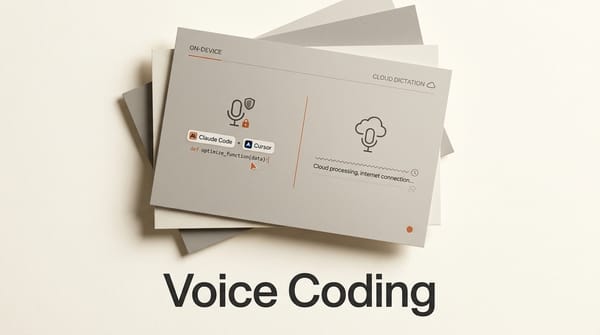
If you code under an NDA or on a private repo, an on-device voice coding tool is the only safe way to talk to your AI agent. SKI, Spokenly, and VoiceMode keep every word local. Here is how the leading voice coding tools compare.
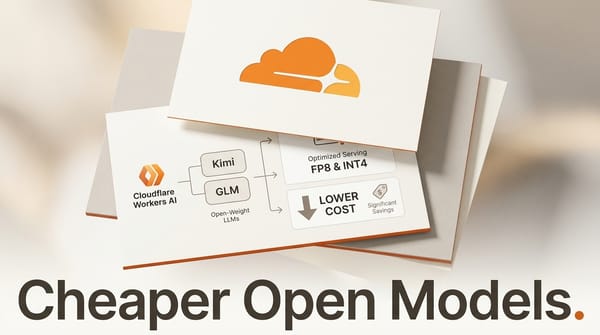
Cloudflare shipped three inference optimizations that make Kimi K2.6 and GLM 5.2 roughly 30% cheaper to run on Workers AI, and its benchmark tables show the answers do not change.
Alibaba announced Qwen3.8-Max on August 3, 2026: a 2.4 trillion-parameter coding flagship with a 1 million-token context and a promised open-weights release.
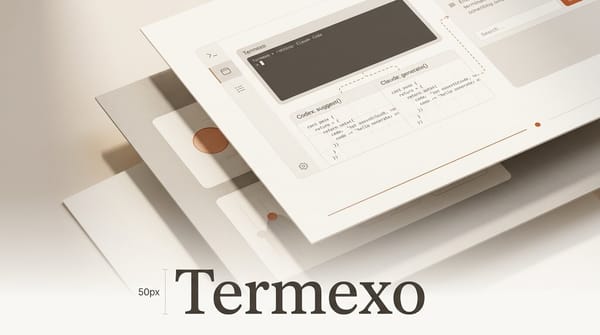
Termexo is a free, local Windows workbench that runs Claude Code, Codex, and other coding agents in one grid of terminals, launched August 2, 2026.
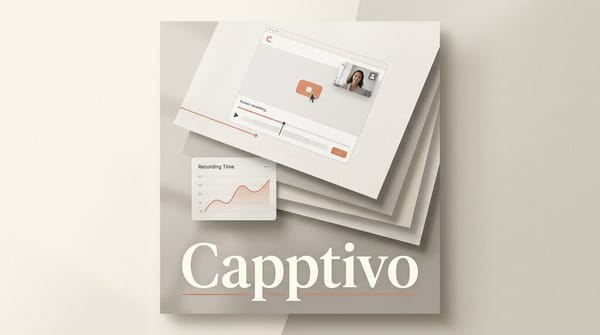
Capptivo is a free, open-source screen recorder and demo editor with cursor-following zoom, annotations, and on-device captions, launched August 2, 2026.

As of August 2, 2026, the EU AI Act Article 50 transparency rules are enforceable. Here is what creators must disclose and how to label AI-generated content.
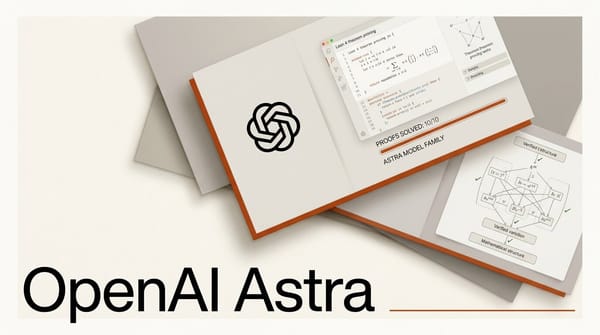
OpenAI unveiled Astra, its next major model family, by solving ten decade-old math problems with machine-checkable Lean 4 proofs. Astra is still in internal testing.