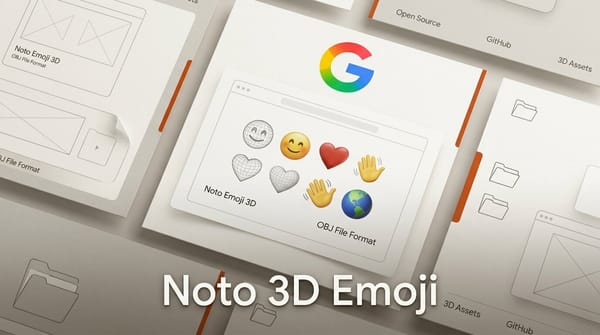
Google Open-Sources Noto 3D Emoji as OBJ Files
For World Emoji Day, Google rebuilt all 3,977 Noto emoji as true 3D models and released them as raw .OBJ files anyone can open in Blender. Here is what shipped and how creators can use it.
For World Emoji Day, Google rebuilt all 3,977 Noto emoji as true 3D models and released them as raw .OBJ files anyone can open in Blender. Here is what shipped and how creators can use it.
A hacker leaked Suno's training data manifests, revealing 2 million scraped YouTube clips plus Deezer, Genius and Pond5 catalogs, weeks before a July copyright ruling.
Figma added GPT-5.6 to Figma Make on July 9, 2026, improving first-pass design-to-code quality, self-healing fixes, and design fidelity.
Meta shipped its first paid AI model on July 9: Muse Spark 1.1, a paid agentic coding API at $1.25 per million input tokens with a $20 free credit.
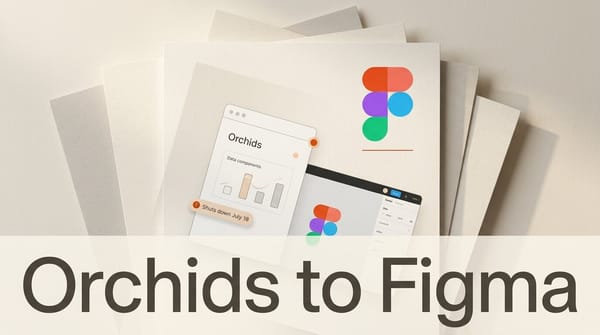
Orchids is joining Figma and will stop hosting deployed projects after July 18, 2026. Export your code and redeploy before the deadline.
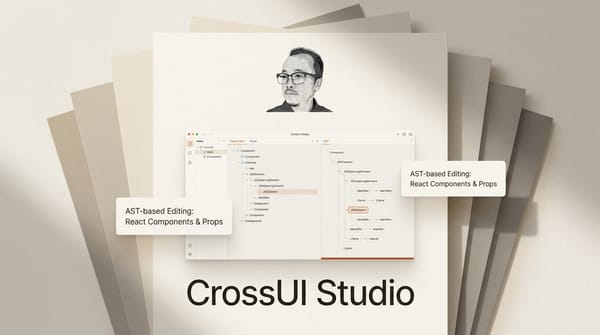
CrossUI Studio is a visual IDE for React that writes every canvas edit back to your source as a precise AST patch with no export step and no lock-in.
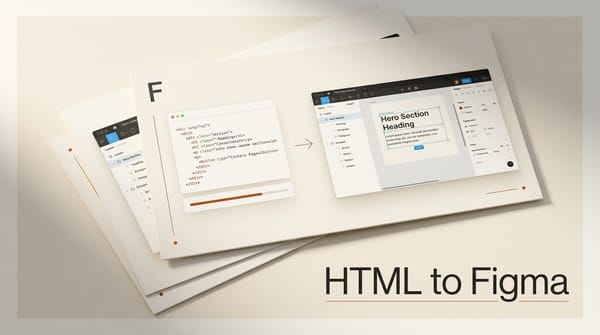
Figit is an open-source library that turns HTML into fully editable Figma layers you paste straight onto the canvas, with no plugin install.
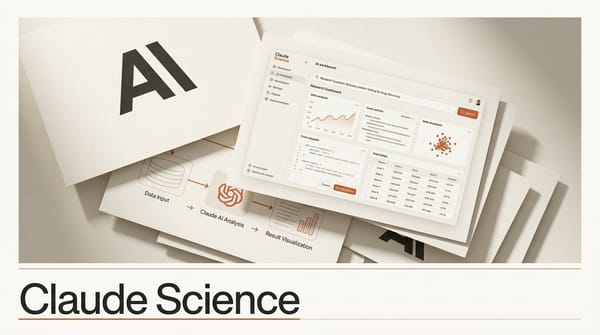
Anthropic launched Claude Science on June 30, 2026, a beta AI workbench that pulls a researchers scattered tools into a single agentic environment.
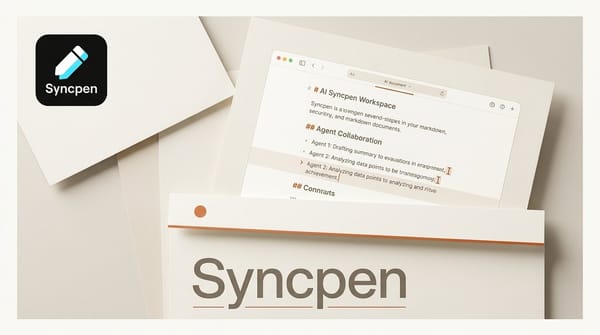
Syncpen is a new collaborative Markdown workspace that lets AI coding agents draft directly inside your documents as tracked, approvable proposals, over MCP.
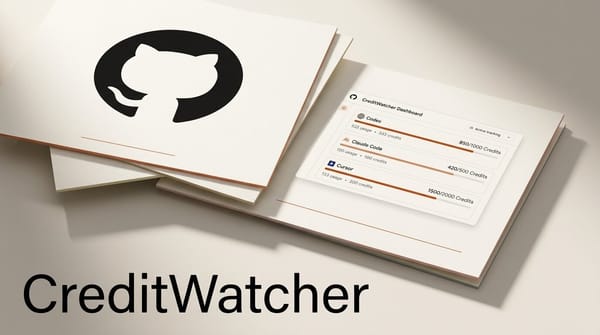
CreditWatcher, a free open-source macOS menu bar app and CLI, tracks OpenAI Codex, Claude Code, and Cursor usage limits in one place, read-only and private.

Google made Gemini personalized AI image generation, powered by Nano Banana, free for eligible US users. Here is what it does and how to enable it.
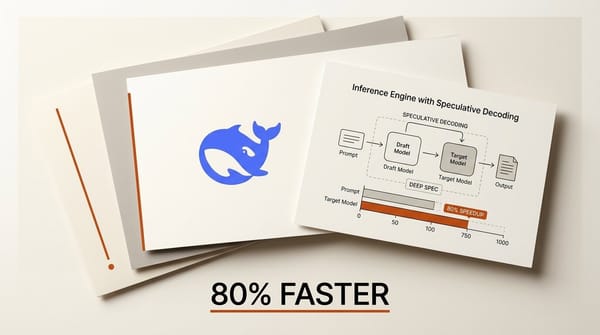
DeepSeek shipped DSpark and open-sourced DeepSpec, a speculative decoding stack that speeds up V4 inference by up to 80 percent with identical output.
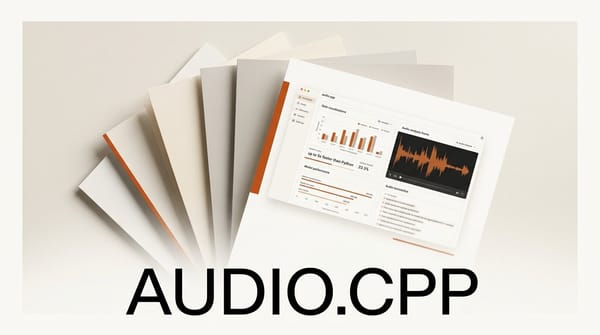
audio.cpp packs more than a dozen audio AI models into one ggml-powered C++ runtime, running TTS, voice cloning, and music up to 5x faster than Python.
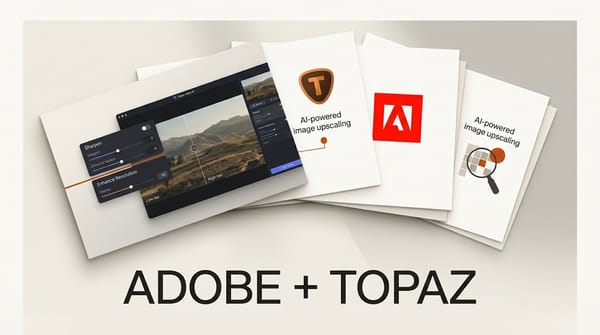
Adobe has agreed to acquire Topaz Labs, the AI company behind Gigapixel, Topaz Photo, and Topaz Video. Here is what the deal means for your enhancement workflow.
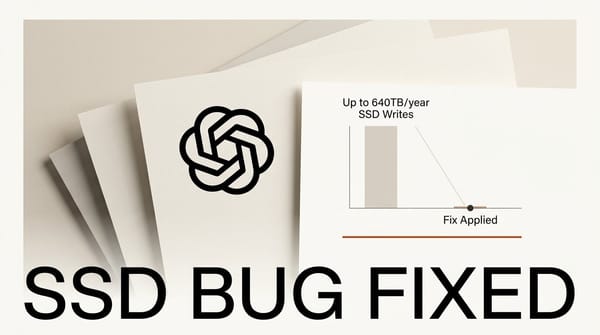
OpenAI Codex CLI was writing up to 640TB a year to your SSD through runaway SQLite logs. The bug is now fixed, here is how to protect your drive.
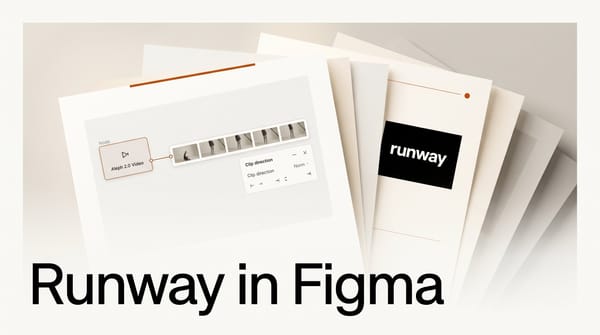
Runway's Aleph 2.0 video model is now available inside Figma Weave, letting designers and editors direct clips up to 30 seconds frame by frame from Weave's node-based canvas.
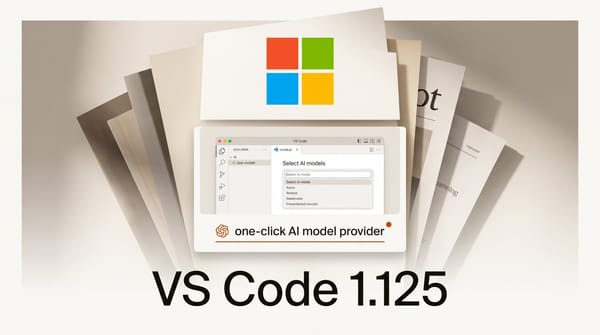
VS Code 1.125 adds one-click model provider installs, a live Copilot budget meter, and managed AI policies for teams.
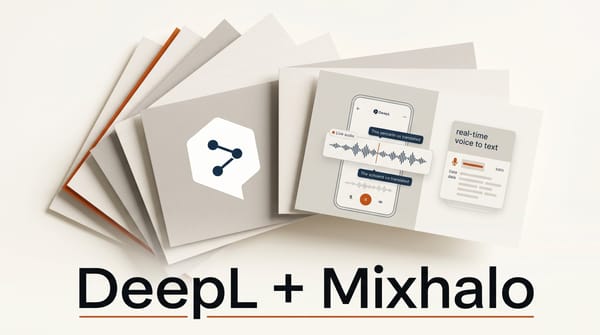
DeepL has acquired Mixhalo, the real-time audio platform built for concerts and conferences, pushing AI voice translation into live events.
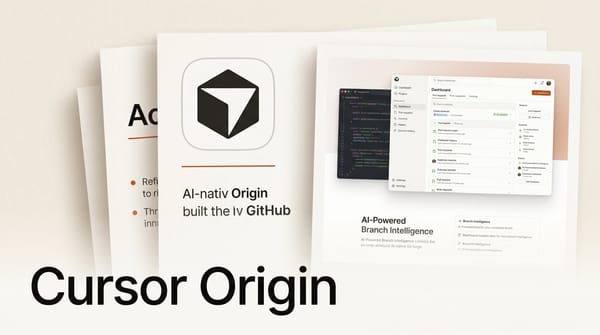
Cursor announced Origin, a Git-compatible forge built for AI agent workloads. It is a direct shot at GitHub, with general availability set for fall 2026.
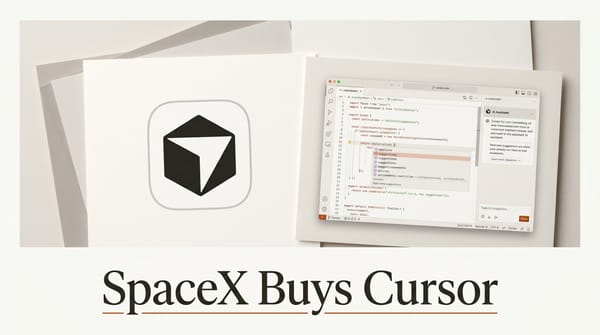
SpaceX is acquiring Cursor, the AI coding tool built by Anysphere, in an all-stock deal valuing it at $60 billion, confirmed June 16, 2026.
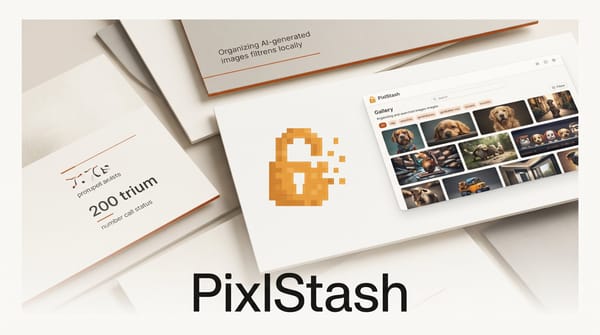
PixlStash, the open-source self-hosted image manager for AI creators, now ships as a native desktop app for Windows, macOS, and Linux with one-click install.
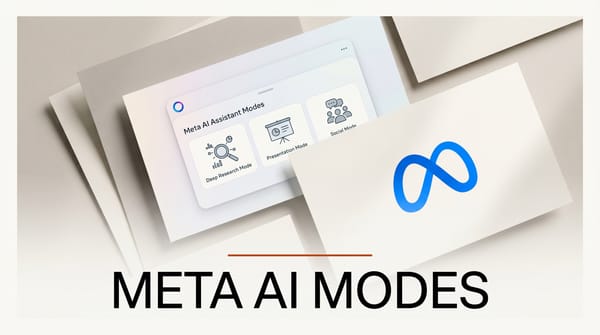
Meta is quietly testing three new modes for its web AI assistant: Deep Research, Presentation, and Social. The slide-deck generator already produces usable output.
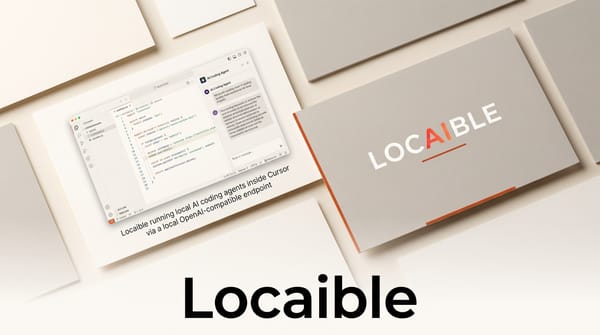
Locaible runs pre-tuned AI coding agents on your own machine and exposes them to Cursor through a local, OpenAI-compatible endpoint, so your code never leaves your machine.
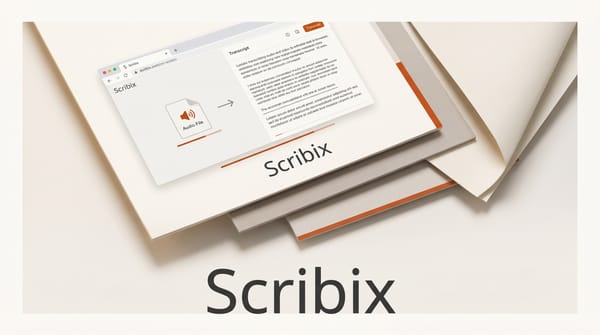
Scribix is a browser-based AI transcription tool that turns audio and video into editable text with speaker labels, word-level timestamps, and SRT or VTT export.