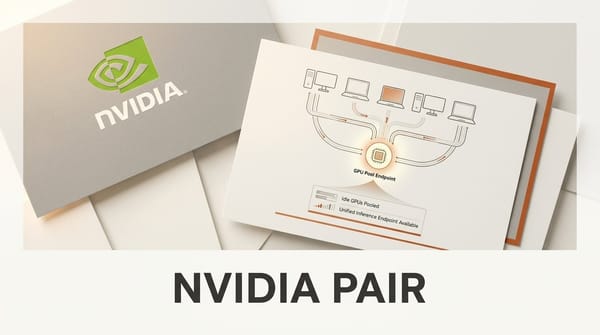
NVIDIA PAIR: Pool Every GPU for Local AI
NVIDIA PAIR is a free, open-source Personal AI Router that turns the idle GPUs across your home or studio into one local inference endpoint. Here is how it works and when it beats the cloud.
NVIDIA PAIR is a free, open-source Personal AI Router that turns the idle GPUs across your home or studio into one local inference endpoint. Here is how it works and when it beats the cloud.
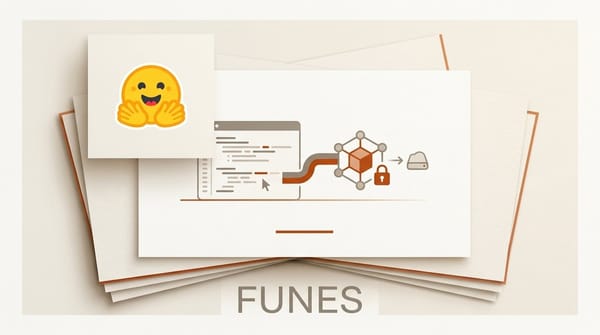
Hugging Face's open-source Funes gives coding agents like Claude Code and Codex a persistent memory that lives on your machine and travels between tools. Here is how the agent-memory-you-own pattern compares to vendor-locked and knowledge-graph memory.
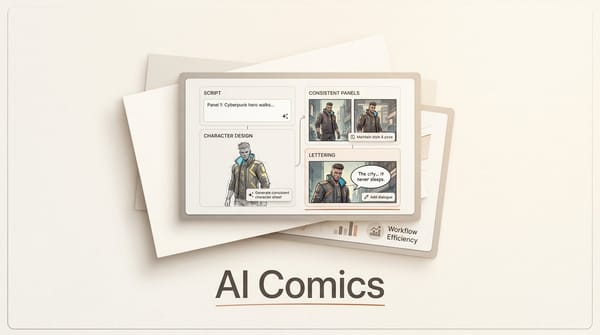
Take a comic from a one-line idea to finished, lettered pages in an afternoon using AI script, image, and layout tools. Here is the full workflow.
Google shipped Gemini 3.8 Flash on September 2, 2026, its most capable Flash-tier model for long-horizon software engineering and agents, at the same low price as 3.7 Flash.
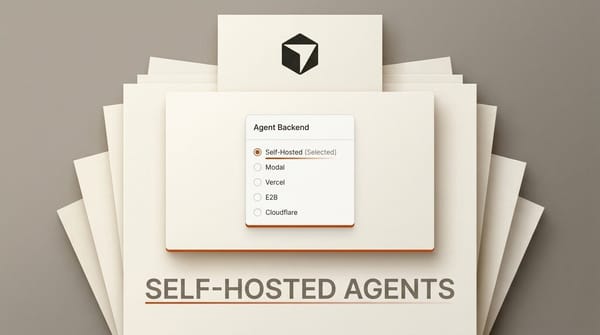
Cursor has decoupled its cloud coding agents from its own servers. A September 2 update lets agents run on infrastructure you control across eight backends including Modal, Vercel, E2B, and Cloudflare.

Anthropic open-sourced Claude Commerce Agents on September 2, 2026, a forkable blueprint for shopping and merchant agents. Here is the fork-to-shipped builder path, and how the open blueprint compares to a raw SDK build and closed vertical platforms.
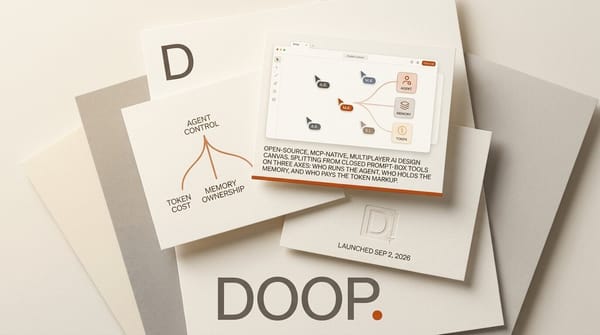
Doop launched Sep 2, 2026 as an open-source, MCP-native, multiplayer AI design canvas. It splits from closed prompt-box tools on three axes: who runs the agent, who holds the memory, and who pays the token markup.
Meta shipped Muse Spark 1.3 with a pitch built on efficiency: roughly 20 percent fewer tool calls and 25 percent fewer tokens per coding task. Here is why tokens and tool calls per completed task, not raw benchmark score, are the metric that actually decides what an agent costs to run.
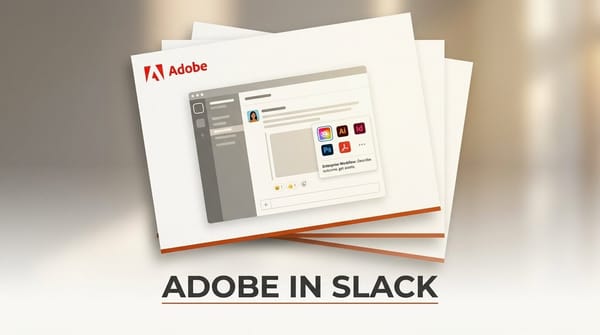
Adobe for Slack puts more than 70 creative tools inside chat conversations. The real story is describe-outcome-get-asset creation moving into the workplace surface, and why Adobe aimed it at enterprises, not solo creators.
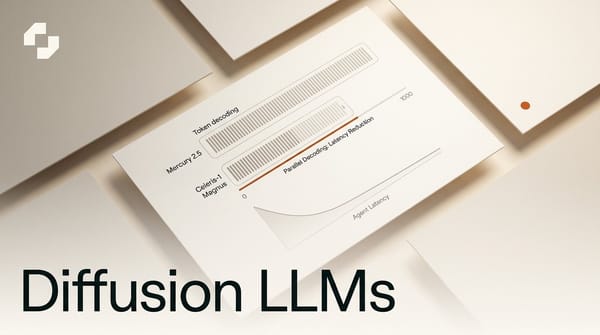
Mercury 2.5 and Celeris-1 Magnus are diffusion LLMs that decode tokens in parallel to cut agent latency. Here is how they compare and when to swap.
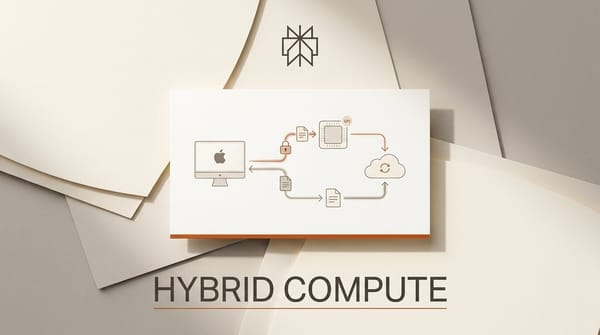
Perplexity launched Hybrid Compute for its Computer agent on Apple silicon Macs, splitting a single task between cloud and local models so confidential files never leave the device.
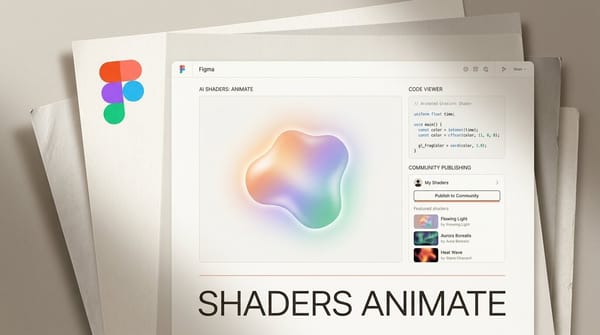
Figma has turned its AI shaders from a static novelty into a working motion-and-code tool. A September 1 update adds motion, a code viewer, community publishing, and MCP export to its generative plugins and shaders.
Claude Mythos 5.1 is the same model as Fable 5.1 running with more permissive safeguards, available only through vetted cybersecurity and life sciences programmes.
Anthropic released Claude Fable 5.1 on September 1, 2026. Headline pricing did not move, but cache reads dropped from $1.00 to $0.25 per million tokens, a 75 percent cut worth up to 45 percent on agentic workloads.

Turn a product brief and a few reference images into a polished, multi-scene launch video in about ten minutes with AI, no After Effects required. A full step-by-step workflow.
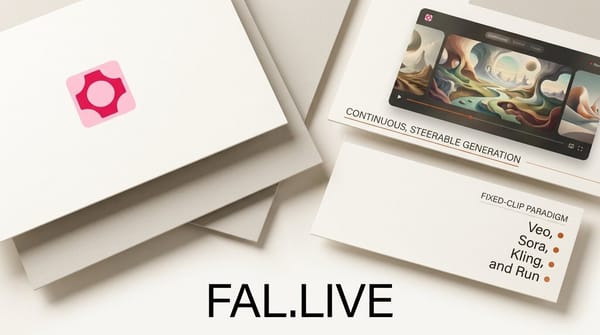
fal.live is an infinite, interactive AI livestream powered by the autoregressive H3 Max Director model. Here is how continuous, steerable generation changes creative work versus the fixed-clip paradigm of Veo, Sora, Kling, and Runway.
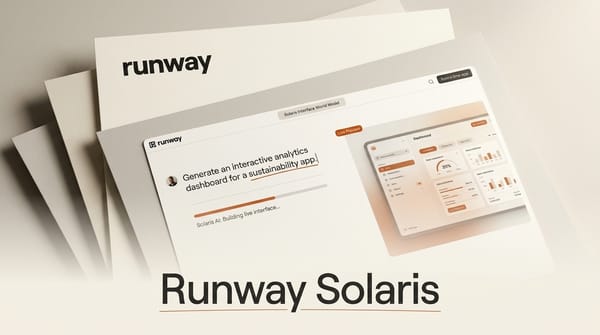
Runway's Solaris generates interactive app interfaces in real time by rendering pixels instead of writing code, a genuinely different approach from AI code builders like Cursor and v0.
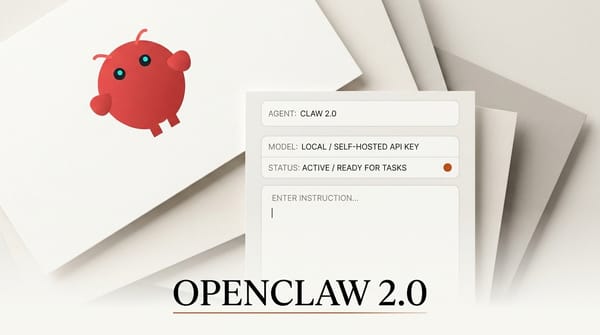
OpenClaw 2.0 shipped August 30, a full rewrite of the free, open-source AI agent platform you self-host with your own API key or a local model.
Tencent has open-sourced Hy4 preview, a 770B mixture-of-experts model with a 1M-token context window under Apache 2.0, aimed at coding, data analysis, and builder workflows.
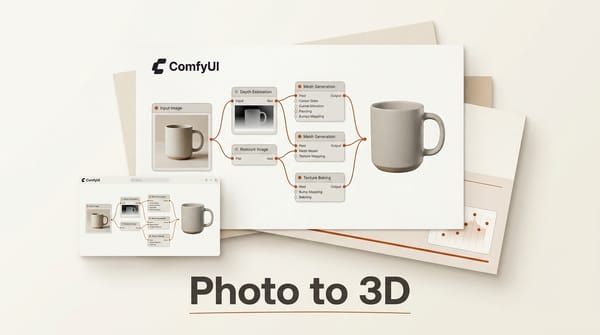
A step-by-step ComfyUI workflow to turn one photo into a textured 3D model and a turntable video using the native TRELLIS2, Pixal3D, and SAM 3D Body nodes.
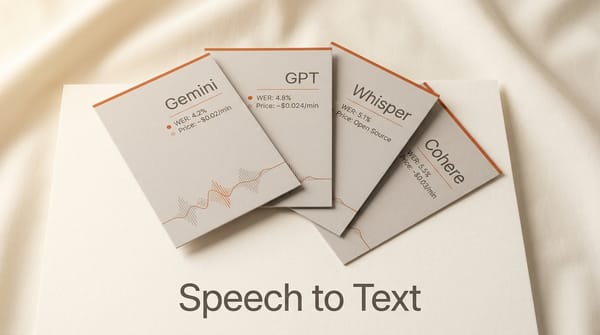
Gemini 3.5 Transcribe, GPT-4o Transcribe, Whisper, and Cohere Transcribe compared on accuracy, languages, streaming, diarization, and price so you can pick the right speech-to-text model.
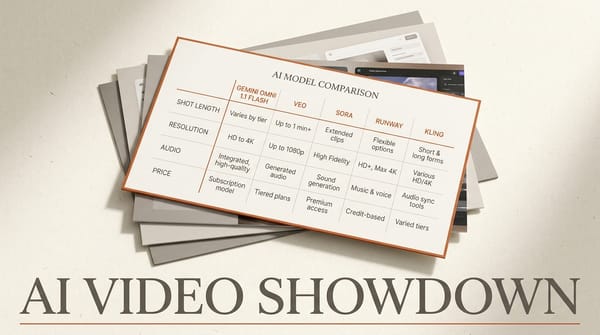
Gemini Omni 1.1 Flash is the cheapest way to make controllable, long-form AI video, but not the highest-resolution. Here is how it compares to Veo, Sora, Runway, and Kling.

Adobe shipped a prompt-based AI Assisted Editor and Firefly Image 5 in Photoshop on August 27, 2026. Here is what is new and how to use it.
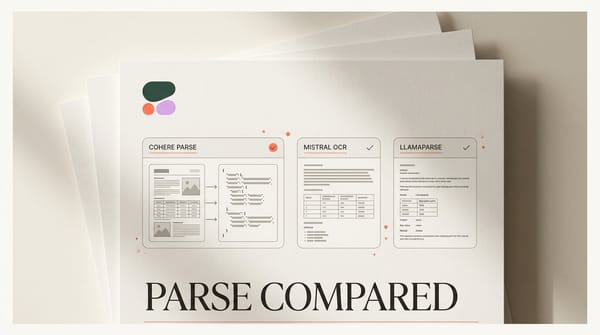
Cohere shipped Parse to general availability on August 27, 2026: a vision language model that turns documents into clean Markdown at $1.50 per 1,000 pages, topping the ParseBench leaderboard.