Anthropic released Claude Haiku 5.5 on October 7, 2026, and the headline is price: it costs 90% less than Haiku 4.5 for any job under 100,000 tokens, about 75% less on average, while scoring more than four times higher on Anthropic's computer-use test. At the published rates, turning a one-hour podcast transcript into show notes costs about a seventh of a cent.
The launch also halves one of Sonnet 5.5's prices and gives Max and Team subscribers a monthly credit of $100 to $500 for apps that run on Claude, both covered below. The Claude release notes list all of it for the same day. This guide puts the numbers in the units creators pay in: per show note, per caption, per month.
What Anthropic Shipped on October 7
Haiku is the smallest and cheapest of Claude's three everyday models, below Sonnet and Opus. Anthropic describes Haiku 5.5 as "the cheapest, fastest, and most capable small model we've ever released", built for high-volume, repeatable work: summaries, sorting, classifying, quick lookups and live customer chat. It is also Anthropic's fastest model at standard speed, though Opus in Fast Mode is quicker.
Three things changed for people who make things:
- Price. $0.10 per million tokens of input and $0.50 per million of output for prompts up to 100,000 tokens, against $1.00 and $5.00 for Haiku 4.5. That is the 90% cut. Prompts over 100,000 tokens cost five times more ($0.50 and $2.50), which is still half of Haiku 4.5. Anthropic says 90% of Haiku 4.5 requests fell under the line.
- Skill. The jump from Haiku 4.5 is large on every test Anthropic published, biggest on operating a computer and reading charts.
- Control. It is the first Haiku with an effort setting, so a tool can trade speed and cost for more careful work.
Early testers report the same pattern. Box says Haiku 5.5 scored 11 points higher than Haiku 4.5 at about half the latency; Asana measured more than 30% lower latency than the model it uses today, and up to 2.5 times faster responses per step.
What Haiku 5.5 Costs per Creative Job
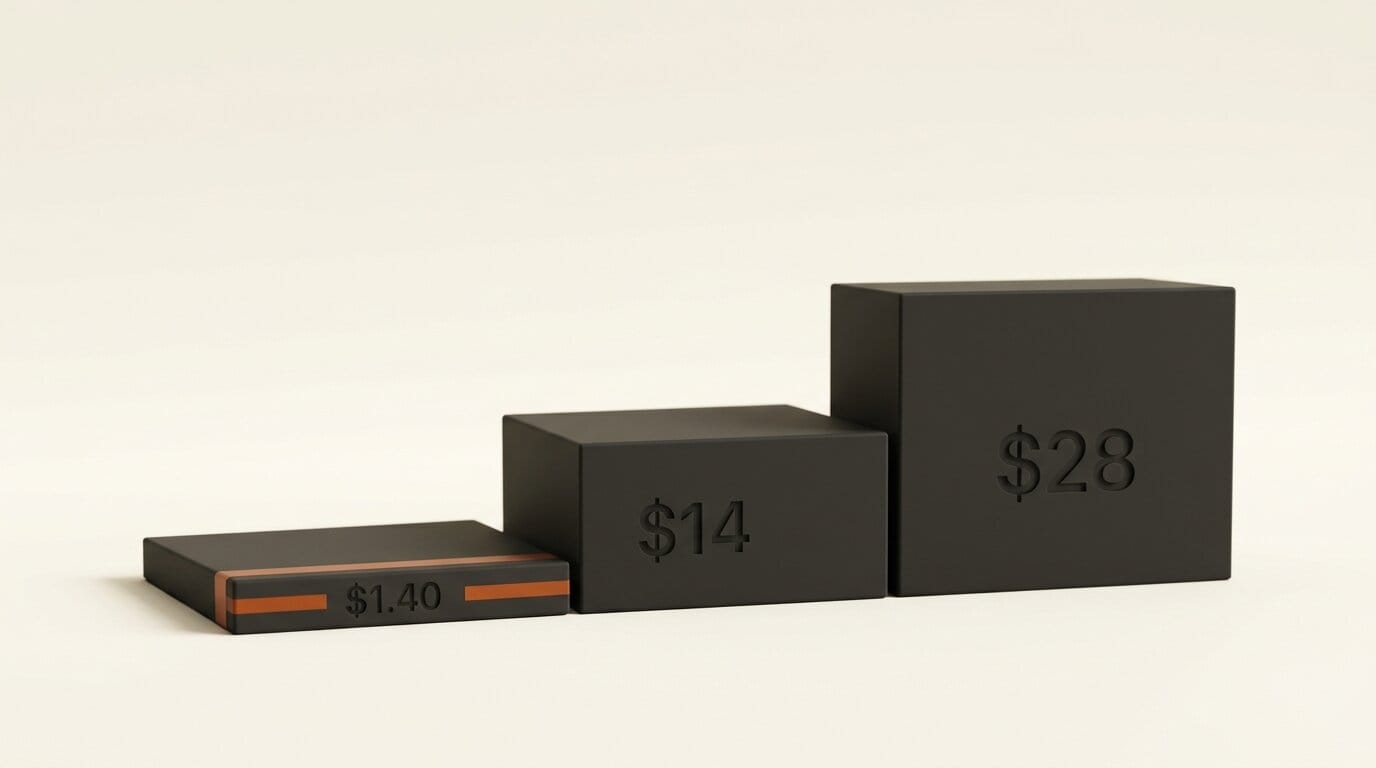
Per-million-token prices mean little until you attach them to a job. We priced four everyday creator tasks at the rates on Anthropic's pricing page, counting about 1.3 tokens per English word. Haiku 5.5 uses a new tokenizer that Anthropic says takes slightly more tokens per task, so treat these as close estimates rather than invoices.
| Job, repeated 1,000 times | Haiku 5.5 | Haiku 4.5 | Sonnet 5.5 |
|---|---|---|---|
| Show notes from a one-hour podcast transcript | $1.40 | $14 | $28 |
| YouTube description and chapters from a 20-minute video | $0.70 | $7 | $14 |
| Alt text and caption for a product photo, from your shot notes | $0.05 | $0.50 | $1 |
| A 1,000-word blog draft from a one-page outline | $0.80 | $8 | $16 |
On a Claude subscription you do not pay these rates directly; you pay a flat monthly price and work within usage limits. The rates matter in two places. First, the apps built on Claude that charge you per caption, per summary or per credit now run at a tenth of their old cost on these jobs, so expect cheaper plans or more generous limits from the ones that pass the saving on. Second, if you use the new monthly credit described below, these are the rates it is spent at.
Haiku 5.5 vs Sonnet 5.5 vs GPT-6 Luna in Plain Terms
Haiku 5.5 lands at exactly the standard price OpenAI lists for GPT-6 Luna, its closest rival: $0.10 in and $0.50 out per million tokens on OpenAI's API pricing page. At that same price, Haiku 5.5 scores higher than Luna on every test both companies reported. Here are Anthropic's published results, with what each test measures:
| What the test measures | Haiku 5.5 | Haiku 4.5 | GPT-6 Luna | Sonnet 5.5 |
|---|---|---|---|---|
| Real office work across 44 occupations (GDPval-AA, rating) | 1620 | 735 | 1437 | 1840 |
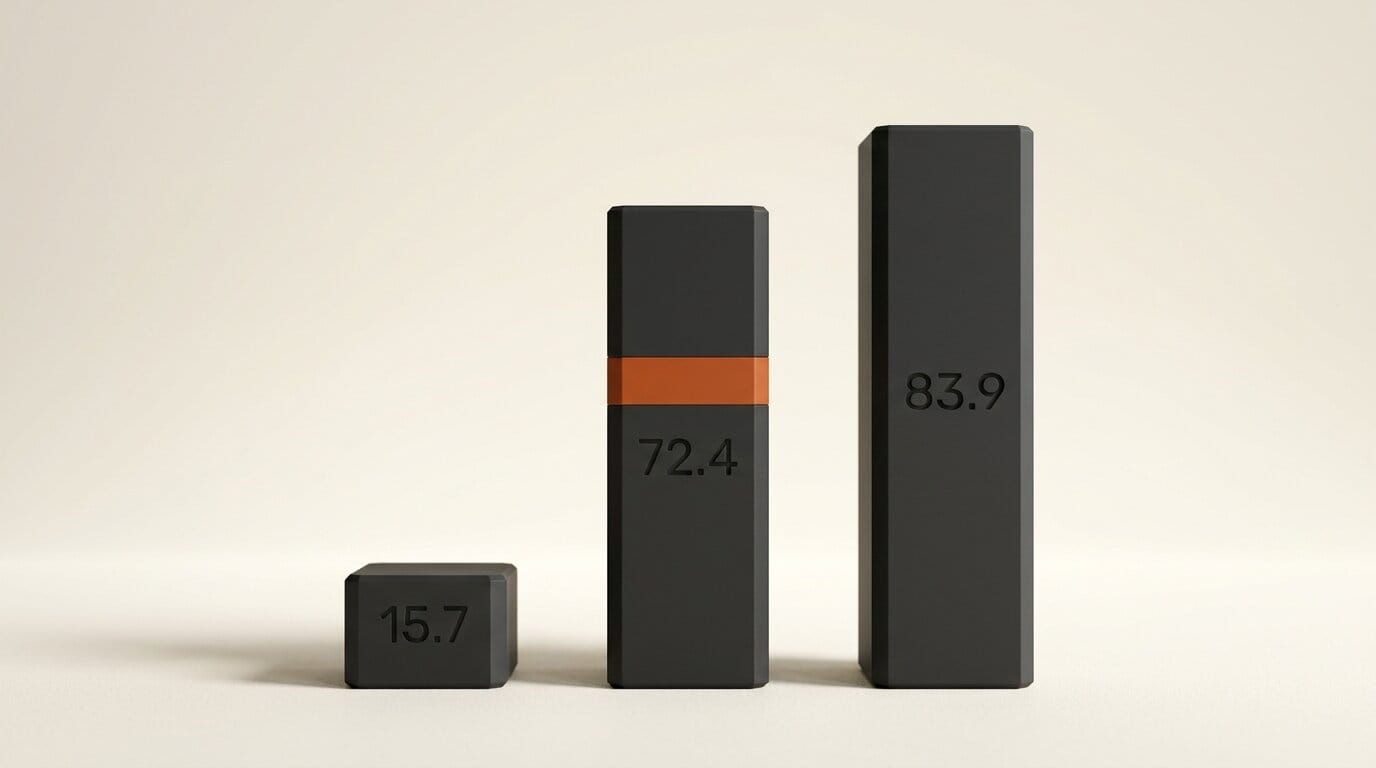
| Operating a computer to finish long tasks (OSWorld 2.1) | 72.4% | 15.7% | 48.9% | 83.9% |
| Reading and reasoning about charts (Chartography) | 46.4% | 6.4% | 29.1% | 61.6% |
| Expert questions, with web tools (Humanity's Last Exam) | 57.4% | 18.7% | not reported | 64.5% |
| Long, multi-step technical tasks (Terminal-Bench 4.0) | 39.2% | 0.0% | 16.4% | 70.6% |
| Output price per million tokens, short prompts | $0.50 | $5.00 | $0.50 | $10.00 |
The plain reading: on everyday office-style work, Haiku 5.5 now beats GPT-6 Luna and sits far closer to Sonnet 5.5 (220 rating points behind) than to Haiku 4.5 (885 points ahead), for a twentieth of Sonnet's output price. Where it falls well short is long, multi-step projects. Anthropic itself says Sonnet 5.5 and Opus 5.5 "remain better choices" for complex work and that Haiku 5.5 suits "more narrowly scoped tasks". All of these scores are Anthropic's own; the methods are in the Haiku 5.5 system card.
Browser and Computer Chores: The Biggest Jump
The largest gain is on OSWorld, a test where the AI has to operate a real computer to finish long, multi-step tasks. Haiku 4.5 scored 15.7%. Haiku 5.5 scores 72.4%, ahead of GPT-6 Luna at 48.9% and not far behind Sonnet 5.5 at 83.9%.
For creators, that is the class of job nobody wants to do by hand: renaming and sorting a folder of exports, copying titles and tags into the same upload form fifty times, pulling every mention of a sponsor from a season of transcripts, checking a list of links. Anthropic says Haiku 5.5 "works especially well" for speed-sensitive tasks like browser use, and it has added browser and computer use, in beta, to the kits app makers build with. Expect the assistants that click through websites for you to get quicker and cheaper first. Claude's own browser agent, Claude in Chrome, is the easiest place to see what this kind of tool does today; we walked through it in our guide to Claude Cowork in the Chrome side panel.
A 72.4% score is a big step, not a guarantee: on long jobs some runs will still go wrong. Keep a person checking the result before anything is published or sent.
The Effort Setting: Quick by Default, Careful on Demand
Haiku 5.5 is the first Haiku with an adjustable effort setting, in five steps: Low, Med, High, Xhigh and Max. Higher effort lets the model think longer before it answers, which raises accuracy and raises cost. Anthropic's charts plot accuracy against cost at each step on its computer-use, office-work and expert-question tests.
The practical rule is simple. Low effort suits bulk chores where a slip is cheap to spot: tags, file names, first-pass captions. Higher effort suits work where a wrong answer costs you, such as pulling a sponsor's exact claim from a transcript or summarizing a contract before you sign. Where a Claude-based tool shows an effort or "thinking" control, start low for bulk work and raise it only when the output disappoints.
The New Monthly API Credit for Max and Team
Alongside Haiku 5.5, Anthropic is giving paid subscribers credit to spend on the Claude Platform, the side of Claude that apps and automations plug into. According to Anthropic's help article on the monthly credits:
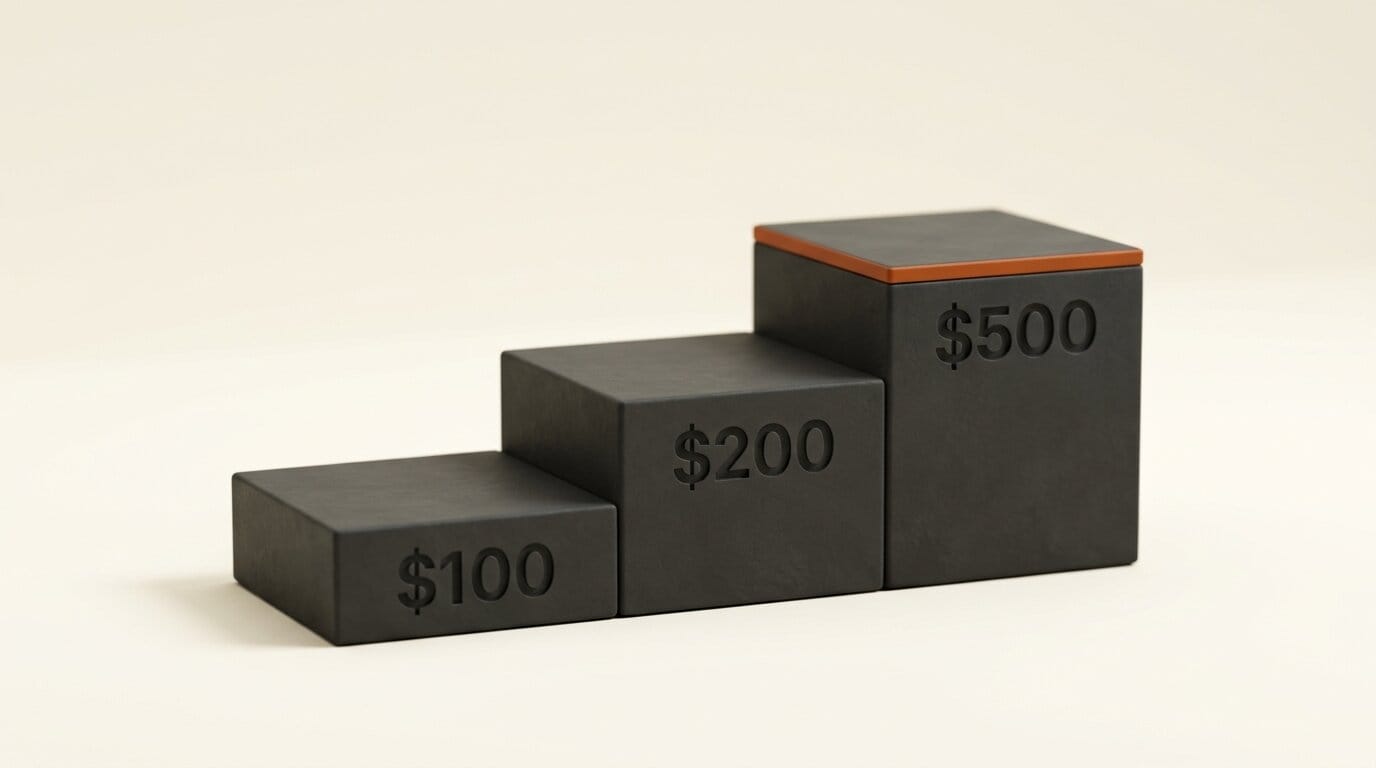
- Max 5x: $100 a month. Max 20x: $200 a month.
- Team: $20 per Standard seat and $100 per Premium seat, pooled, capped at $500 a month.
- Not included: Free, Pro and Enterprise plans.
- You need at least seven days on an eligible plan. Credits roll out over a few days, arrive with each monthly payment and expire at the end of the billing cycle, with no rollover.
- Claim them in Claude's Settings, then Billing, by linking a Claude Console organization (Team owners use Organization settings).
Who should care: anyone using a tool that asks for their own Claude key, such as automation services, writing apps or caption tools that let you bring your own account. Those tools now draw on credit you are already paying for. At Haiku 5.5 rates, $100 covers about 70,000 podcast show notes from the table above. Anthropic says the credit works on any of its models, so the same $100 also buys Sonnet 5.5 or Opus 5.5 time.
Sonnet 5.5 Got About 20% Cheaper Too
The same announcement halves the price of cache reads on Sonnet 5.5, from $0.20 to $0.10 per million tokens. A cache read is the model re-reading material it has already seen in a session, such as your brand guide, a long script or a project brief, and it makes up a large share of the text an AI agent processes on a long job. Anthropic estimates the cut makes Sonnet 5.5 about 20% cheaper on most of that agent-style work.
Nothing changes on your subscription price. It matters for tools that run Sonnet 5.5 behind the scenes on long projects, and for anything you run on the new monthly credit. Our Claude Sonnet 5.5 deep dive covers what that model costs per task at each effort level.
When to Pick Haiku 5.5, Sonnet 5.5 or Opus 5.5
Where a tool lets you choose the model, here is how to split the work:
- Haiku 5.5: anything short, repeated and easy to check. Captions, alt text, tags, titles, descriptions, chapter markers, sorting and renaming, summaries of a single document, quick lookups, the chat assistant on your site, and browser chores you would otherwise click through by hand.
- Sonnet 5.5: longer jobs with several steps, such as a researched video script, a full newsletter from your notes, or building a small site or app by describing it. On Anthropic's test of long, multi-step technical tasks it scores 70.6% to Haiku's 39.2%.
- Opus 5.5: the hardest work, where one wrong turn early ruins the result. Our Opus 5.5 guide covers when it is worth the price.
The two also combine. Anthropic says Haiku 5.5 "pairs well" with Sonnet and Opus as a helper, and the finance AI company Rogo describes the pattern in its launch quote: a bigger model builds the presentation while Haiku pulls the one figure it needs from a long filing. The creator version is a bigger model writing your video script while Haiku digs the exact quotes out of an hour of interview transcripts, at a fraction of the cost. The New Stack notes that this is the first new Haiku in nearly a year.
Your next step: find the Claude-based tool where you pay per use, check whether it offers Haiku 5.5, and move your bulk captioning, tagging and summary jobs to it this week. If you are on Max or Team, claim the credit first.
Frequently Asked Questions
Is Claude Haiku 5.5 free to use?
Anthropic's plans page lists Haiku among the models on every Claude plan, the free one included, and the Claude release notes list the Haiku 5.5 launch on October 7. Check the model picker in the Claude app; the launch post itself confirms availability for app makers and on Amazon Web Services, Google Cloud and Microsoft Azure.
How much cheaper is Claude Haiku 5.5 than Haiku 4.5?
90% cheaper for prompts up to 100,000 tokens ($0.10 in and $0.50 out per million, against $1.00 and $5.00) and 50% cheaper above that. Anthropic puts the average saving at about 75%. In practice, 1,000 podcast show notes drop from about $14 to about $1.40.
Is Haiku 5.5 better than Sonnet 5.5?
No. Sonnet 5.5 scores higher on every test Anthropic published, most clearly on long multi-step tasks (70.6% against 39.2%). Haiku 5.5 is the better choice for short, repeated jobs, where it gets close to Sonnet's quality at a twentieth of the output price.
What is the effort setting in Claude Haiku 5.5?
A five-step control (Low, Med, High, Xhigh, Max) that sets how long the model thinks before answering. Higher settings are more accurate and cost more. Haiku 5.5 is the first Haiku model to offer it.
Who gets the new monthly Claude API credit?
Max 5x subscribers get $100 a month, Max 20x get $200, and Team plans get $20 per Standard seat and $100 per Premium seat, pooled up to $500. Free, Pro and Enterprise plans do not get it. Credits expire at the end of each billing cycle.
Is Claude Haiku 5.5 cheaper than GPT-6 Luna?
It costs the same at standard rates: $0.10 per million tokens in and $0.50 out. Haiku 5.5 scores higher on every test where Anthropic reported both, including computer use (72.4% against 48.9%). Its price rises fivefold for prompts over 100,000 tokens.