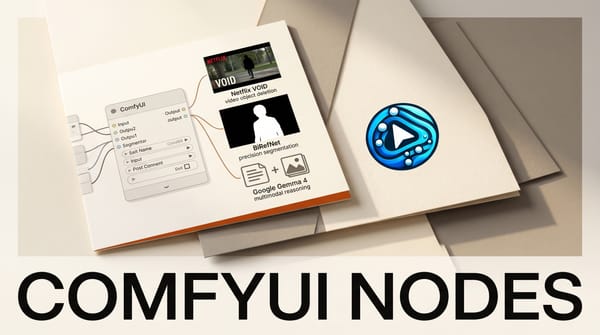
VOID, BiRefNet, and Gemma 4 Are Now in ComfyUI
Three significant open-source models arrived in ComfyUI on May 14, 2026: VOID for video object deletion, BiRefNet for image segmentation, and Gemma 4 for multimodal reasoning.
Three significant open-source models arrived in ComfyUI on May 14, 2026: VOID for video object deletion, BiRefNet for image segmentation, and Gemma 4 for multimodal reasoning.
ComfyUI v0.21.1, released May 13, 2026, adds six major partner node integrations including Claude LLM, Grok Image Edit, and OpenAI Image generation inside your workflow graph.
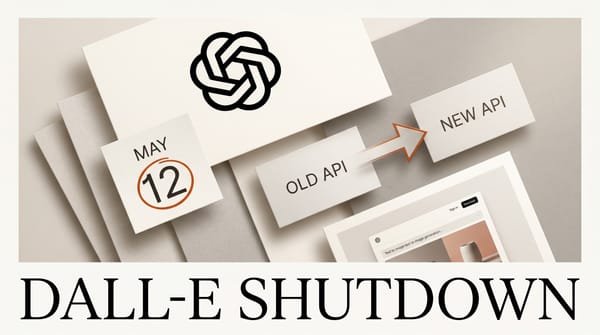
OpenAI shuts down the DALL-E 2 and DALL-E 3 APIs on May 12, 2026. Step-by-step migration to gpt-image-1 with code snippets, prompt recalibration, pricing changes, and a fallback provider list.
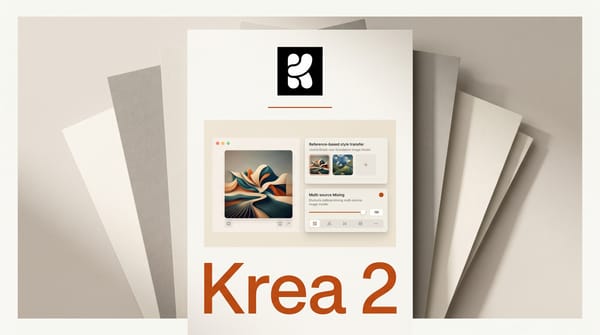
Krea launched its first foundation image model on May 12, 2026. Built from scratch for aesthetics and reference-based style transfer, with adjustable multi-source style mixing and a free tier.
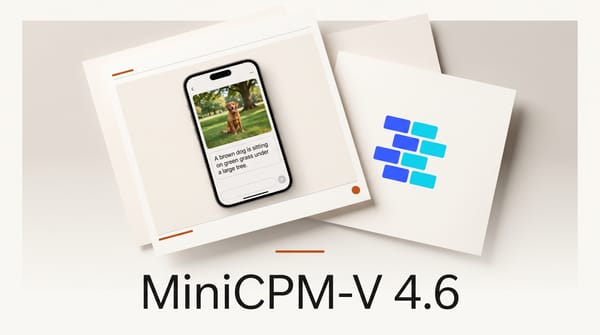
OpenBMB shipped MiniCPM-V 4.6, a 1.3B Apache 2.0 vision-language model that runs on iPhone, Android, and HarmonyOS and leads the sub-2B open-weights pack.
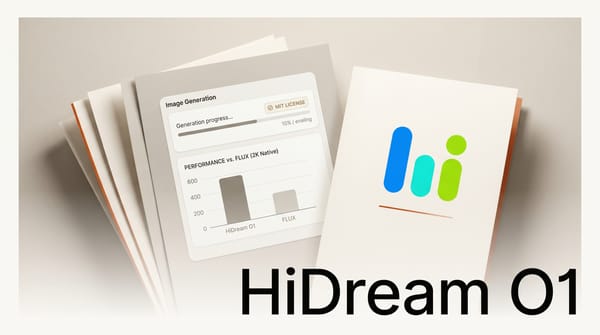
HiDream-O1-Image is an open-source 8B pixel transformer that beats FLUX.2 Dev at 2K resolution, with MIT license and ComfyUI support.
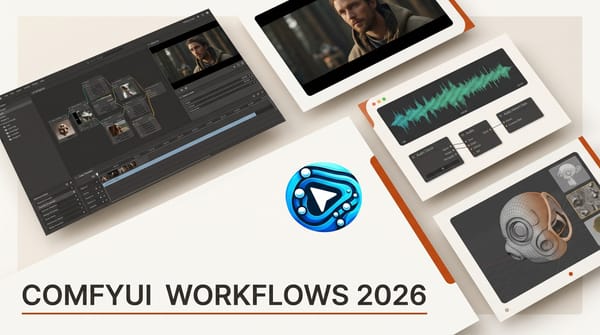
By mid-2026 ComfyUI hosts thousands of community workflows. Here are 12 that have crossed the production-quality threshold, with download links and the use case each one actually serves.
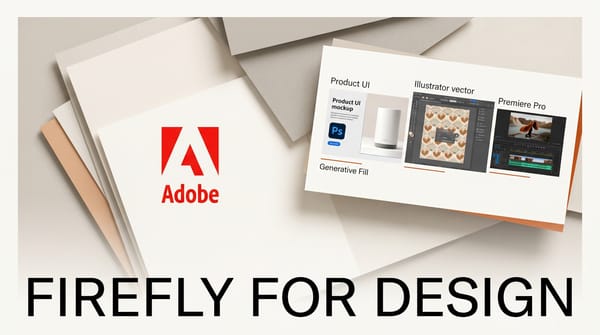
Adobe Firefly in 2026 is the most boringly reliable AI generator for working designers. Native Photoshop and Illustrator integration plus IP-cleared training data make it the safe pick for client work.

Midjourney v8 in 2026 is the highest aesthetic ceiling for brand-design imagery. Here is the working brand designer's complete guide to running Midjourney in production.
Luma's Uni-1.1 API hits 8 launch partners with a top-3 model, 9-reference generation, and native non-Latin script rendering at sub-half-price economics.
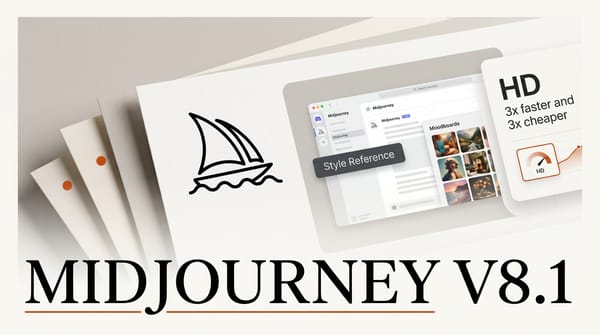
Midjourney V8.1 ships April 30, 2026 on Discord and the web with HD 3x faster and 3x cheaper, standard mode 50% faster, and stable style references and Moodboards.
Freepik officially rebranded as Magnific on April 28, 2026, hitting $230M ARR with no outside investment. Inside the model-agnostic aggregator bet, the no-collar economy, and what 1 million paying subscribers means for creative AI.
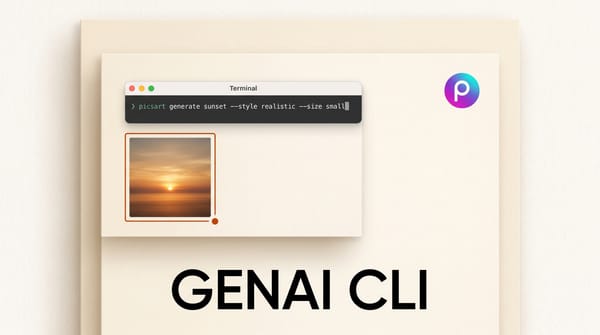
Picsart's GenAI CLI bundles 130+ image, video, and audio models with native MCP support, turning creative generation into an agent-callable surface.
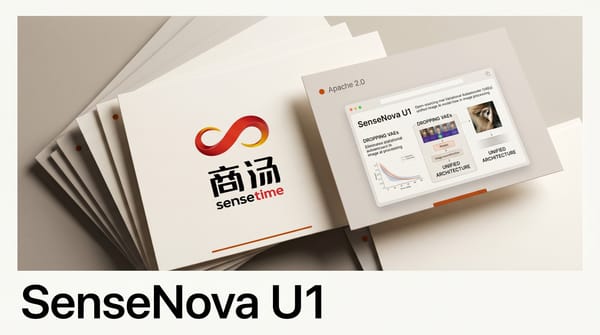
SenseTime open-sourced SenseNova U1 on April 28, 2026, releasing three model variants under Apache 2.0. The architecture drops VAEs entirely, unifying image generation and text reasoning in one space.
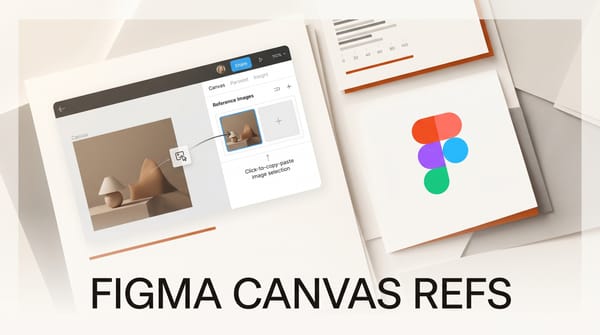
On April 28, Figma added multiple new ways for designers to supply reference images when using AI to generate or edit images inside Figma.
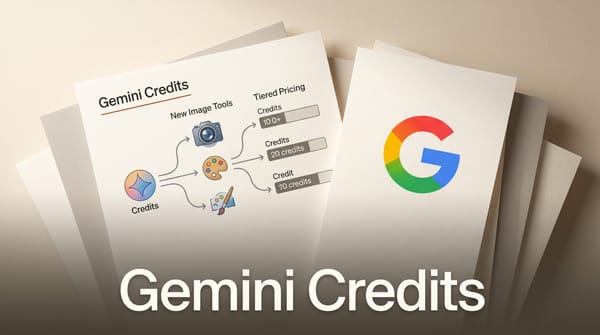
Google is testing a credit-based billing system for Gemini that replaces fixed prompt quotas, plus a new dedicated images section spotted in the Gemini web UI ahead of Google I/O.
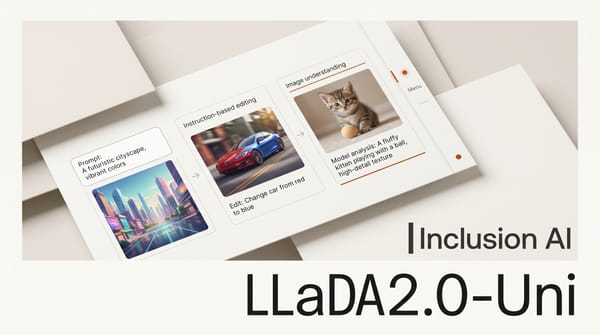
Inclusion AI released LLaDA2.0-Uni, a 16B MoE diffusion model that unifies text-to-image generation, instruction-based editing, and image understanding in one Apache-2.0 checkpoint.
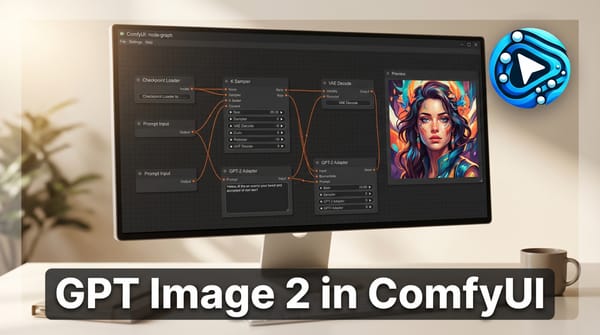
ComfyUI v0.19.4 adds OpenAI's GPT Image 2 as a Partner Node -- the first image model to reason before it generates, with pixel-stable editing and batch storyboarding.
OpenAI’s GPT Image 2, the company’s first reasoning-based image model, is now available inside ComfyUI through Partner Nodes -- bringing 2K output, precise text rendering, and 8-frame batch consistency to node-based workflows.
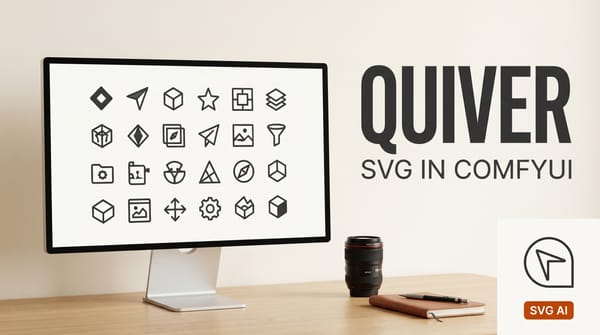
ComfyUI added Quiver Arrow 1.1 as a Partner Node on April 20, 2026, bringing structured SVG generation to open-source visual workflows for the first time.
OpenAI has quietly begun rolling out GPT-Image-2 to paid ChatGPT subscribers -- no announcement, no blog post, just a significantly more capable image model showing up in Plus and Pro accounts.
Google launched a native Gemini app for Mac on April 16, 2026, bringing image, video, and music generation directly to the desktop for the first time.
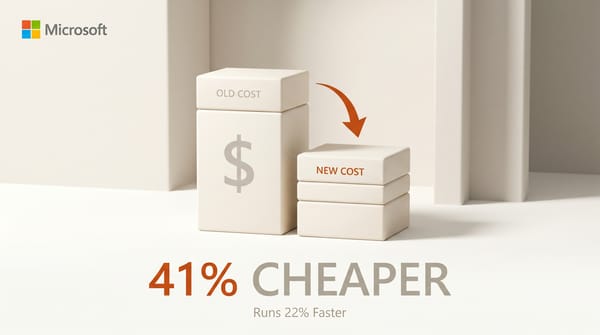
Microsoft launched MAI-Image-2-Efficient on April 14, 2026, a distilled variant of its flagship image model with 41 percent cheaper output tokens and 22 percent faster generation on H100 hardware.
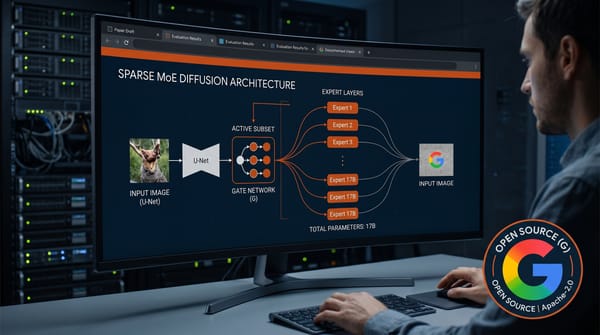
NucleusAI released Nucleus-Image on April 14, a 17-billion parameter diffusion model that activates only 2 billion parameters per image -- cutting compute without sacrificing quality.