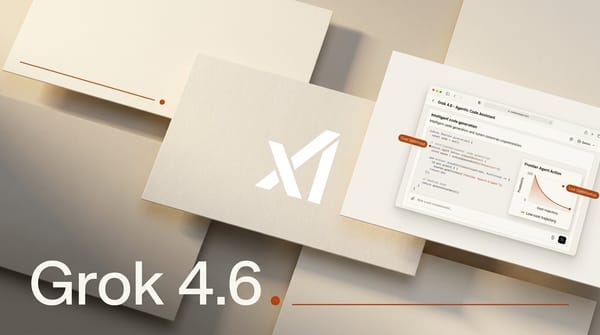
Grok 4.6: Frontier Agentic Coding at a Lower Cost
Grok 4.6 hits 61 on the Artificial Analysis Intelligence Index at $2/$6 pricing and finishes agent tasks in roughly half the turns of premium rivals. Full benchmarks and a creator workflow.
In-depth analysis and deep dives into the AI tools shaping creative work.
Grok 4.6 hits 61 on the Artificial Analysis Intelligence Index at $2/$6 pricing and finishes agent tasks in roughly half the turns of premium rivals. Full benchmarks and a creator workflow.
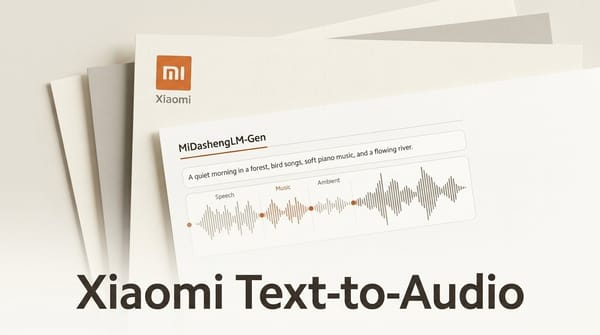
Xiaomi's MiDashengLM-Gen is an open-weights 3B model that generates speech, music, and sound effects together from a single text prompt. Here is what it does and how to run it.
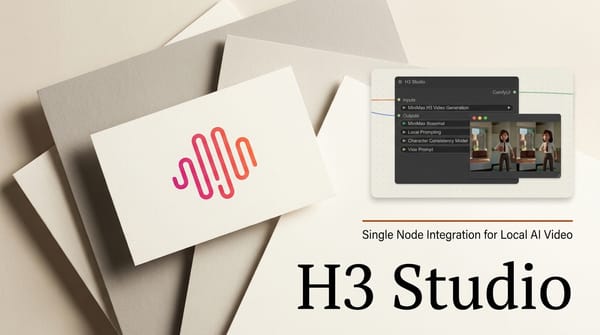
MiniMax H3 gave open-weights creators a 15-second 2K omni-modal video model. H3 Studio collapses the whole ComfyUI pipeline into a single node and a single page, with a local prompt LLM and automatic character consistency.
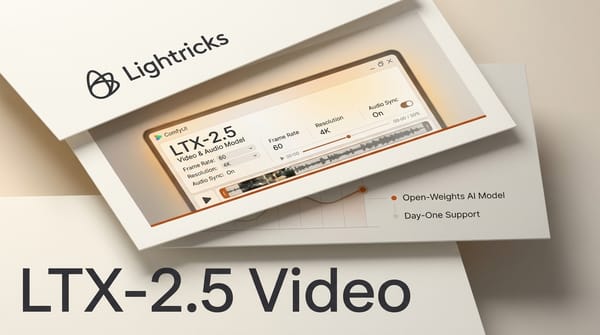
Lightricks released LTX-2.5 on August 11, 2026: open-weights video with synchronized audio, native multishot generation, and day-one ComfyUI support.
OpenAI launched a ChatGPT desktop app for Linux on August 11, 2026, bringing ChatGPT, Work, and the Codex coding agent to Ubuntu, Debian, and Fedora.
xAI launched Grok Bot, a beta team of always-on AI agents that each get their own cloud computer and sign into your apps to complete multi-step tasks.
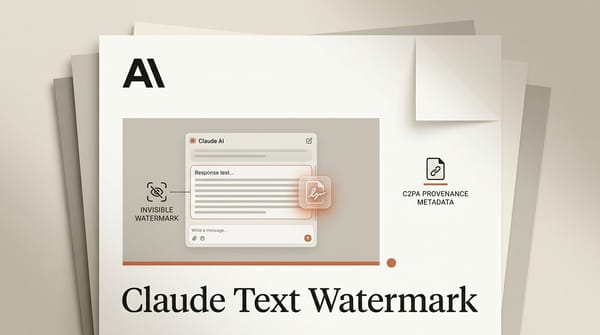
On August 11, 2026, Anthropic began embedding invisible watermarks in all Claude text and C2PA provenance metadata in files to meet the EU AI Act. Here is what it means for creators.

Removing a background from video used to mean a green screen and hours of rotoscoping. In 2026 you can pull a clean cutout from ordinary footage in minutes, no green screen, using AI segmentation that runs locally or in a browser.
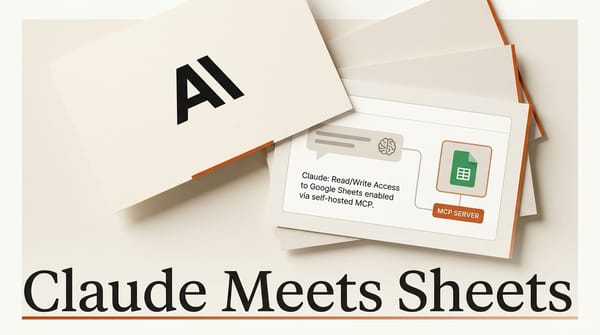
A new open-source project, gsheets-mcp, gives Claude direct read and write access to your Google Sheets through a small, self-hosted server. Here is how it works, how the 2026 field compares, and how to set it up safely.
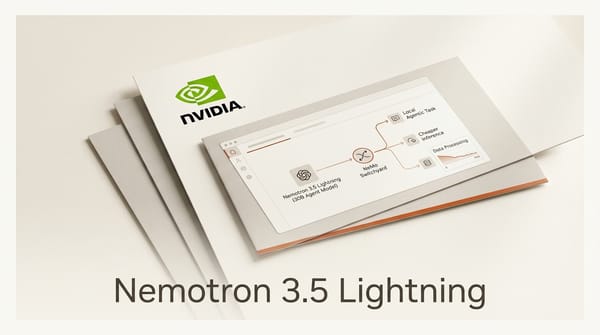
NVIDIA released Nemotron 3.5 Lightning, a 30B open-weights MoE model for always-on agents, alongside NeMo Switchyard, an open-source router that cuts agent cost by escalating only the hard steps to a frontier model.
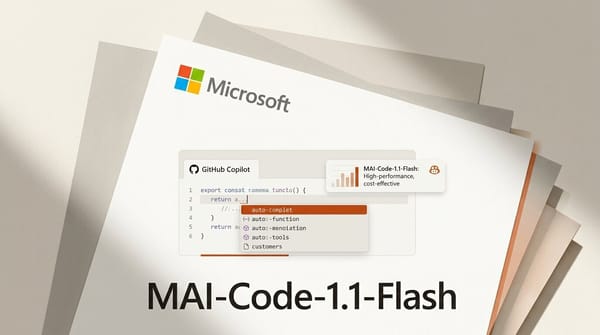
Microsoft shipped MAI-Code-1.1-Flash on August 11, 2026, a small coding model now in GitHub Copilot at a quarter of the cost of the June release, with native vision and a 22 percent Terminal-Bench gain.
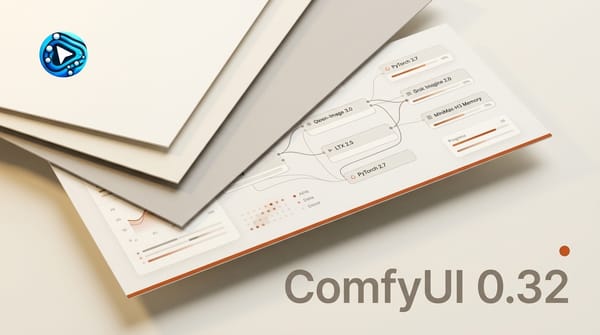
ComfyUI v0.32.0 bundles Qwen-Image 3.0 Pro, LTX 2.5, and Grok Imagine 2.0 nodes, optimizes MiniMax-H3 memory, and raises the minimum to PyTorch 2.7. Here is how to upgrade safely.
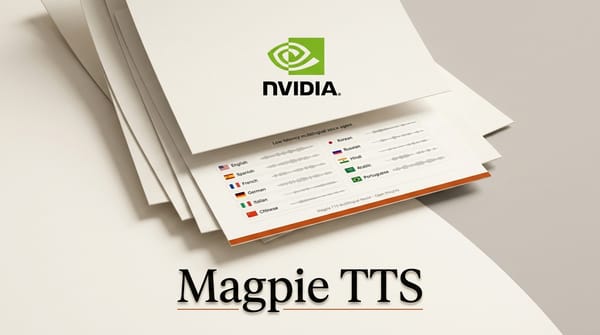
NVIDIA released Magpie TTS Multilingual, an open-weights text-to-speech model that speaks 12 languages and hits a 32ms time-to-first-audio, small enough to self-host inside a live voice agent.
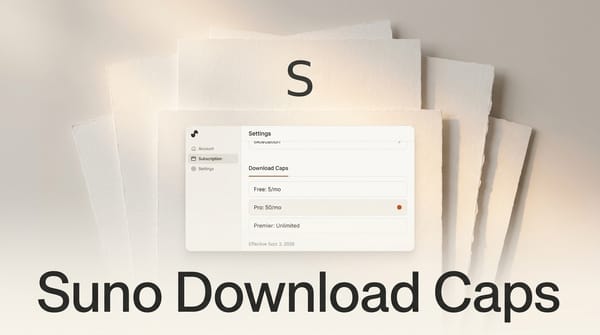
Starting September 3, 2026, Suno caps song downloads by tier: 7 lifetime free, 20/mo Pro, 60/mo Premier, unlimited in Studio. The caps apply retroactively to songs you already made.
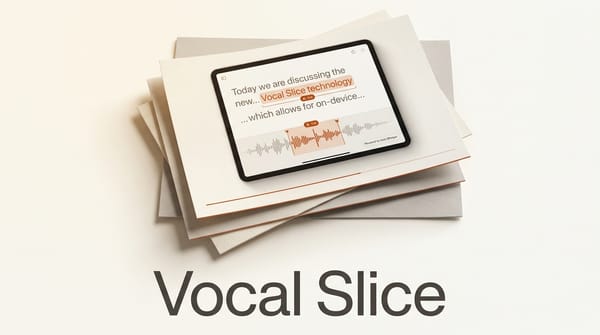
Vocal Slice cuts audio by selecting words in a transcript, running Whisper locally so your recordings never leave your device.
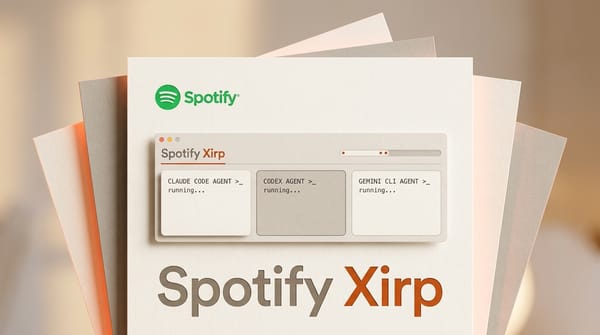
Spotify opened Xirp, a vendor-neutral manager that runs Claude Code, Codex, and Gemini CLI in parallel Git worktrees, to public beta. Here is how it compares to Conductor and Vibe Kanban.
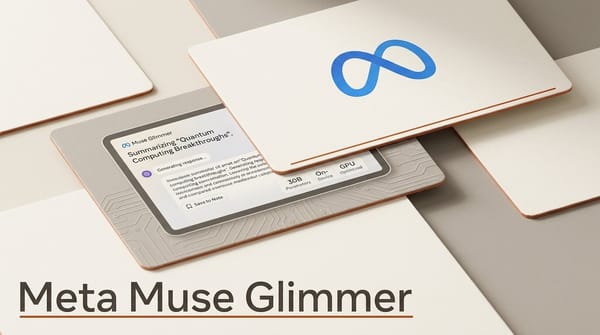
Meta released Muse Glimmer, a 30-billion-parameter open-weights agentic model built to run on a single consumer GPU. Announced August 10, 2026 under Apache 2.0, it is distilled from Muse Spark and ships on Hugging Face.
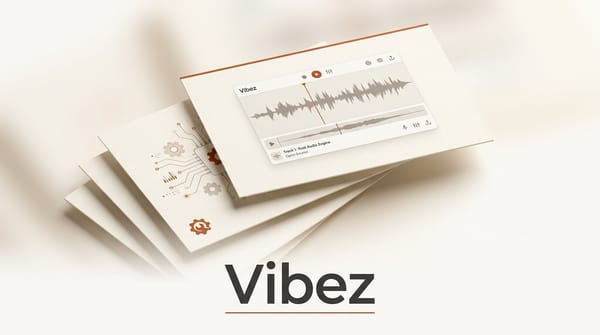
Vibez is a new open-source DAW written in pure Rust, launched August 9, 2026 for Linux, macOS, and Windows, pairing clip launching with a timeline plus VST3 and CLAP plugin support.
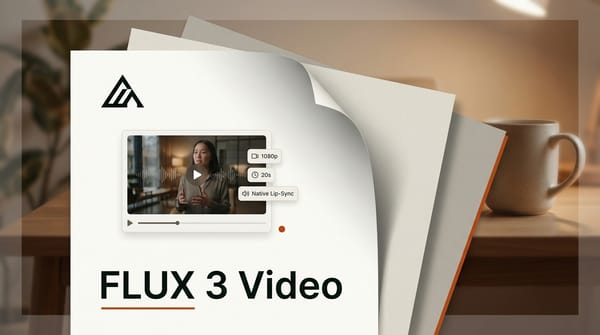
Black Forest Labs made FLUX 3 Video generally available on August 4, 2026: up to 20-second clips at 1080p with native, lip-synced audio in 12+ languages via the BFL API.
Cloudflare has released Cloudflare OS, an open-source platform for building and running AI agents and full-stack apps, available today on GitHub and deployable into your own Cloudflare account in minutes.
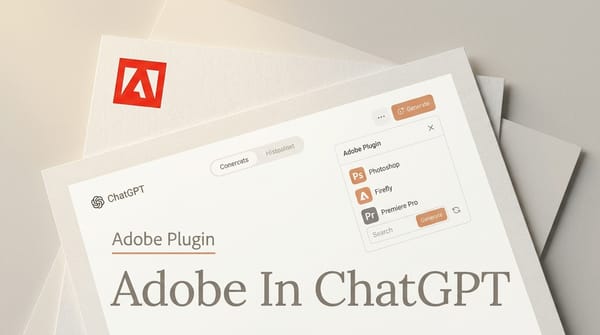
Adobe put more than 70 of its creative and productivity tools directly inside ChatGPT, from Photoshop and Firefly to Premiere and Acrobat.
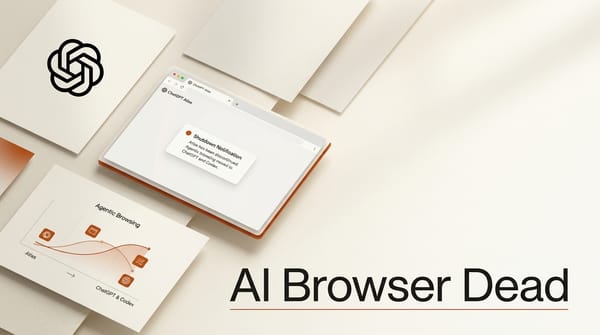
OpenAI killed the ChatGPT Atlas browser after eight months. Here is why the standalone AI browser thesis is failing, and what creators should do now.
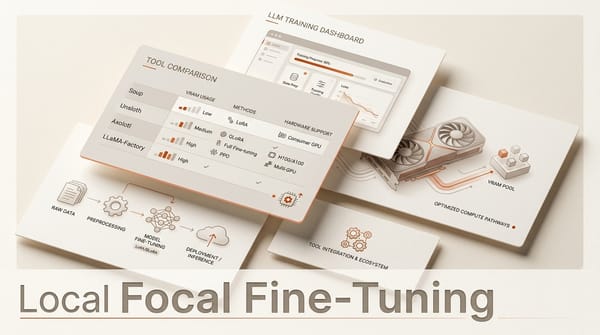
Which local fine-tuning tool should you install? Soup, Unsloth, Axolotl, and LLaMA-Factory compared on the constraints that actually decide it.
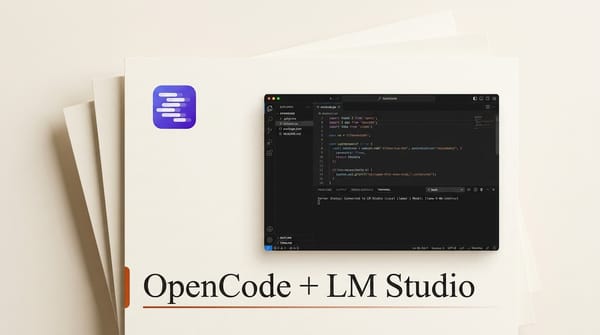
OpenCode speaks the OpenAI-compatible API, so you can point it at a model running on your own machine. Here is the full local setup with LM Studio.