Google Redesigns Search Box for First Time in 25 Years
Google announced the biggest redesign to its search box in over 25 years at I/O 2026, adding AI Mode on Gemini 3.5 Flash, information agents, and generative mini apps for 1 billion users.
Google announced the biggest redesign to its search box in over 25 years at I/O 2026, adding AI Mode on Gemini 3.5 Flash, information agents, and generative mini apps for 1 billion users.
Google unveiled its first Android XR audio glasses at Google I/O 2026, featuring Gentle Monster and Warby Parker designs, Gemini AI, and iPhone support launching fall 2026.
Gemini CLI stops serving Pro and Ultra subscribers on June 18, 2026. This tutorial walks through the full migration to Antigravity CLI in 30 minutes, including install, parity testing, async background agents, and how to keep CI pipelines from breaking.
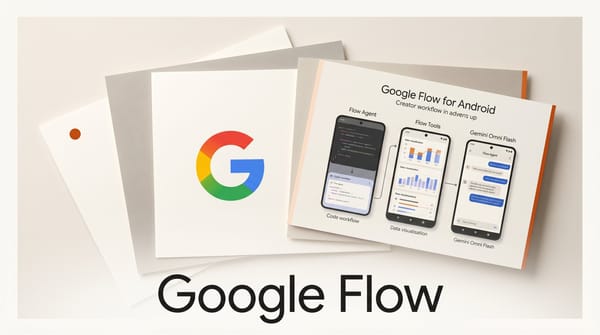
Google launched Flow for Android in beta at I/O 2026, alongside Flow Agent, Flow Tools, and Gemini Omni Flash updates for video and music creators.
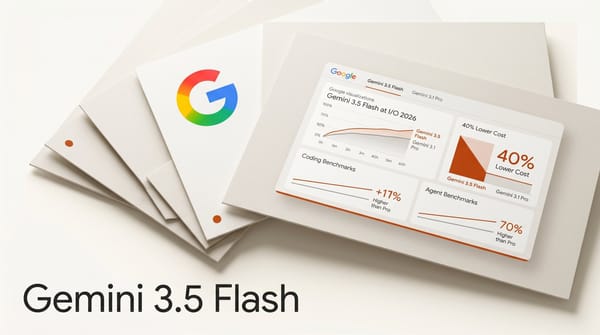
Google launched Gemini 3.5 Flash at I/O 2026, a Flash-tier model that beats 3.1 Pro on coding and agent benchmarks at 40 percent lower cost.
Live coverage of every Gemini, Veo 4, Imagen 4, Lyria 3, and Project Astra reveal from Google I/O 2026, with the workflow each unlocks for creators.
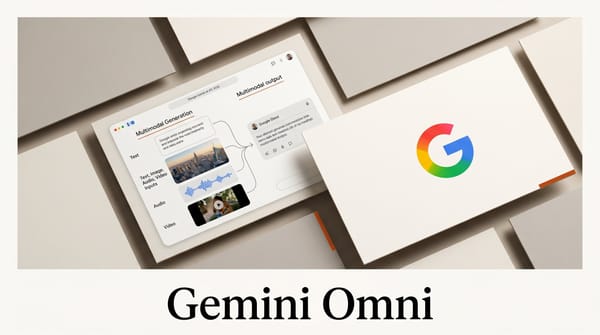
Google introduced Gemini Omni at I/O 2026, a multimodal model that accepts text, images, audio, and video in any combination and produces or edits video through conversational prompts. Omni Flash is the first public release.
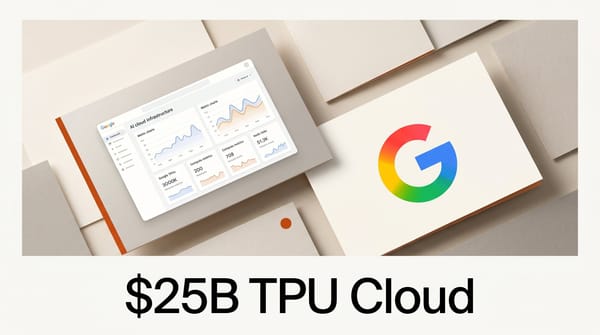
Google and Blackstone have announced a $25 billion joint venture to create a standalone AI cloud company powered by Google TPU chips, with 500 MW capacity targeted for 2027.
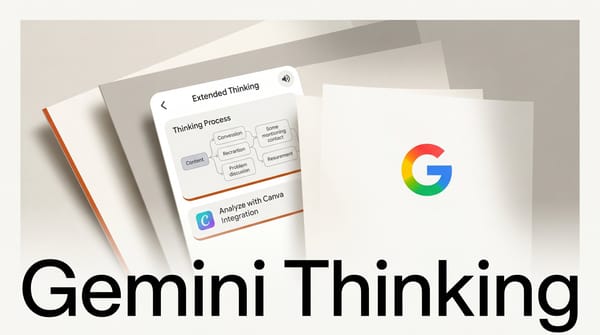
Google's Gemini app is rolling out a new Thinking level option that lets users choose between Standard and Extended reasoning modes. Canva is also joining as a third-party integration.
Google confirmed Gemini Spark BETA in testing ahead of Google I/O 2026. Always-on inbox triage, background task automation, and key privacy tradeoffs for creators.
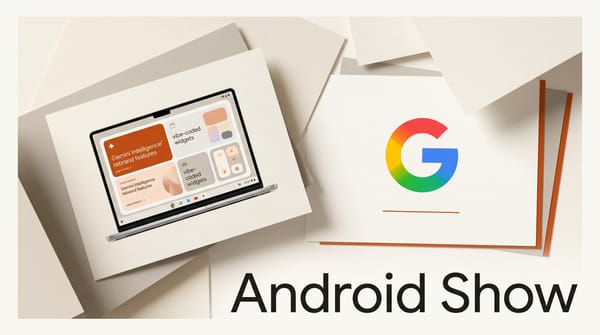
Google's Android Show I/O Edition on May 12 unveiled three creator-relevant launches: Googlebook laptops shipping fall 2026, the Gemini Intelligence rebrand across every Android surface, and Create My Widget for vibe-coding home-screen dashboards in plain English.
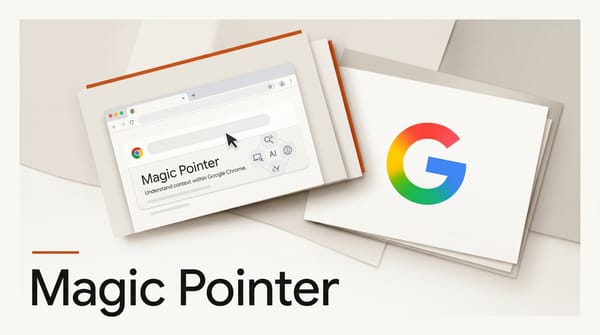
How to use Google DeepMind Magic Pointer in Chrome and AI Studio. Five step-by-step workflows: enable in Chrome, edit images by pointing, navigate maps, rewrite Google Docs paragraphs, compare products, and where it fits versus Anthropic Computer Use, TML-Interaction, and Codex Chrome.
Google I/O 2026 keynote lands May 19 at 10am PT. Veo 4, Gemini 4, Project Astra, and the Gemini Omni model: here is what creators should watch.
Gemini in 2026 is Google's all-of-Workspace creative system. Here is the working creator's complete guide -- which features ship, where Gemini wins, and where the gaps are.
Google partners with Believe and TuneCore to route Flow Music, its Lyria 3 Pro song studio, to indie artists. Ambassador program meets Google's product team weekly.
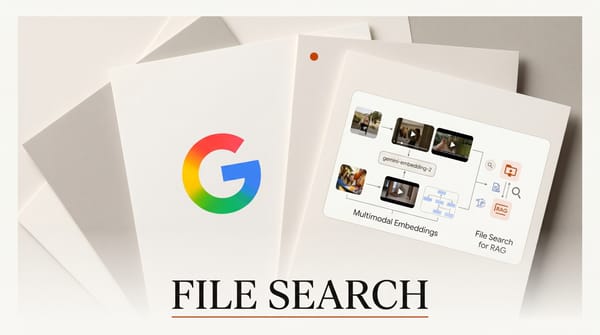
Gemini File Search now indexes images natively via gemini-embedding-2. Step-by-step multimodal RAG workflow tutorial: when to use it, how to set it up, pricing math, and how it compares to Pinecone and Weaviate for visual retrieval.
Google rolled out persistent instruction support for Gemini in Google Docs on May 5, 2026, letting users set standing tone, style, and format directives that apply automatically across every session.
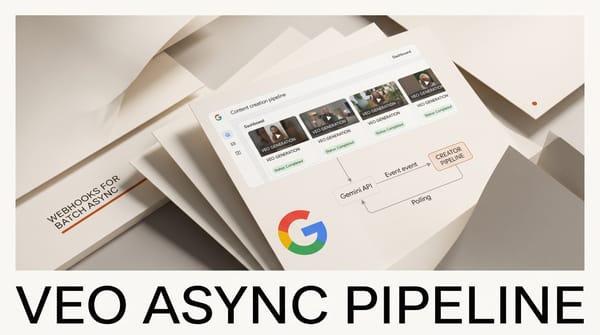
Gemini API webhooks let you build async Veo video pipelines without polling. Step-by-step workflow tutorial for video creators automating long-running batch jobs in 2026.
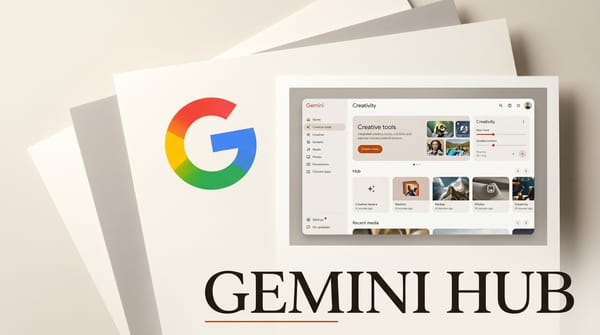
Google's Gemini app is rolling out a major redesign that brings images, video, music, and canvas generation together in a single unified tools panel, already live for Mac users.
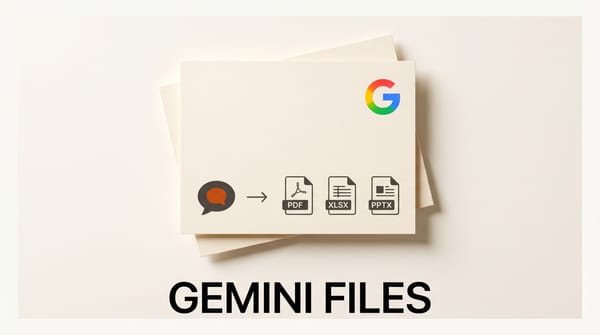
Google's Gemini app can now create PDFs, Microsoft Word, Excel, Google Docs, Sheets, Slides, LaTeX and more directly inside the chat. Available globally to all Gemini users starting April 29, 2026.

Google launched Ask YouTube on April 28, 2026, a conversational search beta that replaces keyword queries with natural-language questions and returns a mix of videos, Shorts, and AI summaries.
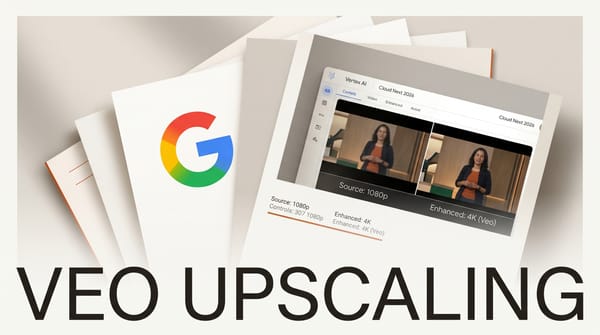
Google added a standalone Veo upscaling capability to Vertex AI on April 23, alongside the enterprise rollout of Veo 3.1 Lite. The new tool sharpens any video to 1080p or 4K, regardless of whether the source was generated by Veo, another AI model, or a traditional.
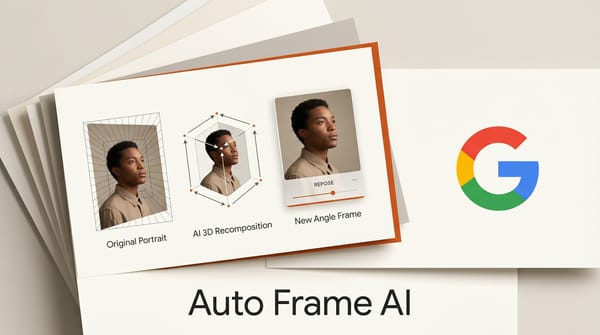
Google Photos Auto Frame now uses AI to re-angle portrait photos after the fact, correcting wide-angle distortion and generating missing background areas using diffusion models.

Google launched Flow Music on April 18, 2026, rebranding ProducerAI into a standalone AI music studio powered by Lyria 3. Create full songs, AI music videos with Veo, and remix tracks with new Replace and Extend features -- free at flowmusic.app.