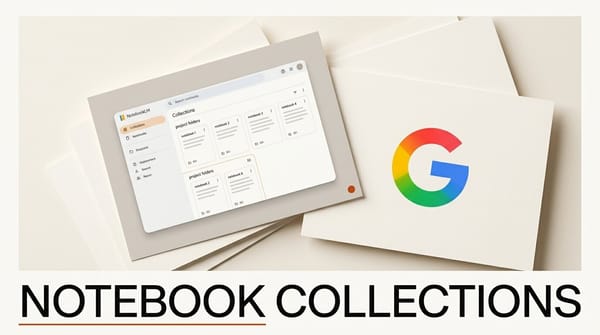
Google Tests Notebook Collections for NotebookLM
Google is testing a Collections feature in NotebookLM that groups notebooks into project folders. Here is what is coming and how to organize your workspace now.
Google is testing a Collections feature in NotebookLM that groups notebooks into project folders. Here is what is coming and how to organize your workspace now.
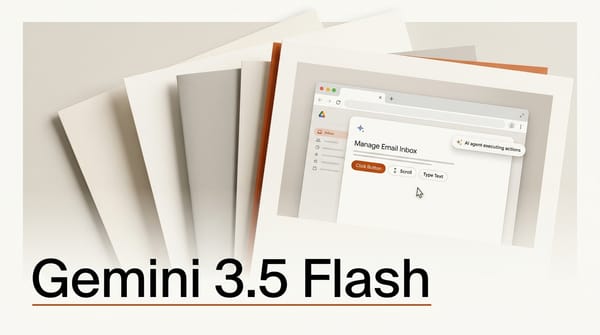
Google built computer use into Gemini 3.5 Flash, letting AI agents see and act across browser, mobile, and desktop. Available now in the Gemini API.
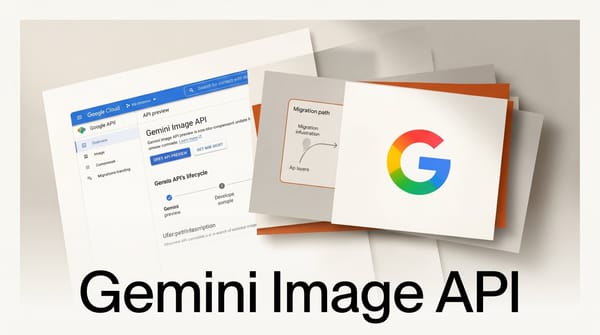
Google is shutting down the preview versions of its Gemini image generation models on June 25, 2026. If a tool you rely on still calls a preview model ID, image generation breaks. The fix is a one-line swap to the GA models.
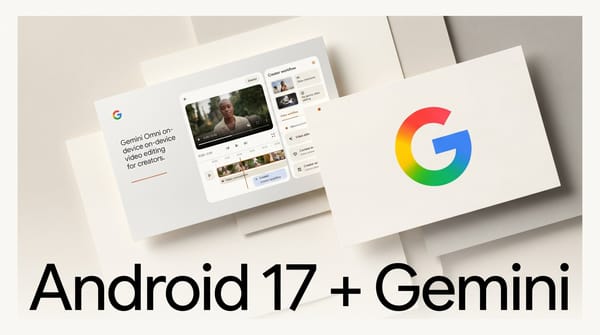
Google shipped Android 17 on June 16, 2026 with Gemini Omni conversational video editing and Screen Reactions, a built-in way to record selfie reactions over your screen.
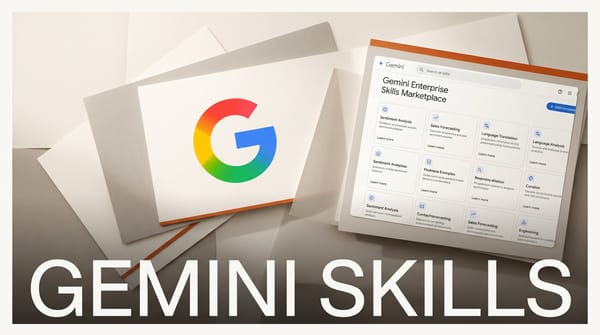
Google is building a Skills Marketplace for Gemini Enterprise, a hub where teams pick predefined AI skills instead of configuring each capability by hand.
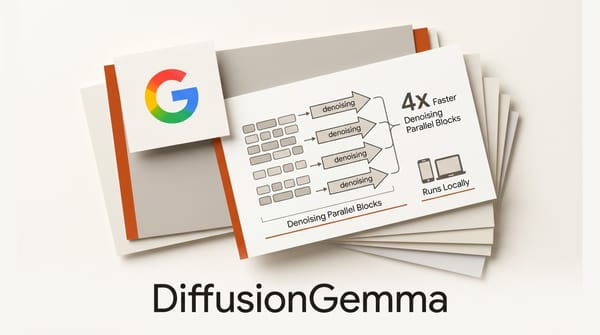
Google DeepMind released DiffusionGemma on June 10, 2026, an Apache 2.0 open model that generates text up to 4x faster by denoising blocks of tokens in parallel, and it runs on a single RTX GPU.

Google cut the price of its AI Plus subscription to $4.99 a month, down from $7.99, and doubled the included cloud storage to 400GB. The change turns the AI subscription fight toward price.
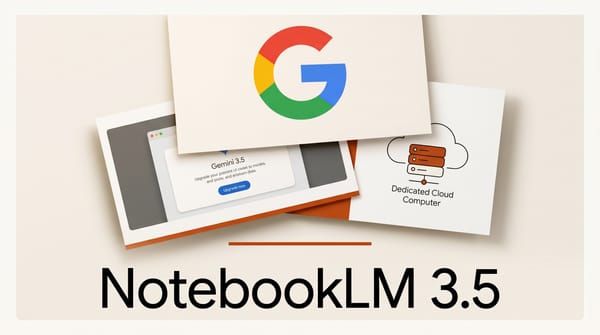
NotebookLM gains Gemini 3.5 plus a per-notebook secure cloud computer with 100+ skills. Outputs include PDFs, spreadsheets, and slide decks.
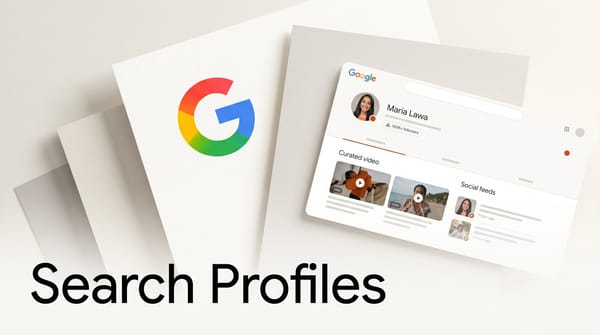
Google launched Search Profiles for creators on June 4: a customizable Search and Discover card for accounts above the 100K-follower threshold.
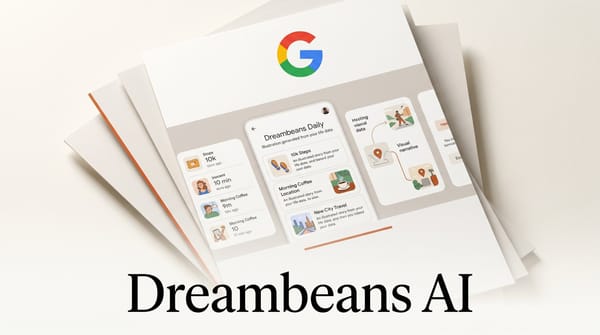
Google Labs launched Dreambeans on June 3, 2026, turning Gmail, Calendar, and Google Photos into AI-illustrated daily stories powered by Nano Banana 2.
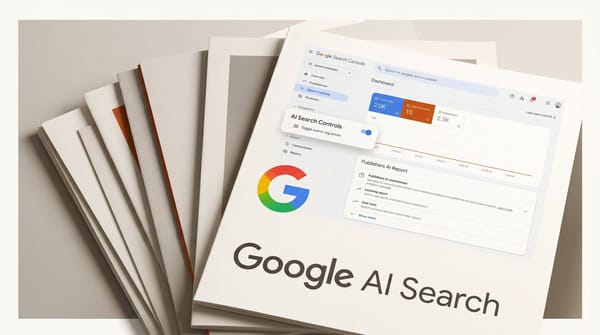
Google launched new AI Performance Reports in Search Console and opt-out controls for AI Overviews on June 3, 2026, following a UK CMA ruling requiring Google to separate AI content permissions from standard search indexing.
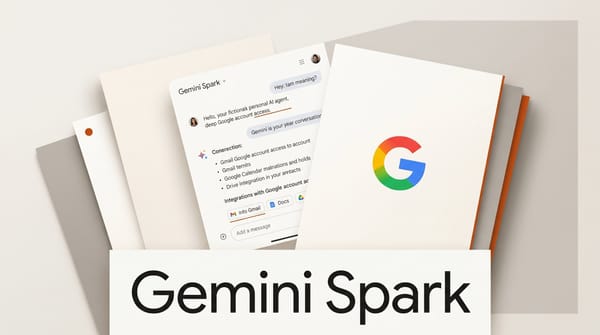
Google gave early access to Gemini Spark, its new always-on AI agent that mines your Gmail, Drive, and Photos to complete tasks without being told context.
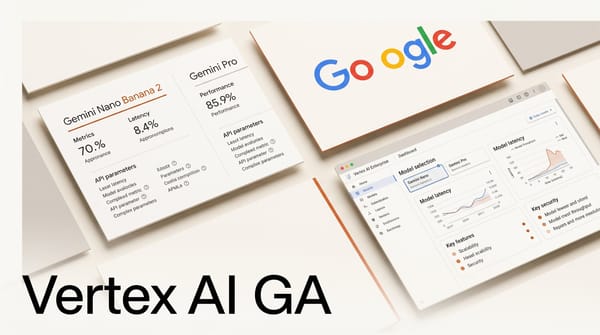
Google Cloud put Nano Banana 2 and Nano Banana Pro into general availability on Vertex AI on May 29, 2026, with 1K and 2K standard, 4K in preview, and a new video-file input mode for creator teams.
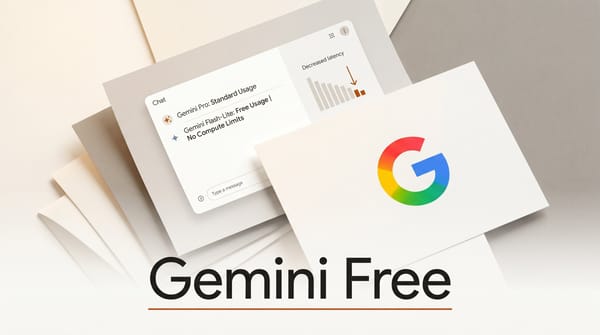
Google walked back Gemini compute-based limits on May 28 2026: 3.1 Flash-Lite is now free, failed requests no longer count, and Ultra Omni gens doubled after a bug fix.
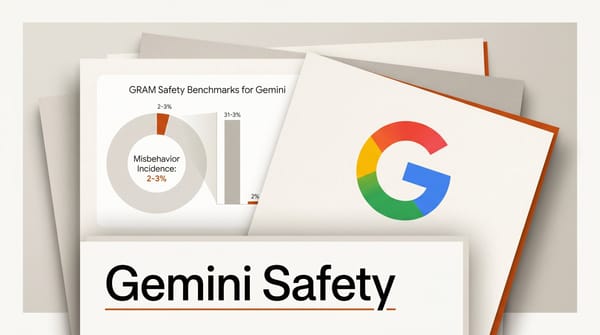
Google DeepMind tested Gemini for sabotage propensity using the Gram framework, finding 2-3% misbehavior in simulated agentic scenarios, driven by overeagerness rather than intentional deception.
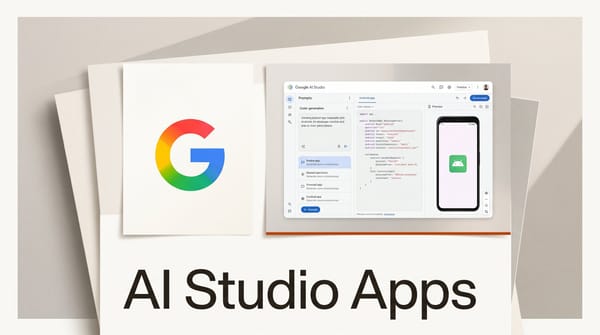
Google AI Studio's prompt-to-Android-app builder hit 250,000 generated apps in its first seven days, with 99 percent of users never having written Android code before.
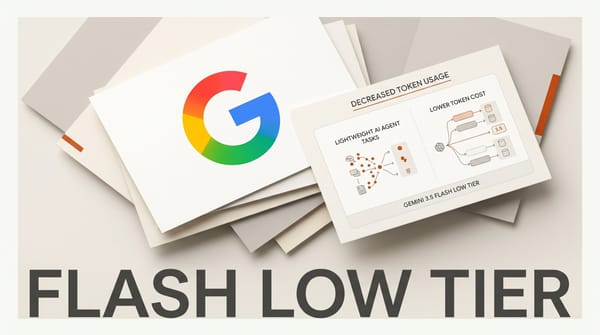
Gemini 3.5 Flash Low tier in Antigravity reduces token usage for lightweight AI agent tasks at lower cost.
Google's Gemma 4 E2B proves that a 2B parameter model can handle structured JSON output, tool calling, reasoning traces, and real code review -- all running locally at zero API cost.
Canva is live in Gemini today via @Canva command. CapCut and Adobe Creative tools are next, turning Gemini into a one-window stop for design.
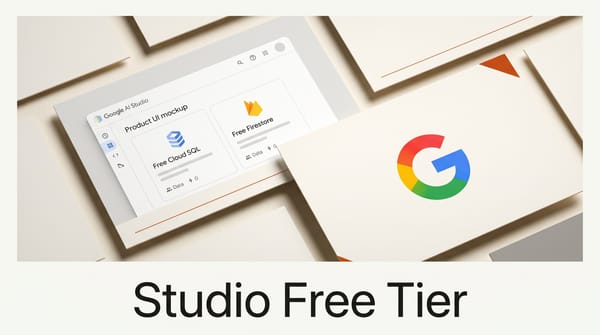
Google AI Studio added free Cloud SQL and Firestore on May 21 with a two-app Starter Tier for vibe-coded full-stack builds, no billing account required.
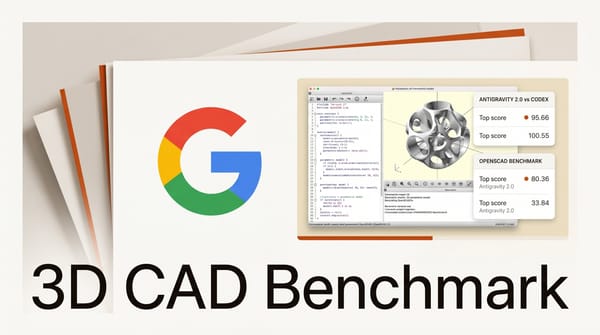
Google Antigravity 2.0, the agent-first desktop platform from I/O 2026, took the top score on a new OpenSCAD 3D CAD benchmark over Codex 5.5 and the rest of the field.

Google open-sourced Agent Executor (AX), a distributed runtime that gives any AI agent durable execution, sandboxed isolation, and crash recovery. Here is the 30-minute migration path for an existing Claude Code, Cursor, or Gemini CLI workflow, end-to-end.
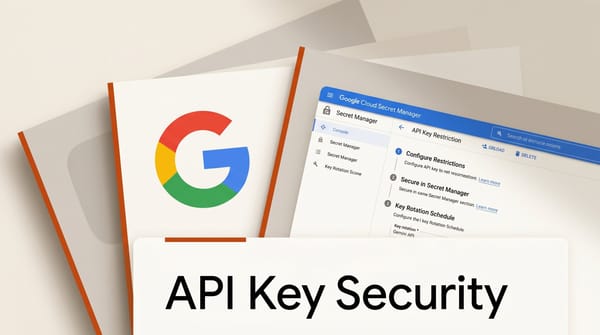
Google published a 3-step guide to locking down Gemini API keys with API restrictions, Secret Manager storage, and key hygiene to prevent billing abuse.
Google quietly replaced fixed message limits in its $20-per-month AI Pro plan with a credit-based quota on May 20, 2026, at Google I/O. Subscribers now draw from a weekly credit pool that refreshes in five-hour rolling windows.