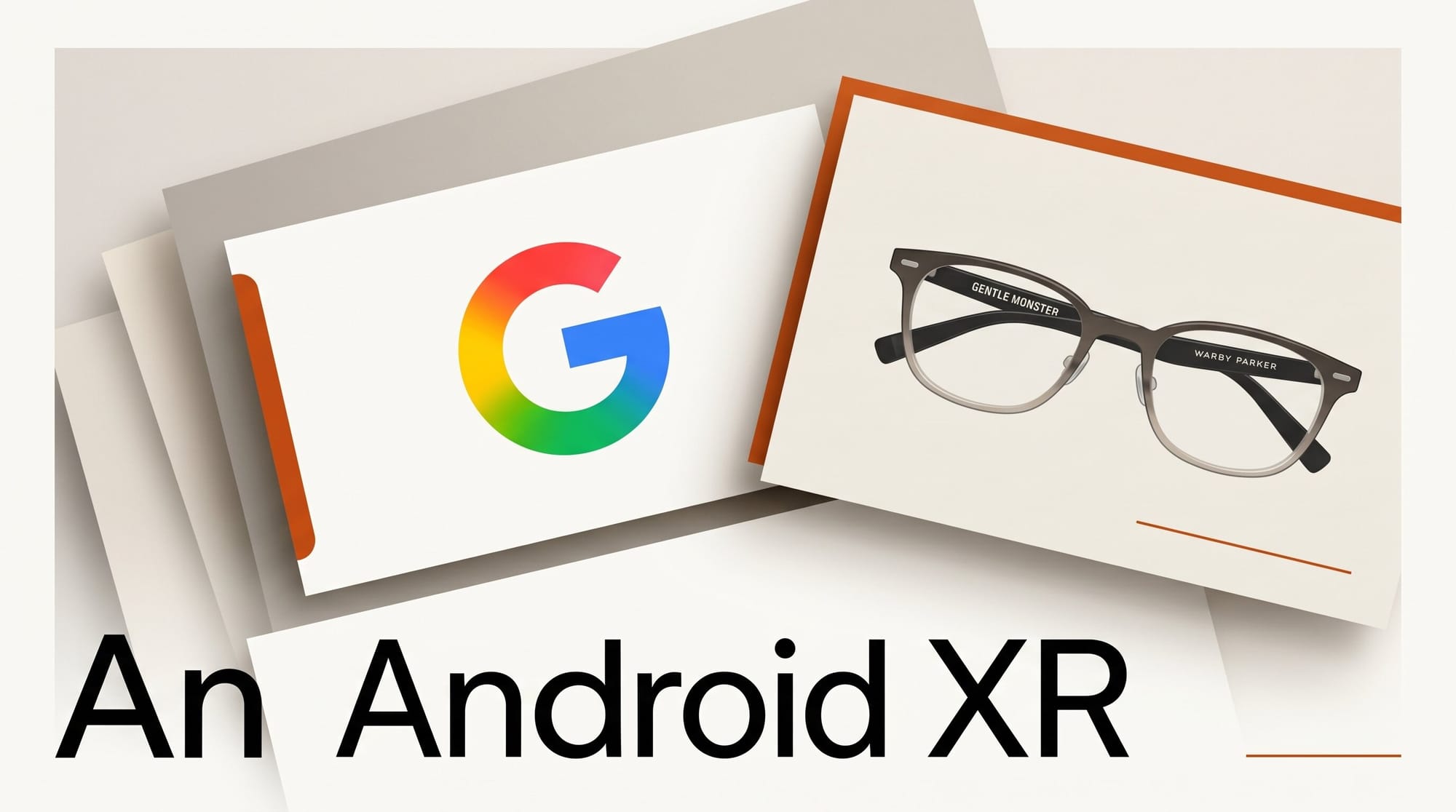
Google unveiled its first Android XR audio glasses at Google I/O 2026 on May 19, featuring design collaborations with Gentle Monster and Warby Parker, Gemini AI built in, and a fall 2026 launch window. The glasses are manufactured by Samsung on a Qualcomm chip and support both Android phones and iPhones from day one.
What Happened
At Google I/O 2026, Google announced its entry into the AI glasses market with Android XR audio glasses: screenless wearables that use built-in cameras, microphones, and speakers to give you hands-free access to Gemini AI. Unlike AR glasses that overlay digital content on the real world, these are audio-only with no display, just persistent AI assistance through your ears. The announcement was covered by TechCrunch, which noted the clear parallel to Meta's smart glasses strategy.
Two Design Partners, Two Audiences
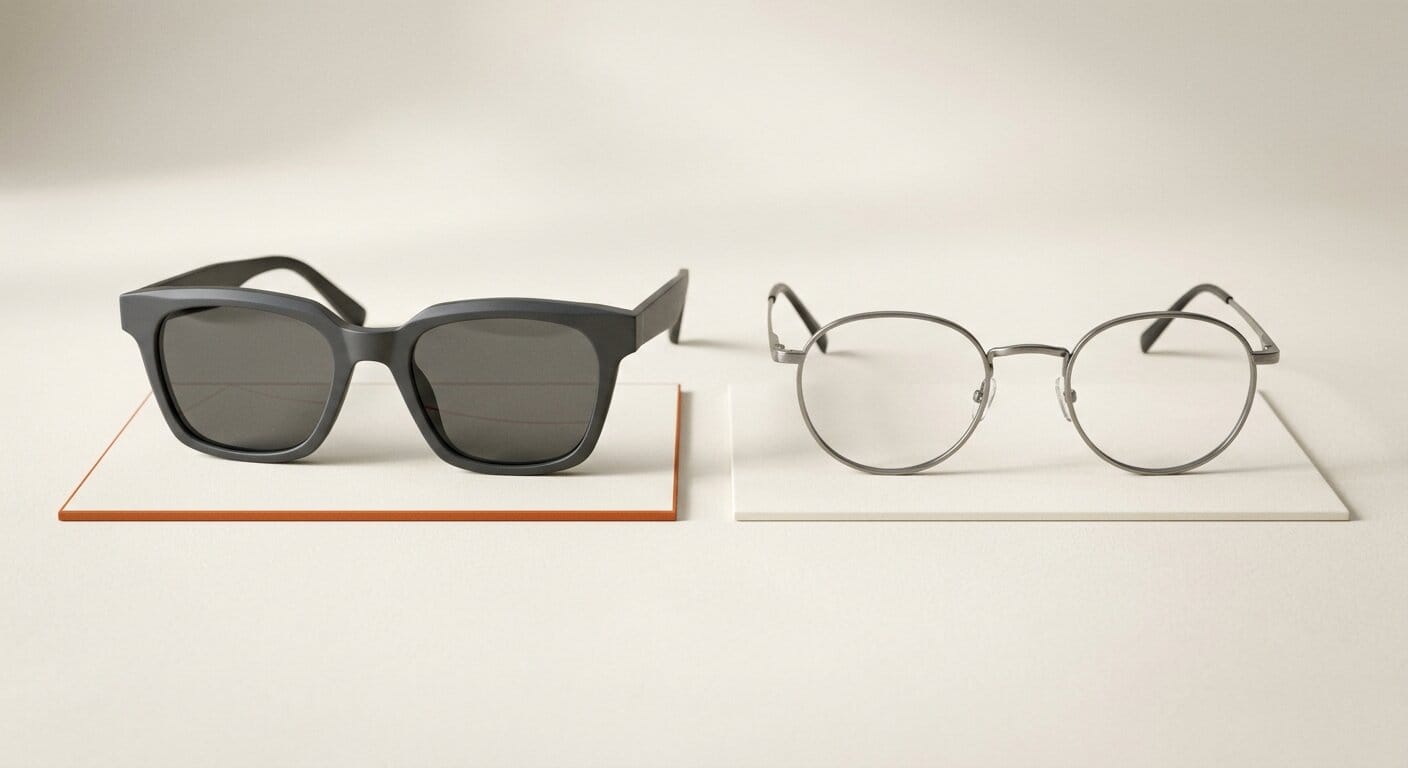
Google partnered with two fashion eyewear brands for distinct aesthetics. Gentle Monster brings "disruptive yet refined aesthetics": the Korean luxury brand known for bold, architectural frames popular with the fashion-forward crowd. Warby Parker delivers "refined and timeless designs": a more approachable everyday look for people who want smart glasses that don't look like smart glasses.
This dual-brand approach mirrors how Meta partnered with Ray-Ban for its smart glasses line. The bet is the same: people won't wear tech on their face unless it looks like something they'd already choose to wear. Two brand identities at launch means Google covers both ends of the fashion spectrum simultaneously.
Hardware and Gemini Integration
Samsung manufactures the glasses on a Qualcomm chip. Cameras and microphones serve as Gemini's eyes and ears. You interact by tapping the side of the frame or saying "Hey Google." Output comes through over-ear speakers for private audio.
Gemini's capabilities in the glasses go well beyond basic voice commands:
- Turn-by-turn navigation with real-time route customization based on what you say
- Hands-free calls, texts, and message summaries
- Visual queries about your surroundings ("What building is that?")
- Real-time speech and text translation
- Multi-step task automation (ordering Doordash, booking Uber, language lessons via Mondly)
- Photo and video capture with Gemini Omni-powered editing
The Gemini Omni integration for captured content is notable for creators: you can record something through the glasses and apply AI editing without touching your phone.
Android XR vs Meta Ray-Ban: Feature Comparison
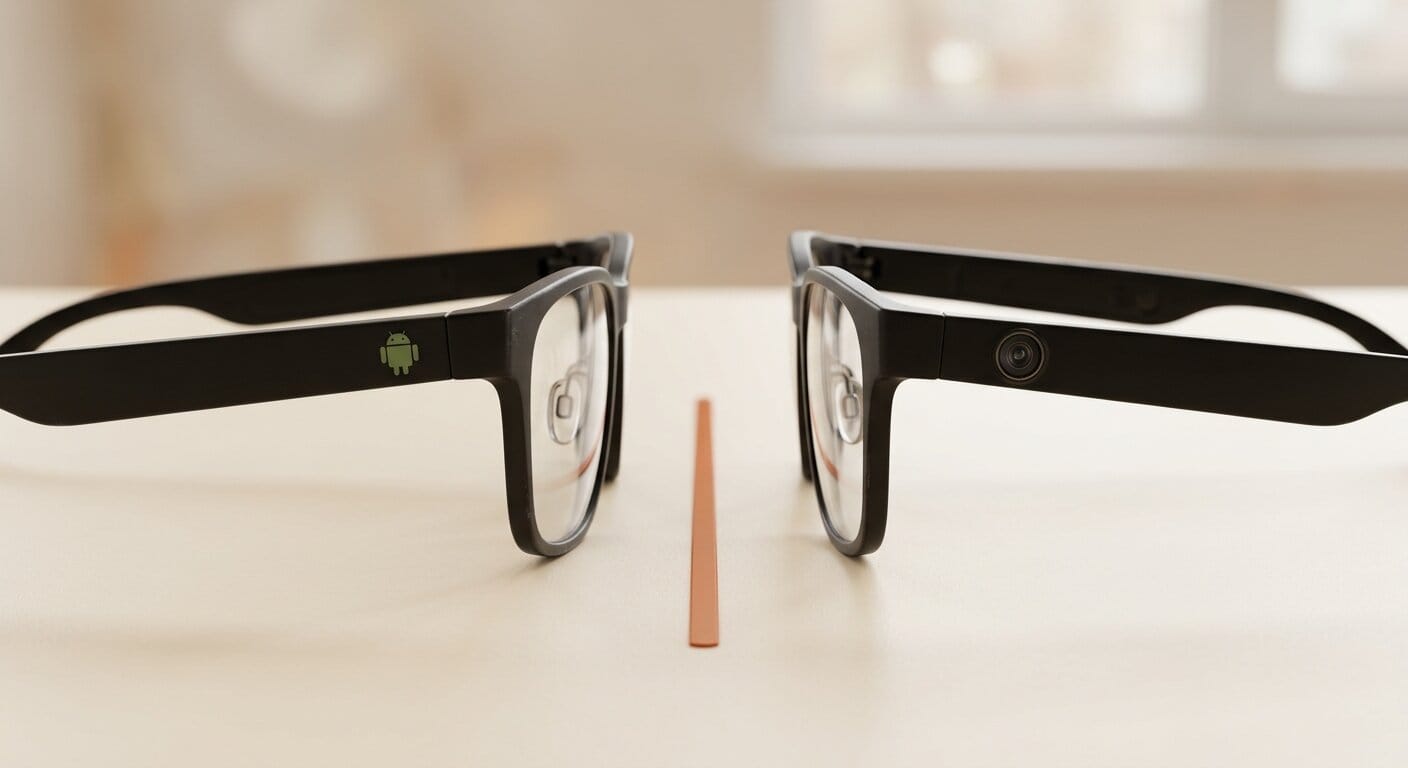
| Feature | Android XR Audio Glasses | Meta Ray-Ban Smart Glasses |
|---|---|---|
| AI assistant | Gemini (Google) | Meta AI |
| Display | Audio-only (no screen) | Audio-only (no screen) |
| Manufacturer | Samsung (Qualcomm chip) | EssilorLuxottica |
| Design partners | Gentle Monster, Warby Parker | Ray-Ban |
| Camera | Yes (photo and video capture) | Yes (12MP, 1080p video) |
| Phone compatibility | Android and iPhone | iOS and Android |
| Availability | Fall 2026 | Available now |
| Price | Not announced | From $299 |
Why iPhone Support Matters
Google building in iPhone support from launch is a significant strategic move. Neither Google nor Meta can afford to limit AI glasses to their own platform ecosystem at this stage of the market. The iPhone holds roughly 50% of the US smartphone market. For creators who shoot on iPhone, Android XR glasses won't force a phone switch to access Gemini hardware.
Creator Workflow: 5 Ways to Use Android XR Glasses
For creators who shoot, narrate, or move between locations while working, hands-free AI access changes the workflow. Here's how to integrate Android XR glasses once they launch:
- Location scouting with AI commentary. Walk a location and ask Gemini to identify architecture styles, lighting conditions, or potential copyright issues with buildings in the frame. Get answers through your earpiece without breaking stride.
- Real-time translation during interviews. Activate live speech and text translation for multilingual shoots or international interviews. Gemini processes audio as you hear it, feeding translated text or audio directly back to you.
- Hands-free B-roll capture. Trigger video recording by voice while keeping both hands free. Review and edit captured footage via Gemini Omni on your phone without stopping production.
- Remote task automation on set. Order catering, book transport, or schedule follow-up messages through multi-step voice commands while staying focused on creative work. Integrations with Doordash, Uber, and Mondly are confirmed at launch.
- Navigation without looking at your phone. Turn-by-turn audio directions keep you present during street photography, run-and-gun documentary work, or any shoot where breaking visual focus costs you the moment.
What This Means for AI Wearables
Two major tech companies, Google and Meta, now have AI glasses products built around the same core idea: fashion-forward hardware that uses voice and camera input to put AI in your ear. The market is moving from novelty to commodity faster than expected. The key battleground is AI capability, not hardware specs, since both products use cameras and speakers. Google's Gemini versus Meta AI is the product comparison that matters.
The Android XR platform also extends to full AR headsets. The XREAL Project Aura glasses, also announced at I/O 2026, represent the next tier with full AR overlays. The audio glasses are Android XR's entry point.
Frequently Asked Questions
When do Android XR audio glasses launch?
Google confirmed a fall 2026 launch at I/O 2026 on May 19. No specific month or exact date has been announced.
What is the price of Android XR audio glasses?
Google has not disclosed pricing. Meta Ray-Ban glasses start at $299, which sets a market benchmark. Designer Gentle Monster collaborations could push the premium tier higher.
Do Android XR glasses work with iPhones?
Yes. Google confirmed iPhone support alongside Android compatibility at launch. This mirrors Meta's approach with its Ray-Ban smart glasses.
What AI features do Android XR glasses include?
Built-in Gemini handles visual queries, real-time navigation with route customization, translation, hands-free calls and texts, multi-step task automation, and photo/video capture with Gemini Omni editing. Controlled by "Hey Google" or frame tap.
Do Android XR glasses have a camera?
Yes. Cameras provide visual input to Gemini and capture photos and videos that can be edited using Gemini Omni after the fact.
Who makes Android XR audio glasses?
Samsung manufactures the hardware on a Qualcomm chip. Gentle Monster and Warby Parker designed the frames under collaboration with Google.
What to Do Next
Android XR audio glasses are not available yet, but you can prepare your workflow now:
- Follow the Android XR platform page for release date and pricing updates
- The full I/O 2026 glasses announcement is at 9to5Google (linked above in What Happened)
- Review the Gemini 3.5 Flash overview for the model powering many of these AI features