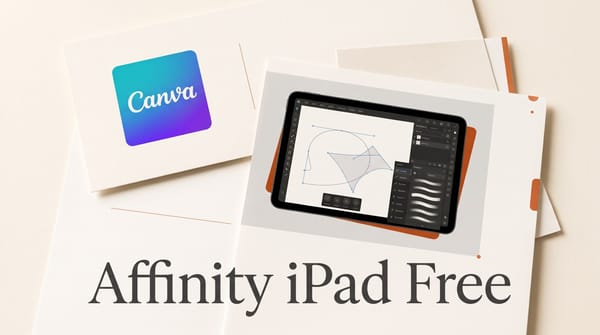
Affinity for iPad Is Free: What Canva AI Costs
Canva released Affinity for iPad on November 2, 2026, free for individuals. Drawing, vector, photo and layout tools cost nothing; the AI features need Canva Pro at $18 a month or $143.99 a year.
Canva released Affinity for iPad on November 2, 2026, free for individuals. Drawing, vector, photo and layout tools cost nothing; the AI features need Canva Pro at $18 a month or $143.99 a year.
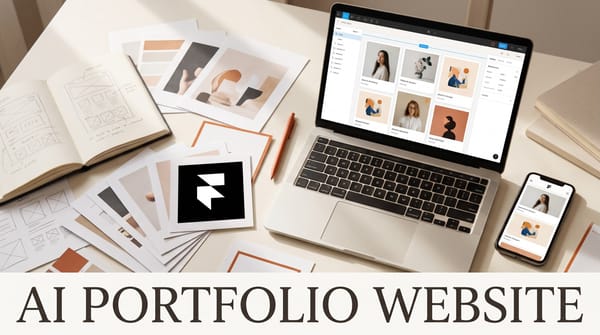
Build a portfolio website with AI in one afternoon: ChatGPT or Claude writes your bio and project text, Framer's agent lays out the pages, and the whole build fits in the free plan's 500 AI credits.
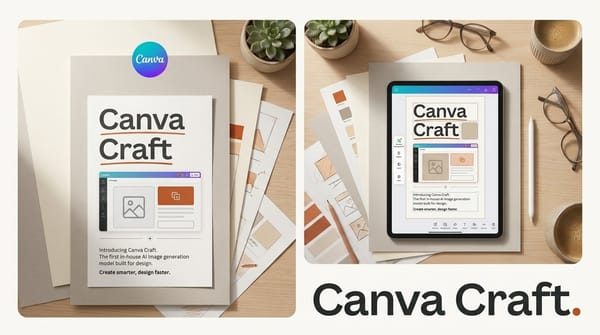
Canva released Canva Craft on October 22, 2026, its first in-house image model, live for every Canva user in Dream Lab. It plans layout and text before rendering, outputs up to 2K, and draws on your Canva AI allowance.
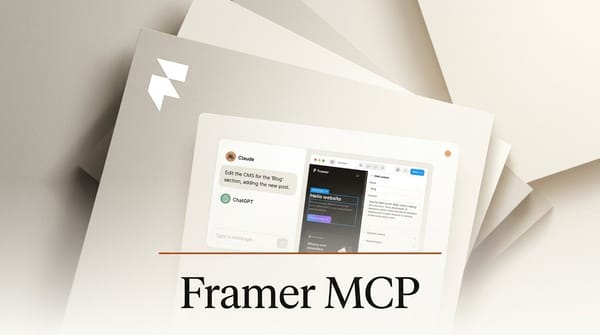
Framer MCP, released October 22, 2026, lets the Claude app, ChatGPT, Codex, Cursor and Grok Bot build pages and fill the CMS of your Framer site. It is free on every Framer plan during the preview.
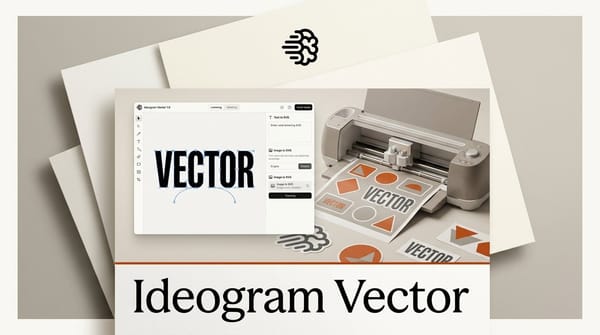
Ideogram Vector 1.0 turns a prompt or an image into an editable SVG for $0.10 to $0.32. Here is how it compares with Recraft and QuiverAI Arrow 2 on price per file, free plans and editing, plus a step-by-step route to a print-ready file.
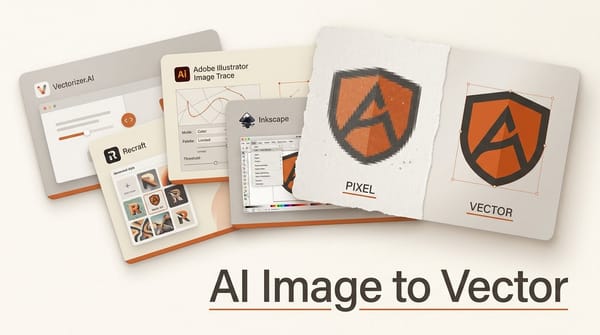
The best way to turn an AI image into a clean vector file depends on the job. For a logo, sticker or t-shirt graphic, Vectorizer.AI gives the most tools for fixing the result.
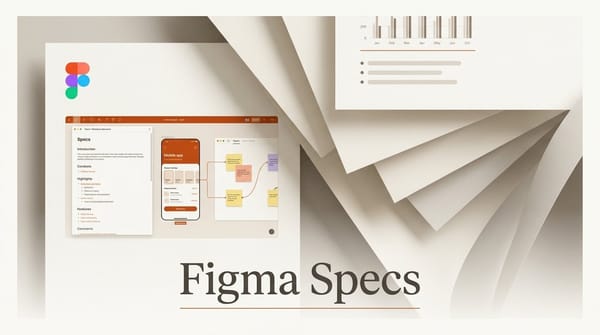
Figma Specs, launched October 15, 2026, is a shared document on the canvas that holds your brief, frames and FigJam boards together. Open beta on paid plans.
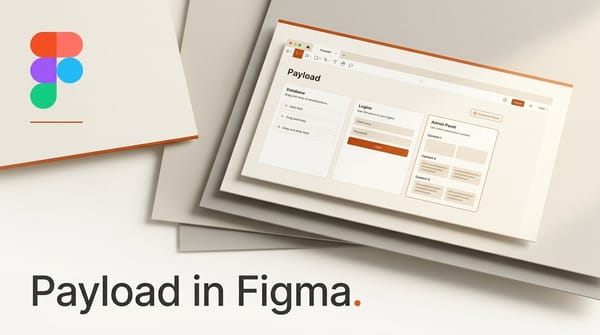
Figma Make now builds websites with a Payload content system attached: a database, file storage, logins and an admin panel your team edits without a developer. Hosting is free during the beta.
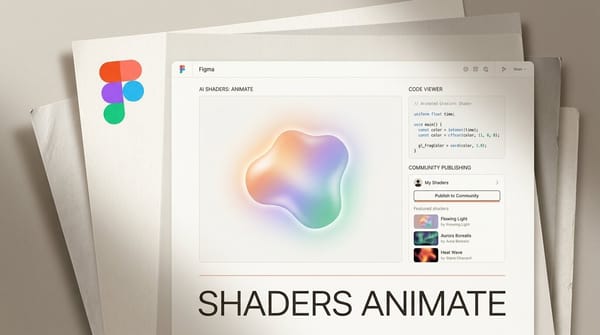
Figma has turned its AI shaders from a static novelty into a working motion-and-code tool. A September 1 update adds motion, a code viewer, community publishing, and MCP export to its generative plugins and shaders.
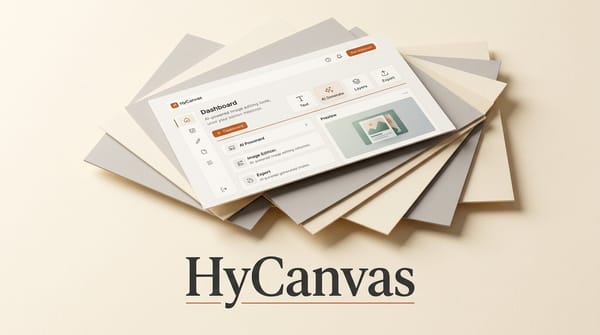
HyCanvas is a free, self-hostable, AI-native design platform that positions itself as an open Canva alternative, covering graphics, slides, video, and more with bring-your-own-key AI.
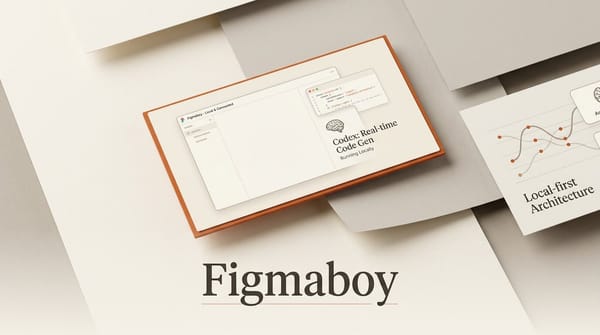
Figmaboy is an open-source, local-first Figma clone with OpenAI's Codex CLI built directly into the canvas. Instead of generating flat images, its MCP server lets Codex inspect and edit real frames, layers, and components in your live document.

Figma updated Make with voice-to-text prompt dictation, a Zapier connector for 9,000-plus apps, question cards, and version history. Figma Draw also gained auto layout and a text-on-path tool.
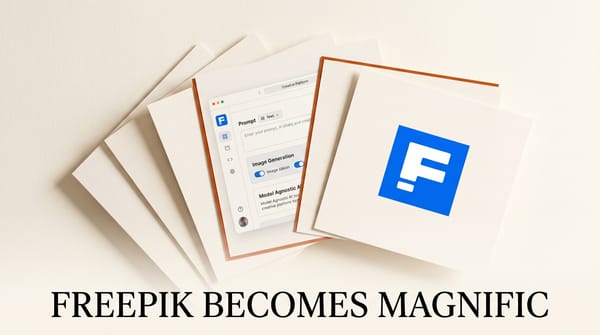
Freepik officially rebranded as Magnific on April 28, 2026, hitting $230M ARR with no outside investment. Inside the model-agnostic aggregator bet, the no-collar economy, and what 1 million paying subscribers means for creative AI.
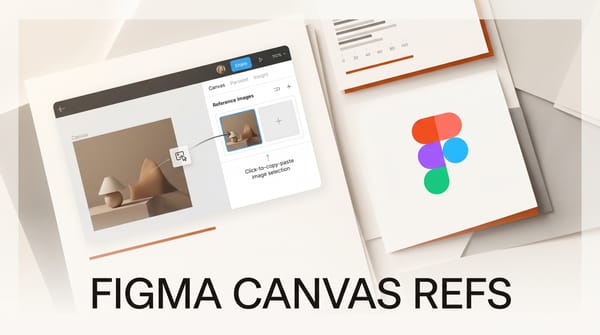
On April 28, Figma added multiple new ways for designers to supply reference images when using AI to generate or edit images inside Figma.
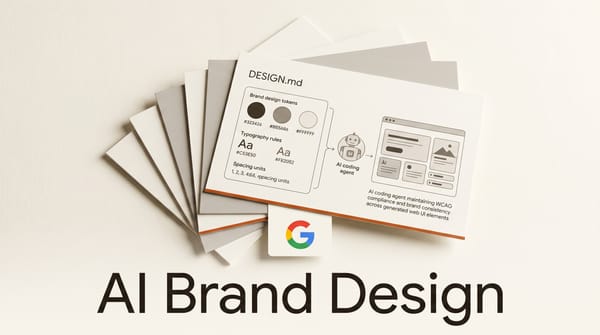
Google released DESIGN.md as open source on April 23, 2026, a machine-readable format that gives AI agents a structured blueprint for brand-consistent design.
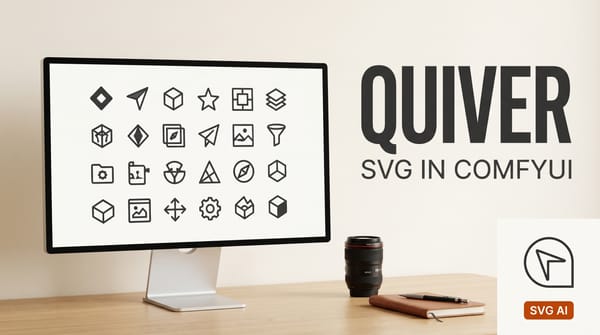
ComfyUI added Quiver Arrow 1.1 as a Partner Node on April 20, 2026, bringing structured SVG generation to open-source visual workflows for the first time.

Canva launched Magic Layers on March 13, 2026, a beta feature that converts flat AI-generated images into fully editable multi-layer designs