
ResearchStudio-Reel: Turn Papers Into Video and Blogs
Microsoft open-sourced ResearchStudio-Reel, five Claude Code and Codex skills that turn one document into a consistent poster, talk video, and bilingual blog in a single pass.
Microsoft open-sourced ResearchStudio-Reel, five Claude Code and Codex skills that turn one document into a consistent poster, talk video, and bilingual blog in a single pass.
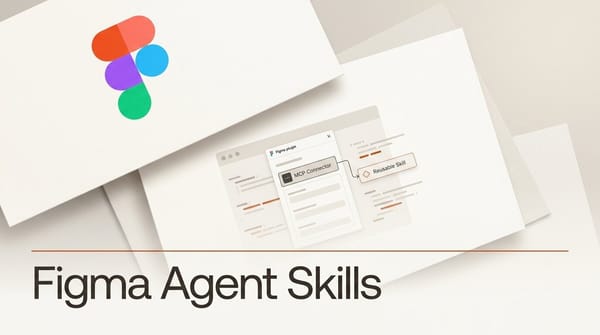
Build a reusable Figma agent Skill in minutes, trigger it with a slash, and wire MCP connectors to Slack, Notion, and Asana.
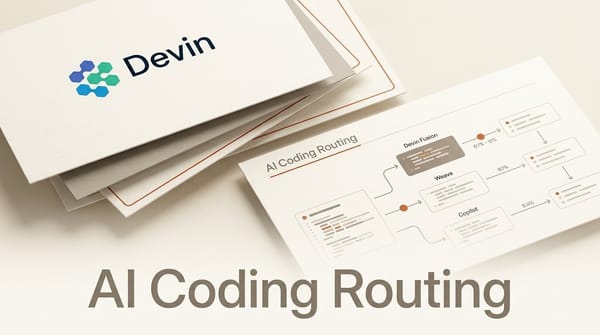
Model routing has become its own layer in the AI coding stack. Three tools put the router in three different places, each with different cost and control tradeoffs.
Kage, a new open-source verification layer built on Google's Open Knowledge Format, stops AI coding agents from recalling hallucinated or out-of-date memories.
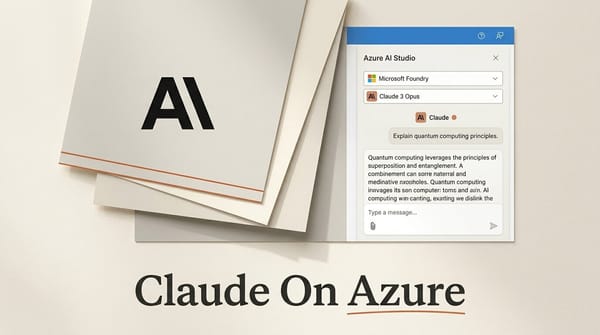
Anthropic and Microsoft made Claude generally available in Microsoft Foundry, letting teams run Opus 4.8 and Haiku 4.5 inside their existing Azure identity, billing, and governance.
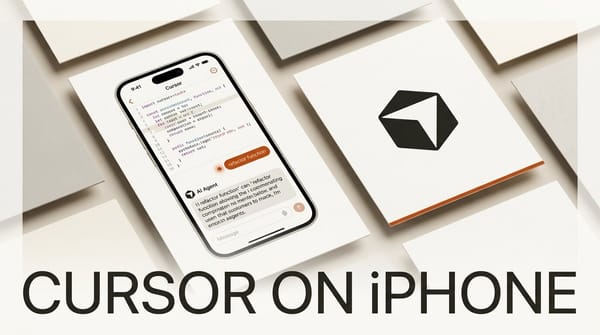
Cursor has launched a native iOS app in public beta, putting its AI coding agents on the phone in your pocket so you can start, steer, and review them from anywhere.

Ploof is a new open-source command-line tool that lets AI coding agents like Claude Code generate images, video, and audio without leaving the terminal.
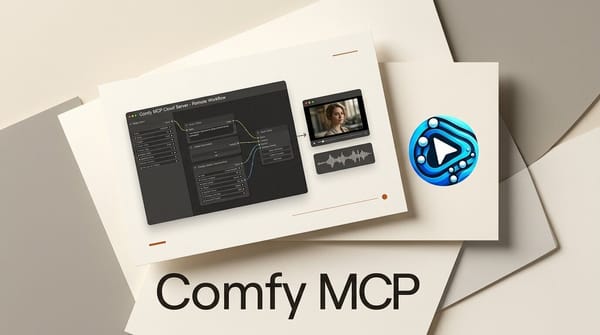
Comfy Org's new public-beta MCP server lets Claude, Cursor, and other agents drive ComfyUI's full image, video, audio, and 3D pipeline in plain language, with no nodes and no local GPU.
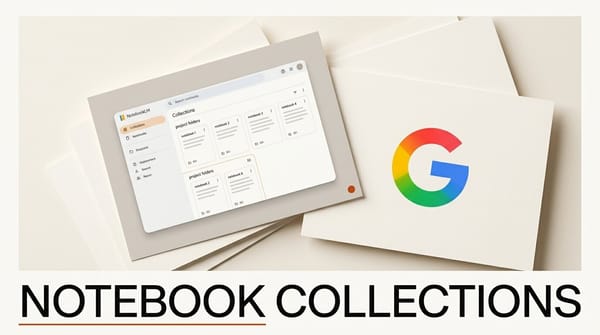
Google is testing a Collections feature in NotebookLM that groups notebooks into project folders. Here is what is coming and how to organize your workspace now.
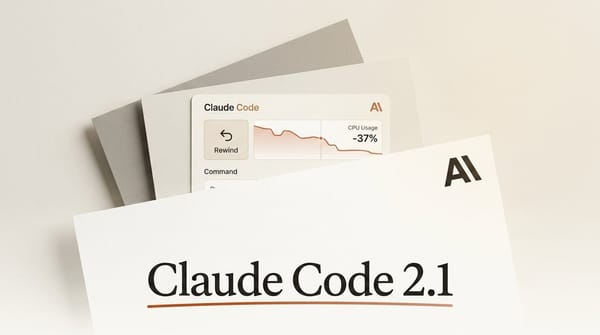
Claude Code's late-June releases add a /rewind command, cut streaming CPU use about 37 percent, and harden how the CLI talks to MCP servers.
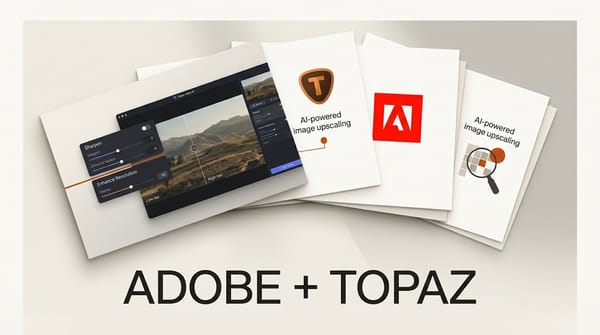
Adobe has agreed to acquire Topaz Labs, the AI company behind Gigapixel, Topaz Photo, and Topaz Video. Here is what the deal means for your enhancement workflow.

OpenKnowledge is an open-source, local-first markdown editor and LLM wiki where Claude, Codex, and Cursor edit your notes directly through MCP.
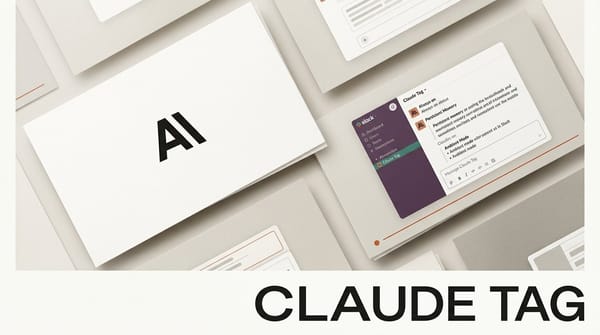
Anthropic launched Claude Tag, an always-on AI teammate that lives in Slack with persistent memory, ambient mode, and autonomous async tasks.

Workweave open-sourced Weave Router, a drop-in proxy that routes each prompt to the best model for Claude Code, Codex, and Cursor, claiming 40 to 70 percent lower costs.
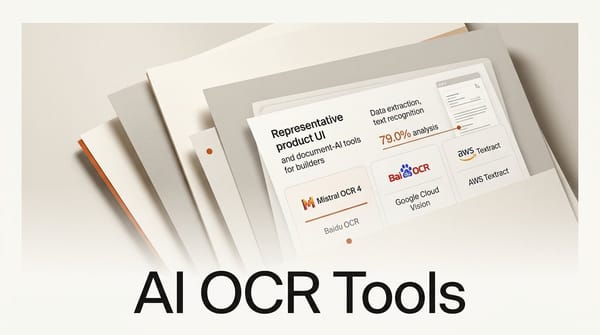
If you are building anything that reads documents, OCR is where most projects quietly break. This guide compares 2026 five best AI OCR tools, Mistral OCR 4, Baidu Unlimited-OCR, DeepSeek-OCR, Google Document AI, and AWS Textract, on accuracy, languages, self-hosting, and cost.
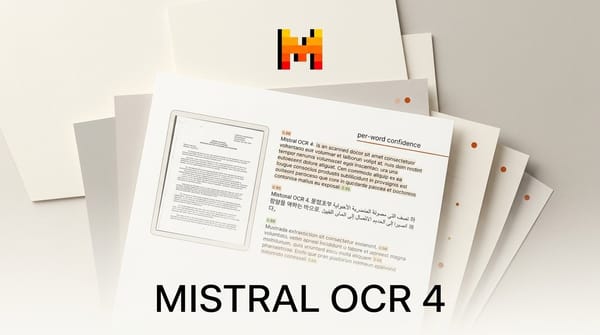
Mistral OCR 4 launches with 170-language support, typed-block extraction, and per-word confidence scores at $2 to $5 per 1,000 pages.

OpenAI is reportedly testing a bidirectional, full-duplex voice mode for ChatGPT that listens and speaks at once. Here is what creators can expect.
Krea AI has released the open weights for Krea 2, its from-scratch text-to-image foundation model, on Hugging Face.
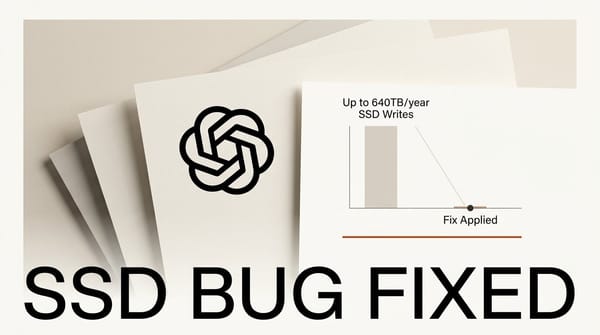
OpenAI Codex CLI was writing up to 640TB a year to your SSD through runaway SQLite logs. The bug is now fixed, here is how to protect your drive.

Yes, AI can turn a sentence into a real 3D model you can print, but only some tools give you a model you can also edit. The split that decides everything is parametric versus mesh.
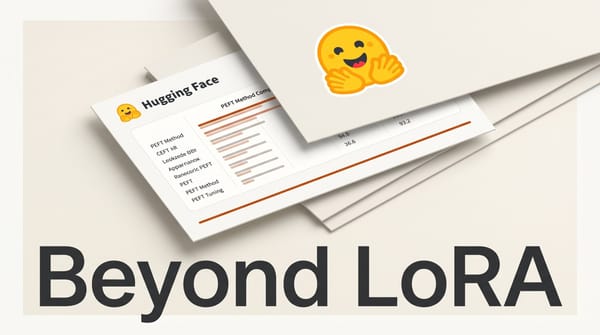
Hugging Face benchmarked LoRA against newer PEFT methods like OFT, which beat it on image generation while using less memory. The default is not always the best fit.
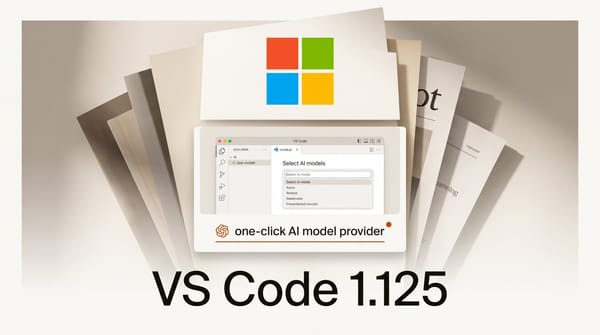
VS Code 1.125 adds one-click model provider installs, a live Copilot budget meter, and managed AI policies for teams.
SpaceX is acquiring Cursor, the AI coding tool built by Anysphere, in an all-stock deal valuing it at $60 billion, confirmed June 16, 2026.
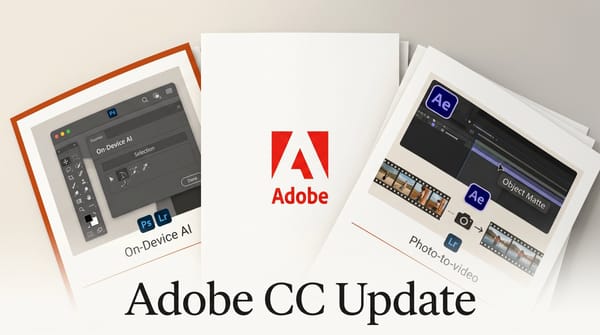
Adobe shipped its largest Creative Cloud AI update of the year on June 15, 2026, with new tools across Lightroom, Photoshop, Premiere, After Effects, and Illustrator.