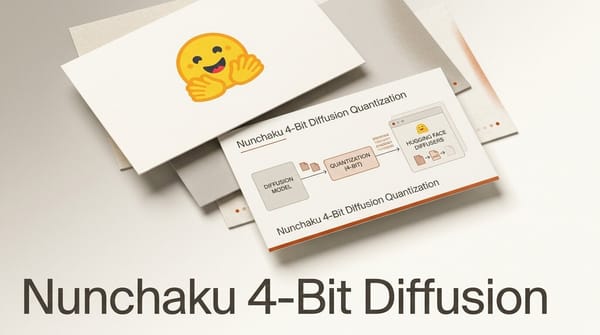
Nunchaku Brings 4-Bit Diffusion to Diffusers
Hugging Face added native Nunchaku 4-bit quantization to Diffusers, cutting diffusion VRAM up to 50 percent so flagship image models run on consumer GPUs.
Hugging Face added native Nunchaku 4-bit quantization to Diffusers, cutting diffusion VRAM up to 50 percent so flagship image models run on consumer GPUs.
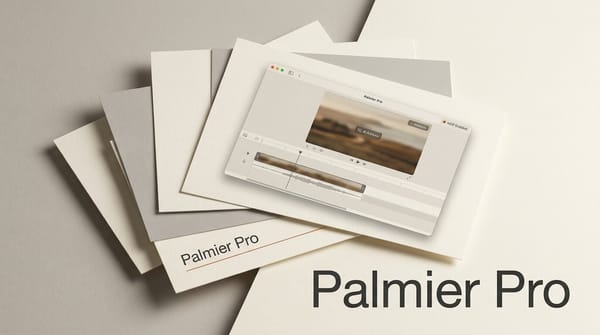
Palmier Pro is a Swift-native macOS video editor that generates media on the timeline with Kling, Seedance, and Veo, and exposes an MCP server for Claude and Codex.

Microsoft's Mage Team released Mage-Flow, a 4B open-weights image generation and editing model that it says matches or beats open systems five to eight times its size, with a Turbo variant that renders 1024px images in 0.59 seconds.

Upstage released Solar Open 2, a 250-billion-parameter open-weight MoE built for long-horizon agentic coding, tool calling, and document work.
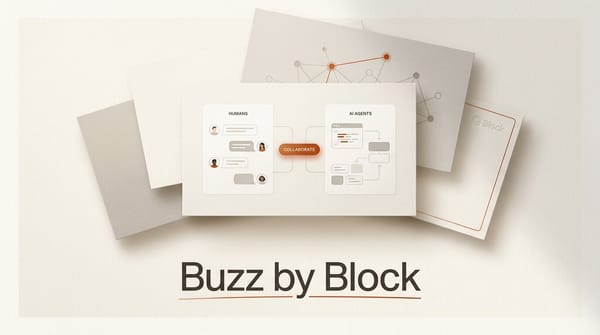
Block released Buzz on July 21, 2026, a free open-source workspace where AI agents and people collaborate as equals, built on the decentralized Nostr protocol.
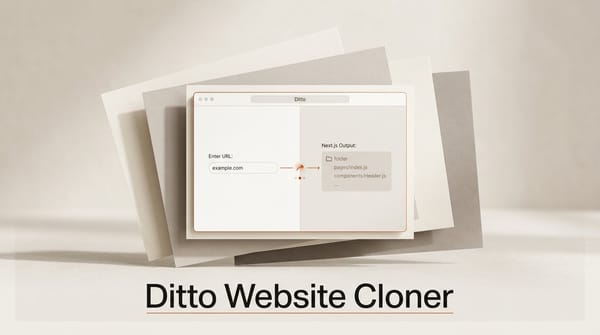
Ditto is a free, open-source tool that clones any public website into clean, componentized front-end code in about five minutes. Unlike most AI cloners, it is fully deterministic.

Jelly UI is a zero-dependency web components library that gives native HTML form controls a soft, tactile, jelly-like feel. Here is how it works and how to add it.

Nativ is a new open-source Mac app that runs open AI models entirely on your own machine, with no account, no subscription, and no cloud.

ShotPlan is a new open framework from TeleAI and Harbin Institute of Technology that generates multi-shot cinematic video from one text prompt, placing frame-accurate cuts, cross-fades, and camera moves in a single pass.
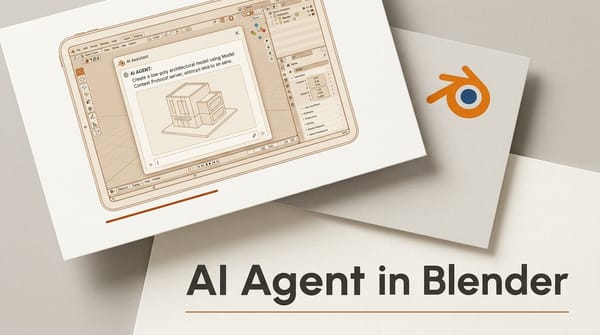
Hand your 3D scene to an AI agent and build by conversation. This tutorial connects Claude or Cursor to Blender with the open-source MCP server in about 15 minutes.

HyCanvas is a free, self-hostable, AI-native design platform that positions itself as an open Canva alternative, covering graphics, slides, video, and more with bring-your-own-key AI.
Alibaba's Qwen team announced Qwen3.8, its next flagship model, saying it will go open-weight soon. As of July 19, 2026 there are no weights or benchmarks yet.

Timeline Studio is an open-source, local-first AI video editor that runs entirely in a browser tab, with on-device voiceovers, captions, and talking avatars.

Jacquard is a new open-source language designed for a world where most code is written by AI models and reviewed by people.
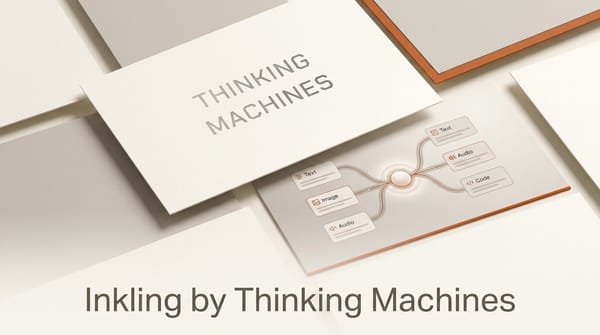
Thinking Machines released Inkling, a 975B-parameter open-weights Mixture-of-Experts model that reads text, images, and audio. You can self-host it or fine-tune it via Tinker.
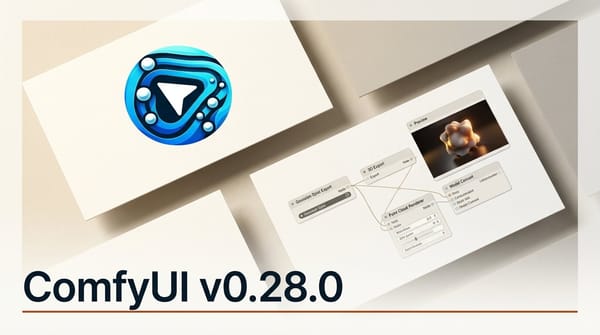
ComfyUI shipped version 0.28.0 on July 15, 2026 with native 3D and Gaussian splat export, new text nodes, SeedVR2 upscaling, and more open-model support.

NVIDIA NeMo Automodel now fine-tunes Hugging Face Diffusers image and video models like FLUX.2, Qwen-Image, Wan 2.2 and HunyuanVideo 1.5 with LoRA or full training.
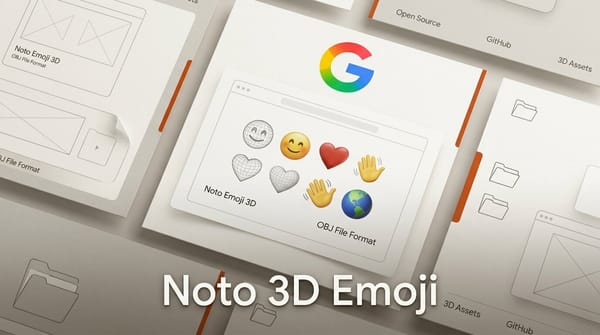
For World Emoji Day, Google rebuilt all 3,977 Noto emoji as true 3D models and released them as raw .OBJ files anyone can open in Blender. Here is what shipped and how creators can use it.

LM Studio Bionic is a new standalone AI agent for open models, with voice input, code editing, and document analysis that run locally or on secure cloud.
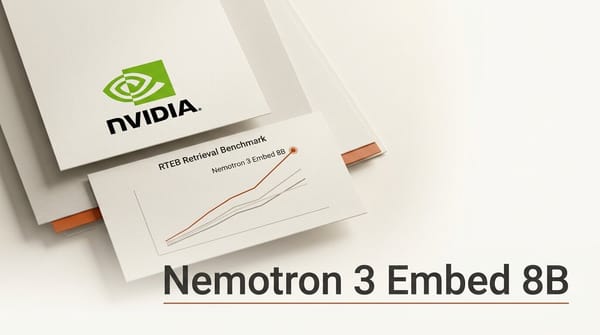
NVIDIA has released Nemotron 3 Embed, an open collection of text-embedding models whose 8B checkpoint ranks #1 overall on RTEB, the Retrieval Embedding Benchmark.

Ben Swerdlow's Brainless rebuilds Claude Code, Codex, and Grok interfaces as MIT-licensed shadcn components you install with one CLI command.
xAI open-sourced Grok Build, its Rust terminal coding agent, on July 15, 2026 under Apache 2.0. You can now compile it locally, point it at any model, and run with no cloud caps.
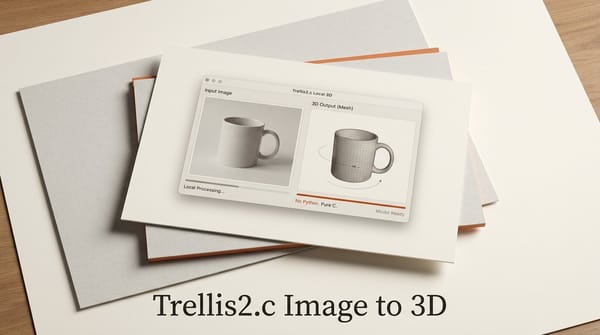
trellis2.c runs Microsoft's TRELLIS.2 image-to-3D model natively on CUDA or Vulkan with no Python, chaining four models into a full local pipeline from photo to rigged 3D asset.
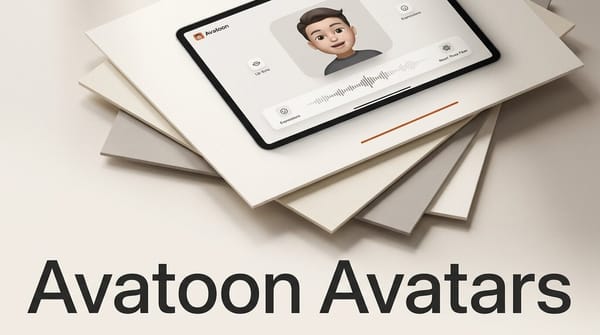
Avatoon is an open-source React Three Fiber component that drops a talking, lip-synced 3D avatar into any web or React Native app. Version 1.10.0 shipped July 15, 2026 under an MIT license.