
Workflow1111 Rebuilds AUTOMATIC1111 as MCP Tools
The Gradio team rebuilt most of AUTOMATIC1111 as a 73-node canvas with nine REST endpoints that double as MCP tools. The project it replaces has not shipped a tagged release since February 2025.
The Gradio team rebuilt most of AUTOMATIC1111 as a 73-node canvas with nine REST endpoints that double as MCP tools. The project it replaces has not shipped a tagged release since February 2025.
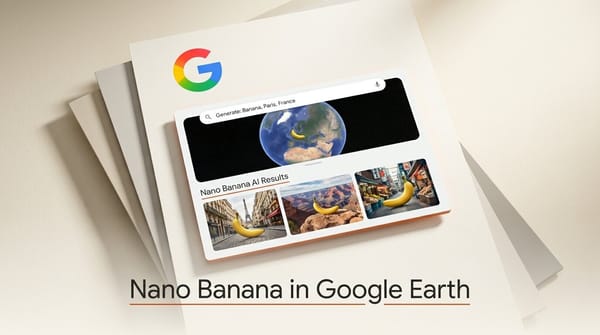
Google Earth now generates AI images from any location using Nano Banana 2, free on the web globally as of July 30, 2026.
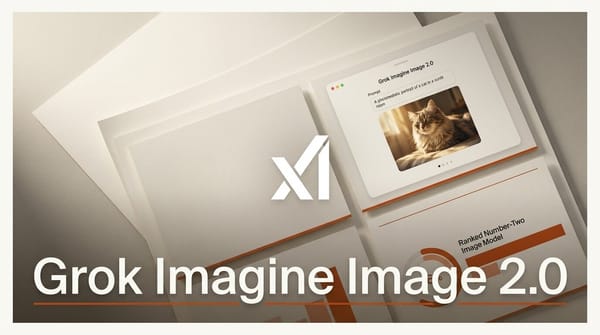
xAI shipped Grok Imagine Image 2.0 on August 7, 2026 as the new Quality Mode on Grok, now ranked second on both image arenas behind gpt-image-2.
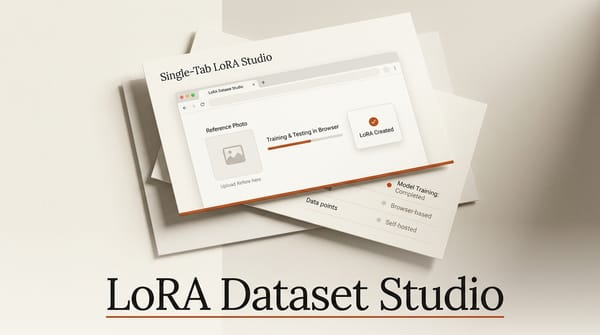
LoRA Dataset Studio is a free, self-hosted web app that runs the entire LoRA training lifecycle inside a single browser tab, from one reference photo to a trained, ranked model.
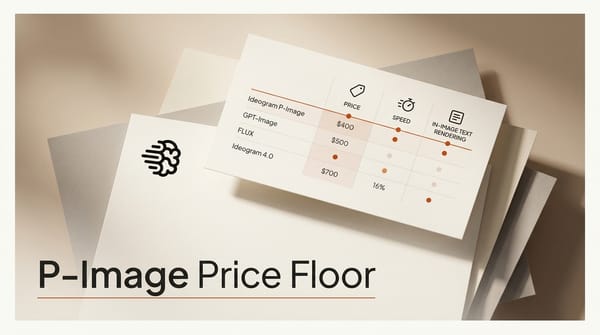
Ideogram P-Image starts at $0.003 per image with Ideogram signature text rendering. Here is how it compares to GPT-Image, FLUX, Ideogram 4.0, and Qwen on price, speed, and in-image text.
Midjourney released V8.2 on July 24, 2026, a flagship image-model update focused on bolder aesthetics, dramatically fewer low-quality results, and stronger personalization.
Microsoft has begun replacing OpenAI DALL-E image generation in PowerPoint and Bing with its own MAI-Image-2.5. Here is what changes for creators.
NVIDIA released Qwen-Image-Flash, a four-step distilled version of Alibaba's 20B Qwen-Image that keeps about 96 percent of the quality while cutting denoising steps more than 12 times.
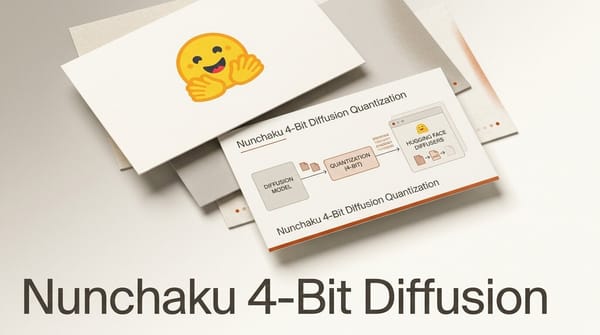
Hugging Face added native Nunchaku 4-bit quantization to Diffusers, cutting diffusion VRAM up to 50 percent so flagship image models run on consumer GPUs.
Microsoft's Mage Team released Mage-Flow, a 4B open-weights image generation and editing model that it says matches or beats open systems five to eight times its size, with a Turbo variant that renders 1024px images in 0.59 seconds.
If you need words inside an AI image, spelled correctly and laid out on purpose, five models lead in 2026: Ideogram 4, Nano Banana Pro, GPT Image 1.5, Reve 2, and Qwen-Image. Here is which one wins for each kind of text.
Alibaba shipped Qwen-Image-3.0 on July 21, 2026, its most capable image model yet, but the first with no open weights, no benchmarks, and no technical report.
OpenAI began rolling out a new ChatGPT Images experience and GPT Image 1.5 on July 9, 2026, reaching every ChatGPT user and the API as gpt-image-1.5, with up to 4x faster generation.
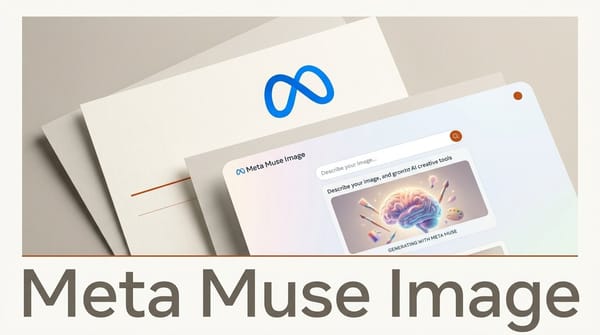
Meta shipped Muse Image, its first in-house AI image generation model, free in Meta AI. Here is what it does, how it compares, and how creators use it.
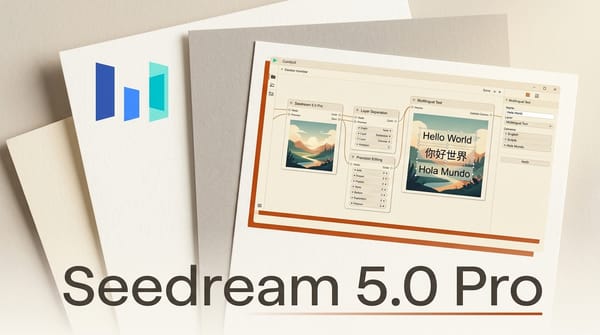
ByteDance's Seedream 5.0 Pro folds generation, precision editing, and 10+ layer separation into one model, now a native ComfyUI 0.27.1 partner node.
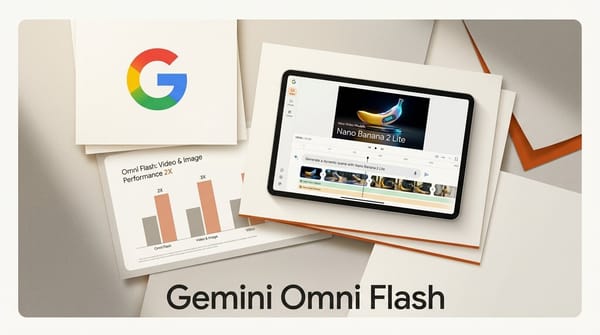
Google released Nano Banana 2 Lite, a 4-second image model at $0.034 per 1,000 images, and Gemini Omni Flash for low-cost video generation and conversational editing.

Google made Gemini personalized AI image generation, powered by Nano Banana, free for eligible US users. Here is what it does and how to enable it.
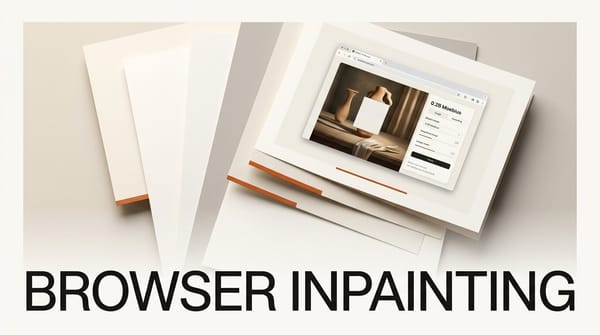
An open-source 0.2B inpainting model that rivals FLUX.1-Fill at under 2% the size, now running entirely in your browser via a WebGPU port built with Claude Code.
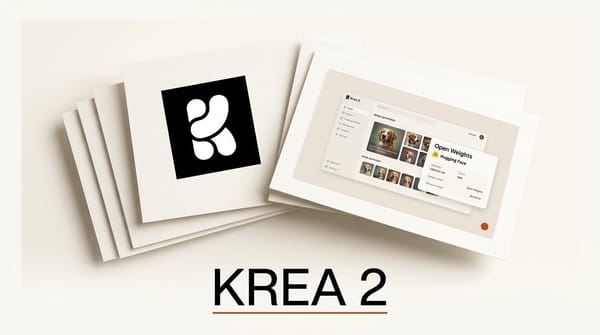
Krea AI has released the open weights for Krea 2, its from-scratch text-to-image foundation model, on Hugging Face.
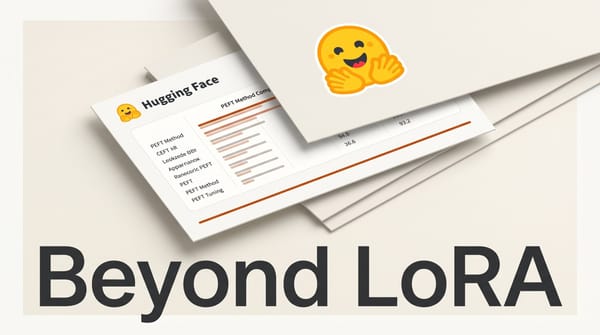
Hugging Face benchmarked LoRA against newer PEFT methods like OFT, which beat it on image generation while using less memory. The default is not always the best fit.
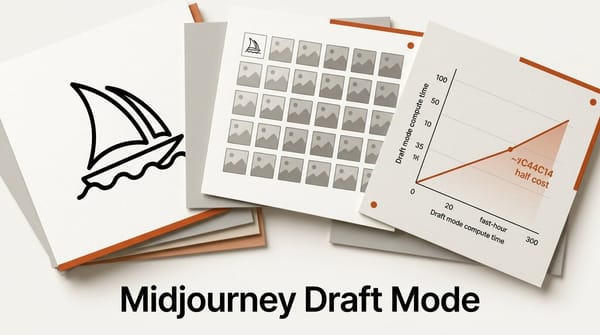
Midjourney added a Draft Mode to V8.1 that generates 24 low-resolution images for about half the fast-hour cost of a standard job.
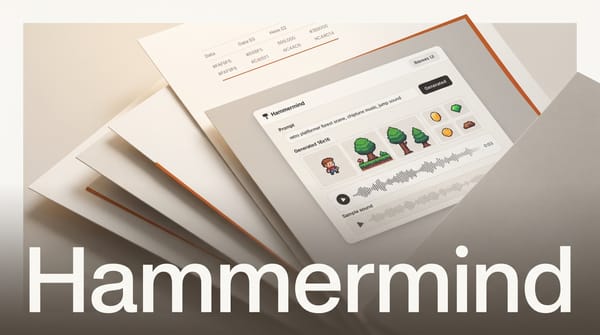
Hammermind launched on Hacker News as a single-prompt asset pipeline for game developers, turning a text description into game-ready pixel art and audio.
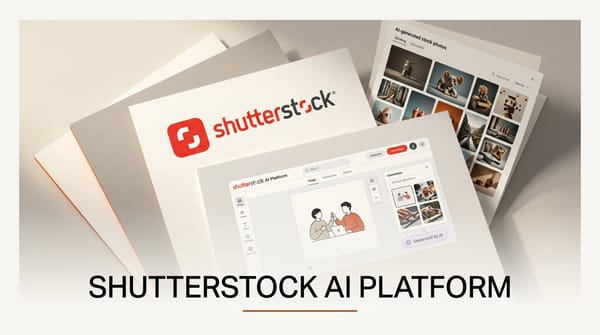
Shutterstock turned its stock content library into a human-led, AI-powered creative platform on June 11, 2026, letting creators generate, edit, and customize assets in one workflow with commercial licensing carried through to AI output.
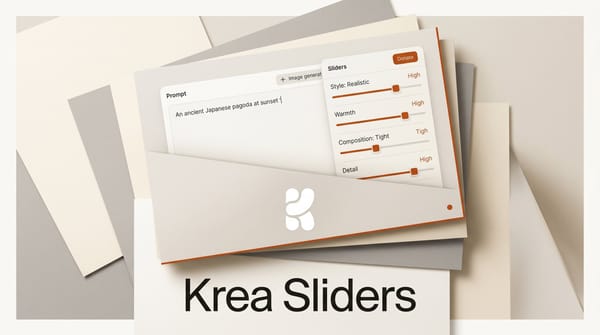
Krea added Generative Sliders, four live controls that shape intensity, complexity, movement, and prompt creativity before an image renders.