
Deep Dive
Sep 18, 2026
Claude Code v2.1.277 can read AGENTS.md as a project's instruction file, closing the last conspicuous gap in a standard used by 60,000+ repositories. The documentation tells a more conditional story than the changelog does.
Deep Dive
Sep 17, 2026
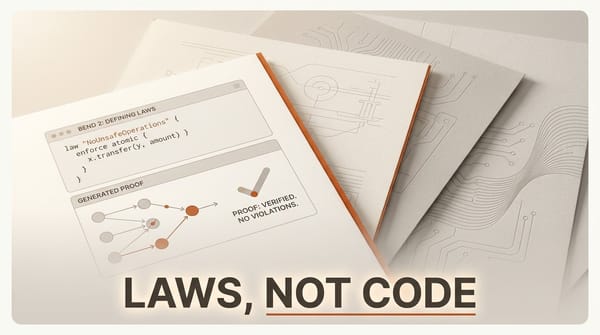
Victor Taelin's Bend 2 makes your AI supply a machine-checked proof that your rules still hold. The proof is real. It moves the work into specification, which is the part people are worst at.

Deep Dive
Sep 14, 2026
Cline shipped a desktop app on September 14, 2026, and the interesting part is not the window. Every headline feature was already shipping as an installable package four months ago, when Cline released its SDK.

Deep Dive
Sep 10, 2026
OpenAI released the Agents API in public beta on 10 September 2026, a managed Codex harness that runs the agent loop for you. Anthropic shipped the same shape five months earlier.
Deep Dive
Sep 7, 2026
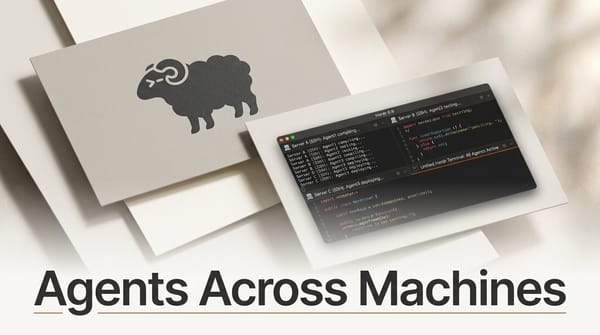
Herdr v0.9.0 lets one window hold the coding agents running on every machine you own. The enabling change is architectural, and it also defines exactly what this release cannot do.
Deep Dive
Jul 15, 2026
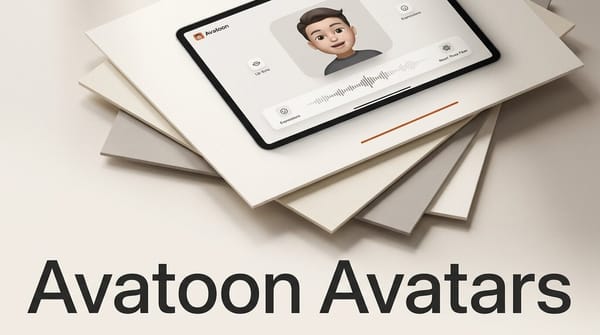
Avatoon is an open-source React Three Fiber component that drops a talking, lip-synced 3D avatar into any web or React Native app. Version 1.10.0 shipped July 15, 2026 under an MIT license.

AI
Jul 11, 2026
ReviewFlow is a new open-source extension that moves GitLab code review inside your editor, so you can draft comments and publish merge request reviews without leaving Cursor or VS Code.
Deep Dive
Jul 9, 2026
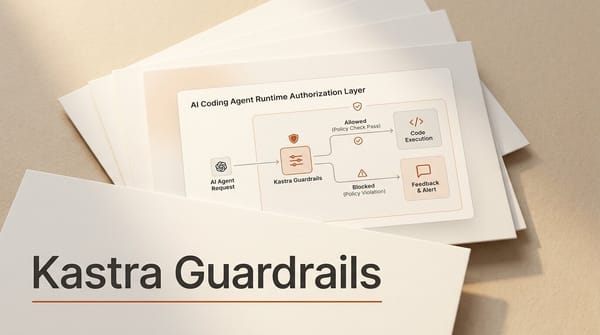
Kastra is a runtime authorization layer that checks every shell command, file edit, and API call your AI coding agent makes before it runs.
ai-coding
Jul 3, 2026
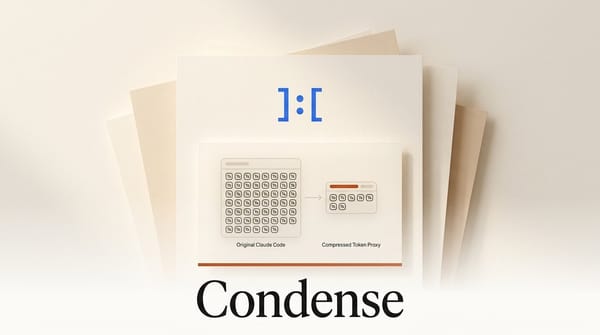
Condense, a new context-compression proxy for AI coding agents, launched July 3 2026 with a claim aimed at heavy Claude Code users: up to 70% lower token bills with almost no quality loss.
News
Jul 1, 2026
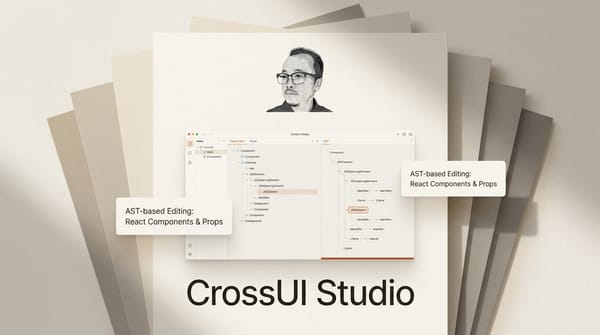
CrossUI Studio is a visual IDE for React that writes every canvas edit back to your source as a precise AST patch with no export step and no lock-in.
AI Agents
Jun 23, 2026
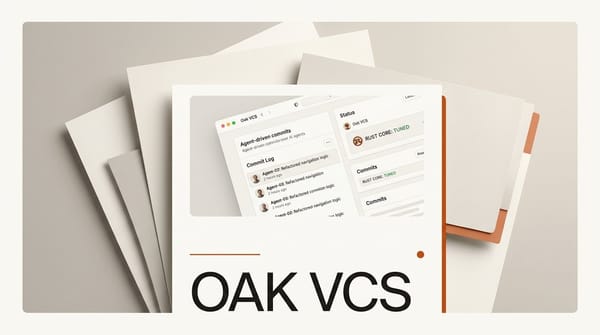
Oak is a new version control system built specifically for AI agents, now in public beta with a Rust core tuned for agent workflows.
Developer Tools
Jun 23, 2026
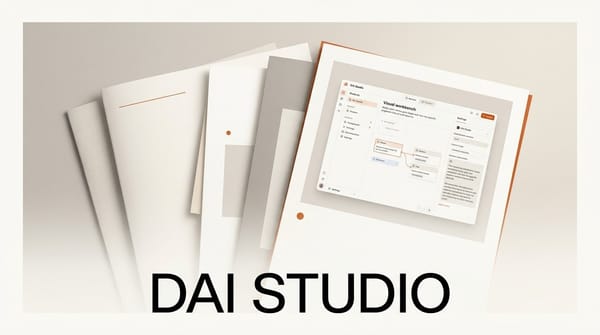
Context engineering just got a dedicated workbench. On June 23, 2026, DAI Studio launched a free visual tool that lets you design, see, and version the exact context you feed into a large language model before it runs.
AI Coding
Jun 22, 2026
Cursor has acquired Continue, the open-source coding assistant that let developers build their own AI pair programmer on any model.
AI
Jun 18, 2026
Anthropic shipped Claude Code Artifacts, turning a coding session into a live, interactive web page you can share with one link. It is in beta for Team and Enterprise plans.
github-copilot
Jun 17, 2026
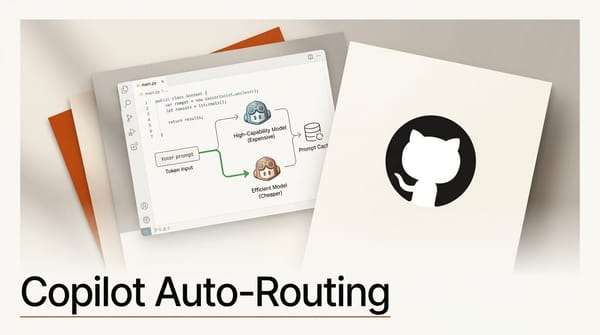
GitHub Copilot now routes each task to the best available model automatically and caches repeated prompt context to cut token cost.
Coding
Jun 17, 2026
VS Code 1.125 adds one-click model provider installs, a live Copilot budget meter, and managed AI policies for teams.
Cursor
Jun 16, 2026
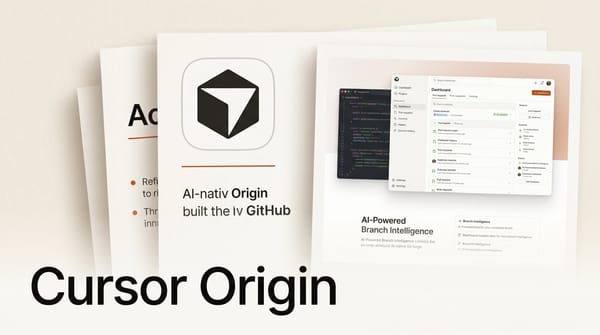
Cursor announced Origin, a Git-compatible forge built for AI agent workloads. It is a direct shot at GitHub, with general availability set for fall 2026.
AI
Jun 13, 2026
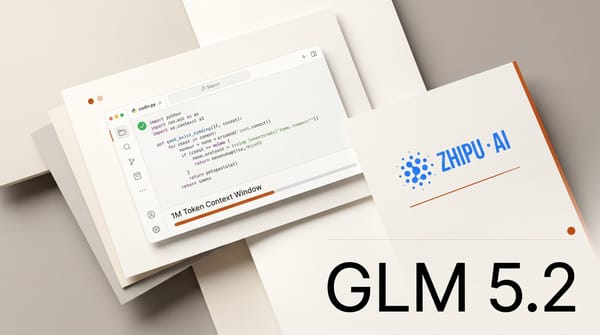
Zhipu has shipped GLM 5.2, a coding-first model now live across every tier of its Z.ai Coding Plan, led by a 1-million-token context window.
Deep Dive
Jun 11, 2026
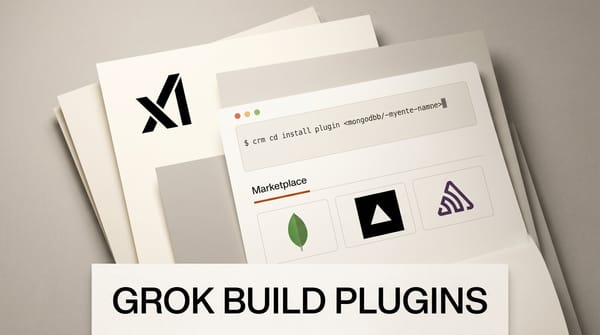
xAI shipped the Grok Build Plugin Marketplace on June 11, 2026, a built-in catalog for its terminal coding agent with six partner plugins, open-source distribution, and commit pinning.
AI Tools
Jun 10, 2026
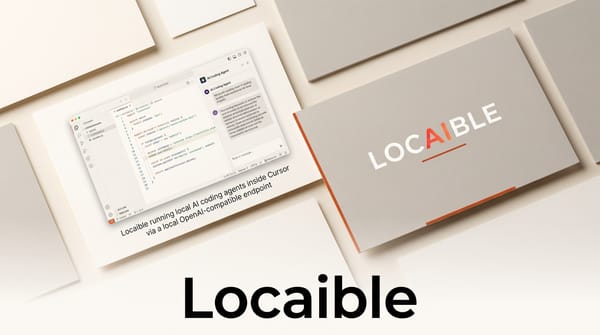
Locaible runs pre-tuned AI coding agents on your own machine and exposes them to Cursor through a local, OpenAI-compatible endpoint, so your code never leaves your machine.
AI Tools
Jun 9, 2026
Apple's Xcode 27 ships seven official Agent Skills, and one command exports them into the ~/.agents folder that Claude, Codex, and Cursor already read.
AI Tools
Jun 9, 2026
Cohere released North Mini Code 1.0 on June 9, 2026, an open-weights 30B Mixture-of-Experts coding model that runs on modest hardware under Apache 2.0.

Cursor
Jun 4, 2026
Cursor shipped two canvas features on June 4: Design Mode for annotating UI elements directly, and a Context Usage Report that audits where the agent spends its tokens.

AI Tools
Jun 2, 2026
Microsoft announces Windows Agent Framework and a new Agent Store at Build 2026, enabling AI agents to control desktop applications natively.