
OpenAI Acquires NextSlide to Power ChatGPT Slides
OpenAI has acquired presentation startup NextSlide, folding its team into ChatGPT months after launching AI slides in PowerPoint. Here is what the deal means for creators who build decks.
OpenAI has acquired presentation startup NextSlide, folding its team into ChatGPT months after launching AI slides in PowerPoint. Here is what the deal means for creators who build decks.
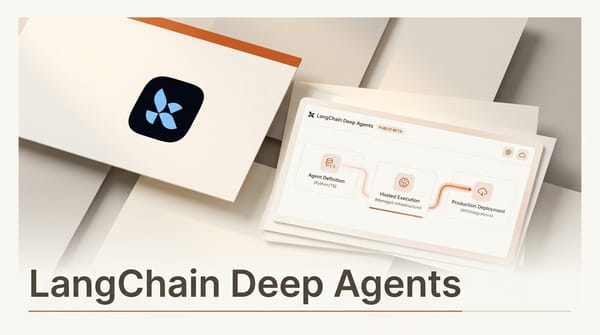
LangChain moved its Deep Agents framework into hosted production on August 7, 2026. Write an agent in Python or TypeScript, test locally, and deploy by CLI while LangChain runs the infrastructure.
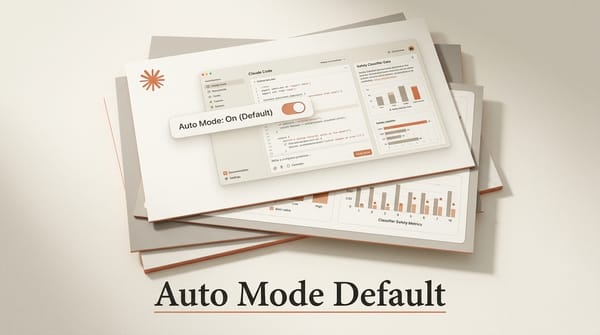
Anthropic makes Claude Code auto mode the default on Aug 14. A close read of the safety data, the Codex injection gap, and the residual risk.
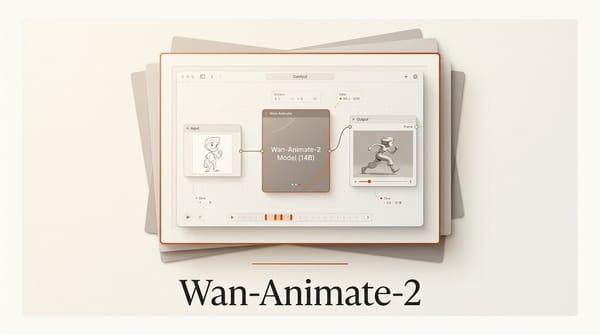
Alibaba Tongyi Lab released Wan-Animate-2 on August 7, a 14B Apache-2.0 character animation model. Two days later it landed in ComfyUI as native nodes.
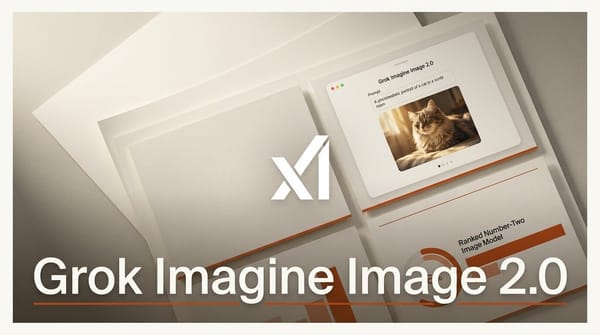
xAI shipped Grok Imagine Image 2.0 on August 7, 2026 as the new Quality Mode on Grok, now ranked second on both image arenas behind gpt-image-2.

OpenAI gave free ChatGPT users unlimited text chats and moved them to GPT-5.6 Luna, while Plus and Pro get the Sol flagship and a new thinking slider.

OpenAI, Microsoft, Amazon, Vercel and Cursor agreed on Agent Plugins, an open standard that packages MCP servers and Agent Skills into one portable folder that runs across AI tools.
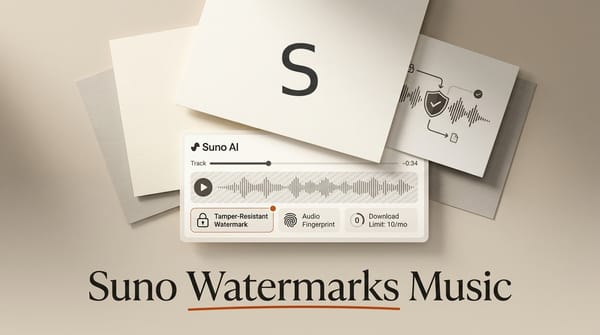
Suno will watermark and fingerprint every AI track, screen uploads, and cap mass distribution while it settles record-label suits. Here is what changes for creators.
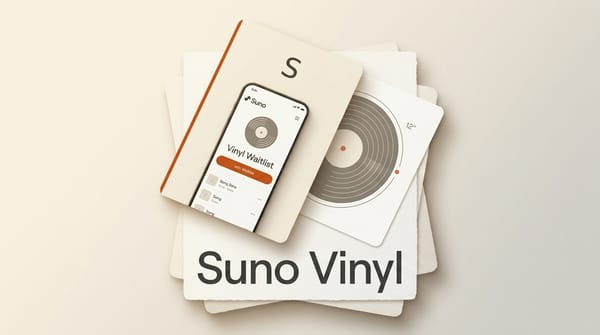
Suno opened a waitlist for Suno Vinyl, a service that presses songs made on its AI music platform onto real 12-inch records for about $45.
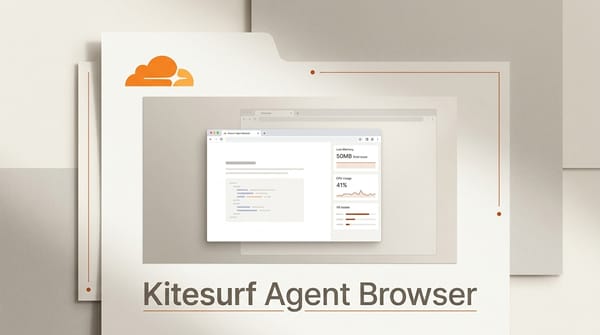
Cloudflare's Kitesurf is a stateless, agent-first browser that runs in V8 isolates on Workers, using 3 to 7 times less memory than Chromium.
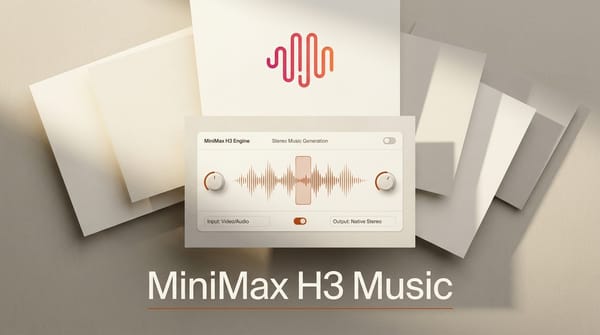
MiniMax open-sourced its 33B omni-modal video model H3 on August 3, 2026, and creators are already repurposing its native 32kHz stereo audio as a compact music engine with custom lyrics, instruments, and genre control.

Charming turns a plain-language description into a real hosted web app with a shareable link, built by the AI agent you already use through MCP.
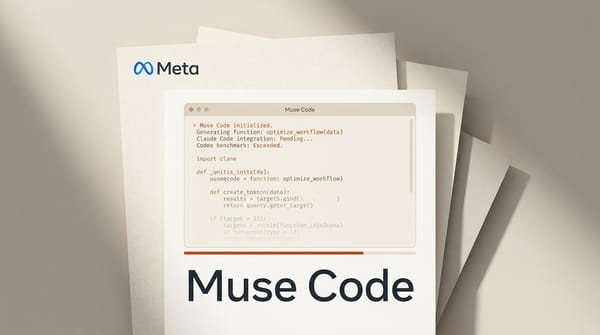
Meta launched Muse Code, a terminal AI coding agent on Muse Spark 1.2 for macOS and Linux. Here is how it compares to Claude Code and Codex.

A faceless YouTube video, one with no on-camera presenter, can now be produced start to finish with AI tools in a single afternoon.

Prime Intellect released Prime Agent on August 5, 2026, an open-source coding harness that rewrites its own instructions while it works. Paired with Opus 5, it beat the human-expert baseline on ARC-AGI-3.
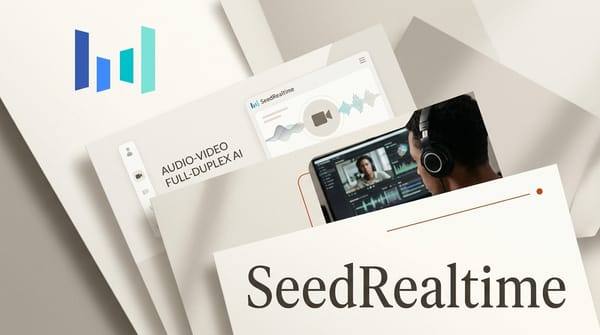
ByteDance's Seed team has released SeedRealtime, a native audio-video full-duplex model that watches, listens, and speaks at the same time, rolling out first inside the Doubao app.
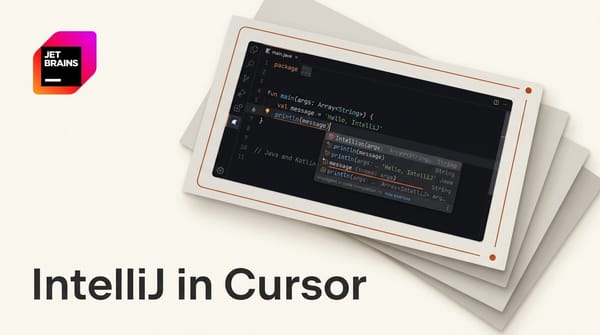
JetBrains has released a preview extension that puts IntelliJ IDEA's Java and Kotlin intelligence directly inside VS Code and its forks, including Cursor.

Mistral has released Shieldstral, a 3-billion-parameter multimodal safety classifier with open weights under Apache 2.0 that scores text and images against policies you write in plain language.
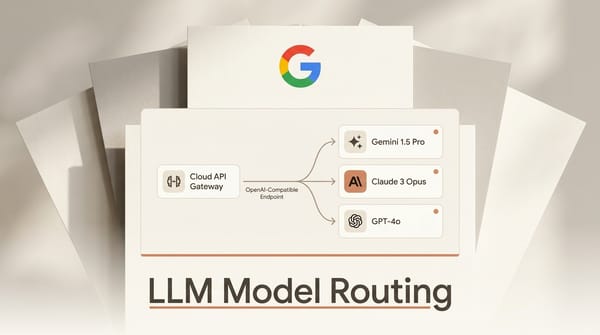
Google shipped model routing for Cloud API Gateway on August 4, 2026: one OpenAI-compatible endpoint that forwards each request to Gemini, Claude, or an OpenAI GPT model.
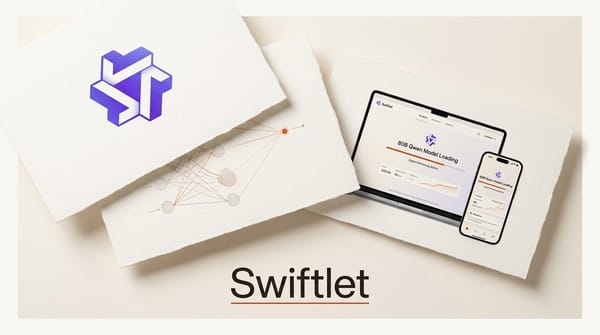
Swiftlet runs the real Qwen3-Next-80B on a Mac in 4.3 GB of RAM and a 35B model on an iPhone, using expert streaming to keep only active experts in memory.
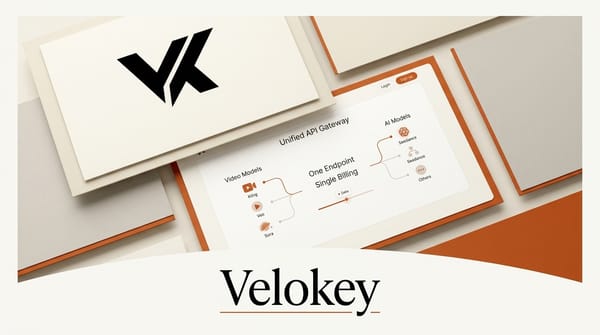
Velokey is a new pay-as-you-go API gateway that unifies Kling, Veo, Sora, Seedance, plus image and LLM models behind one OpenAI-compatible endpoint.
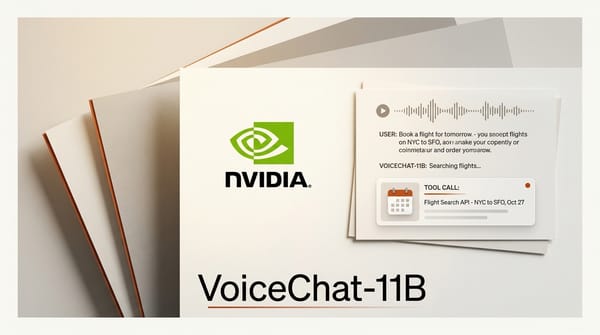
NVIDIA released open weights for VoiceChat-11B, the first open full-duplex voice model that calls tools mid-conversation. Here is how it works and how to self-host it.
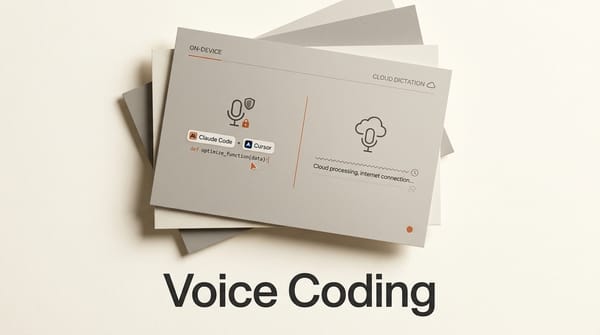
If you code under an NDA or on a private repo, an on-device voice coding tool is the only safe way to talk to your AI agent. SKI, Spokenly, and VoiceMode keep every word local. Here is how the leading voice coding tools compare.
FFmpeg 9.0 Lei shipped August 3, 2026, the most GPU-focused release in years: animated WebP decode, Vulkan 360 filtering, ProRes RAW on Apple, and AMD AMF HDR filters.