
OpenAI Agents API vs Claude Managed Agents
OpenAI released the Agents API in public beta on 10 September 2026, a managed Codex harness that runs the agent loop for you. Anthropic shipped the same shape five months earlier.
OpenAI released the Agents API in public beta on 10 September 2026, a managed Codex harness that runs the agent loop for you. Anthropic shipped the same shape five months earlier.
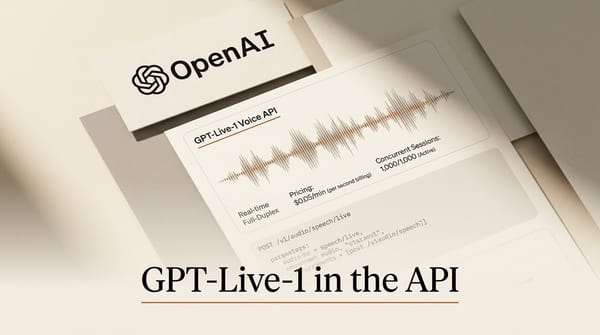
OpenAI put GPT-Live-1 into the API on 10 September 2026 at $0.05 per minute, billed per second. The price got the headlines. The bigger change is that rate limits are now quoted in concurrent sessions, and the model runs on one endpoint that your existing integration cannot reach.
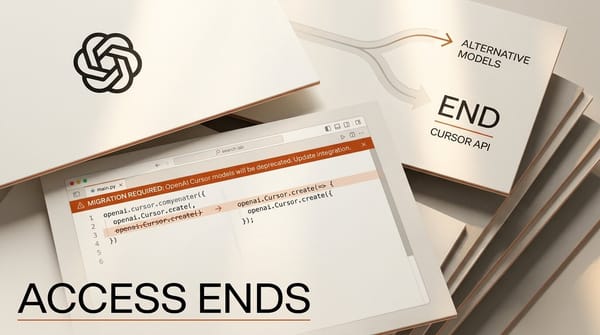
OpenAI said on August 29, 2026 that it will wind down Cursor access to OpenAI models, with a hard cutoff on November 12, 2026.
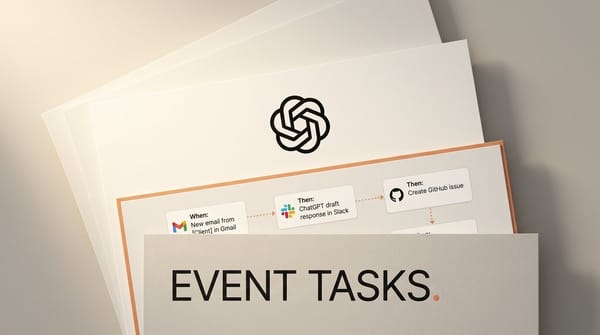
ChatGPT Work can now trigger Scheduled Tasks on Gmail, Slack, and GitHub events instead of fixed times, and sign in to websites without ever seeing your credentials.
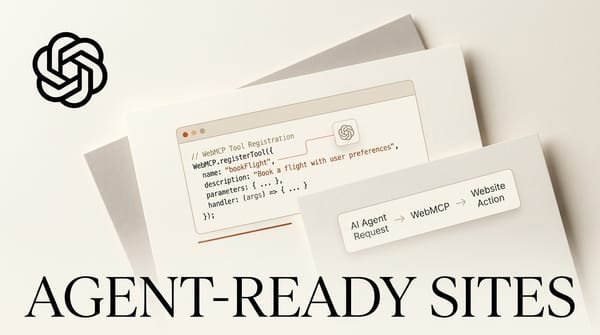
WebMCP lets your site hand AI agents named actions to call instead of scraping HTML. Here is how to expose your first WebMCP tool in about 30 minutes.
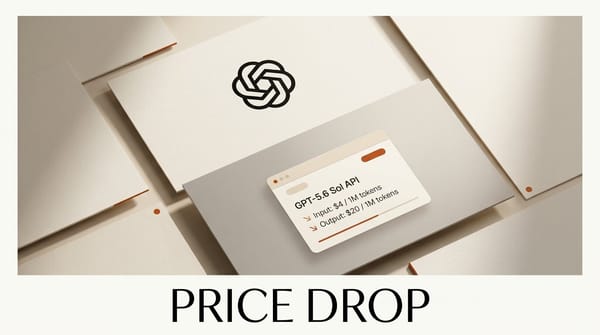
OpenAI cut developer pricing for GPT-5.6 Sol on August 21, 2026. Input fell from $5 to $4 per million tokens and output from $30 to $20, putting it below Claude Opus 5 on both sides.
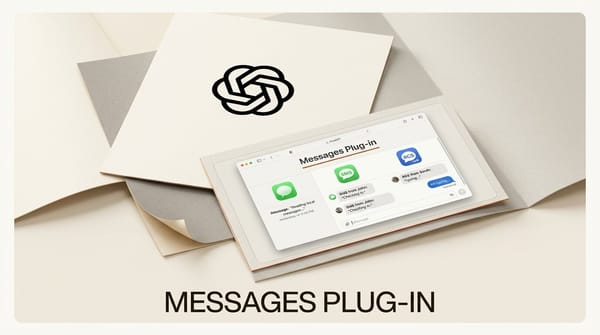
OpenAI shipped an Apple Messages plug-in for the ChatGPT desktop app on August 20, 2026. It reads iMessage, SMS, and RCS conversations locally and drafts replies.
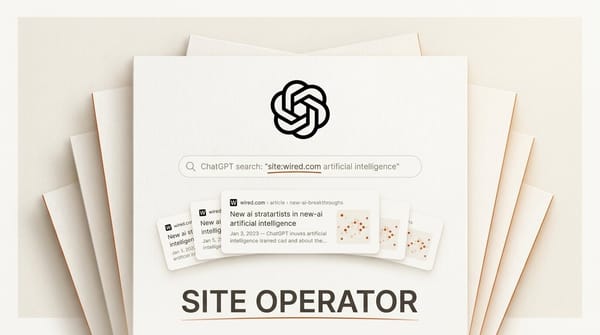
ChatGPT Search started using the site: operator at scale on August 8, 2026. Usage in fan-out queries jumped from 0.3-0.5 percent to 16 or 17 percent overnight.
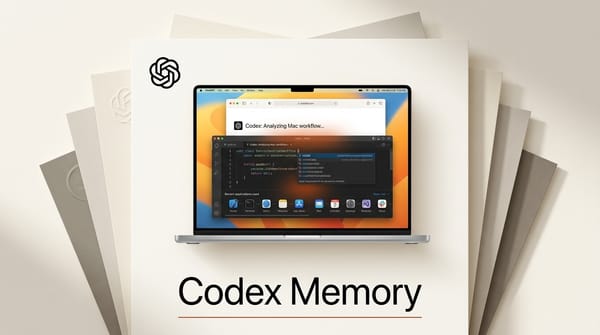
OpenAI launched Computer History, an opt-in ChatGPT desktop feature for macOS that turns your app and website activity into a memory timeline readable by ChatGPT and Codex.
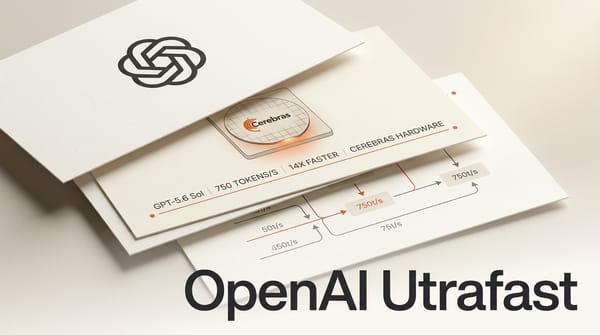
OpenAI's Ultrafast tier runs GPT-5.6 Sol at up to 750 output tokens per second, about 14x faster than Standard, powered by Cerebras wafer-scale hardware.
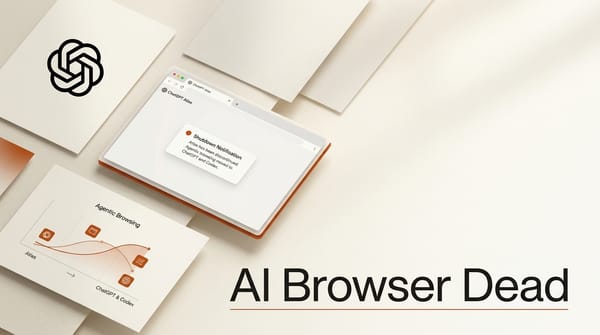
OpenAI killed the ChatGPT Atlas browser after eight months. Here is why the standalone AI browser thesis is failing, and what creators should do now.

OpenAI has acquired presentation startup NextSlide, folding its team into ChatGPT months after launching AI slides in PowerPoint. Here is what the deal means for creators who build decks.
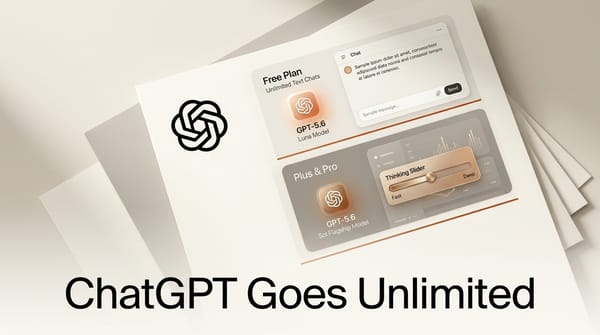
OpenAI gave free ChatGPT users unlimited text chats and moved them to GPT-5.6 Luna, while Plus and Pro get the Sol flagship and a new thinking slider.
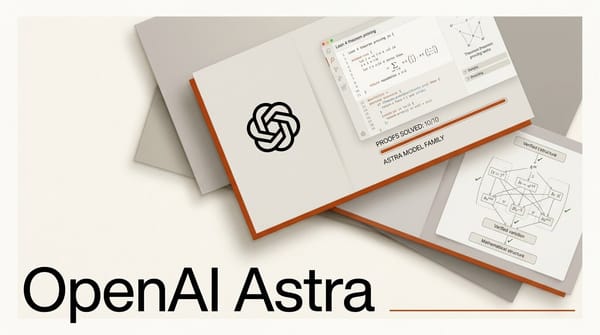
OpenAI unveiled Astra, its next major model family, by solving ten decade-old math problems with machine-checkable Lean 4 proofs. Astra is still in internal testing.

OpenAI cut API prices on its two cheaper GPT-5.6 tiers on July 30, 2026, dropping Luna 80% and Terra 20% while leaving the top Sol tier unchanged.
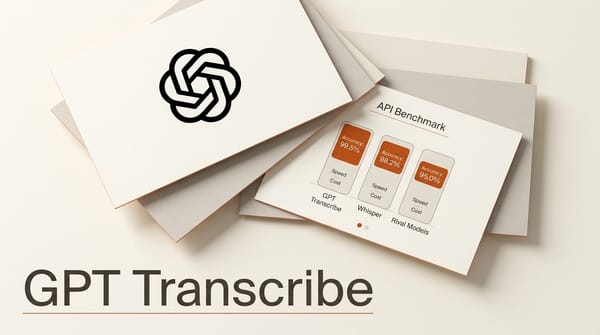
GPT Transcribe ranked against Whisper, gpt-4o-transcribe, ElevenLabs Scribe, Gemini 3 Pro, and Voxtral on accuracy, price, and the features it drops.
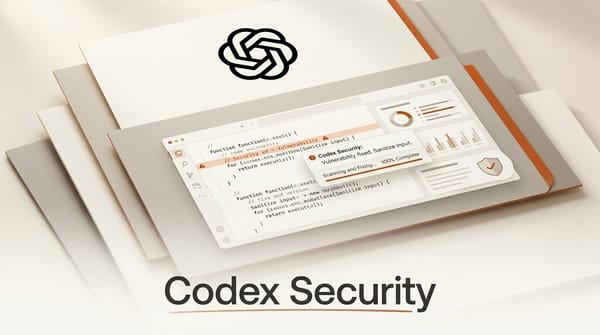
OpenAI has quietly open-sourced Codex Security, an Apache-2.0 CLI and TypeScript SDK that finds, validates, and fixes code vulnerabilities from the command line. Here is how it works and how it compares to Anthropic Claude Security.
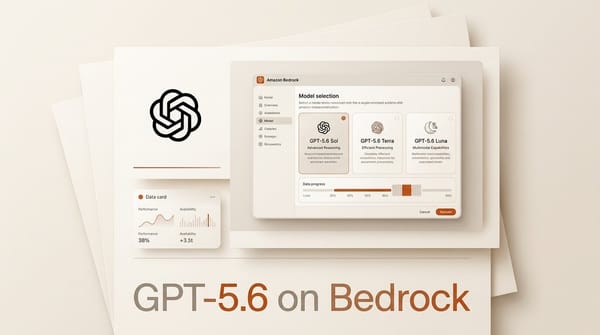
OpenAI's GPT-5.6 family is now on Amazon Bedrock, giving builders three model tiers, Sol, Terra, and Luna, inside the AWS stack they already use.
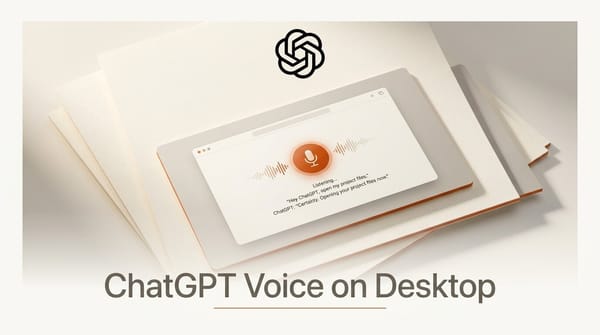
OpenAI brought ChatGPT Voice to the macOS and Windows desktop app, letting you direct Codex and ChatGPT Work agents hands-free with GPT-Live full-duplex voice.
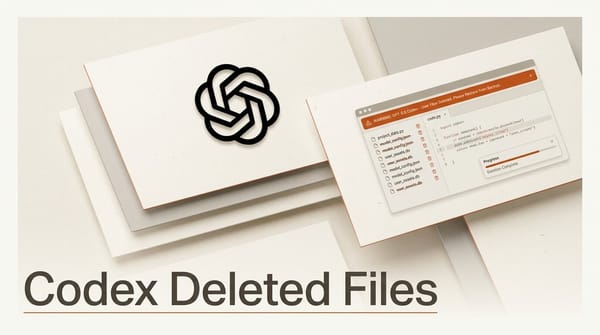
OpenAI confirmed that GPT-5.6 Codex, its flagship coding model, deleted files from users home directories in a handful of documented cases. If you run Codex in your build workflow, the fix is about permissions, and you can apply it today.
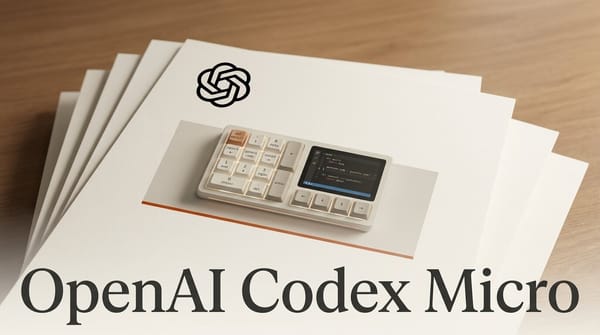
OpenAI revealed Codex Micro, its first branded hardware: a Work Louder macro pad that gives developers physical controls for the Codex coding agent.
OpenAI is discontinuing ChatGPT Atlas, its standalone desktop browser, less than nine months after launch, folding its features into a unified ChatGPT app.
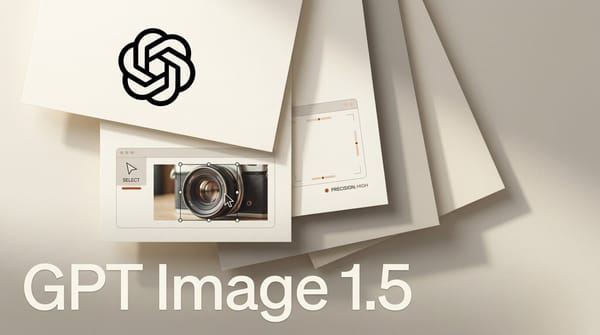
OpenAI began rolling out a new ChatGPT Images experience and GPT Image 1.5 on July 9, 2026, reaching every ChatGPT user and the API as gpt-image-1.5, with up to 4x faster generation.
OpenAI launched GPT-Live on July 8, 2026, a pair of full-duplex voice models that listen and speak at the same time, replacing Advanced Voice Mode for every ChatGPT user.