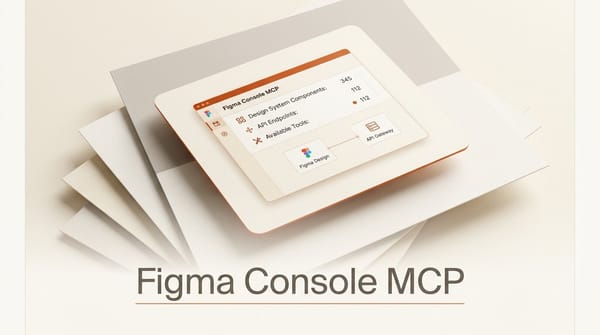
Figma Console MCP: Your Design System as an API
Figma Console MCP is a free, MIT-licensed Model Context Protocol server with 112 tools that turns your Figma design system into a live, writable API for AI agents.
Figma Console MCP is a free, MIT-licensed Model Context Protocol server with 112 tools that turns your Figma design system into a live, writable API for AI agents.
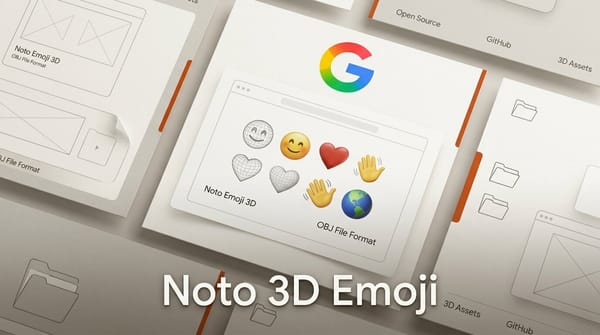
For World Emoji Day, Google rebuilt all 3,977 Noto emoji as true 3D models and released them as raw .OBJ files anyone can open in Blender. Here is what shipped and how creators can use it.
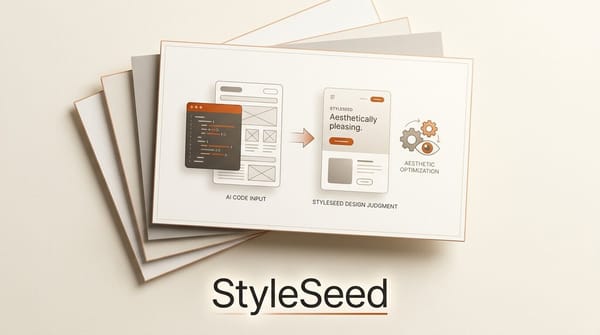
StyleSeed is a free MIT-licensed design engine that gives Claude Code, Cursor, and Codex real design judgment so AI-built UI stops looking generated.
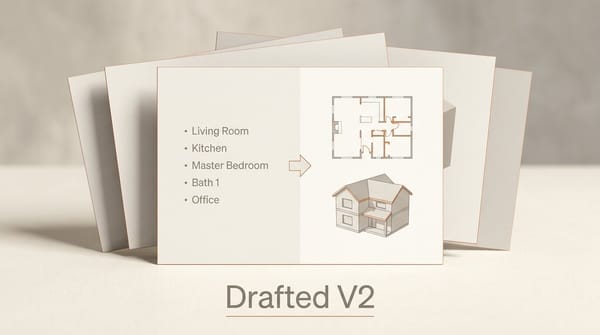
Drafted has released Drafted V2, a faster AI home-design tool that turns a list of rooms into complete 2D floor plans and interactive 3D models in seconds.
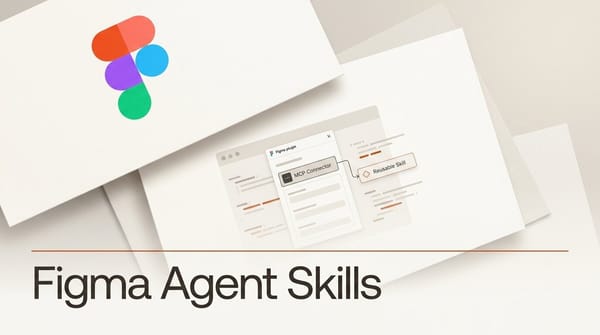
Build a reusable Figma agent Skill in minutes, trigger it with a slash, and wire MCP connectors to Slack, Notion, and Asana.
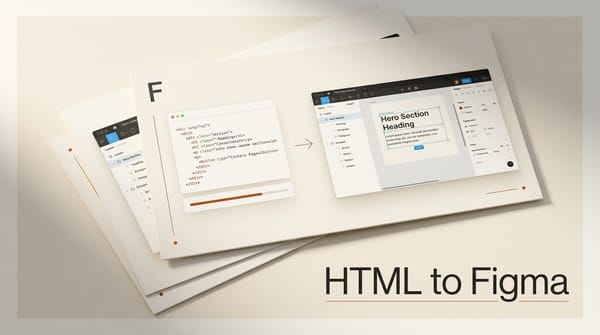
Figit is an open-source library that turns HTML into fully editable Figma layers you paste straight onto the canvas, with no plugin install.
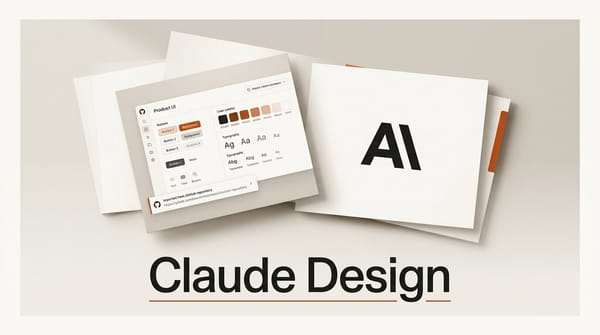
Anthropic shipped a major Claude Design update on June 17, 2026 that imports your design system from GitHub, edits on a visual canvas, and hands off to Claude Code.
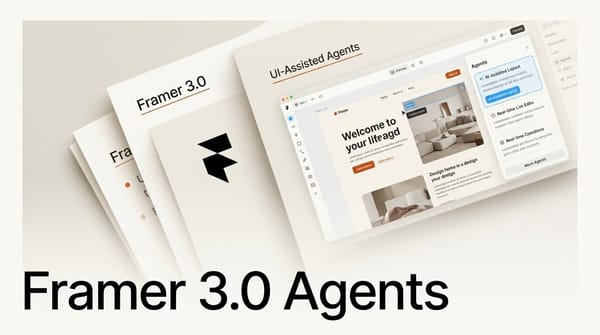
Framer 3.0 launched June 16 with Agents, AI that works inside your live project, editing pages, components, CMS, and SEO as native design work. Here is what it does, how the new AI-credit pricing works, and how it compares to v0, Webflow, and Wix.
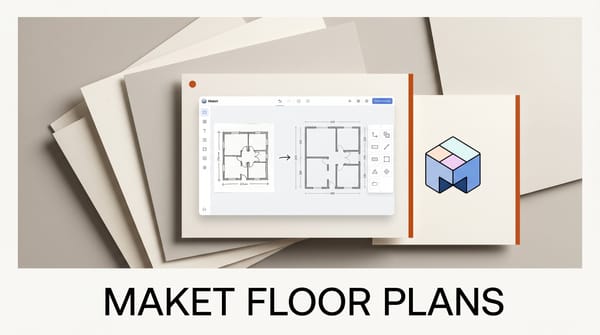
Maket's new Floor Plan Upload uses AI to turn existing PDF, JPG, or PNG floor plans into editable, dimension-accurate 3D layouts in minutes.
Ten AI design tools tested through May 2026 with real pricing, time-to-output benchmarks, and clear picks by use case across product, marketing, and brand work.
Hallmark is a new open-source design skill for Claude Code, Cursor, and Codex that forces AI coding assistants to build interfaces that do not look AI-generated.
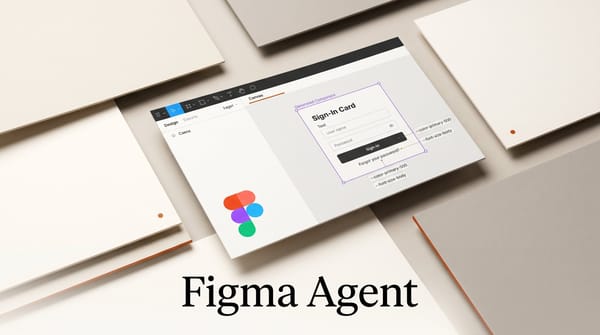
Figma's new Design Agent writes editable frames using your real components. Join the free beta, connect Claude Code via MCP, write a Skills file, and ship your first AI-built screen in 30 minutes.
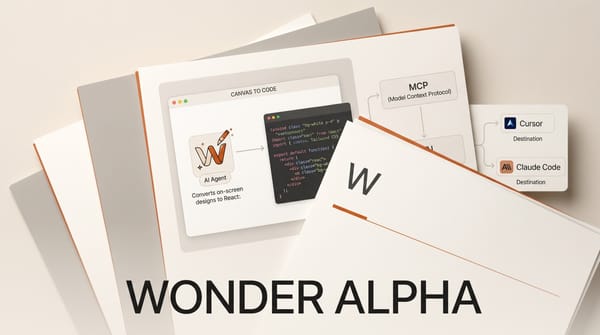
Wonder launched its public alpha April 30, 2026: AI design agent on canvas that ships React + Tailwind code via MCP to Cursor and Claude Code. Ranked #3 on Product Hunt with 232 votes shortly after launch.
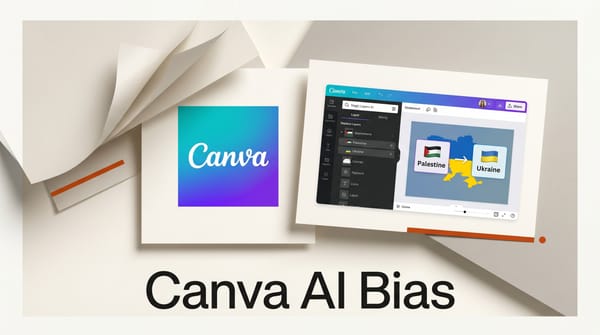
Canva apologized after its Magic Layers AI tool replaced the word Palestine with Ukraine in user designs, triggering immediate backlash from the creative community.
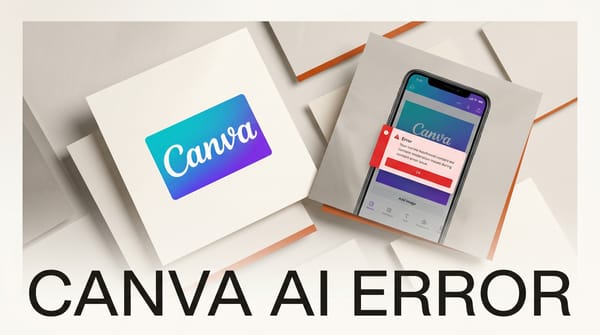
Canva's Magic Layers AI feature automatically replaced the word 'Palestine' with 'Ukraine' in user designs. Canva acknowledged the bug and issued an apology on April 27, 2026.
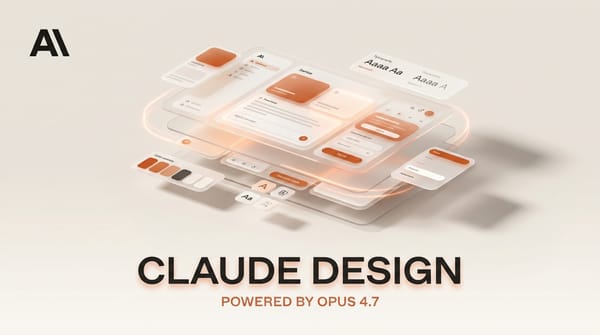
Anthropic launched Claude Design on April 17, a research preview that lets Claude Opus 4.7 generate interactive prototypes, pitch decks, and landing pages through conversation.
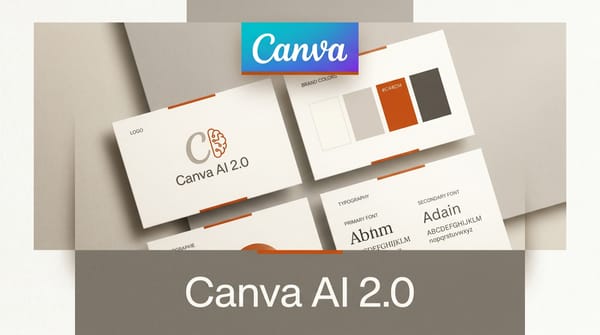
Canva launched Canva AI 2.0 on April 16, 2026 at Create in Los Angeles, upgrading its AI assistant into a fully agentic design engine with tool orchestration, persistent memory, and workflow integrations.
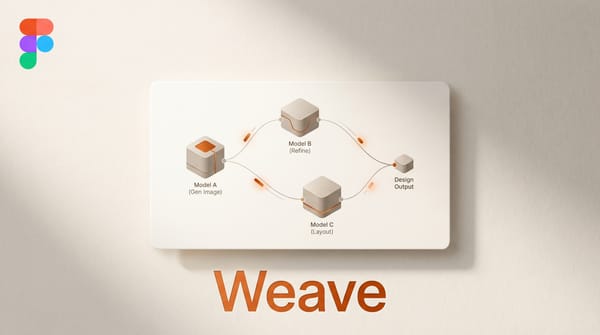
Figma Weave connects 20+ AI models from 12 providers into a node-based canvas. Analysis of multi-model orchestration, App Mode, and what it means for design teams.
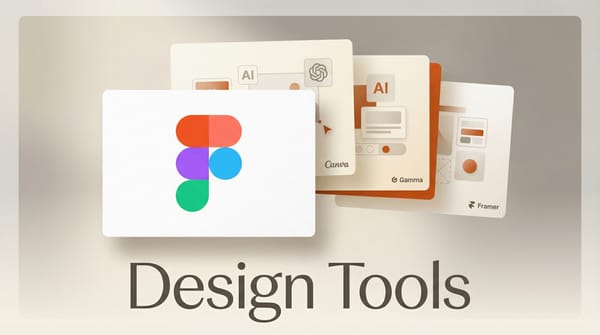
Gamma hit 100 million users. Figma shipped AI agents. Canva integrated Leonardo AI. Framer launched shaders and a Server API. A data-driven comparison of the four platforms reshaping design in Q1 2026.
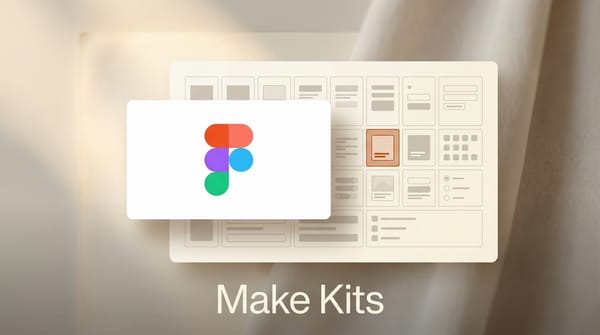
Figma launched Make Kits and Make Attachments, two features that let design system authors teach Figma Make how to use their components and reference real data during AI generation.
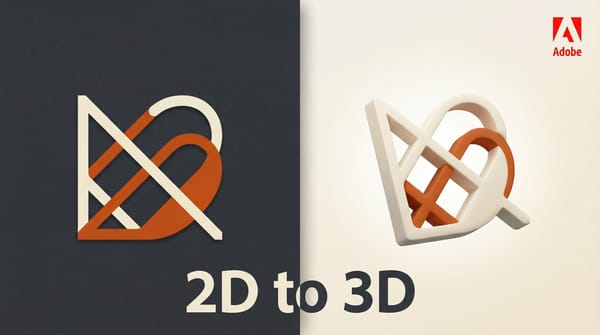
Adobe Illustrator Turntable is now generally available, automatically generating up to 74 editable 3D views from a single 2D vector.
Spline Omma generates production-ready 3D web experiences from natural language prompts using parallel AI agents, with a Code API that exports to React, Next.js, and XR.
Spline launched Omma on March 24, an AI canvas that generates interactive 3D web experiences from natural language prompts using parallel agents.
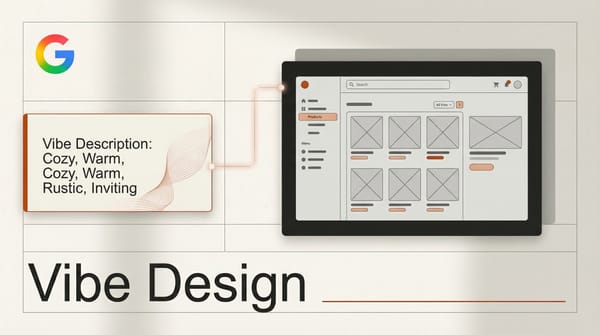
Google Labs launched Stitch, a free AI-native design platform that translates natural language descriptions into high-fidelity UI designs through what the company calls vibe design.