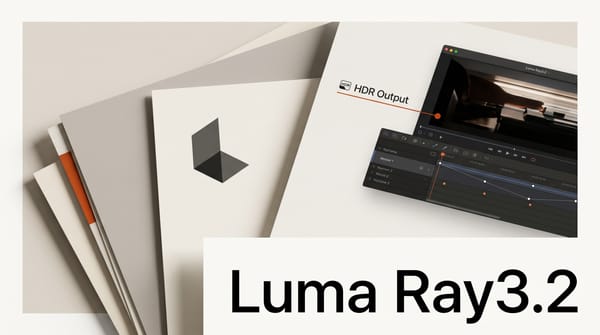
Luma Ray3.2 Adds Keyframe Control and HDR Video
Luma AI released Ray3.2 on June 9, 2026, a video generation update built around frame-level creative control, with up to 16 keyframes per clip, native HDR, and 16-bit EXR export.
Deep dives, tutorials, and analysis for AI-powered creators.
Luma AI released Ray3.2 on June 9, 2026, a video generation update built around frame-level creative control, with up to 16 keyframes per clip, native HDR, and 16-bit EXR export.
Apple's Xcode 27 ships seven official Agent Skills, and one command exports them into the ~/.agents folder that Claude, Codex, and Cursor already read.

New York's first-in-the-nation rule for AI actors is now live. As of June 9, 2026, any advertisement featuring an AI-generated synthetic performer must carry a clear disclosure.
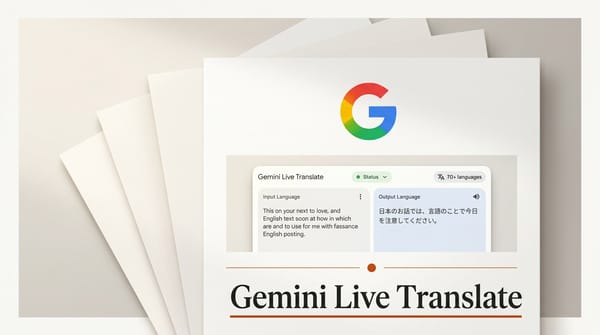
Google launched Gemini 3.5 Live Translate, streaming speech-to-speech translation in 70+ languages while keeping the speaker's own voice.
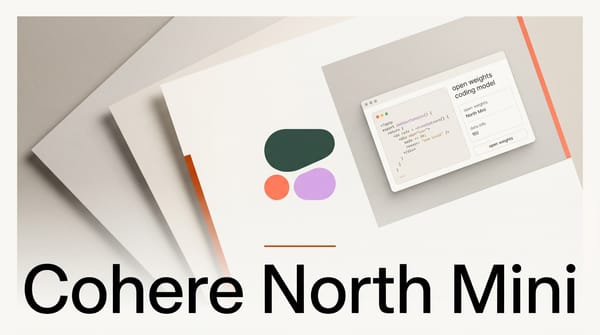
Cohere released North Mini Code 1.0 on June 9, 2026, an open-weights 30B Mixture-of-Experts coding model that runs on modest hardware under Apache 2.0.

Google cut the price of its AI Plus subscription to $4.99 a month, down from $7.99, and doubled the included cloud storage to 400GB. The change turns the AI subscription fight toward price.
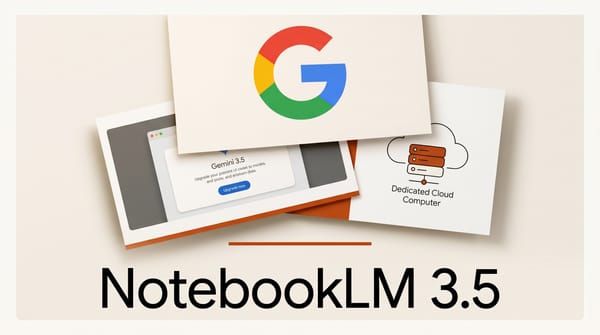
NotebookLM gains Gemini 3.5 plus a per-notebook secure cloud computer with 100+ skills. Outputs include PDFs, spreadsheets, and slide decks.
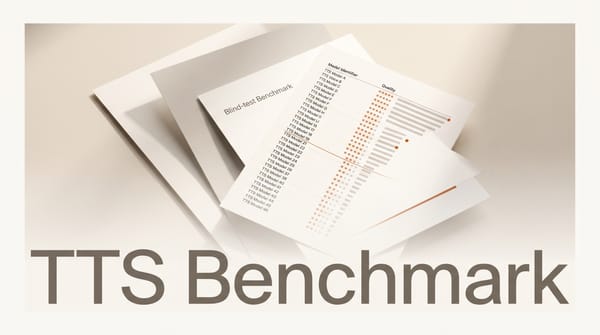
A revamped open-source TTS benchmark now compares 46 text-to-speech models using objective scores and blind human voting, so creators can see which voices actually hold up.
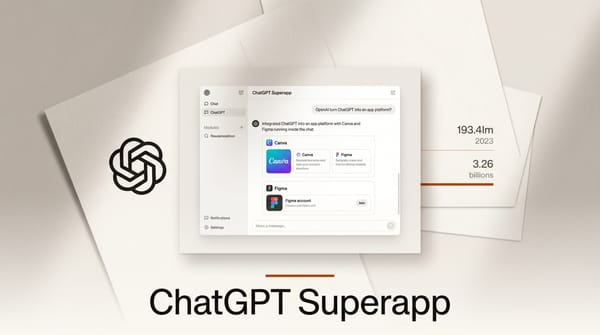
OpenAI is reportedly planning to turn ChatGPT into an app platform with Canva, Figma, and Spotify inside chat. A reported plan, not yet shipped.
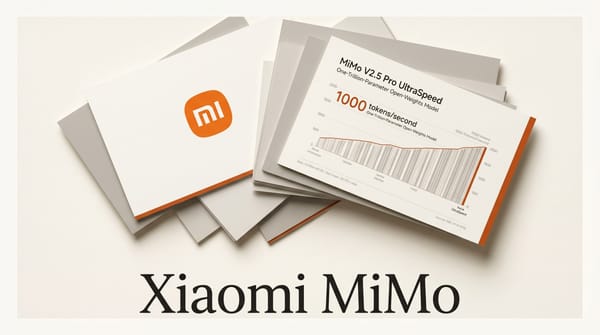
Xiaomi MiMo-V2.5-Pro-UltraSpeed claims 1000 tokens per second decode on a 1T MoE. Open-weights FP4 checkpoint plus a 2-week free API trial.
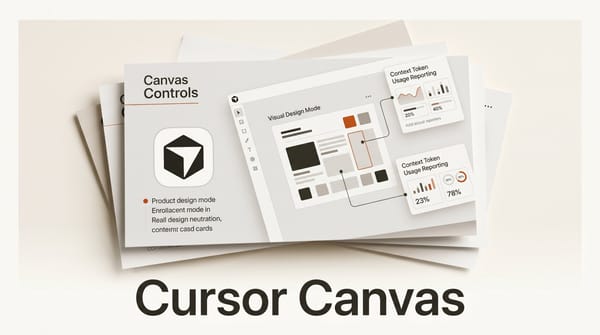
Cursor shipped two canvas features on June 4: Design Mode for annotating UI elements directly, and a Context Usage Report that audits where the agent spends its tokens.
ChatGPT Dreaming V3 updates its memory while you sleep, synthesizing conversation patterns into actionable preferences without manual input.
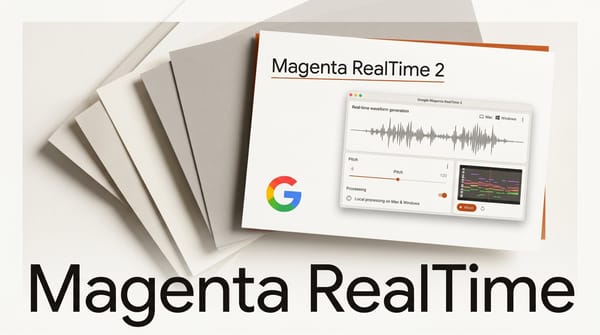
Google Magenta RealTime 2 runs live music generation locally on Mac and Windows, producing instrument tracks in real time from text prompts.
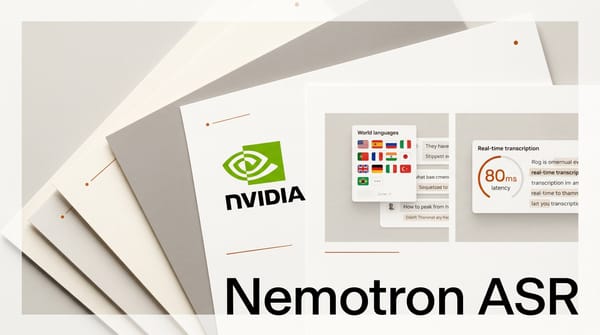
NVIDIA released Nemotron 3.5 ASR on June 4: an open 600M streaming speech model covering 40 language-locales with sub-100ms latency for voice agents.
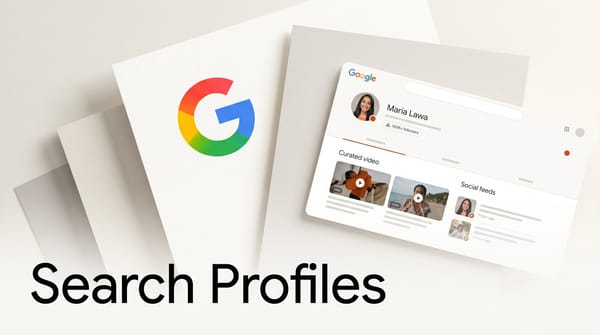
Google launched Search Profiles for creators on June 4: a customizable Search and Discover card for accounts above the 100K-follower threshold.
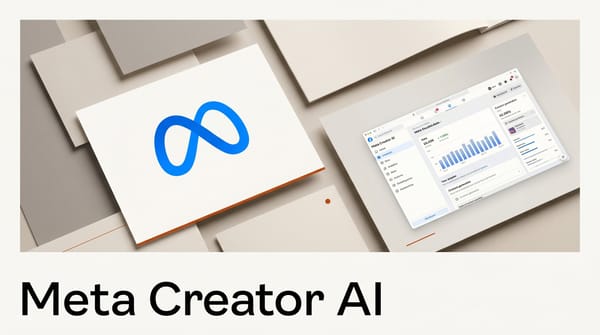
Meta launched a new AI creator assistant on Facebook on June 4, 2026, giving creators a conversational interface for audience and performance analysis.
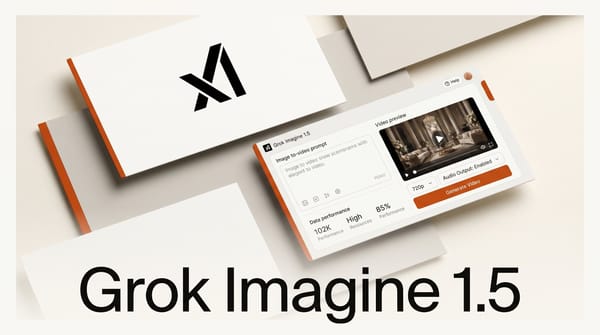
xAI Grok Imagine 1.5 takes the top spot on the image-to-video arena leaderboard with 720p generation and synchronized audio output.
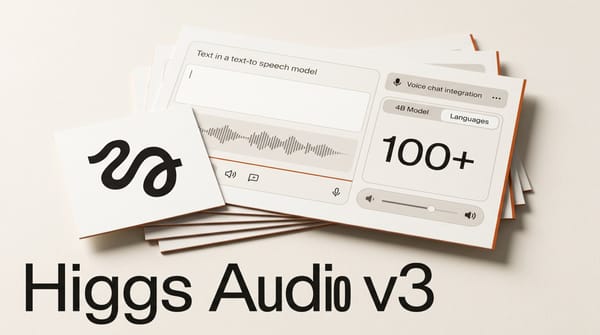
Boson AI has released Higgs Audio v3 TTS 4B, a 4-billion-parameter text-to-speech model built for voice chat. It supports 100 languages with zero-shot voice cloning and inline emotion control tokens.