Alibaba's Qwen team released Qwen3.8-LiveTranslate on 19 September 2026, a real-time simultaneous interpretation model that cuts average lagging (LAAL) from 2.8 seconds to 2.3 seconds, a drop of roughly 18%. The announcement leads on two numbers: that 2.3 second lag, and support for 60 languages. Both are real. Neither is the number that will decide your bill.
The model is API-only, served as qwen3.8-livetranslate-flash-realtime over a WebSocket Realtime API on Alibaba Cloud Model Studio. Qwen described it as built on an Interleave architecture over a Hybrid MoE backbone, split into a Thinker that arranges video, audio, source text and translation into one causal sequence, and a Talker that synthesizes speech while preserving the source speaker's timbre. Coverage on 19 September repeated the lag figure and the language count, and stopped there.
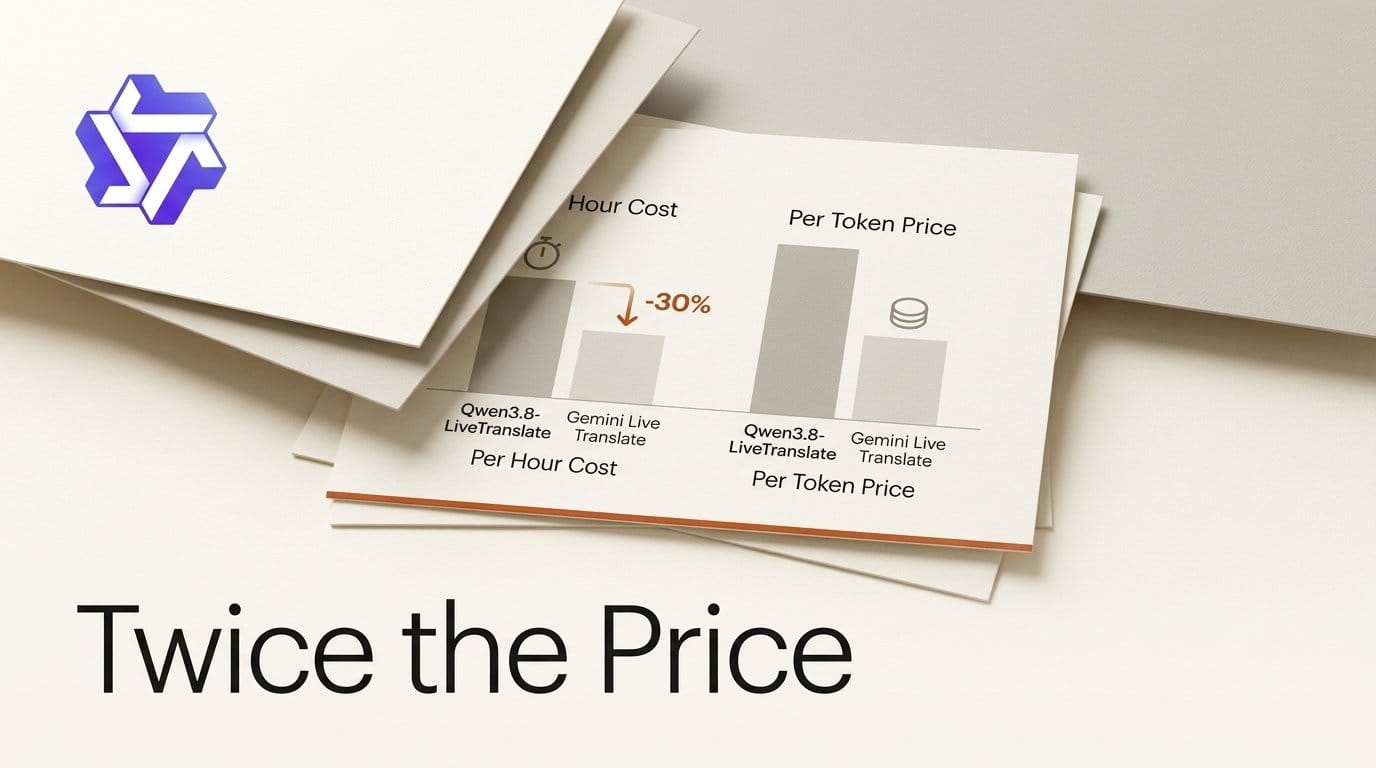
Read the pricing documentation instead and a more useful result falls out. Qwen charges more than double Google's per-token price on audio input and still comes in about 30% cheaper per hour than Gemini 3.5 Live Translate, the only other model built specifically for this job. The reason is a metering rate that appears in neither company's headline.
What Alibaba actually shipped
Qwen3.8-LiveTranslate is the third generation of this model line. The Model Studio documentation lists qwen3.8-livetranslate-flash-realtime as the recommended model, with qwen3.5-livetranslate-flash-realtime (an alias for a snapshot dated 2026-05-19) and a legacy qwen3-livetranslate-flash-realtime still listed alongside it. The jump from 3.5 to 3.8 took four months.
Three capabilities are new. Real-time speaker diarization separates speakers in multi-party audio and holds each speaker's cloned voice steady across turns. Synchronized bilingual display returns source and translation together. Long-context disambiguation uses conversation history to keep names and terminology consistent, which is the failure mode that makes most live interpretation unusable for technical talks.
None of the weights are open. That is worth saying plainly about a lab whose reputation rests on open releases, and it is the second time this month Qwen has tightened access: the image team moved Qwen-Image-2.1 from Apache 2.0 to a research license on 20 September. LiveTranslate never had open weights to lose. All three generations have been API-only.
The per-hour price inverts the per-token price
Here is the comparison that matters, with every figure either published by the vendor or derived from published billing metrics. The speech-to-speech column assumes one hour of continuous audio in and one hour of synthesized audio out, which is what simultaneous interpretation actually is.
| Model | Audio in, per 1M tokens | Audio out, per 1M tokens | Cost per hour, speech to speech |
|---|---|---|---|
| Qwen3.8-LiveTranslate (Beijing) | $5.653 | $22.613 | $1.16 |
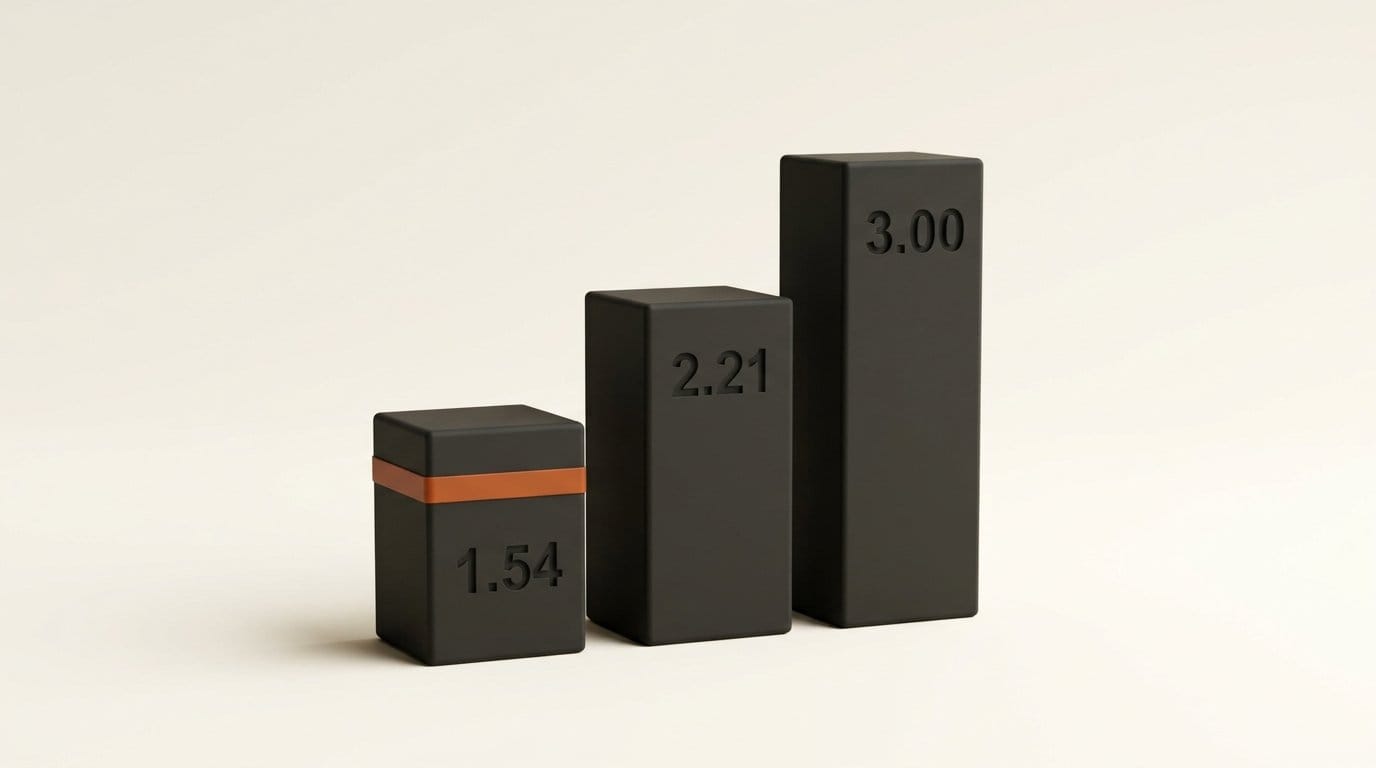
| Qwen3.8-LiveTranslate (Singapore) | $7.50 | $30.00 | $1.54 |
| Gemini 3.8 Live | $3.00 | $12.00 | $1.38 |
| Gemini 3.5 Live Translate | $3.50 | $21.00 | $2.21 |
| GPT-Live-1 | Flat $0.05 per minute, billed per second | $3.00 | |
Against its direct competitor, Qwen3.8-LiveTranslate in Singapore costs $1.54 an hour where Gemini 3.5 Live Translate costs $2.21, about 30% less, while charging 2.14 times as much per input token and 1.43 times as much per output token. An independent estimate from AlphaSignal put the Singapore figure at about $1.54 an hour, matching the calculation above.
The Beijing region is cheaper again at $1.16 an hour, about 25% below Singapore for identical output. If your latency budget tolerates the routing, that is the cheapest dedicated interpretation endpoint on this table.
Why the headline price misleads: tokens per second
A per-token price is meaningless for audio until you know how many tokens a second of audio becomes. The two vendors answer that question very differently, and neither puts the answer in the pricing headline.
| Metric | Qwen3.8-LiveTranslate | Gemini Live API |
|---|---|---|
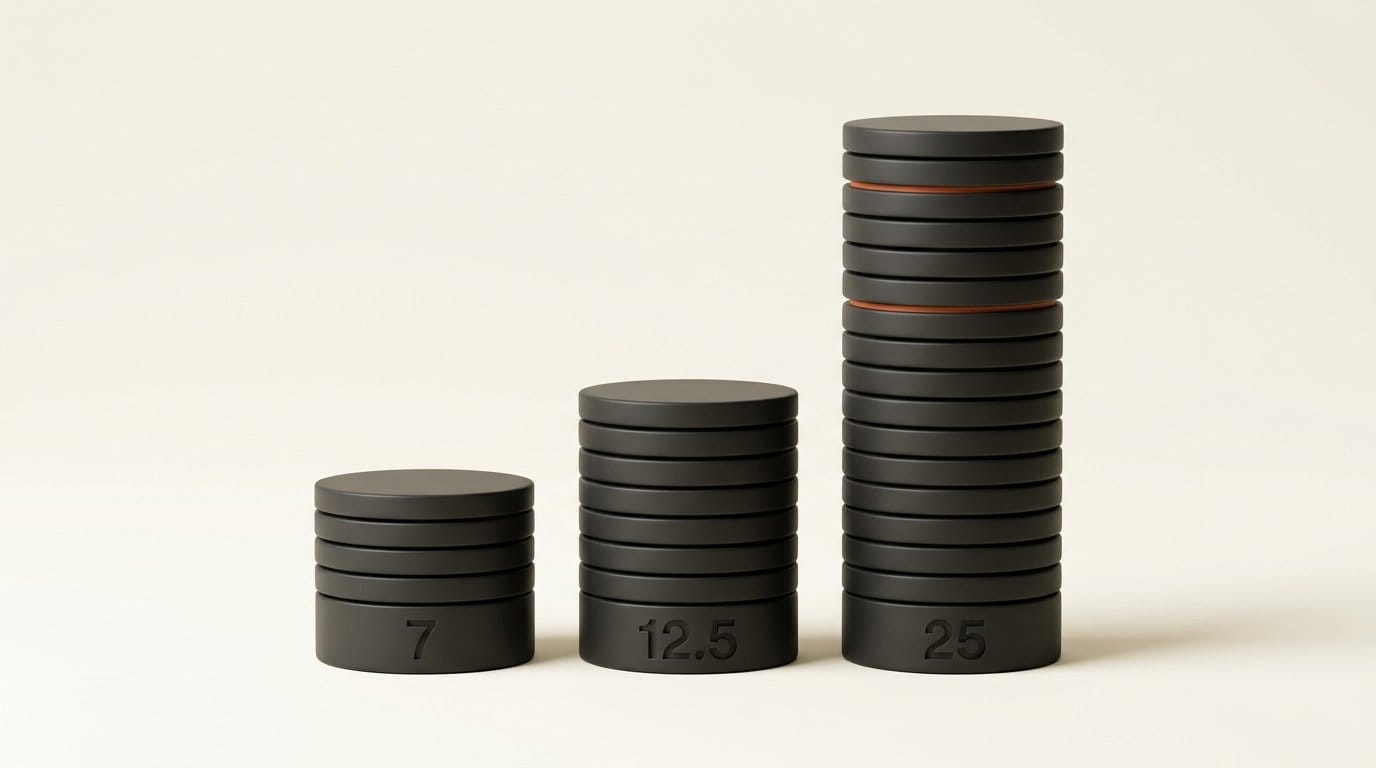
| Audio input, tokens per second | 7 | 25 |
| Audio output, tokens per second | 12.5 | 25 |
| Input tokens per hour of audio | 25,200 | 90,000 |
| Output tokens per hour of audio | 45,000 | 90,000 |
Alibaba's LiveTranslate realtime documentation states the billing metrics directly: audio input bills at 7 tokens per second, audio output at 12.5 tokens per second, and images at 0.5 tokens for every 32 by 32 pixel block. Google's Live API bills audio at 25 tokens per second in both directions.
That is the whole trick. Google bills 3.57 times as many tokens for the same second of incoming audio and twice as many for the same second of outgoing speech. A cheaper token, billed three and a half times as often, is not a cheaper minute. Any comparison that stops at the per-million-token column gets this exactly backwards.
Note the asymmetry inside Qwen's own pricing too. Listening costs $0.19 an hour. Talking costs $1.35 an hour, about 7.1 times more, because output tokens accrue faster (12.5 against 7 per second) and cost four times as much each. The expensive half of interpretation is the voice you generate, not the audio you feed in. If your use case can accept text output instead of speech, you drop to the $20 per million text rate and stop paying the fixed 12.5 tokens per second entirely.
Sixty languages, twenty-nine voices
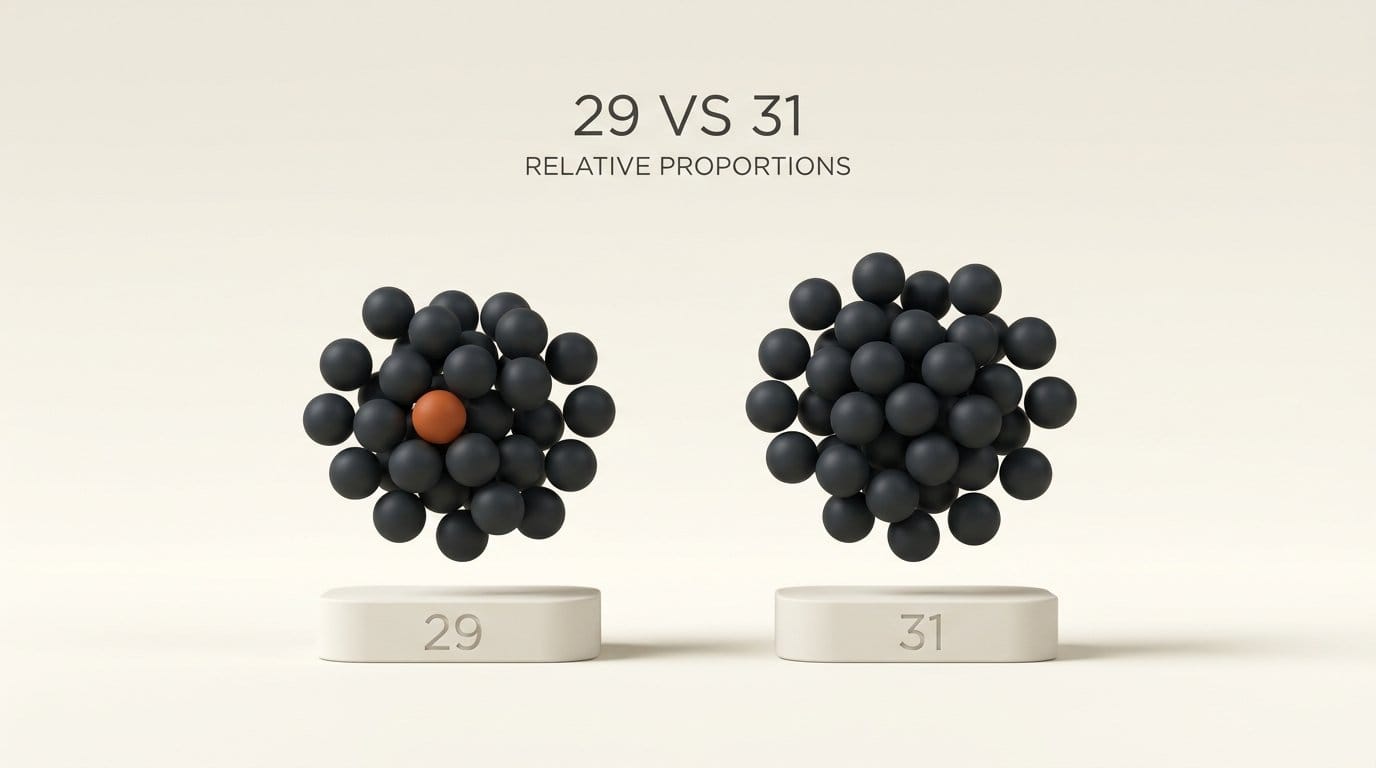
The 60 language figure is doing a lot of work. Alibaba's model reference is specific: the model understands 60 languages and supports speech output in 29 of them, including Chinese, English, French, German, Russian, Japanese, Korean, Spanish, Portuguese and Arabic. The remaining 31 return text only.
For a model whose entire category is simultaneous interpretation, that means it performs its headline function in fewer than half the languages it advertises. If your target language is in the 31, you are buying a very good real-time subtitle generator, not an interpreter, and you should price it against text output rather than audio output. That is a materially different product and a materially different bill.
Check your specific language pair before you build anything. The gap between 60 and 29 is where most disappointment with this model is going to come from, and it is not mentioned in the announcement.
The ceilings that are not in the announcement
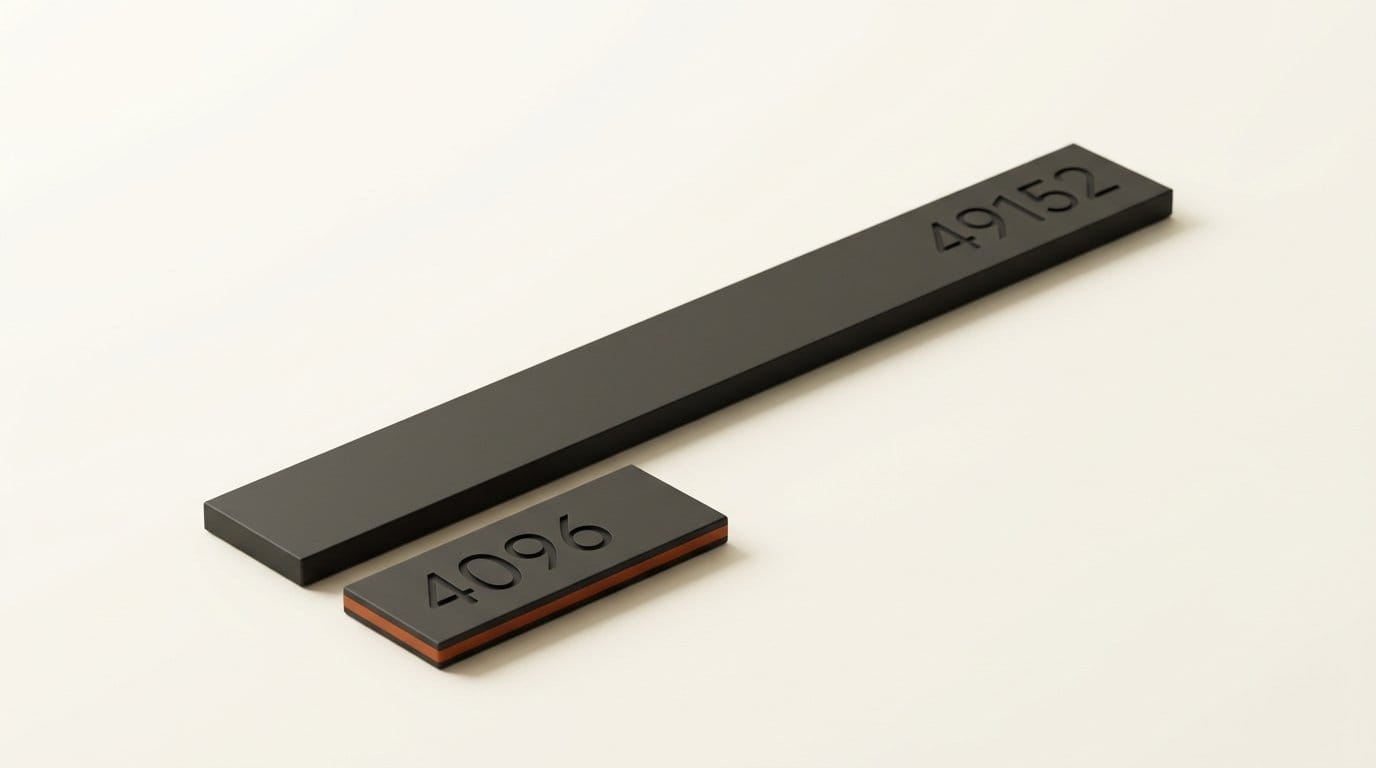
The documented limits are a context window of 53,248 tokens, a maximum input of 49,152 tokens, and a maximum output of 4,096 tokens. Converted through the billing rates above, those become time limits:
- Maximum input: 49,152 tokens at 7 tokens per second is 7,021 seconds, or 1 hour 57 minutes of audio.
- Maximum output: 4,096 tokens at 12.5 tokens per second is 328 seconds, or 5 minutes 28 seconds of synthesized speech.
The asymmetry is stark and deserves care rather than alarm. In a streaming WebSocket API a 4,096 token output ceiling is almost certainly a per-response limit rather than a per-session one, and the documentation does not say which. Treat it as a known unknown: before you commit to a two-hour conference stream, run one and watch where the output actually stops. Do not assume either reading.
The rate limits are firmer and lower than most people will expect: 10 requests per minute and 100,000 tokens per minute. A single speech-to-speech stream consumes 19.5 tokens per second, or 1,170 per minute, so the token ceiling allows roughly 85 concurrent streams. The 10 requests per minute cap is the tighter constraint for anything that opens and closes sessions frequently, such as per-viewer streams in a live product.
Turning on the camera costs more than the talking
LiveTranslate accepts video, which Qwen calls visual enhancement: the model can use on-screen slides and lip movement to disambiguate speech. Images bill at 0.5 tokens per 32 by 32 pixel block, at $0.55 per million tokens.
Work that through for a 1080p frame. A 1920 by 1080 image is 2,073,600 pixels, which is 2,025 blocks of 32 by 32, which is 1,012.5 tokens, or about $0.00056 a frame. Sampled at one frame per second for an hour, that is 3,645,000 tokens and about $2.00, which is more than the $1.54 you paid for a full hour of speech in and speech out.
The frame rate is the assumption to check, since Alibaba does not document a default sampling rate, and a lower rate scales the cost down proportionally. But the shape of the result holds: the visual channel is not a free accuracy upgrade. It is potentially the largest line on the invoice, and it is the one nobody is quoting.
Who should use it, and who should not
Use it if you are interpreting between two of the 29 speech-supported languages, you want the speaker's own timbre preserved across a multi-speaker session, and per-hour cost matters more than ecosystem familiarity. On those terms it is the cheapest dedicated interpretation endpoint available, and the diarization plus voice-preservation combination is genuinely ahead of assembling the same pipeline from separate transcription and text-to-speech stages, an approach whose seams we measured in the Qwen3-TTS serving stack comparison.
Skip it if your language pair falls in the text-only 31, if you need open weights, if you cannot route to Alibaba Cloud for policy reasons, or if 10 requests per minute does not fit your session pattern. For per-minute simplicity rather than per-token arithmetic, GPT-Live-1 bills a flat $0.05 a minute, which costs about twice as much per hour but removes every calculation on this page. For document and text translation rather than live speech, the tradeoffs are different again and we covered them in the Cohere North Small comparison.
The practical next step is small: price your own actual language pair and output modality against the 7 and 12.5 tokens per second metering, not against the per-million-token headline. For most creator workloads that single correction changes the answer about which vendor is cheapest.
Frequently asked questions
Is Qwen3.8-LiveTranslate open weights?
No. It is API-only, served as qwen3.8-livetranslate-flash-realtime through the WebSocket Realtime API on Alibaba Cloud Model Studio and QwenCloud. No weights have been published for this model or for either of its two predecessors.
How many languages does it actually speak?
It understands 60 and produces speech in 29. The other 31 return text only. For a simultaneous interpretation model that distinction is the difference between an interpreter and a subtitle generator, so confirm your specific target language before building.
How much does an hour of live interpretation cost?
About $1.54 an hour in the Singapore region and about $1.16 in Beijing, for continuous speech in and speech out. That is derived from the documented rates of 7 audio input tokens per second at $7.50 per million and 12.5 audio output tokens per second at $30 per million. Adding a video channel at one frame per second roughly doubles it.
Is it cheaper than Gemini 3.5 Live Translate?
Yes, by about 30% per hour, despite charging more than twice as much per input token. Gemini's Live API meters audio at 25 tokens per second in both directions against Qwen's 7 and 12.5, so Google bills far more tokens for the same audio. The per-token price alone gives the wrong answer.
What is the LAAL figure and does it matter?
LAAL is average lagging, the delay between source speech and translated output. Qwen reports a cut from 2.8 seconds to 2.3 seconds, roughly 18%. It is an average across 60 languages, so your specific pair may differ, and Alibaba has not published a per-language breakdown.
What are the rate limits?
Ten requests per minute and 100,000 tokens per minute. Since one speech-to-speech stream uses about 1,170 tokens per minute, the token cap permits roughly 85 concurrent streams, but the 10 requests per minute limit restricts how quickly new sessions can be opened.
Can I use it for dubbing recorded video?
It is built for live streams rather than files, and the maximum input of 49,152 tokens corresponds to about 1 hour 57 minutes of audio. For recorded work, a non-realtime pipeline will usually be cheaper and give you a chance to review output before publishing.