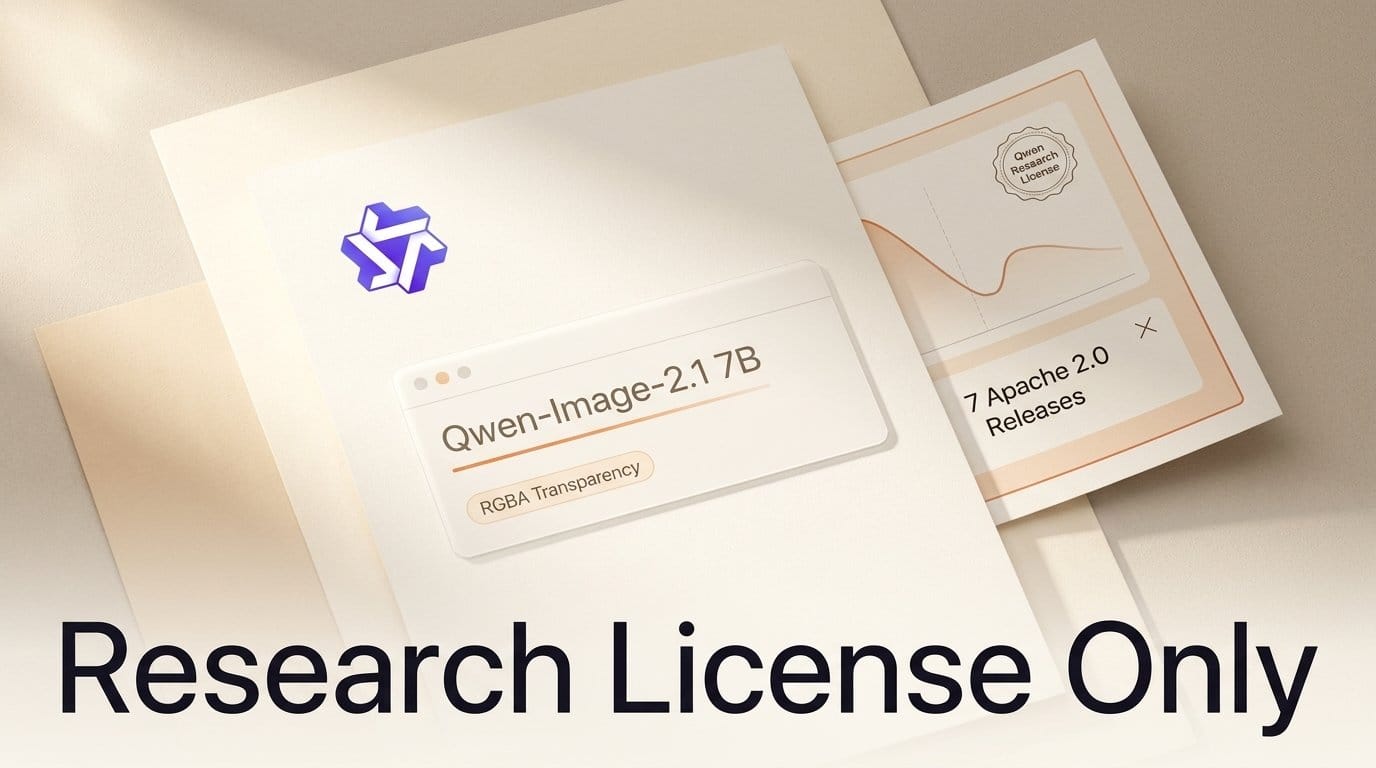
Alibaba's Qwen team published Qwen-Image-2.1 on September 20, 2026: 7B parameters in the visual generation component, native RGBA output, up to 10 reference images, 2048x2048 direct generation, and day-0 support in Diffusers, ComfyUI, vLLM-Omni, SGLang and LightX2V. It is the strongest open-weights image model the Qwen line has shipped. It is also the first one you are not allowed to sell work from. The weights ship under the Qwen Research License Agreement, dated September 20, 2026, which grants rights "FOR NON-COMMERCIAL PURPOSES ONLY" and defines Non-Commercial as "for research or evaluation purposes only." Every previous Qwen-Image weights release on Hugging Face, seven repositories with 1,397,000 downloads between them, is Apache 2.0.
What Qwen actually shipped
The model repository describes a lightweight architecture: 32 Single-Stream DiT layers, mixed-granularity attention, and prefix KV cache reuse, which Qwen says is what makes multi-reference editing cheap. The headline capabilities are real and specific. The model generates transparent images natively rather than matting them afterwards, so a sticker or a UI element comes out of the sampler with an alpha channel already attached. Editing accepts up to 10 reference images in one pass, with Qwen's own showcase demonstrating a group photograph assembled from six separate portrait references and a complete outfit assembled from five (model, clothing, shoes, bag, hat). Local edits can be directed by drawing circles or painted annotations rather than by building a separate mask.
Day-0 integration is unusually broad. Diffusers PR #14804 landed a QwenImage21Pipeline the same day, and ComfyUI shipped native support in v0.37.0, published at 15:27 UTC on release day. The story was the second-highest item on Hacker News within five hours, at 302 points and 115 comments. The Decoder reports that it runs on consumer hardware in the class of a 3090, and notes that independent benchmarks are still pending. Qwen has published no comparison table against named competitors, so treat quality claims as unverified for now.
The license is the story
Qwen-Image built its reputation on being the top-tier open image model you could actually put in a paid pipeline. That is what the Apache 2.0 tag bought, and the download numbers show it worked. Here is the full weights history on Hugging Face, with the license each repository carries today.
| Repository | Published | License | Downloads |
|---|---|---|---|
| Qwen/Qwen-Image | 2 Aug 2025 | Apache 2.0 | 307,901 |
| Qwen/Qwen-Image-Edit | 17 Aug 2025 | Apache 2.0 | 128,251 |
| Qwen/Qwen-Image-Edit-2509 | 22 Sep 2025 | Apache 2.0 | 473,808 |
| Qwen/Qwen-Image-Edit-2511 | 17 Dec 2025 | Apache 2.0 | 323,200 |
| Qwen/Qwen-Image-Layered | 17 Dec 2025 | Apache 2.0 | 79,081 |
| Qwen/Qwen-Image-2512 | 30 Dec 2025 | Apache 2.0 | 53,240 |
| Qwen/Qwen-Image-Bench | 21 May 2026 | Apache 2.0 | 31,519 |
| Qwen/Qwen-Image-2.1 | 20 Sep 2026 | Qwen Research | 183 |
| Qwen/Qwen-Image-2.1-PE-T2I | 20 Sep 2026 | Qwen Research | 0 |
| Qwen/Qwen-Image-2.1-PE-I2I | 20 Sep 2026 | Qwen Research | 0 |
The break is clean. Everything before today is Apache 2.0. All three repositories published today are Qwen Research. The download column is not a fair comparison yet, because the 2.1 weights went live hours ago, but the license column is not a matter of timing.
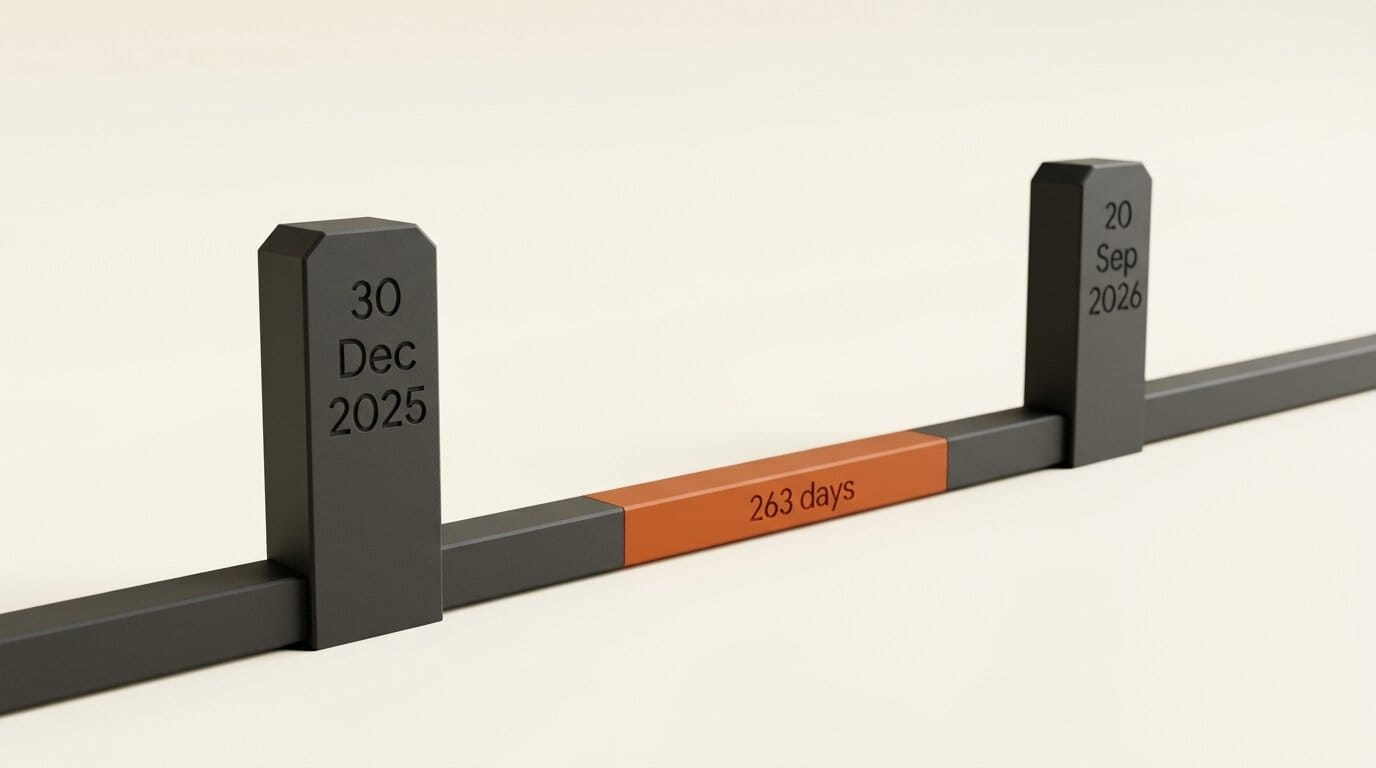
There is a second fact in that table worth sitting with: 263 days separate the last Apache 2.0 generation, Qwen-Image-2512 on 30 December 2025, from today's release. The line did not go quiet in that window. Qwen-Image-2.0 launched on 10 February 2026, and the news entry announcing it in the original Qwen-Image repository links only to a blog post and to Qwen Chat. Every prior entry in that same changelog says some version of "we released the weights, check Hugging Face and ModelScope." The 2.0 entry does not, and no 2.0 weights repository exists. Two months later the team shipped Qwen-Image-2.0-Pro as a paid API at $0.075 per 2K image. Read in sequence, the open line went dark for most of a year while the commercial product shipped, and the weights that came back today came back with the commercial use carved out of them.
What "non-commercial" actually says
The agreement is short and worth reading rather than summarizing, but four clauses do the work. Section 2(a) grants use, reproduction, distribution and modification "FOR NON-COMMERCIAL PURPOSES ONLY." Section 1(i) defines that term narrowly: "Non-Commercial shall mean for research or evaluation purposes only." Section 2(b) routes anything else to a negotiated agreement, with requests going to model-business@notice.qwencloud.com. Section 4(b) adds an attribution duty: if you use the model or its outputs to train or fine-tune a model you then distribute, you must display "Built with Qwen" or "Improved using Qwen" in your documentation.
Two structural details matter more than they look. The licensor is Hangzhou Tongyi Laboratory Technology Co., Ltd., and Section 8 puts governing law in China with exclusive jurisdiction in the People's Courts of Hangzhou City. And Section 5(c) is a patent-style retaliation clause: sue Qwen over the materials or anything they output, and your license terminates the day you file.
The practical reading for a working creator is simple. Testing the model, posting comparisons, writing a tutorial, using it in a personal project: fine. Delivering a client logo, a product render, a book cover, a thumbnail for a monetized channel, or anything that ships inside a paid product: not covered by the grant you were given. This is the same class of restriction we walked through for open-source lip-sync models, where the gap between "open weights" and "you may sell this" caught several teams mid-pipeline. Nothing here is legal advice, and a real commercial deployment deserves a real lawyer, but the license text is unambiguous about which side of the line paid work falls on.
The open image field just lost its last permissive flagship
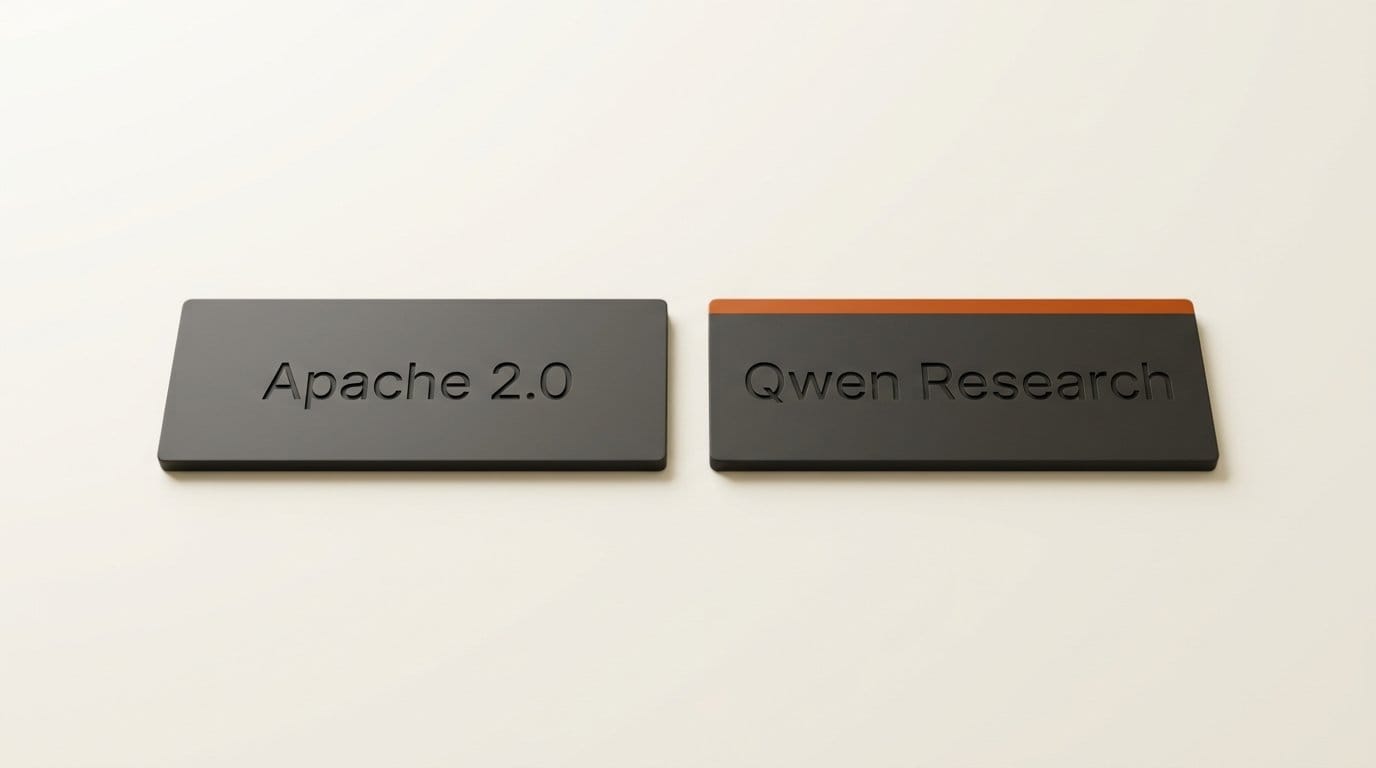
Qwen's Apache posture was not the norm. It was the exception, and it was the reason Qwen-Image kept winning on adoption. With 2.1 the field converges.
| Open image model | License | Commercial use | Downloads |
|---|---|---|---|
| Qwen-Image-2.1 | Qwen Research | Negotiated license required | 183 |
| FLUX.2-klein-9B | FLUX non-commercial | Negotiated license required | 180,014 |
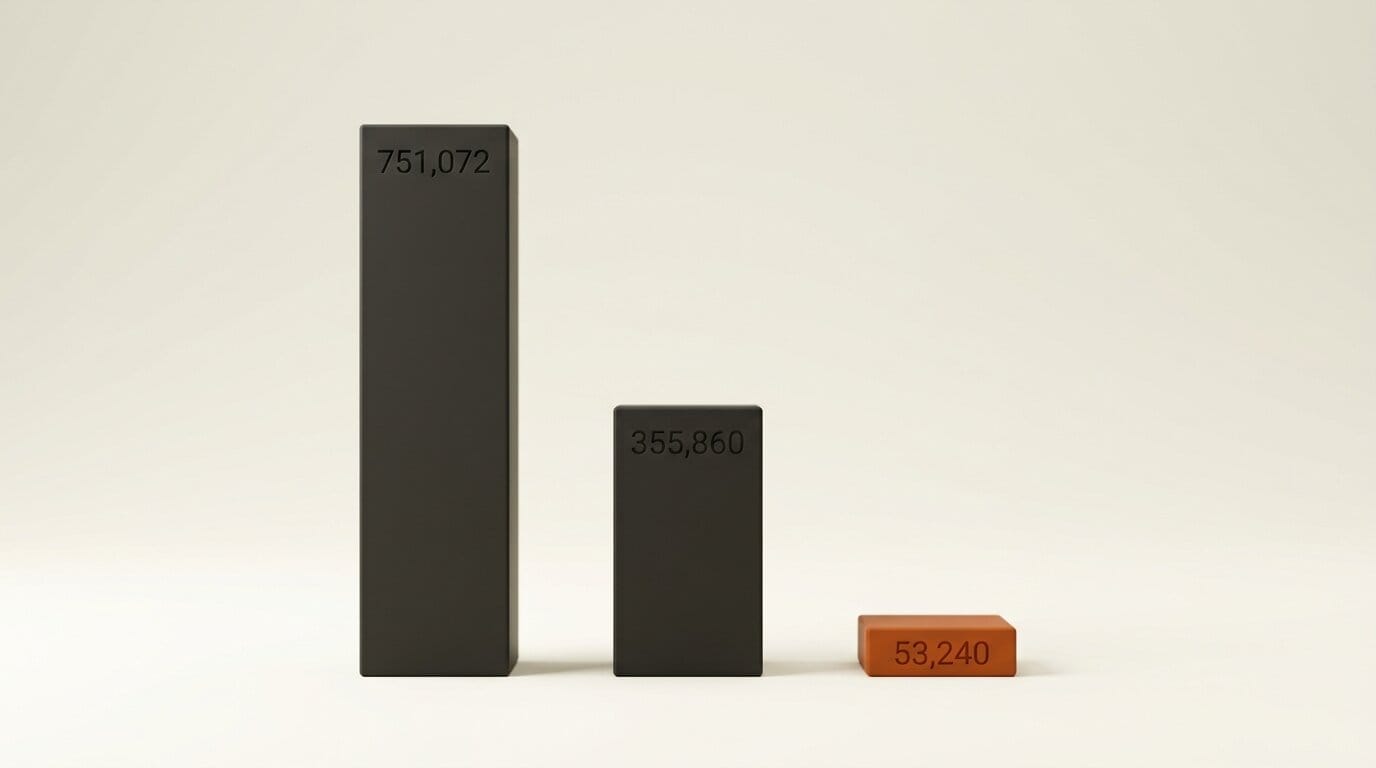
| FLUX.2-dev | FLUX non-commercial | Negotiated license required | 355,860 |
| FLUX.1-dev | FLUX.1-dev non-commercial | Negotiated license required | 751,072 |
| Stable Diffusion 3.5 Large | Stability AI Community | Revenue-capped | 102,773 |
| Qwen-Image-2512 | Apache 2.0 | Yes, unrestricted | 53,240 |
Read the bottom row again, because it is the actionable one. Qwen-Image-2512 and Qwen-Image-Edit-2511 are still up, still Apache 2.0, and still downloadable. Nobody revoked them. A license change applies to the release it ships with, not retroactively to weights already published under different terms. If you built a commercial pipeline on the December generation, that pipeline is intact. You just do not get to upgrade it. The same dynamic shaped how the FLUX.2-klein line landed with ComfyUI users earlier this year.
What this costs you inside ComfyUI
ComfyUI shipped day-0 support and a repackaged weights mirror, and that mirror carries the restriction forward: Comfy-Org/Qwen-Image-2.1 is tagged qwen-research and links directly to Qwen's LICENSE file. There is also a Comfy Cloud template for it, which means a paid GPU service is now one click away from running a model whose grant covers research and evaluation only. Neither the ComfyUI blog post nor the release notes mention the license at all. If your ComfyUI work is commercial, that is a gap you have to close yourself.
The hardware math also deserves a second look, because the "7B parameters" headline describes the DiT alone. What you actually download is bigger:
| Component | Precision | Size |
|---|---|---|
| Diffusion model | bf16 | 14.23 GB |
| Diffusion model | int8 convrot | 7.26 GB |
| Text encoder (Qwen3-VL 8B) | bf16 | 17.53 GB |
| Text encoder (Qwen3-VL 8B) | int8 convrot | 9.35 GB |
| Text encoder (Qwen3-VL 8B) | w4a8 | 6.31 GB |
| VAE | bf16 | 0.68 GB |
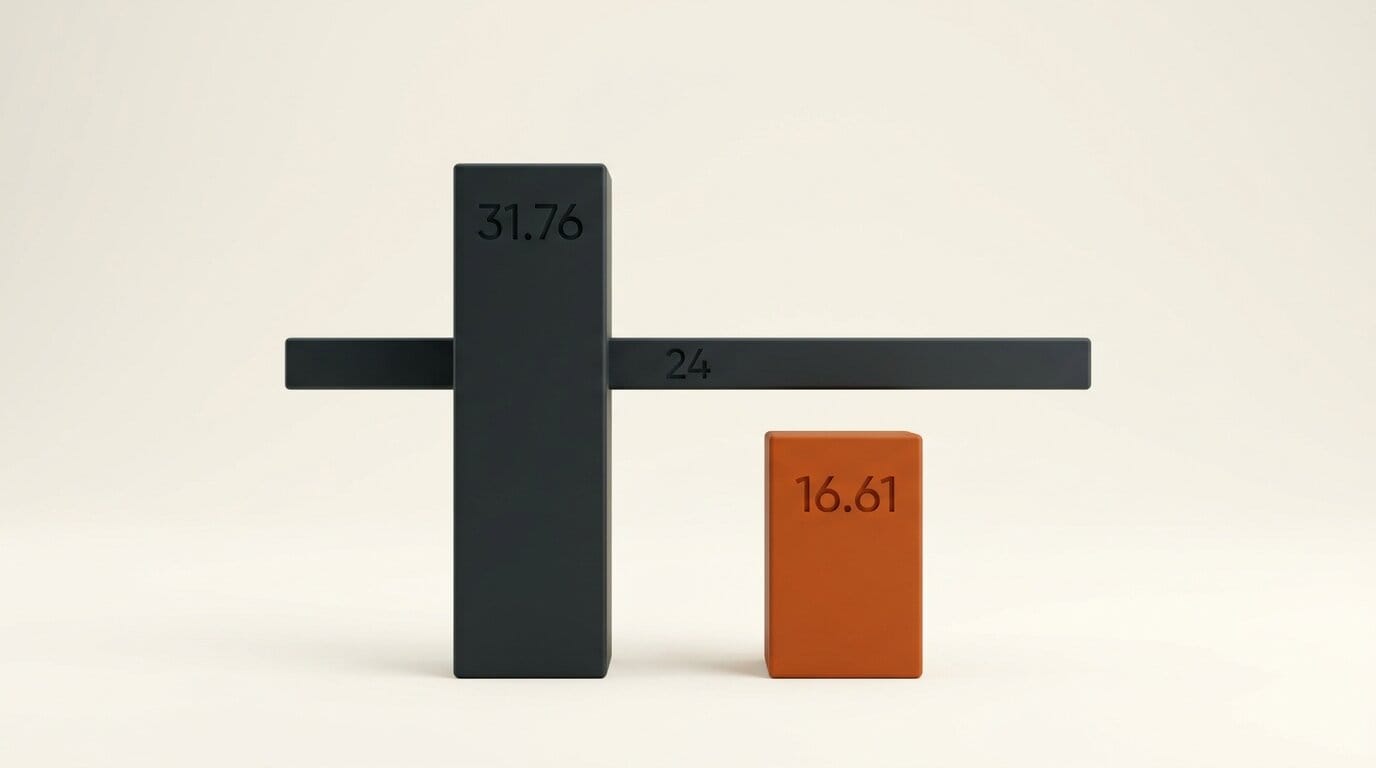
Add the full-precision pair and you are at 31.76 GB before the VAE, which does not fit on a 24 GB card. The int8 pair lands at 16.61 GB and does. The consumer-GPU claim is true, but it is a claim about the quantized path, and the full Hugging Face repository is 33.13 GB on disk. Budget accordingly, the way you would for any of the heavier production ComfyUI setups.
What to do next
If your work is commercial, pin Qwen-Image-2512 and Qwen-Image-Edit-2511 in your workflow files today and note the license in the same place, so the next person on the project does not upgrade the node and inherit a problem. If you want 2.1 specifically for client work, the negotiated route through model-business@notice.qwencloud.com is the only clean path, and you should start it before you build the pipeline, not after. If your work is personal, editorial, or evaluative, download it and enjoy it: the transparency and multi-reference features are genuinely ahead of what the Apache generation could do, and the research grant covers exactly what you are doing.
Frequently asked questions
Can I sell images made with Qwen-Image-2.1?
The license grant covers non-commercial purposes only, which Section 1(i) defines as research or evaluation. Selling work produced with the model is outside that grant unless you obtain a separate commercial license from Qwen. This is a summary of the published text, not legal advice.
Does the license change affect the older Qwen-Image models I already use?
No. Qwen-Image, Qwen-Image-Edit, Qwen-Image-Edit-2509, Qwen-Image-Edit-2511, Qwen-Image-Layered and Qwen-Image-2512 are all still published under Apache 2.0 and remain downloadable. A license applies to the release it ships with. Existing commercial pipelines built on those weights are unaffected.
What is the best commercially usable open image model now?
Qwen-Image-2512 remains the strongest top-tier open image model under a fully permissive license, with Qwen-Image-Edit-2511 covering the editing side. Stable Diffusion 3.5 Large is usable commercially under a revenue-capped community license. The FLUX.1 and FLUX.2 development releases all require a negotiated license for commercial use.
How much VRAM does Qwen-Image-2.1 need?
The bf16 diffusion model and bf16 text encoder together are 31.76 GB, which exceeds a 24 GB card. The int8 convrot versions total 16.61 GB and fit, and a w4a8 text encoder drops the encoder to 6.31 GB. Reports of the model running on 3090-class hardware describe the quantized path.
Is Qwen-Image-2.1 better than the Apache 2.0 version?
On features, clearly: native RGBA output, up to 10 reference images, annotation-driven local edits and 2048x2048 direct generation are all new. On measured quality, there is no answer yet. Qwen has published no benchmark table naming competitors, and independent evaluations have not landed.
Why did Qwen change the license?
Qwen has not said. The sequence is documented, though: the last Apache weights shipped 30 December 2025, Qwen-Image-2.0 launched in February 2026 as a product with no weights release, Qwen-Image-2.0-Pro followed as a paid API in April, and the weights returned today under a research grant. A commercial product now exists alongside the open line, which it did not in 2025.