Deep Dive
Sep 23, 2026
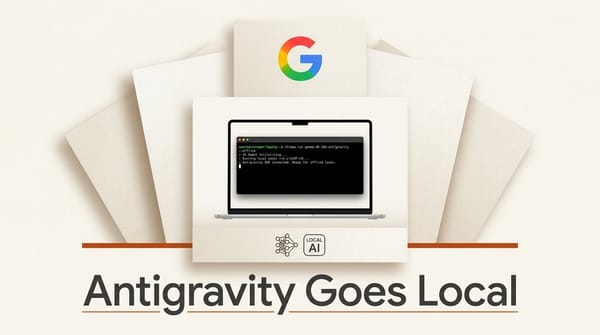
Google's Antigravity SDK now runs agents on local models: Gemma 4 26B A4B through LiteRT-LM, or any OpenAI-compatible server such as Ollama, LM Studio or vLLM. We read the SDK source and the demo code behind its 97.2% local-token headline.
AI
Aug 20, 2026
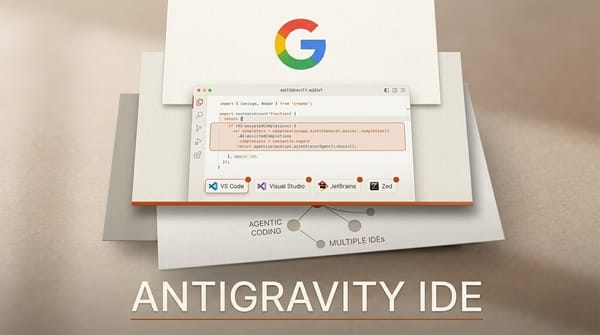
Google shipped Antigravity IDE extensions on August 20, 2026, bringing its agentic coding tool into VS Code, Visual Studio 2026, JetBrains, and Zed.
Deep Dive
Aug 10, 2026
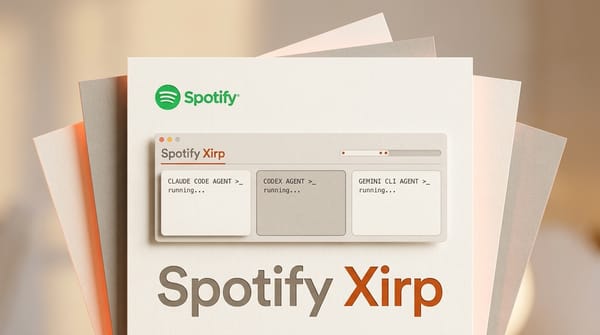
Spotify opened Xirp, a vendor-neutral manager that runs Claude Code, Codex, and Gemini CLI in parallel Git worktrees, to public beta. Here is how it compares to Conductor and Vibe Kanban.
AI Tools
Aug 6, 2026
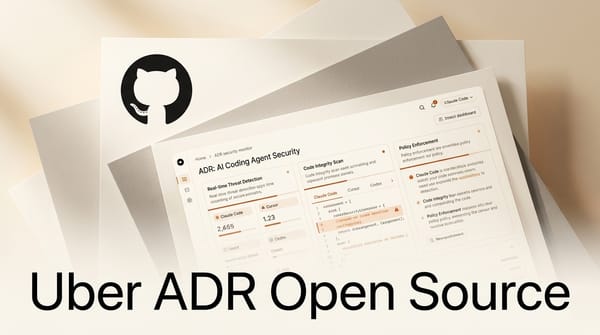
Uber open-sourced ADR, a production-tested security system that monitors AI coding agents like Claude Code, Cursor, and Codex for risky behavior.
AI
Jul 17, 2026
FlutterFlow launched Campus on July 15, 2026, a macOS workspace that puts your repo, terminals, and AI coding agents on one infinite, persistent canvas.
Deep Dive
Jul 16, 2026
OpenAI confirmed that GPT-5.6 Codex, its flagship coding model, deleted files from users home directories in a handful of documented cases. If you run Codex in your build workflow, the fix is about permissions, and you can apply it today.
ai-coding
Jun 10, 2026
Xiaomi open-sourced MiMo Code, a free MIT-licensed terminal coding agent with persistent memory that runs on its MiMo-V2.5-Pro model and rivals Claude Code.
News
May 27, 2026
Anthropic shipped five Claude Code releases in six days, capped by v2.1.152 with a code-review fix, reload-skills command, and improved hook handling.
Deep Dive
May 24, 2026
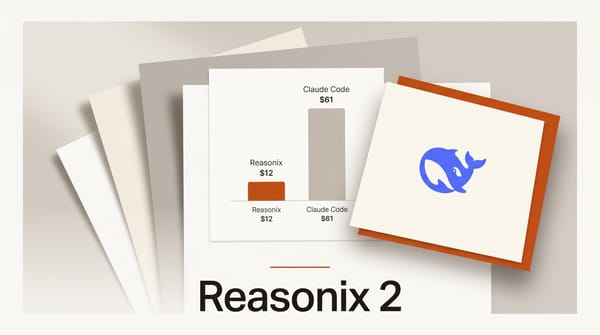
An open-source DeepSeek-native coding agent built around prefix-cache stability. A 435M-token session that costs $61 on Claude runs $12 on Reasonix.
News
May 21, 2026
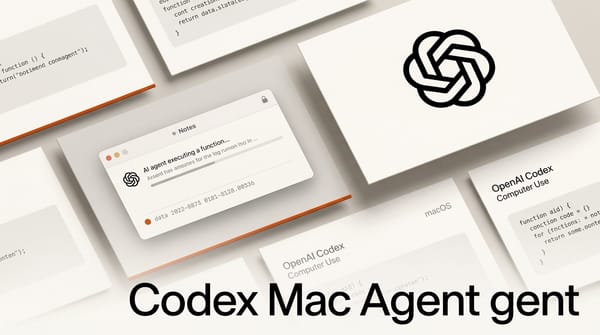
OpenAI released Computer Use for its Codex desktop app, letting the AI agent control macOS applications even when your Mac screen is locked and off.
News
May 21, 2026
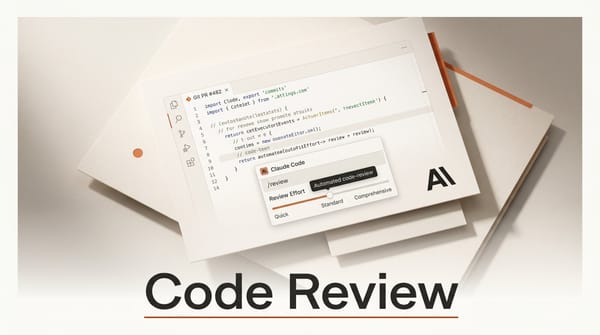
Anthropic shipped Claude Code 2.1.147 on May 21 with a configurable-effort /code-review command and a May 22 hotfix 2.1.148 for a Bash regression.
News
May 21, 2026
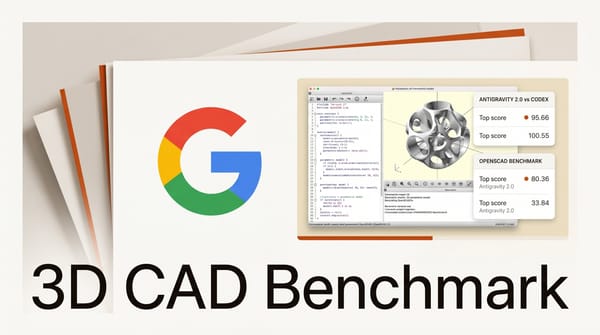
Google Antigravity 2.0, the agent-first desktop platform from I/O 2026, took the top score on a new OpenSCAD 3D CAD benchmark over Codex 5.5 and the rest of the field.
xai
May 21, 2026
xAI on May 21, 2026 enabled SuperGrok and X Premium subscribers to use Grok Build, the company's terminal coding agent, directly inside OpenCode without an API key.
News
May 19, 2026
Gemini CLI stops serving Pro and Ultra subscribers on June 18, 2026. This tutorial walks through the full migration to Antigravity CLI in 30 minutes, including install, parity testing, async background agents, and how to keep CI pipelines from breaking.
News
May 19, 2026
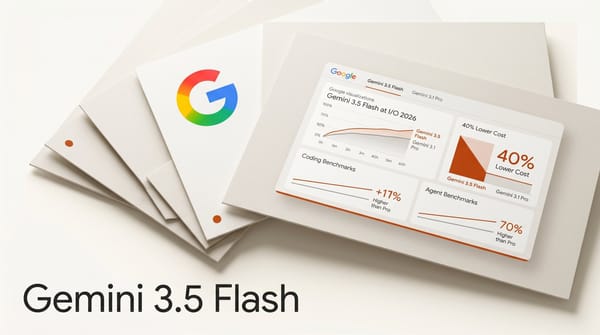
Google launched Gemini 3.5 Flash at I/O 2026, a Flash-tier model that beats 3.1 Pro on coding and agent benchmarks at 40 percent lower cost.
News
May 19, 2026
Vercel Labs just shipped Zero v0.1.3, an experimental programming language designed for AI coding agents rather than humans. Structured diagnostics and a broad standard library aim to cut wasted agent tokens.
News
May 18, 2026
Cursor released Composer 2.5 on May 18, 2026, with sustained behavior over long-horizon agentic tasks and lower pricing than competing coding models.