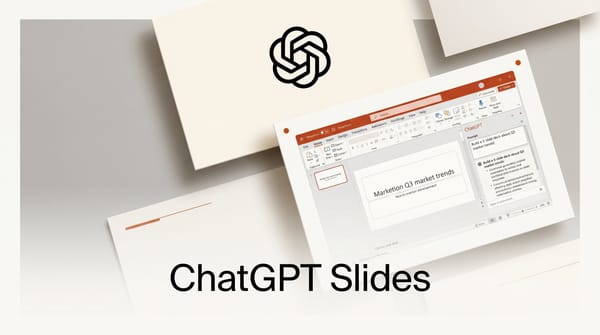
ChatGPT PowerPoint Plugin Builds Slides From Any Source
OpenAI shipped a ChatGPT add-in for Microsoft PowerPoint on May 22 that builds, edits, and audits decks from prompts on every ChatGPT tier.
OpenAI shipped a ChatGPT add-in for Microsoft PowerPoint on May 22 that builds, edits, and audits decks from prompts on every ChatGPT tier.
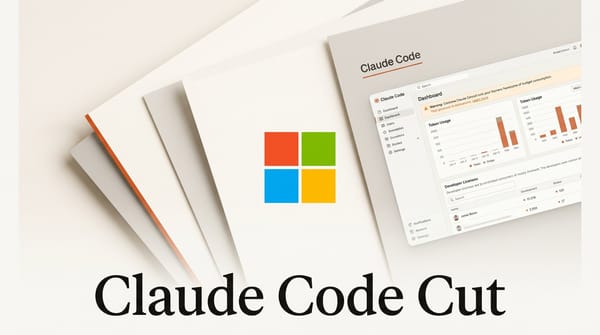
Microsoft has canceled most Claude Code developer licenses after token-based billing consumed the company's annual AI budget in less than six months. Uber hit the same wall. The numbers behind this enterprise crisis have direct implications for any creator paying AI tool subscriptions.
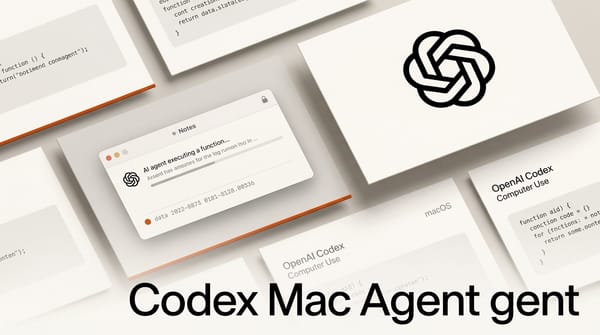
OpenAI released Computer Use for its Codex desktop app, letting the AI agent control macOS applications even when your Mac screen is locked and off.

Spotify and Universal Music Group announced a licensing deal on May 21 that clears the legal path for fans to make AI covers and remixes of UMG songs inside Spotify, launching as a paid Premium add-on.
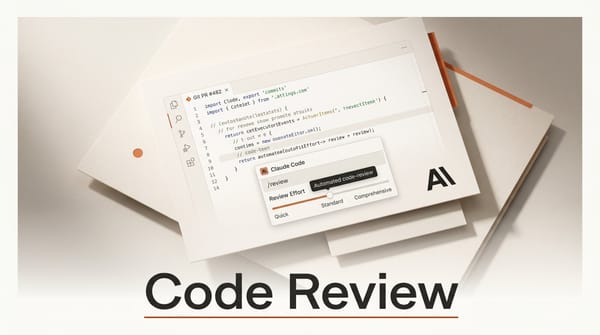
Anthropic shipped Claude Code 2.1.147 on May 21 with a configurable-effort /code-review command and a May 22 hotfix 2.1.148 for a Bash regression.
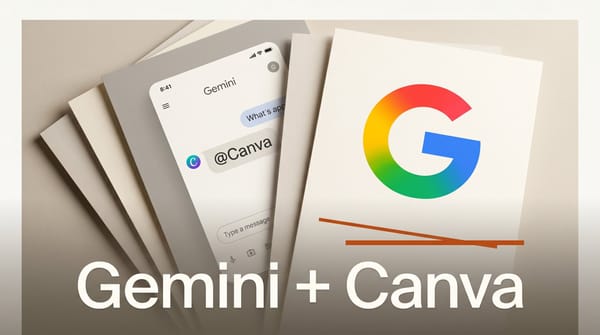
Canva is live in Gemini today via @Canva command. CapCut and Adobe Creative tools are next, turning Gemini into a one-window stop for design.

Google AI Studio added free Cloud SQL and Firestore on May 21 with a two-app Starter Tier for vibe-coded full-stack builds, no billing account required.
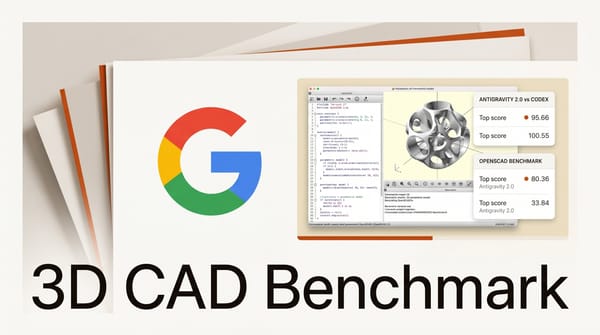
Google Antigravity 2.0, the agent-first desktop platform from I/O 2026, took the top score on a new OpenSCAD 3D CAD benchmark over Codex 5.5 and the rest of the field.

A solo developer just open-sourced framedex, an MIT-licensed local pipeline that indexes a year of personal video footage on a 2021 MacBook using a quantized Gemma 4 31B model running through LM Studio.
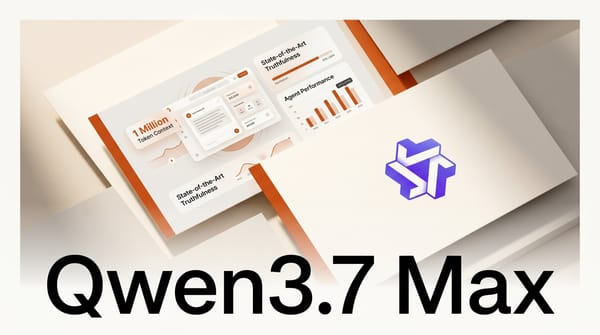
Qwen3.7-Max sets a new bar for non-hallucination rate among frontier agent models. Here is how it stacks up against Claude Opus 4.7, Gemini 3.1 Pro, and GPT-5.5 across the four reliability dimensions that decide which model goes into production.
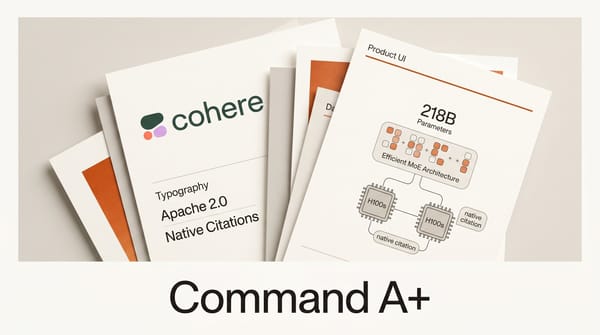
Cohere released Command A+ under Apache 2.0 on May 21, 2026. The 218B sparse MoE runs on two H100s, with native citations and 48 languages.
Sonar entered public beta offering natural-language search across podcasts, news, earnings calls, and radio archives for AI agents. Free tier: 500 queries/month.
Google open-sourced Agent Executor (AX), a distributed runtime that gives any AI agent durable execution, sandboxed isolation, and crash recovery. Here is the 30-minute migration path for an existing Claude Code, Cursor, or Gemini CLI workflow, end-to-end.

Google published a 3-step guide to locking down Gemini API keys with API restrictions, Secret Manager storage, and key hygiene to prevent billing abuse.
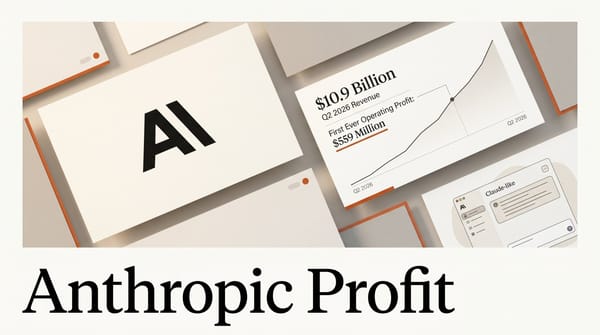
Anthropic is projected to post $10.9 billion in Q2 2026 revenue and its first ever operating profit of $559 million, two years ahead of internal targets.
An OpenAI reasoning model autonomously disproved the Erdos unit distance conjecture, a geometry problem unsolved since 1946. Fields medalist Tim Gowers calls it a milestone in AI mathematics.
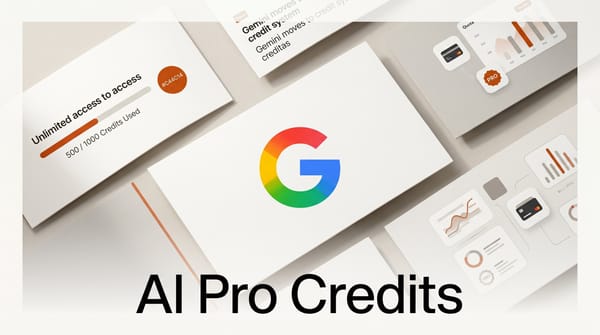
Google quietly replaced fixed message limits in its $20-per-month AI Pro plan with a credit-based quota on May 20, 2026, at Google I/O. Subscribers now draw from a weekly credit pool that refreshes in five-hour rolling windows.
GitHub confirmed unauthorized access to its own internal repositories on May 19, 2026. Customer repos are not known to be affected, but here is what AI creators should audit now.
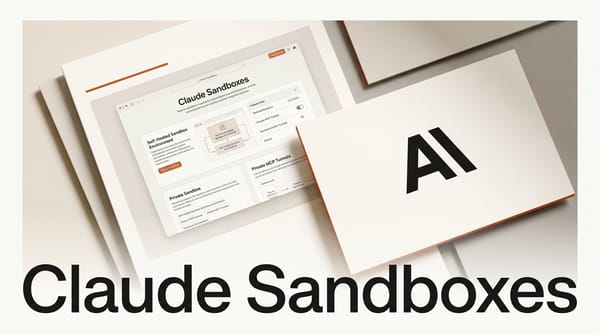
Anthropic shipped self-hosted sandboxes (public beta) and private MCP tunnels (research preview) for Claude Managed Agents so tool execution and internal data access can stay on customer infrastructure.
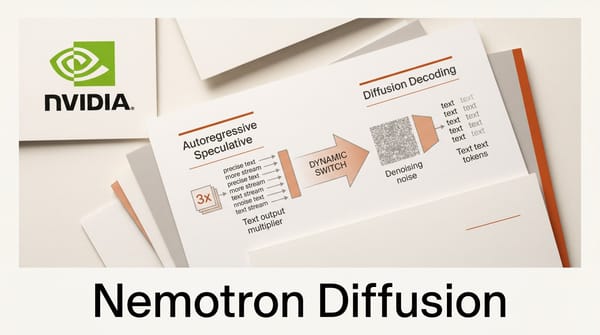
NVIDIA released the Nemotron-Labs-Diffusion family on Hugging Face, an open-weights LLM that switches between autoregressive, diffusion, and self-speculation decoding for 2.7x to 3.3x throughput gains.

Google unveiled its first Android XR audio glasses at Google I/O 2026, featuring Gentle Monster and Warby Parker designs, Gemini AI, and iPhone support launching fall 2026.
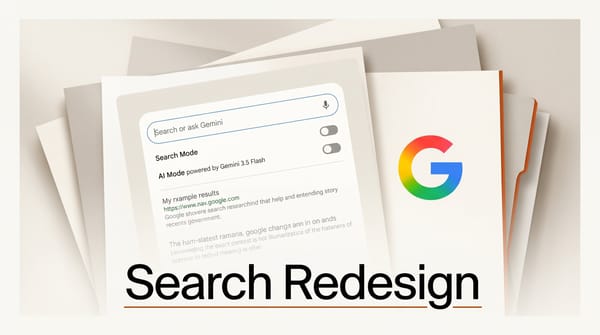
Google announced the biggest redesign to its search box in over 25 years at I/O 2026, adding AI Mode on Gemini 3.5 Flash, information agents, and generative mini apps for 1 billion users.
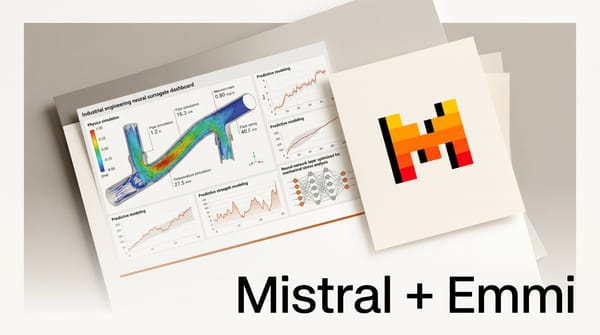
Mistral AI acquired Emmi AI on May 19, adding a 30-person Physics AI team from Linz, Austria that develops neural surrogate models for industrial simulation.
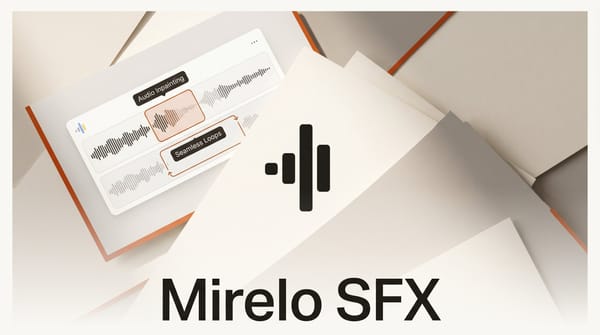
Mirelo SFX 1.6 adds audio extension, inpainting, and seamless loops to its video-to-audio model.