
ByteDance Open-Sources Bernini-R Video Edit Model
ByteDance releases Bernini-R, an open-source video editing model that handles object insertion, removal, and replacement in existing footage using text prompts.
Deep dives, tutorials, and analysis for AI-powered creators.
ByteDance releases Bernini-R, an open-source video editing model that handles object insertion, removal, and replacement in existing footage using text prompts.
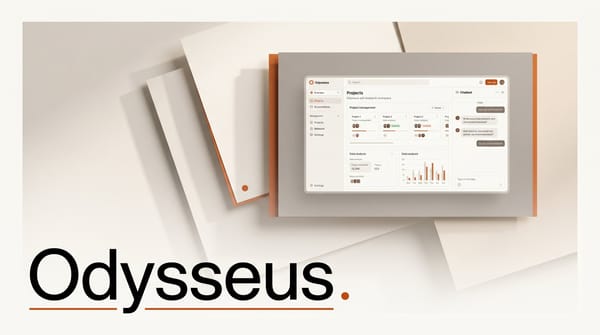
PewDiePie open-sourced Odysseus, a self-hosted AI workspace with chat, agents, deep research, and 270+ model serving. MIT license, no telemetry.

A developer used Stability AI Stable Audio 3 Medium to generate 15,834 free audio samples: 10,359 drum one-shots and 5,475 pitched instrument recordings, available for immediate download.
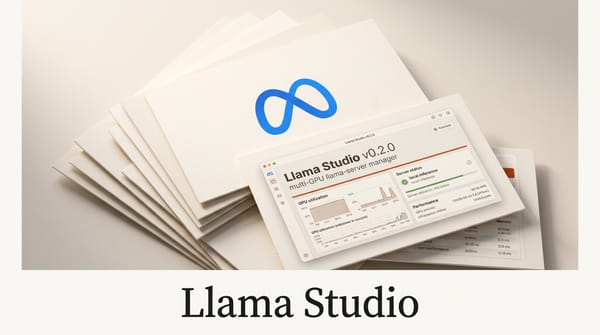
Llama Studio v0.2.0 is a lightweight web interface for managing multiple llama-server sessions, with multi-GPU tensor splitting, shell-script configs, and auto-load snapshots.

Six upcoming Claude features discovered in Anthropic code: Conway always-on agent, Orbit proactive assistant connecting to Figma and Slack, BugCrawl for Claude Code bug detection, and Enhanced Voice Mode.
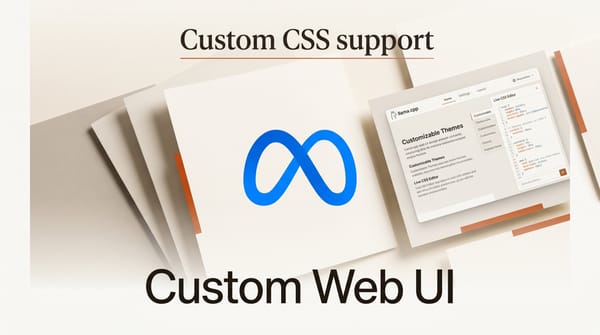
llama.cpp release b9438 (May 30 2026) adds custom CSS injection to the built-in web UI. Operators and users can now theme the interface without recompiling.
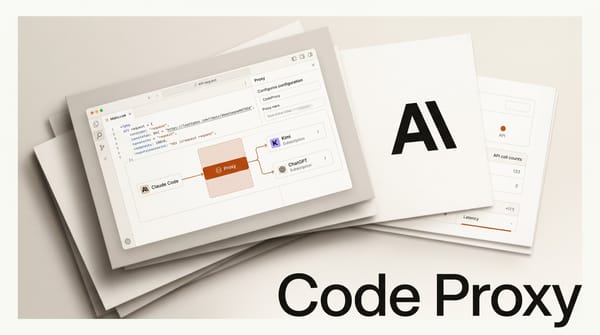
A developer-built tool called claude-code-proxy lets creators and developers route Claude Code through Kimi Code or ChatGPT Plus/Pro subscriptions instead of paying Anthropic API rates.

Developer Oscar Molnar installed a secondhand Tesla V100 SXM2 into his gaming PC alongside an RTX 4080, building a 32GB dual-GPU setup for under £200 total.

A new open-source ComfyUI custom node called TextMakerPro brings a layer-based text and layout editor into Stable Diffusion workflows, letting creators design stylized text compositions without leaving ComfyUI.
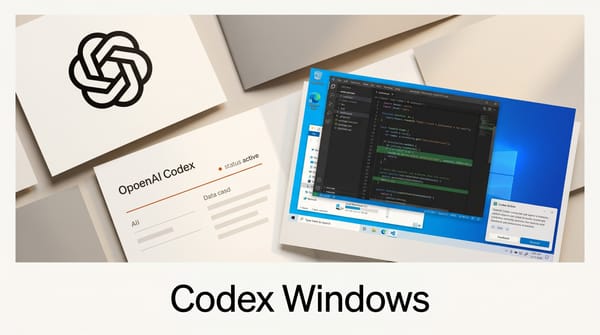
OpenAI expanded Codex computer use to Windows on May 29, 2026. Codex can now control any Windows desktop app, but runs foreground-only unlike Mac's background automation mode.
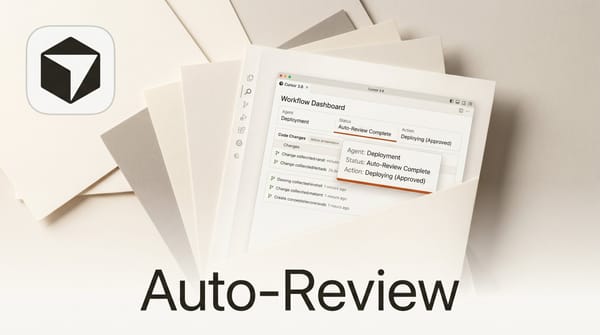
Cursor shipped auto-review mode today in version 3.6, a new run mode that lets the agent work for longer stretches with fewer approval prompts.

Google Cloud put Nano Banana 2 and Nano Banana Pro into general availability on Vertex AI on May 29, 2026, with 1K and 2K standard, 4K in preview, and a new video-file input mode for creator teams.