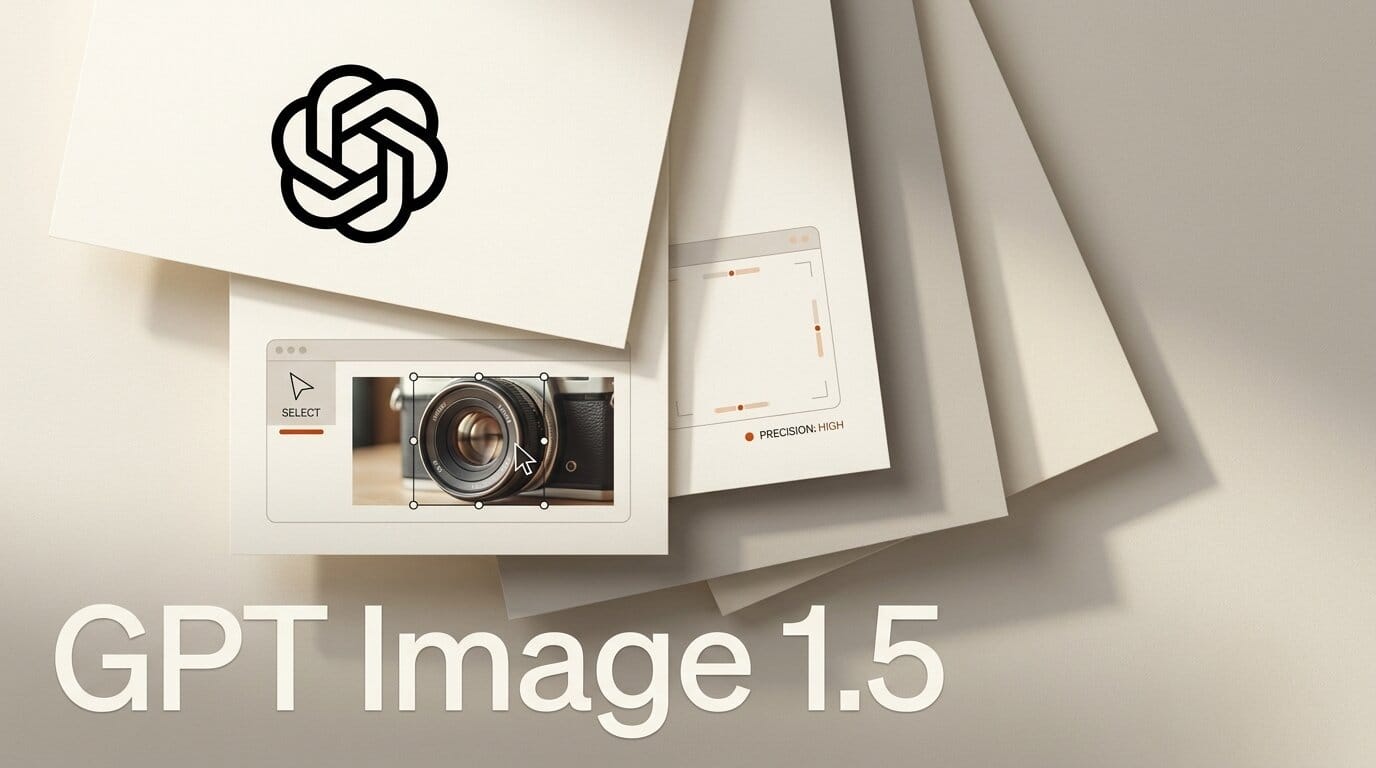
OpenAI began rolling out a new ChatGPT Images experience and a new image model, GPT Image 1.5, on July 9, 2026. The model reaches every ChatGPT user and ships in the API as gpt-image-1.5, with OpenAI pitching up to 4x faster generation inside ChatGPT and roughly 20 percent cheaper image input and output costs in the API than GPT Image 1. The headline change is control: GPT Image 1.5 is built to edit only what you ask for while holding lighting, composition, logos, and faces steady across a chain of edits.
What Changed in GPT Image 1.5
The previous generation, GPT Image 1, was strong at generating fresh scenes but drifted on edits. Ask it to swap a product label and it would often re-light the shot, shift the framing, or subtly redraw a face. GPT Image 1.5 targets exactly that failure. According to OpenAI's launch post, the model changes only the elements named in the prompt and keeps everything else consistent across inputs, outputs, and every subsequent edit in the same thread.
Three concrete upgrades stand out. First, instruction following is tighter, so multi-part prompts ("keep the model, change the backdrop to a studio sweep, add a soft shadow") land more reliably. Second, text rendering improved, especially for denser and smaller type, which is the part most image models still fumble on packaging, posters, and UI mockups. Third, the model preserves likeness: you can upload a face or a logo once and reuse that appearance across many generations, a feature exposed both in the new Images sidebar and through the gpt-image-1.5 model page.
GPT Image 1.5 vs the Field
GPT Image 1.5 lands into the busiest week image generation has had in a while. Meta shipped its first image model days earlier, and Google's Gemini image stack keeps iterating. Here is how the practical dimensions compare for a working creator or builder.
| Dimension | GPT Image 1.5 | GPT Image 1 | Meta Muse Image | Gemini image (Nano Banana) |
|---|---|---|---|---|
| Edit precision | Preserves lighting, faces, logos across edits | Drifts on edits | Conversational photo editing | Strong multi-turn editing |
| Text in images | Improved, denser text | Basic | Legible in-image text | Strong |
| Speed (in-app) | Up to 4x faster than before | Baseline | Fast | Fast |
| API access | Yes, gpt-image-1.5 | Yes, gpt-image-1 | Not yet a standalone API | Yes, Gemini API |
| Likeness reuse | One-time upload, reuse across images | No | Multi-photo blending | Reference images |
| Cost signal | ~20% cheaper I/O than GPT Image 1 | Baseline | Free tier in Meta AI | Usage-based |
The takeaway is not that GPT Image 1.5 wins every cell. Meta's model is free inside Meta AI and Instagram, and Google's image API is a mature option many builders already wire in. What GPT Image 1.5 sells is edit fidelity plus a real production API, which matters most when you are running the same asset through ten controlled revisions rather than rolling the dice on one generation.
How to Put GPT Image 1.5 to Work
The fastest path to value is a controlled edit chain rather than one-shot generation. A practical workflow for a product or brand asset:
1. Upload the source and lock the subject. In ChatGPT, open the Images sidebar, drop in your product shot or a reference face, and use the one-time likeness upload so the subject stays consistent.
2. Edit one variable at a time. Change the background, then the lighting, then add copy, in separate prompts. Because the model holds the rest of the frame steady, each edit is additive instead of a full re-roll.
3. Generate text-in-image last. Add the headline or label once the composition is final, taking advantage of the improved dense-text rendering for packaging or poster mockups.
4. Move to the API for volume. When the recipe works, replicate it programmatically with the image generation API guide, calling gpt-image-1.5 to batch out catalog variants or ad sizes. OpenAI logged the model in its API changelog, and the community rollout thread confirms parallel availability in the app and the API.
Pricing and Availability
The new Images experience began rolling out on July 9 to most ChatGPT users, with Business and Enterprise access following later, per the OpenAI developer community thread. In the API, GPT Image 1.5 runs about 20 percent cheaper on image input and output than GPT Image 1, which lowers the floor for anyone generating at scale. For teams weighing options, Google publishes its own image generation docs for the Gemini side, so a side-by-side cost test on your real prompts is worth an afternoon before you commit a pipeline.
Why It Matters for Creators
Edit precision is the difference between an image model as a toy and an image model as production infrastructure. Ecommerce teams that need one hero shot in forty variants, brand designers producing asset kits, and app builders generating on-brand UI mockups all need the same thing: change one element and trust the rest not to move. GPT Image 1.5 is OpenAI's bet that fidelity, not novelty, is what unlocks the next round of creative pipelines. Paired with a cheaper API, it becomes realistic to bake image generation into a product feature instead of treating it as a one-off. Our earlier coverage of Meta Muse Image and the product-photo-to-video workflow shows how fast this category is moving.
Frequently Asked Questions
What is GPT Image 1.5?
GPT Image 1.5 is OpenAI's image generation and editing model released July 9, 2026. It powers the new ChatGPT Images experience for all users and is available in the API as gpt-image-1.5, with a focus on precise edits that preserve lighting, composition, logos, and faces.
How is GPT Image 1.5 different from GPT Image 1?
It edits only what you ask for and keeps the rest of the frame consistent across successive edits, follows multi-part instructions more reliably, renders denser text better, and runs about 20 percent cheaper on image input and output in the API.
How much faster is GPT Image 1.5?
OpenAI says image generation in ChatGPT Images is up to 4x faster than the previous experience. API latency will depend on your request size and settings.
Can I use GPT Image 1.5 through the API?
Yes. It is available as the model id gpt-image-1.5 in the OpenAI API. You call it the same way you would call gpt-image-1, and OpenAI has documented it on the model page and in the API changelog.
Does GPT Image 1.5 keep a face or logo consistent?
Yes. You can upload a likeness once and reuse that appearance across multiple generations, which is the feature that makes controlled edit chains and brand-consistent asset kits practical.
Who gets access first?
The new Images experience rolled out to most ChatGPT users on July 9, 2026, with Business and Enterprise access coming later. API access to gpt-image-1.5 is available alongside the app rollout.