AI music cannot go into YouTube's Content ID. YouTube only accepts reference tracks from owners with exclusive rights. Amuse, LANDR and CD Baby, three distributors that feed music into Content ID, now keep AI-generated songs out of it in writing. A paid Suno or ElevenLabs plan gives you commercial rights, which is a different thing. If you put AI tracks under your YouTube videos, that mostly works in your favor. If you make AI music hoping to earn whenever other creators use it, that door is shut. And the rule most likely to cost an AI music channel its income is not a copyright claim at all. It is YouTube's monetization policy on mass-produced content.
This analysis is built from the current policy pages of YouTube, Suno, ElevenLabs and four distributors, read on October 21, 2026. None of it is legal advice. Policies like these change often, so check the pages linked here before a big release.
Background
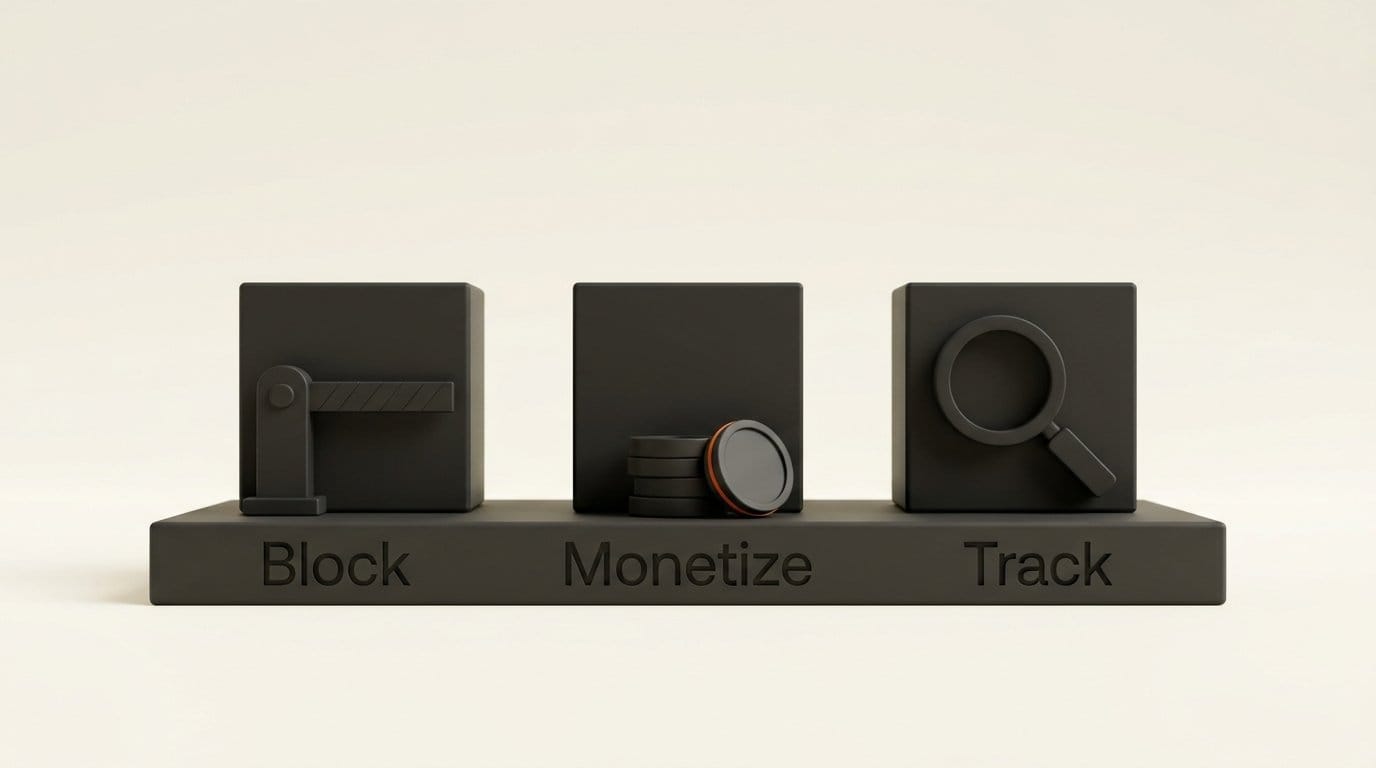
Content ID is YouTube's automatic matching system. Rights owners upload reference files, and YouTube scans every new video against them. When it finds a match, the claim does what the owner chose: block the video, monetize it by running ads, or just track its viewing statistics, worldwide or country by country. YouTube says monetize is the most common choice for music claims.
Most creators never deal with Content ID directly. Musicians reach it through their distributor, the same service that puts their songs on Spotify and Apple Music, which registers the tracks with YouTube on their behalf. Video creators meet it from the other side, as a claim notice in YouTube Studio.
A claim is not a strike. YouTube's copyright claim guide says claims "usually don't impact your channel or account." The risk starts if you dispute without a valid reason, because a rejected claim can turn into a removal request, and a valid removal request is what gives your channel a strike.
Deep Analysis
Commercial rights are not exclusive rights
The key rule is on YouTube's Content ID eligibility page: "Copyright owners must have the exclusive rights to the material that's evaluated." YouTube lists examples that usually fail the test, including remixes and compilations, unlicensed music, and "music or video that was licensed, but without exclusivity." The page doesn't mention AI. It doesn't need to.
Read the music generators' terms with that rule in mind. Suno's terms, effective September 3, 2026, give Pro and Premier subscribers Suno's rights in their songs. Free users may only use songs for "lawful, personal and non-commercial purposes." But every user, on every plan, also grants Suno a perpetual license to their content, which Suno may sublicense to other users. And Suno "makes no representation or warranty to you that any copyright will vest in any Output." ElevenLabs' music terms say you keep your rights in the output but don't say it is exclusive to you.
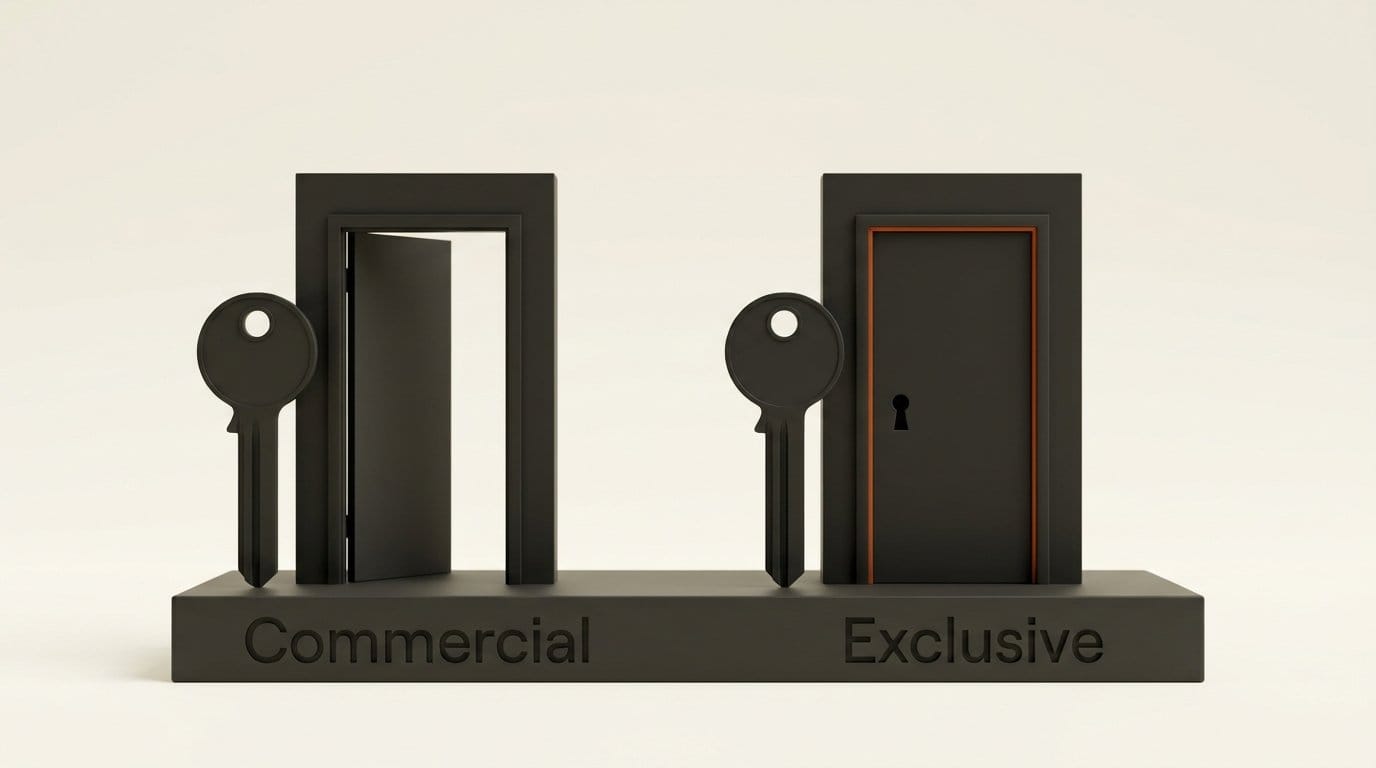
Put the two documents side by side and the gap is clear. A paid plan lets you use the song commercially. It doesn't prove that you, and only you, control it, and nobody can promise copyright exists in a fully generated track at all. Our guide to AI copyright covers why pure AI output is hard to protect. Distributors, who answer to YouTube for every reference file they upload, have chosen not to take the risk:
| Distributor | Distributes AI music? | AI music in YouTube Content ID? |
|---|---|---|
| Amuse | Yes, but not AI covers or tracks that imitate well-known artists | No: "AI-generated releases aren't eligible for Content ID and can't have Content ID added later" |
| LANDR | AI-assisted music, capped at 20 or 60 AI tracks a month by plan | No: lists YouTube Content ID, Meta and TikTok as not accepting AI-generated music |
| CD Baby | No: "Music created with AI, even if it's commercially licensed" is not accepted | Not applicable |
| TuneCore | Only music from AI models trained on fully licensed data (Google Flow Music is an approved partner) | Not addressed in its GenAI framework |
The Amuse rows come from its Content ID help page and its approval rules. The LANDR, CD Baby and TuneCore rows come from their own help centers. All were read on October 21, 2026.
The bar is exclusivity, not AI itself. LANDR's monetization rules also exclude songs built with royalty-free loops from Splice or with the stock sounds that come with Ableton Live, Logic and FL Studio, because those are licensed to thousands of people at once. Amuse excludes "stock or 'free to use' music" for the same reason. A generated track simply fails the test from the start.
For your videos, fewer claimants is good news
If you add AI music under a vlog, a tutorial or a product video, these rules mostly work in your favor. Under the distributors' written policies, the track you generated shouldn't be sitting in Content ID as somebody else's reference. It is the same logic that keeps stock and "free to use" music out: a track licensed to everyone, registered by one person, would be claimed on every video that uses it.
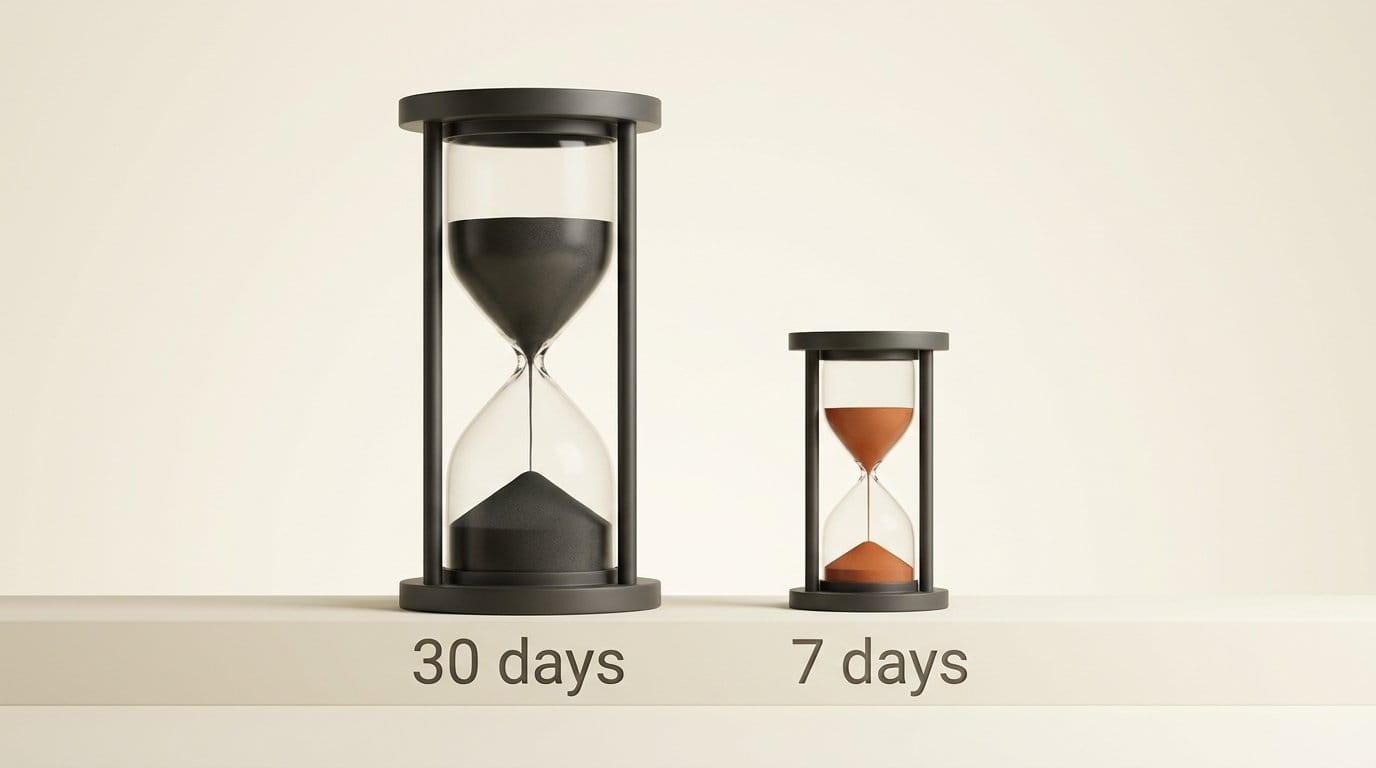
That doesn't mean claims can't happen. Content ID matches sound, not paperwork. If a generated song closely copies a registered recording, or if a track gets into the system through a distributor with looser checks, the claim lands like any other. Your answer is a dispute, and YouTube's dispute page sets the clock: the claimant has 30 days to respond to a dispute and 7 days to respond to an appeal. Valid reasons include having all the necessary rights. Giving credit, or choosing not to monetize, are not.
Proof of rights is where your plan matters. Suno only allows commercial use of songs "downloaded by you through an approved channel" within your plan's monthly allowance, and those rights stay with you after you cancel. Under the September 3 rules, which we covered in our Suno download caps breakdown, that means 20 downloads a month on Pro and 60 on Premier. A song made on the free plan, or recorded off the screen, has no commercial rights to defend. ElevenLabs allows "all online and offline commercial use" on paid plans from Starter up, except film, TV, radio and studio games. On the free plan its music is for individual use, and you must credit Eleven Music when you distribute it.
For musicians, Content ID income is out of reach
The other side is harsher. If you make songs with AI and hoped to earn whenever creators used them, the usual way to get paid for that isn't open to you. Amuse adds that tracks without Content ID "won't be available in YouTube Shorts," so an AI release sent through Amuse loses YouTube Shorts as well.
The streaming side still pays in most places. Spotify and YouTube Music accept AI songs under their own rules, which we compared in our guide to AI music on seven streaming services. The licensed models are the ones to watch. TuneCore now distributes music from AI models trained only on licensed data. Suno's v6 partner model is eligible through Believe and TuneCore, as our Suno v6 analysis explains. So far, being allowed on streaming services has not meant being allowed into Content ID.
The bigger risk is YouTube's mass-production rule
For channels that upload AI songs as the video itself, copyright is the smaller worry. On July 15, 2025, YouTube renamed its "repetitious content" rule to "inauthentic content." The channel monetization policies now list "AI-generated content made with generic or unoriginal templates giving the impression of mass production" as not allowed. So are "image slideshows, templated storylines, or scrolling text with minimal or no narrative, commentary, or educational value," and "collections of songs from different artists (even if you have their permission)."
A channel of generated songs over still images fits those descriptions closely, whoever owns the audio. These policies decide whether the whole channel can earn from ads, not what happens to one video, so they cost far more than any single Content ID match.
Impact on Creators
If you edit YouTube videos or podcasts and use AI music as a soundtrack, make the track on a paid plan, download it through the app, and keep a record of the plan, the date and the download for each song you publish. That record is your evidence if a claim ever needs a dispute. Don't strip Suno's watermark or metadata; its terms forbid it, and it is part of your proof. For a video that has to earn without any risk, YouTube's Audio Library is still the safe default. YouTube says tracks downloaded from it "won't be claimed by a rights holder through the Content ID system," and Partner Program members can monetize videos that use them.
If a claim appears and you don't want to argue it, YouTube Studio may let you mute the song or all the audio, cut out the claimed part, or swap in an Audio Library track. Each removes the claimed audio without a dispute.
If you release music made with AI, plan your income around streaming, not Content ID. Don't try to sneak a generated track into Content ID through a distributor with looser checks. LANDR warns that repeated ineligible submissions can lead to "permanent suspension" of your profile on YouTube, TikTok and Meta. If you want Content ID money, the song has to be yours alone, which means human-made with sounds you own.
If you run a faceless or music channel, the visuals and the commentary decide your income, not the track. Our faceless YouTube workflow shows how to build a video with a script and an edit, which is the kind of effort the mass-production rule looks for.
Key Takeaways
1. YouTube Content ID requires exclusive rights, and a paid AI music plan gives commercial rights, not exclusive ones.
2. Amuse and LANDR exclude AI-generated music from Content ID in writing, and CD Baby doesn't distribute AI music at all.
3. For video creators, that lowers the chance that your AI soundtrack is someone else's registered reference, but keep download records in case you need to dispute.
4. For musicians, Content ID income and, through Amuse, the YouTube Shorts sound picker are off the table for AI tracks.
5. For AI music channels, YouTube's inauthentic content rule is a bigger threat to income than any copyright claim.
What to Watch
The licensed models are the open question. Suno v6 was built with Warner Music Group, BMG and Believe, and TuneCore distributes music from Google Flow Music. If a distributor ever registers tracks from these models in Content ID, it will need a way to show exclusive rights in a generated song, and none of the terms we read offers one yet. YouTube Music has also started labelling songs made mainly with generative AI. If that label ever links to Content ID or to monetization, the rules above will change. Until then, treat AI music as something you can use in your videos, not something that earns from other people's.
FAQ
Can AI music get a Content ID claim on YouTube?
Yes, if the track matches a reference file someone has registered. Content ID matches sound, not how a song was made. Under the written policies of distributors such as Amuse and LANDR, AI-generated songs shouldn't be in Content ID as references, so claims on your own generated tracks should be uncommon. A track that copies a registered recording can still be claimed.
Can I monetize a YouTube video that uses Suno music?
Only if the song was made on a paid plan and downloaded through Suno within your monthly allowance. Suno's terms limit free-plan songs to personal, non-commercial use. A monetized video is commercial use. The video must also meet YouTube's monetization policies, including the rule against mass-produced AI content.
Can I register my AI song with YouTube Content ID?
Not through Amuse or LANDR, which both exclude AI-generated music from Content ID, and CD Baby doesn't accept AI music at all. YouTube itself requires exclusive rights to any reference file, which AI music terms don't give you.
What should I do if a video with AI music gets claimed?
You can leave the claim, mute the song, trim the claimed section, or replace it with an Audio Library track in YouTube Studio. If you have the rights, dispute it with your plan and download records. The claimant has 30 days to respond. Don't dispute without a valid reason, because a rejected claim can become a removal request and a copyright strike.
What is the safest music for monetized YouTube videos?
Tracks downloaded from YouTube's Audio Library. YouTube says they won't be claimed through Content ID, and Partner Program members can monetize videos that use them. Some tracks are under a Creative Commons license and need a credit in the description, which the Audio Library writes for you.