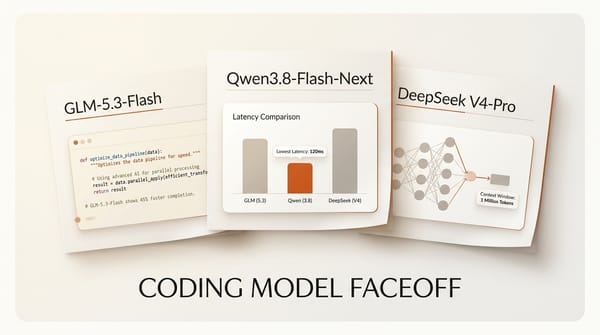
GLM-5.3-Flash vs Qwen3.8-Flash-Next vs DeepSeek V4
If you want an open-weights coding model you can route an agent to today or pull onto your own hardware, the honest answer in late 2026 is that it depends on what you own and what you trust.
In-depth analysis and deep dives into the AI tools shaping creative work.
If you want an open-weights coding model you can route an agent to today or pull onto your own hardware, the honest answer in late 2026 is that it depends on what you own and what you trust.

The AI assistant you use every day now remembers you by default, and in 2026 that quietly became the feature that separates a chatbot from a working collaborator.
IBM shipped Granite 4.2 on August 25, 2026, a family of open, Apache 2.0 licensed agentic coding models in 3B, 8B, and 30B sizes that you can download and self-host today.
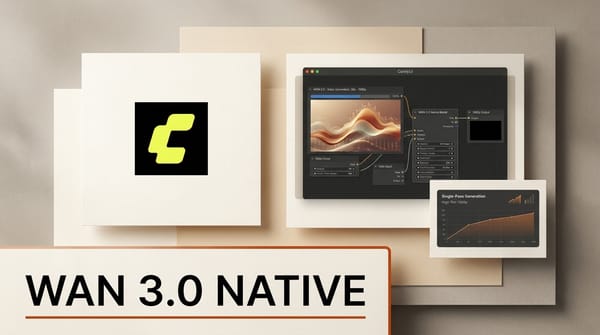
Alibaba's Wan 3.0 video model is now available natively inside ComfyUI with single-pass 30-second generation, up to 1080p output, and a 20-asset Omni-Reference system.
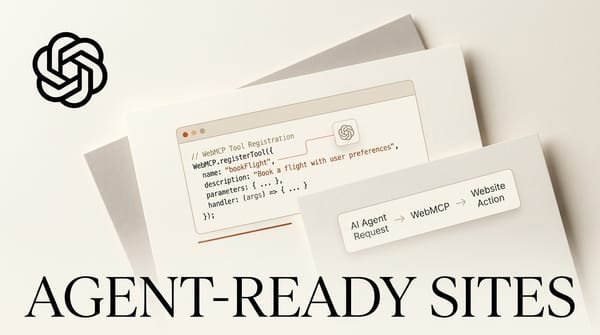
WebMCP lets your site hand AI agents named actions to call instead of scraping HTML. Here is how to expose your first WebMCP tool in about 30 minutes.

Turning a blog post into a video used to take days. In 2026 one person can do it in about an hour with four AI tools: an LLM to script, a voice generator, a text-to-video tool, and a free editor.

Headlong is an open-source microharness that keeps an AI agent thinking in a continuous self-guided loop instead of freezing between tasks, built by the Laude Institute and MIT in under 10,000 lines of Bash.

DeepSeek added image understanding to its cheapest fast model on August 21, 2026, billing images at standard V4-Flash rates with a free Files API.
OpenAI cut developer pricing for GPT-5.6 Sol on August 21, 2026. Input fell from $5 to $4 per million tokens and output from $30 to $20, putting it below Claude Opus 5 on both sides.
On August 20, 2026, Unsloth shipped a full Dynamic V3.0 GGUF release for Qwen3.8-27B, including a 1-bit quantization that runs in roughly 8GB of RAM. The 27B model that needed about 56GB at full precision now fits on hardware most creators already own.
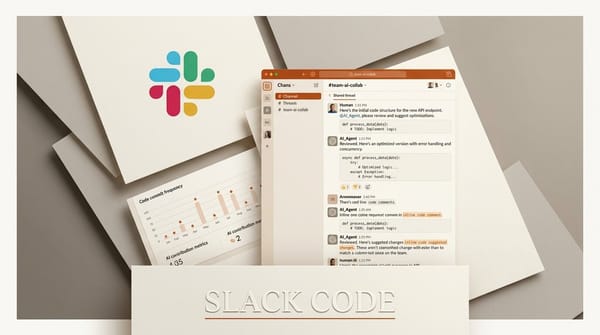
Slack shipped Slack Code on August 20, 2026, a channel type where a team and its AI coding agents work in the same shared thread.
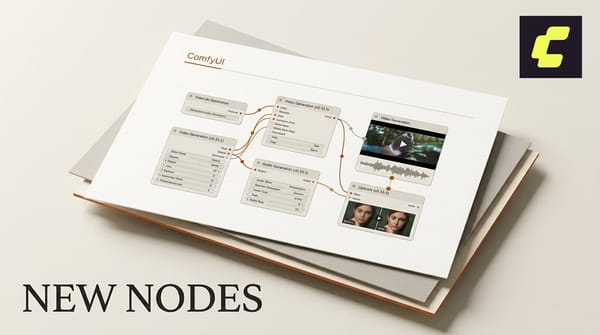
ComfyUI tagged v0.33.3 on August 20, 2026, closing a two-release window that added five new partner integrations in four days.
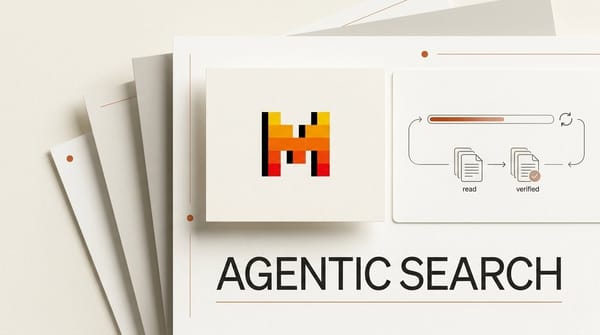
Mistral shipped Agentic Search on August 20, 2026, replacing one-shot document retrieval with a navigable loop the model drives itself using five file-like operations.
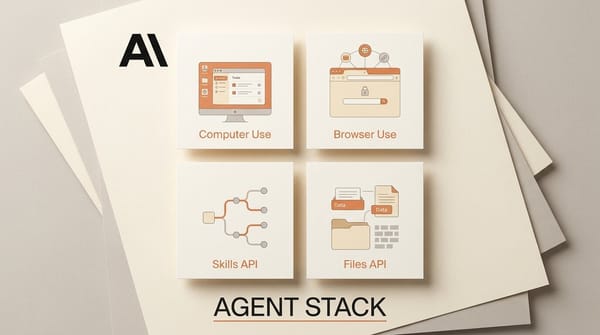
Anthropic moved four agent building blocks to general availability on the Claude Platform on August 20, 2026: computer use, a new browser use tool, the Skills API, and the Files API.
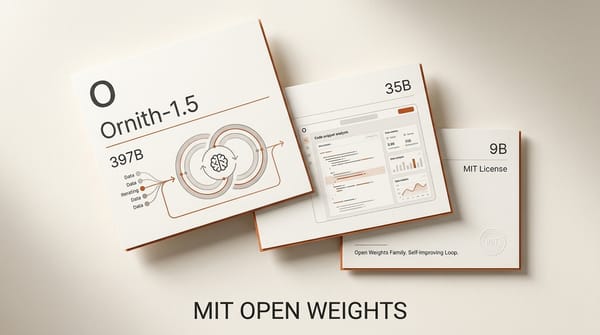
On August 19, 2026, Ornith AI released Ornith-1.5 as open weights under the MIT license: a 397B mixture-of-experts flagship, a 35B MoE that activates 3B parameters per token, and a 9B dense model with a quantized mobile build.
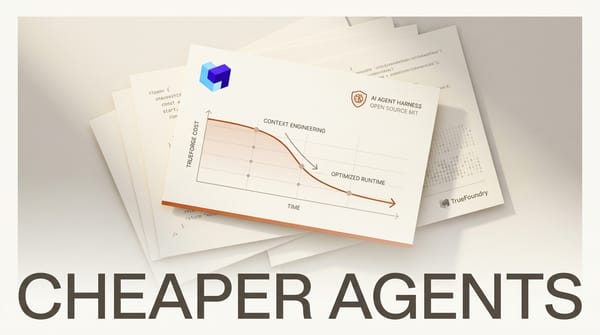
On August 19, 2026, TrueFoundry released TrueForge, an open source agent harness under the MIT license on GitHub and PyPI. The company claims 30 to 75 percent lower cost per completed task, achieved through context engineering rather than a cheaper model.
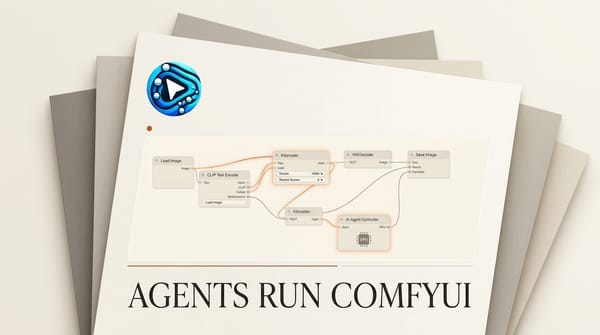
On August 18, 2026, Comfy Org open sourced Comfy MCP on Local, letting an AI agent connect to and drive a ComfyUI installation running on your own machine. The agent reads your GPU specs, sees which models and custom nodes you have, and builds workflows from a plain-language description.
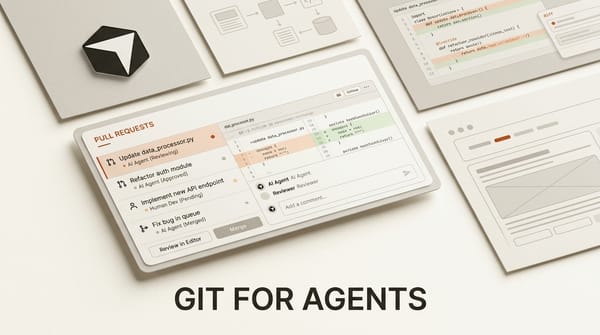
On August 17, 2026, Cursor launched Origin, a code hosting platform built for AI agents rather than for humans reviewing each other's work. It rolled out in early beta to all paid Cursor plans, and it syncs bidirectionally with GitHub so nobody has to migrate to try it.
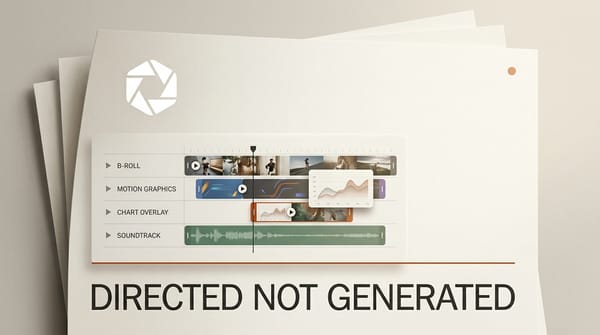
VizNow launched Idea to Video on August 14, 2026, a workflow that turns an idea, a finished script or a voice recording into a publish-ready video with B-roll, charts, motion graphics and overlays. No on-camera presenter required.
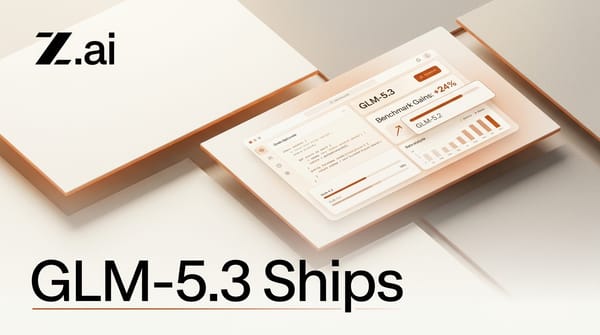
Z.ai shipped GLM-5.3 on August 14, 2026, reusing the GLM-5.2 base and pushing large coding gains through scaled post-training. It is live via API now, with open weights in about two weeks.
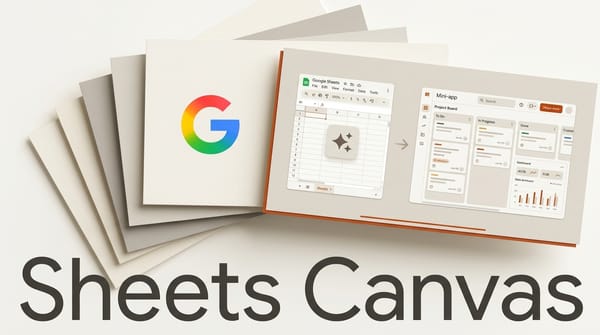
Google Sheets canvas turns spreadsheet data into interactive, read-write mini-apps with Gemini, no code and no formulas. Here is what it does and how to build your first one.
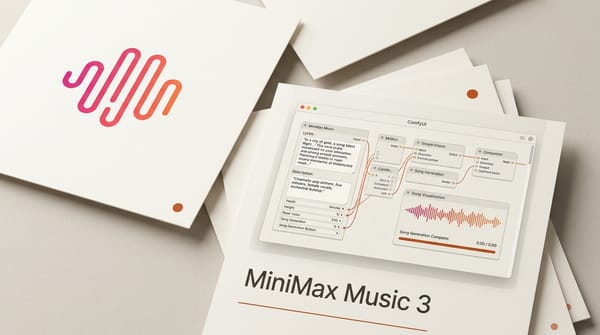
MiniMax released Music 3 as open weights under Apache 2.0, and Comfy-Org repackaged it for ComfyUI the same day. It generates full five-minute songs from lyrics plus a description.
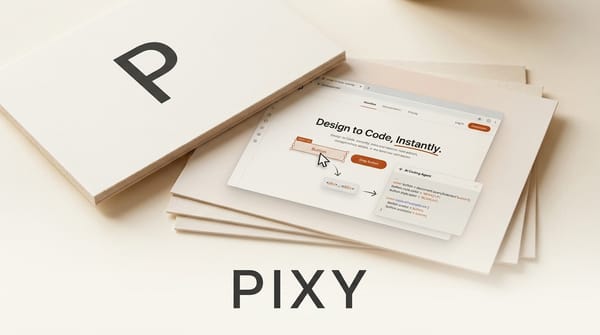
Pixy adds a design mode to any live site, records each visual change as a structured edit, and hands it to your coding agent as real code.
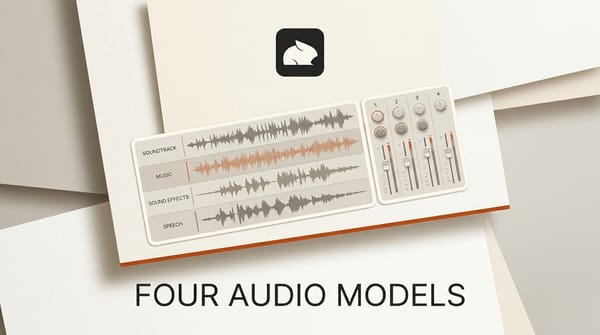
Pika released Pika Audio on August 13, 2026: four audio models covering soundtrack, music, sound effects and speech, priced at up to 20 times less than comparable models. The more interesting detail is the shape of the lineup.