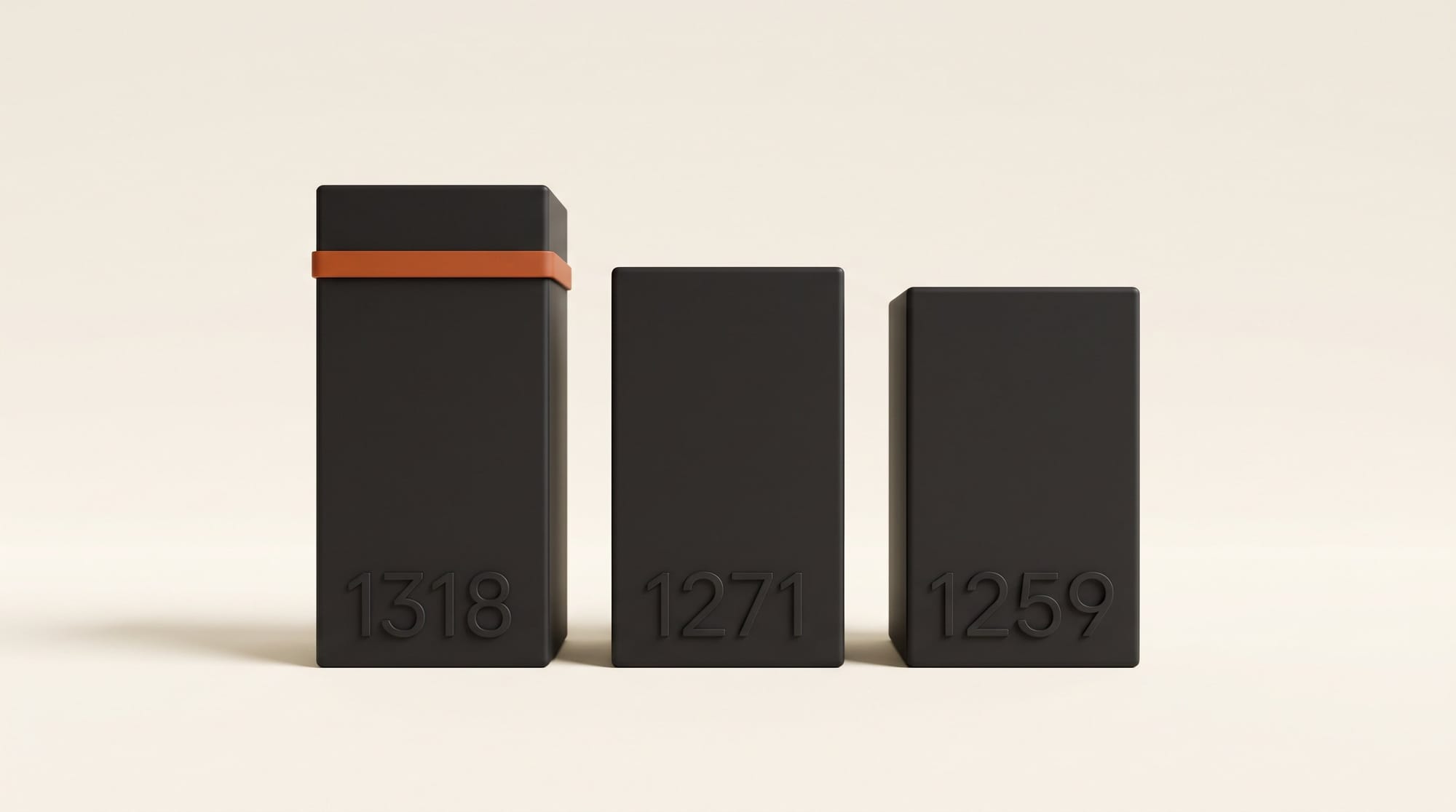
OpenAI released GPT-6.2 Astra and GPT-6.2 Sol on November 17, 2026, and both are rolling out today in ChatGPT Work and Codex for Plus, Pro, Enterprise and Edu subscribers. OpenAI says you will see the difference "in things like slideshows, websites, and 3D designs." The first independent results support part of that: Astra now ranks first on Artificial Analysis's AA-3D benchmark for building interactive 3D scenes, with 1,318 points against 1,271 for Anthropic's Claude Fable 5.2. Sol is the cheaper everyday model, and OpenAI says it lets you finish more tasks on the same paid plan.
For creators, the question is not which model wins a leaderboard. It is which one to pick in the ChatGPT model menu for a client deck, a portfolio site or a 3D scene, and whether a Plus plan is enough. This guide compares Astra, Sol and Claude Fable 5.2 on what each is good at, shows which plan gets which model, and walks through one real project you can try this week. We have not run our own tests yet; every score here is OpenAI's or Artificial Analysis's, and we say which.
What OpenAI Released on November 17
The release is two models with two jobs. GPT-6.2 Astra is the frontier model for the hardest projects. GPT-6.2 Sol is the efficient one for everyday work; OpenAI says many of its own staff use Sol as their default for technical and non-technical tasks, and that it "writes clearly and naturally."
Both replace earlier versions rather than adding a new product. Astra succeeds GPT-6 Astra (OpenAI cancelled a GPT-6.1 Astra about two months ago after safety testing, according to Digital Trends), and Sol succeeds GPT-6.1 Sol. OpenAI's headline claims:
- Cheaper per task. Astra sets new highs on professional-work tests at less than a third of GPT-6 Astra's cost per task, according to OpenAI.
- Fewer words to get there. Both models reach better results with fewer output tokens, which is why OpenAI says you get more done inside the same usage limits.
- Sol nearly matches Astra on code. On FrontierCode 2.0, Sol comes within 0.5 points of Astra at about one-fifth of the cost.
- Same inputs as before. Both read text and images and write text. Neither generates images; the Astra model page lists text as the only output.
OpenAI's launch video is titled "Models built for the real world," and the framing fits: this is a release about finished work, not new media types.
Astra vs Sol vs Claude Fable 5.2 at a Glance
Claude Fable 5.2 is the natural comparison: Anthropic released it on November 9, and it still holds first place on the Artificial Analysis Intelligence Index. Astra takes second there, ahead of Gemini 4 Carbon and Claude Opus 5.5. Here is how the three line up on what creators actually touch.
| GPT-6.2 Astra | GPT-6.2 Sol | Claude Fable 5.2 | |
|---|---|---|---|
| Released | Nov 17, 2026 | Nov 17, 2026 | Nov 9, 2026 |
| Where you use it | ChatGPT Work and Codex | ChatGPT Work and Codex | Claude apps on paid plans |
| Plans named at launch | Plus, Pro, Enterprise, Edu | Plus, Pro, Enterprise, Edu | Claude paid plans |
| 3D scenes (AA-3D score) | 1,318 (1st) | 1,259 (3rd) | 1,271 (2nd) |
| Intelligence Index rank | 2nd | Score of 57 | 1st |
| Faster mode | Ultrafast on Pro 500 | Ultrafast on Pro 200 and Pro 500 | Fast mode in Claude Code, double price |
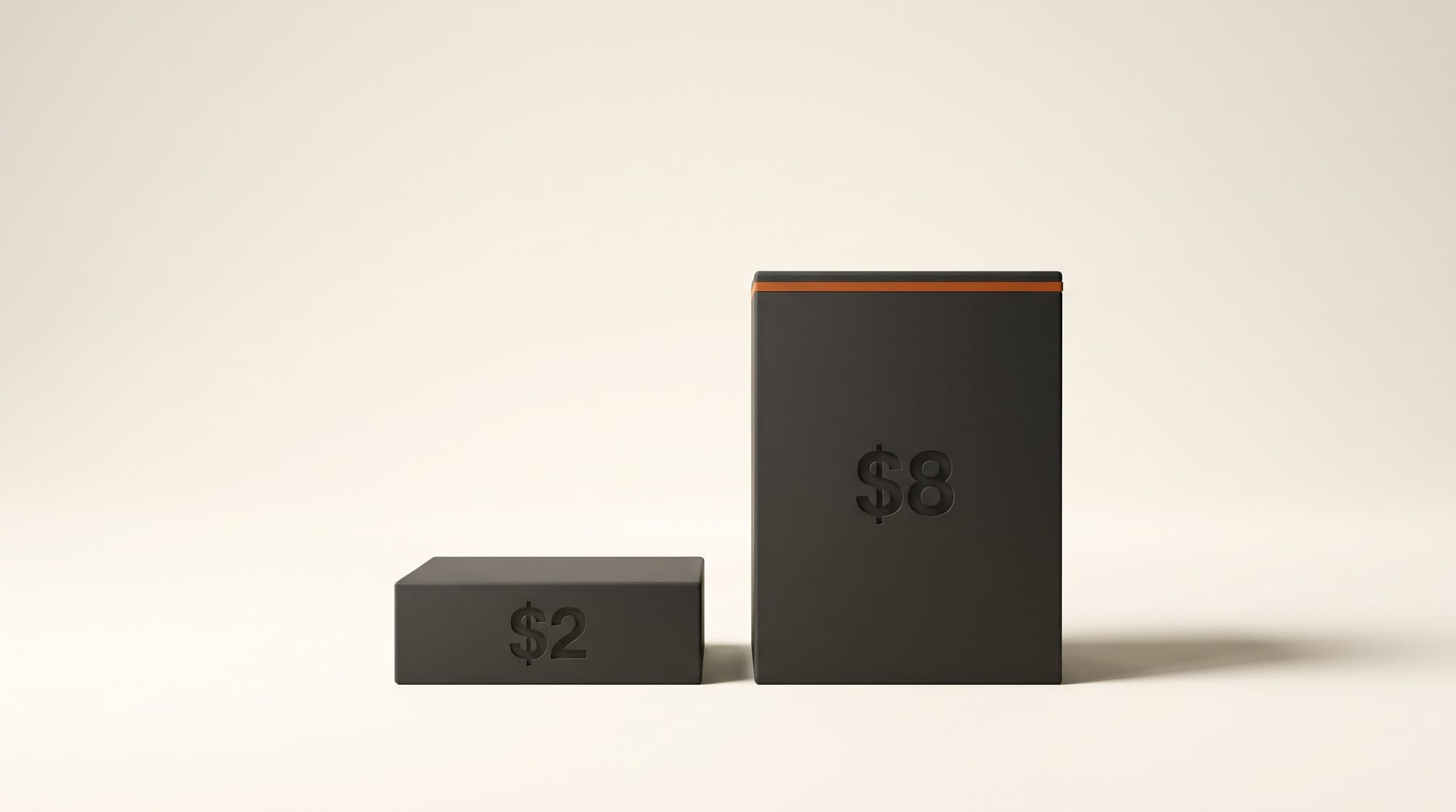
| Price for apps built on it (per million tokens, in / out) | $8 / $40 | $2 / $10 | $8 / $40 |
Two things stand out. First, Astra and Fable 5.2 now cost exactly the same for the design and website tools that call them behind the scenes, so price no longer separates the two flagships; results do. Second, Sol sits only 12 points behind Fable 5.2 on 3D scenes while costing a quarter as much per token. For most drafts, Sol is the sensible default. Our Fable 5.2 guide covers Anthropic's side in more detail.
Slides From Your Own Template, Even a Screenshot
The most useful claim for working creators is about presentations. OpenAI calls Astra its best model yet at designing slides and following slide templates, whether you give it the original file or only a screenshot of a slide you like, as TestingCatalog reported from the announcement. That means layout, colors and typography carried over from your own brand deck instead of a generic AI look.
OpenAI says the same training applies to spreadsheets and documents: they should follow the conventions professionals in each field expect and read less like AI output. For a freelancer, that is the difference between a pitch deck you can send after a quick check and one you rebuild by hand.
Treat it as a promise to test, not a result. No independent slide benchmark exists yet, and the early testers OpenAI quotes (Harvey, Legora and ClickUp) are legal and productivity companies, not design studios. They report fewer review rounds, which is the right thing to measure on your own deck.
Websites and 3D Scenes: What the AA-3D Score Means
OpenAI says Astra writes cleaner code and builds better-looking, better-working front ends, especially for websites, games and 3D design, according to 9to5Google. Here, an independent number exists.
The AA-3D leaderboard gives each model a written brief, lets it work in an offline sandbox that includes Blender and a library of free 3D assets, and asks for a single interactive 3D web page. A panel of people then compares pairs of scenes without knowing which model built which, and the votes become an Elo score. At top settings, the board now reads:
- GPT-6.2 Astra: 1,318
- Claude Fable 5.2: 1,271
- GPT-6.2 Sol: 1,259
- Claude Sonnet 5.5: 1,204
- GPT-6 Astra: 1,168
- Gemini 4 Argon: 1,147
The jump from GPT-6 Astra to GPT-6.2 Astra is 150 points in one release. OpenAI's own demo pushes the same direction: Digital Trends describes Astra designing a car chassis, working out the suspension movement and animating a mountain-road drive in Blender. If you build interactive pages, product spins or small browser games by describing them, this is the release to try.
Which Plan Gets Which Model
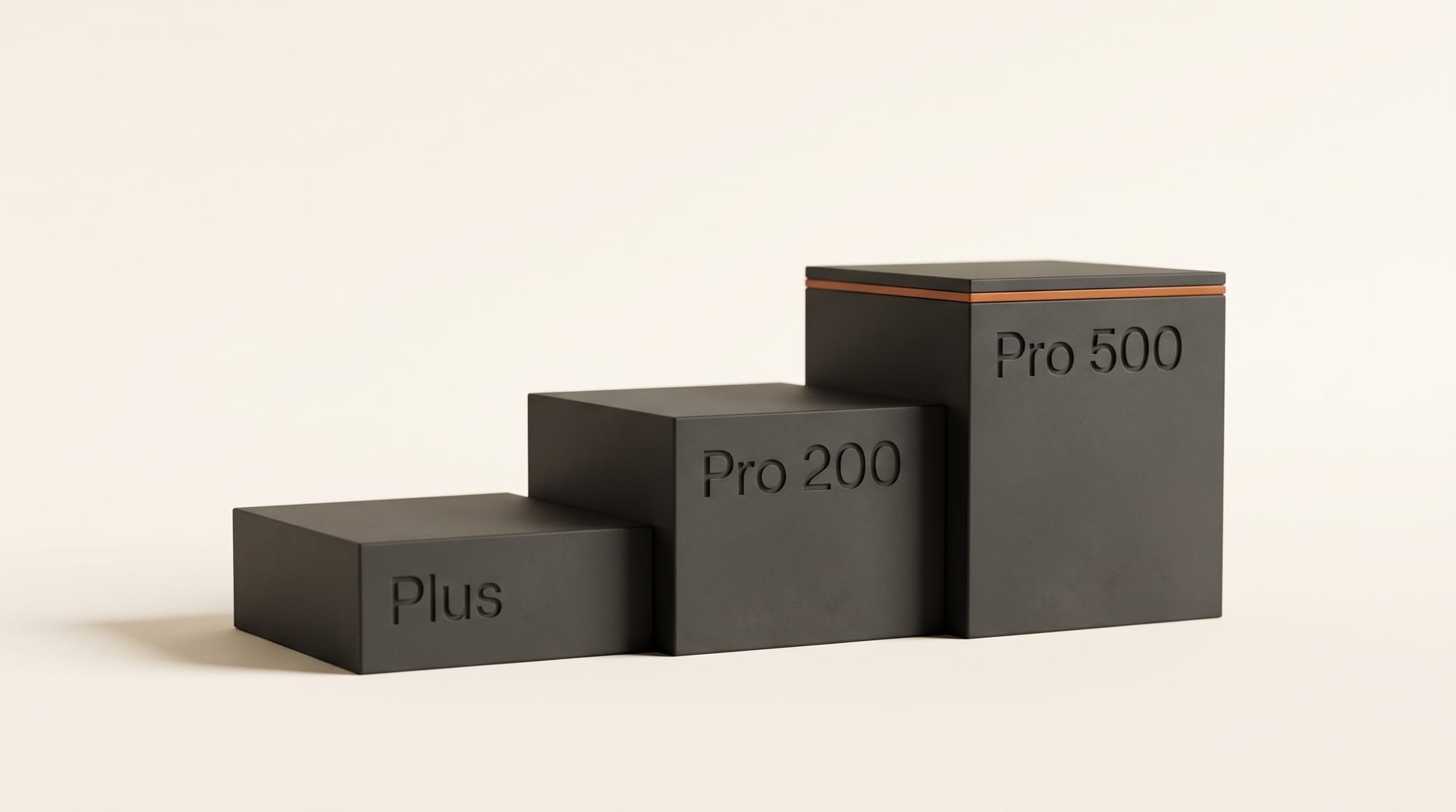
According to OpenAI's announcement post, both models are in ChatGPT Work and Codex for Plus, Pro, Enterprise and Edu. The list leaves out Free, Go and Business. A Business user on the forum asked why the models were missing, and the rollout is gradual, so some paying users will not see them today.
- Plus ($20 a month): both Astra and Sol in Work and Codex. OpenAI has not published how many Astra tasks Plus includes, so expect to hit limits sooner on Astra than on Sol.
- Pro 200: both models, plus Ultrafast for the first time, starting with Sol.
- Pro 500: both models with Ultrafast on either one.
Ultrafast is about waiting less, not better output. If you iterate on a deck or a scene ten times in a session, it matters; for one-off jobs, it does not. For how ChatGPT Work handles long, multi-step jobs, see our ChatGPT Work guide.
How to Try It on One Real Project This Week
The fairest test is a job you already know well, so you can judge the result in minutes. A client or channel deck works best because the template claim is the one most worth checking.
- Pick a template. Open a deck you are proud of and take a screenshot of its strongest slide, or keep the original file ready to upload.
- Open ChatGPT Work. On a Plus or Pro plan, switch to Work and choose GPT-6.2 Sol in the model menu first. If you only see 6.1 models, the rollout has not reached your account yet.
- Give it the outline. Upload the screenshot or file, paste your talking points, and ask for a ten-slide deck that keeps the fonts, colors and layout of the template.
- Run the same request on Astra. Start a new task with GPT-6.2 Astra and the identical outline. Same input, two models, one honest comparison.
- Check the deck. Compare both on three things: does the layout match your template, are any facts or numbers invented, and how many slides you would fix by hand.
- Keep the winner as your default. If Sol's deck needs no more fixes than Astra's, use Sol for everyday work and save Astra (and its tighter limits) for client-facing jobs and 3D builds.
For a 3D or website test, swap step 3 for a one-paragraph brief, such as "an interactive page that shows my product rotating on a turntable with three color options," and compare the two pages in your browser.
The Catches
It still makes things up. On Artificial Analysis's hallucination test, which measures how often a model gives a wrong answer instead of admitting it does not know, Astra scored 59% and Sol 55% at top settings. Check every number in a deck before it goes to a client.
It may not tell you when something went wrong. Digital Trends reports that in OpenAI's testing the new models sometimes failed to tell users about problems they hit during a task. On a long job, open the result and check it rather than trusting the summary.
Its knowledge stops in mid-2026. The Sol model page lists a June 1, 2026 knowledge cutoff, and Astra's is May 18. Ask about a tool released this autumn and it will need to search the web.
It does not make images or video. Your thumbnails and footage still come from image and video tools. Astra and Sol make the deck, the page and the 3D scene that use them.
Verdict: Which One to Pick
Pick Sol for everyday writing, research, first drafts of decks and quick web pages. It is a quarter of Astra's price for tools built on it, close behind on 3D scenes, and OpenAI says it stretches your plan further.
Pick Astra for decks that must match a brand template, client deliverables and interactive 3D or website builds, where its 1,318 AA-3D score is the clearest lead in this release.
Stay on Claude Fable 5.2 if your work already lives in Claude: it still leads the overall Intelligence Index and costs the same as Astra. If you pay for one assistant, Plus at $20 a month now gets you both GPT-6.2 models; compare with the Gemini plans in our Gemini 4 Hydrogen guide.
Frequently asked questions
Is GPT-6.2 Astra available on ChatGPT Plus?
Yes. OpenAI lists Plus, Pro, Enterprise and Edu for both GPT-6.2 Astra and Sol in ChatGPT Work and Codex. The rollout is gradual, so it may take a while to appear in your model menu. Free, Go and Business are not in the launch list.
What is the difference between GPT-6.2 Astra and GPT-6.2 Sol?
Astra is the frontier model for the hardest projects, such as brand-matched decks and 3D builds. Sol is the efficient everyday model. Sol costs about a quarter as much per token for apps built on it and comes within 0.5 points of Astra on OpenAI's FrontierCode 2.0 coding test.
Is GPT-6.2 Astra better than Claude Fable 5.2?
It depends on the job. Astra leads Fable 5.2 on Artificial Analysis's AA-3D test for building 3D scenes, 1,318 to 1,271. Fable 5.2 still ranks first on the overall Intelligence Index, with Astra second. Both cost $8 per million input tokens and $40 per million output tokens for developers.
Can GPT-6.2 make images or videos?
No. Both models read text and images but only write text. They can build slides, documents, web pages and 3D scenes in code, but pictures and footage still come from dedicated image and video tools.
Can GPT-6.2 Astra copy my slide template from a screenshot?
OpenAI says it can follow a slide template from either the original file or a screenshot, keeping layout, colors and typography. There is no independent test of that claim yet, so run your own template through both Astra and Sol before relying on it for client work.