
Deep Dive
Sep 18, 2026
Claude Code v2.1.277 can read AGENTS.md as a project's instruction file, closing the last conspicuous gap in a standard used by 60,000+ repositories. The documentation tells a more conditional story than the changelog does.

Deep Dive
Sep 16, 2026
Anthropic merged Claude Cowork into Claude chat on September 16, 2026, closing an eight-month split between its conversational assistant and its agentic workspace, and added Claude Docs and Claude Slides as betas.
Deep Dive
Sep 3, 2026
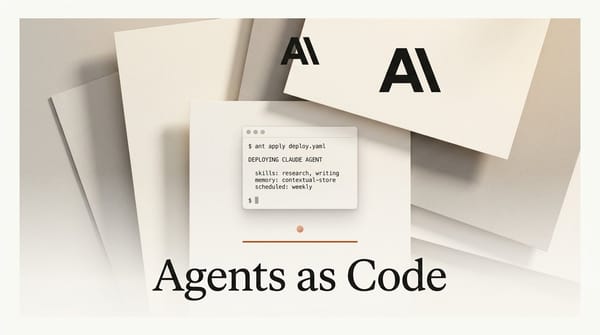
Anthropic shipped version 1.30.0 of its ant CLI on September 3, 2026, and the headline addition is a single command. ant apply creates and updates agents, environments, skills, memory stores, and scheduled deployments from plain files in your repository.
Deep Dive
Sep 1, 2026
Claude Mythos 5.1 is the same model as Fable 5.1 running with more permissive safeguards, available only through vetted cybersecurity and life sciences programmes.
Deep Dive
Sep 1, 2026
Anthropic released Claude Fable 5.1 on September 1, 2026. Headline pricing did not move, but cache reads dropped from $1.00 to $0.25 per million tokens, a 75 percent cut worth up to 45 percent on agentic workloads.

Claude
Aug 30, 2026
Anthropic will change Claude Code weekly usage limits on September 14, 2026, replacing a temporary 50% boost with a permanent 25% increase over the original baseline. For current users, that is roughly a 17% cut from today's levels.

AI
Aug 26, 2026
Anthropic has added a built-in browser to Claude Cowork, its agentic desktop app, so Claude can open websites, click links, and fill forms on its own. Announced August 26, 2026, it stays separate from your personal browser.

Deep Dive
Aug 25, 2026
The AI assistant you use every day now remembers you by default, and in 2026 that quietly became the feature that separates a chatbot from a working collaborator.
AI
Aug 25, 2026
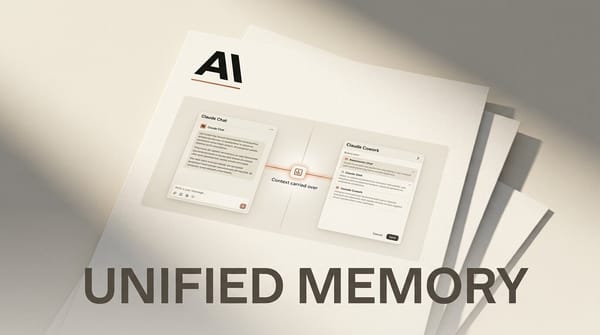
Anthropic unified Claude's memory across Chat and Cowork so context carries between both surfaces, on by default across Free, Pro, and Max, with per-topic controls and sensitive-topic exclusions.
Deep Dive
Aug 20, 2026
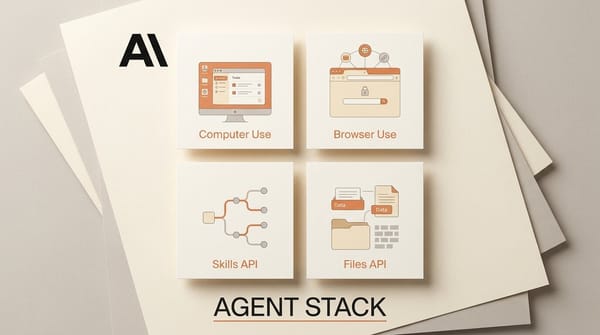
Anthropic moved four agent building blocks to general availability on the Claude Platform on August 20, 2026: computer use, a new browser use tool, the Skills API, and the Files API.
Deep Dive
Aug 12, 2026
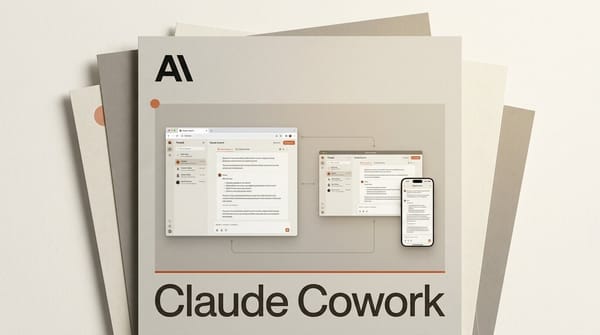
Anthropic turned the Claude Chrome extension into a full Cowork session on August 12, 2026, with shared history, skills, and cross-device handoff.

Deep Dive
Aug 11, 2026
A new open-source project, gsheets-mcp, gives Claude direct read and write access to your Google Sheets through a small, self-hosted server. Here is how it works, how the 2026 field compares, and how to set it up safely.

AI
Aug 7, 2026
Claude Code can now pass messages between your separate sessions. Shipped in v2.1.224 on August 7, 2026, it lets one session hand a finding to another.
Deep Dive
Jul 23, 2026
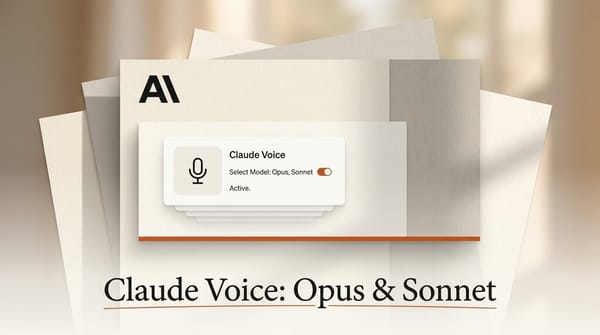
Anthropic updated Claude voice mode to run on Opus and Sonnet, not just Haiku, and to act inside Gmail, Calendar, Slack, Canva, and Notion by voice. Here is what changed and how to use it.
Anthropic
Jul 22, 2026
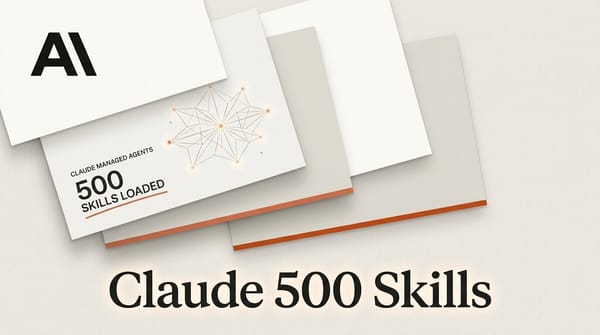
Anthropic raised Claude Managed Agents from 20 to 500 skills per session and added five-tier effort controls, making a single agent able to hold a whole knowledge base.

Deep Dive
Jul 21, 2026
A step-by-step workflow for Claude Cowork's Record a Skill feature: record a repetitive task once while narrating, and Claude turns it into a reusable skill you can rerun on demand.
Claude
Jul 18, 2026
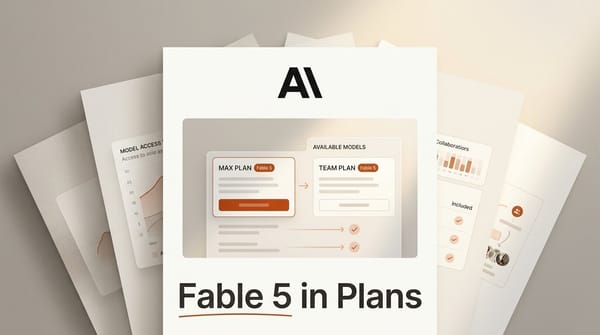
Anthropic reversed course: Claude Fable 5 will be permanently included in Max and Team Premium plans from July 20, ending the metered usage-credits billing.
Deep Dive
Jul 15, 2026
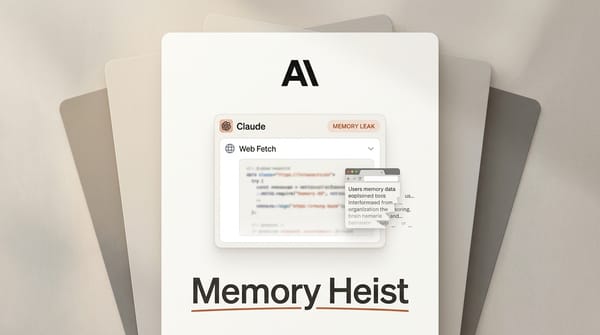
A Claude web fetch flaw leaked a user's memory data to an attacker with no malware and no clicks. Here is how the lethal trifecta works and how to defend the agents you build.

AI
Jul 13, 2026
Claude Code artifacts now support public share links and multiplayer editing, and can be created from Claude Tag in Slack.

Deep Dive
Jul 13, 2026
Anthropic has begun showing Claude subscription prices in Indian rupees across its website and mobile apps, its first move to localize pricing for its second-largest market after the US.

AI
Jul 5, 2026
An AI coding agent, Claude Code running Anthropic's Fable model, engineered a native port of Command and Conquer Generals: Zero Hour to Apple Silicon, iPhone, and iPad.
AI
Jul 3, 2026
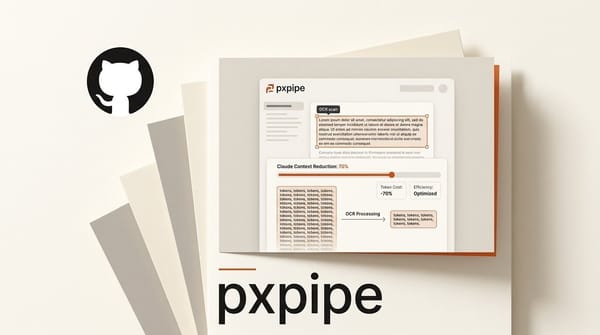
pxpipe is a free, open-source proxy that cuts Claude Code token bills by 59 to 70 percent by rendering bulky context as images the model reads back with OCR. Version 0.7.1 shipped July 3.
Deep Dive
Jul 1, 2026
Claude Fable 5 is generally available again as of July 1, 2026: Anthropic's most capable widely released model for reasoning and long-horizon agents. What it is, the pricing, and the refusal-and-fallback change every builder must handle.
Deep Dive
Jun 30, 2026
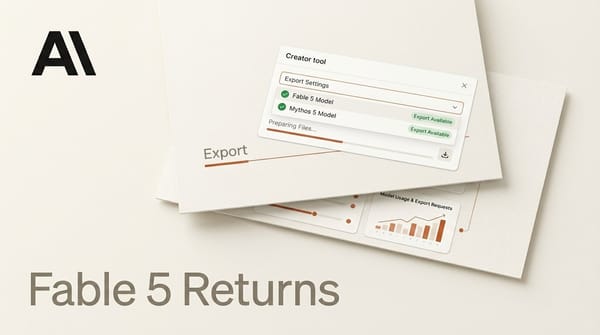
Anthropic is restoring Claude Fable 5 and Mythos 5 after the US lifted export controls on June 30. Timeline, the new identity and credit rules, and how to resume.