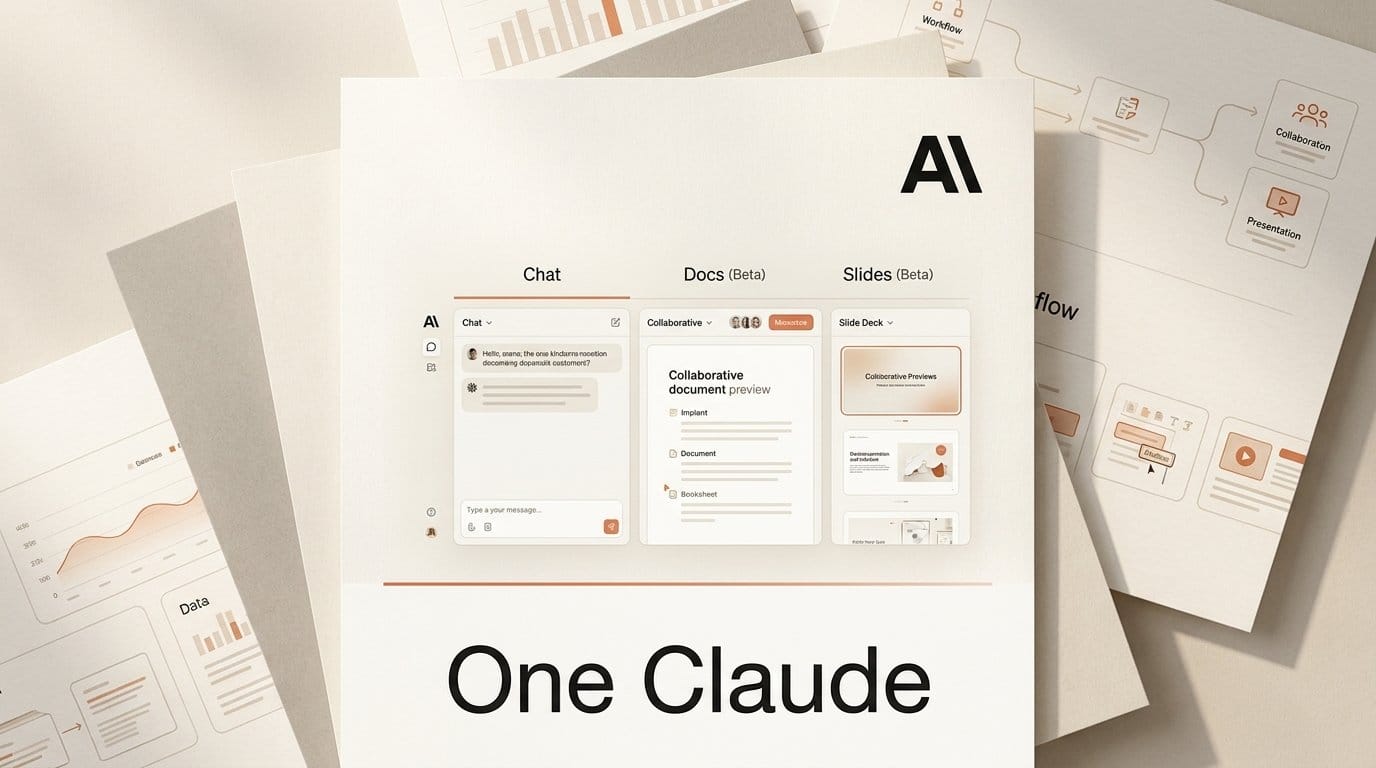
Anthropic merged Claude Cowork into Claude chat on September 16, 2026, closing an eight-month split between the company's conversational assistant and its agentic workspace. The announcement also introduced Claude Docs and Claude Slides, two beta tools that build editable documents and presentations inside a conversation. The merged experience reaches Pro and Max subscribers first on web, desktop and mobile over the coming weeks, with Team and Free plans following later, and Enterprise administrators getting at least 30 days of notice before anything changes.
Most of the coverage framed this as Anthropic shipping an office suite. The more useful reading is that the merge was the final step in a sequence that began on January 12, 2026, and that the step which actually made it possible landed three weeks earlier with almost no attention paid to it.
What Anthropic actually shipped
The headline change is a subtraction. There is no longer a mode to pick. Previously you decided whether a task belonged in chat, where Claude answers, or in Cowork, where Claude works through files and tools over a longer horizon. Now you describe what you want and Claude decides which of those two things it is. Anthropic's stated reason, reported by The Decoder, is that users found maintaining two overlapping environments clunky and could not intuit which one a given task called for.
Three products enter the merged interface as betas: Docs, Slides and Design, the visual workspace Anthropic launched separately in April 2026. Docs creates documents you can section, comment on and edit alongside Claude. Slides creates presentations you can edit and present. Both export to Google Docs, Microsoft Word, PowerPoint and PDF, according to Engadget, and both start private and become shareable when you choose. Connectors, skills and scheduled recurring tasks carry over from Cowork, and background work keeps running in the cloud after you close the device that started it.
The merge took eight months, not one announcement
Read as a single event, September 16 looks like Anthropic deciding to compete with Google Workspace. Read as the end of a sequence, it looks like something more deliberate. Cowork arrived as a research preview restricted to Max subscribers on macOS, per InfoQ, and every release since has removed one more wall between it and ordinary chat.
| Date | Milestone | Wall removed |
|---|---|---|
| Jan 12, 2026 | Cowork launches as a research preview | None yet: Max plan, macOS desktop only |
| Mar 17, 2026 | Cowork Dispatch sends tasks from phone to desktop | Device |
| Apr 17, 2026 | Claude Design launches as a separate visual workspace | None: adds a third surface |
| Jul 7, 2026 | Cowork expands to web, mobile and the cloud | Platform |
| Jul 13, 2026 | Artifacts gain multiplayer editing and public links | Collaboration |
| Aug 25, 2026 | Memory unified across chat and Cowork | State |
| Aug 26, 2026 | Cowork gains a built-in agentic browser | Tooling |
| Sep 16, 2026 | Chat, Cowork and Design merge, Docs and Slides enter beta | Interface |
The pattern is legible in hindsight. Anthropic removed the device wall, then the platform wall, then the collaboration wall, then the state wall, and only then the interface itself. TechCrunch read the July expansion as the coding-agent wars spilling into the rest of the office, which was right about the direction and early on the destination.
Memory was the precondition, not the interface
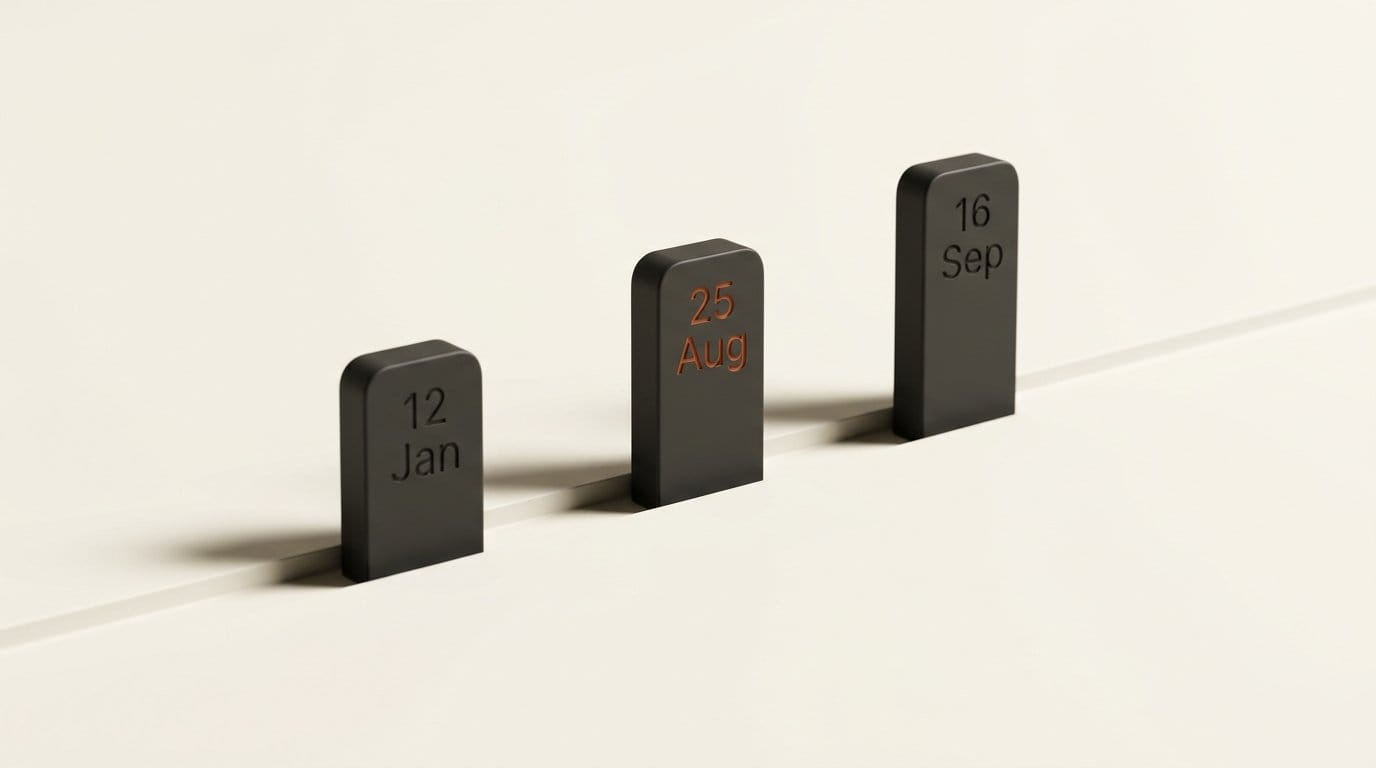
The load-bearing release in that table is August 25, and it was covered at the time as a convenience feature. When Anthropic unified memory across chat and Cowork, a project briefed in one surface stopped being a blank slate in the other, and Claude began forming memories during a conversation rather than summarizing at the end.
That is the merge. Two surfaces cannot become one while they remember different things, because the moment Claude routes a request to the wrong side, the user loses context they thought the assistant had. Shared state is what makes automatic routing survivable. The interface change announced on September 16 is the visible consequence of an invisible change made three weeks earlier, which is why the honest way to date this merge is August 25 rather than September 16.
What changes when you stop choosing the mode
Here is the part the launch coverage does not name. Choosing between chat and Cowork was friction, and Anthropic is right that it was friction nobody enjoyed. But that choice was also doing two other jobs quietly, and both of them have now moved from the user to the model.
The first job was predicting cost. Opening chat meant a short answer in seconds. Opening Cowork meant starting something that would read files, call tools and take real time. On metered Pro and Max plans, that distinction was how you rationed your own usage. Now a quick question and a twenty-minute research run enter through the same box, and Claude decides which one you asked for. Anthropic has not published how the router makes that call or what it costs you when it guesses high.
The second job was setting expectations. When you picked the agentic surface, you were consenting to autonomy: go read things, go touch files, come back. Automatic routing means that consent is now inferred from phrasing. Most of the time that will feel like magic. The failure mode is narrow but real, and it is the one to watch during the beta: a request you meant as a question becomes a task, or a request you meant as a task gets answered from memory instead of executed.
Fortune framed the merge as a superapp push, which tracks with where the category is going. OpenAI was reported in June to be rebuilding ChatGPT along similar lines. The difference worth noting is sequencing: Anthropic unified its own surfaces before inviting anyone else's apps in.
Docs and Slides produce into other companies' formats
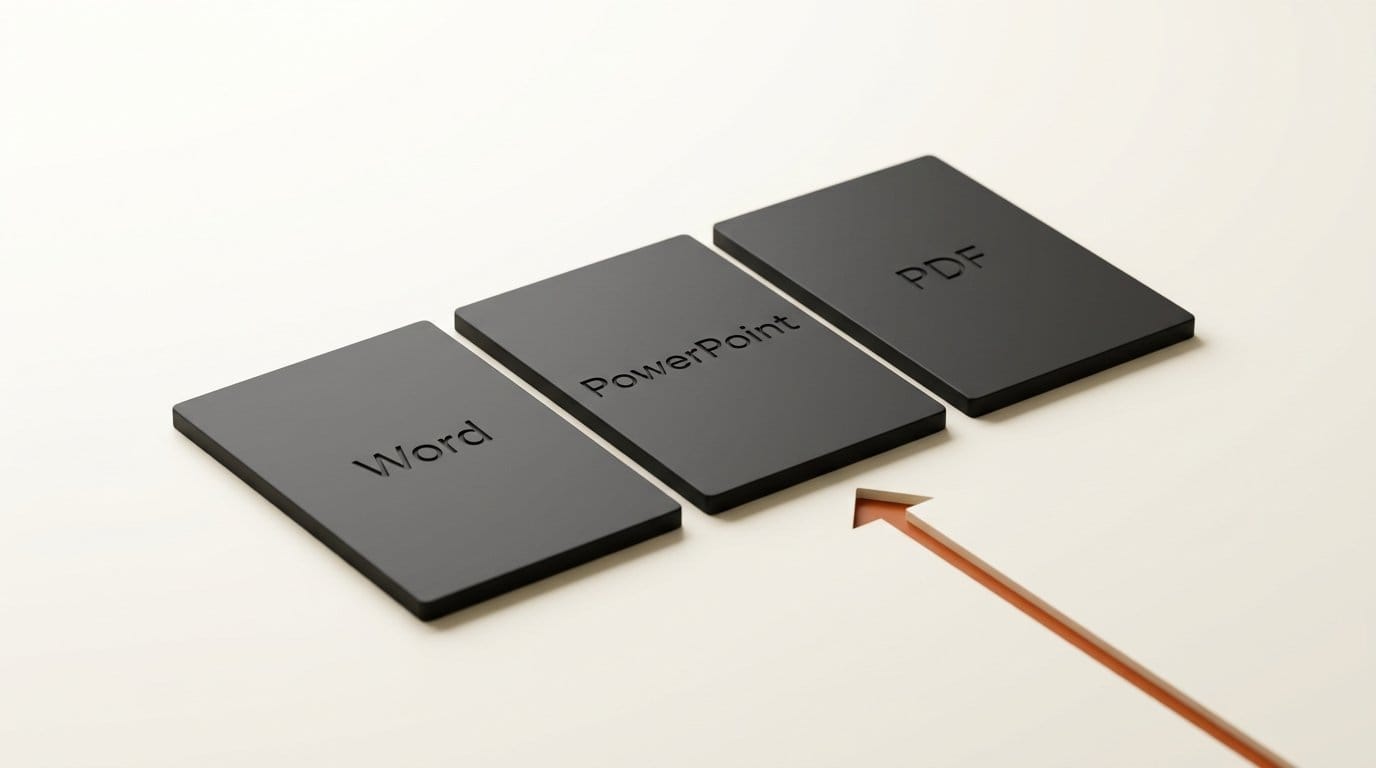
The export list is the most strategically revealing detail in the release, and it is easy to skim past. Claude Docs and Claude Slides export to Google Docs, Word, PowerPoint and PDF. Anthropic is not asking you to adopt a Claude file format or move your archive.
That is a different bet from the incumbents it is being compared to. Google and Microsoft both own the editor and the format, and their AI features exist to make you keep using Docs and Office. Anthropic is positioning Claude as a producer that feeds other people's editors. For a creator, the practical consequence is that adopting Docs and Slides is close to reversible: what comes out is a .docx or a .pptx that opens anywhere. The corresponding limitation, as Unite.AI notes in its breakdown of the rollout, is that these are betas landing on the paid tiers first, so this is not yet a tool you can standardize a team on.
What to do next
If you are on Pro or Max, the merged interface will arrive on its own over the coming weeks, so the useful preparation is deciding what you will test first. Take one recurring deliverable you currently assemble by hand, a weekly client recap or a pitch deck skeleton, and run it through Docs or Slides once the beta appears, then export it and check how much cleanup the .docx or .pptx actually needs. That number, not the demo, tells you whether this replaces a step in your workflow.
Watch the routing behavior while you do it. Note any time Claude starts a long agentic run when you wanted an answer, or answers when you wanted work. Those are the cases worth reporting during a beta, and they are the ones that determine whether losing the mode switch was a net gain for how you work.
Frequently asked questions
Is Claude Cowork being discontinued?
Not discontinued so much as absorbed. Cowork's capabilities, including connectors, skills, scheduled recurring tasks and background execution that continues in the cloud, move into the single Claude interface. What goes away is the separate place you had to open to reach them.
Are Claude Docs and Claude Slides generally available?
No. Docs, Slides and Design are betas. They are rolling out to Pro and Max subscribers first on web, desktop and mobile over the coming weeks, with Team and Free plans getting access later.
What file formats can Claude Docs and Slides export?
Documents and presentations export to Google Docs, Microsoft Word, PowerPoint and PDF. Files start private and can be shared with collaborators when you choose to share them.
What happens to Enterprise accounts?
Enterprise administrators are given at least 30 days of notice before the change takes effect on their accounts, which is the longest lead time of any tier in this rollout.
Do I still control whether Claude runs a long task?
Less explicitly than before. The merged product removes the mode selection and decides for itself whether a request needs a quick answer or longer agentic work. Anthropic has not published details of how that routing decision is made, which makes it worth watching during the beta period.
How is this different from the August memory update?
The August 25 update unified what Claude remembers across chat and Cowork while keeping them as two separate surfaces. The September 16 change merges the surfaces themselves. The first made the second possible, because automatic routing only works when both sides share the same context.
Which plans get the merged experience first?
Pro and Max, across web, desktop and mobile, rolling out over the coming weeks from September 16. Team and Free plans follow afterward, with no specific date announced. Current plan details are listed on Anthropic's pricing page.