
Nativ Runs Open AI Models Locally on Your Mac
Nativ is a new open-source Mac app that runs open AI models entirely on your own machine, with no account, no subscription, and no cloud.
Nativ is a new open-source Mac app that runs open AI models entirely on your own machine, with no account, no subscription, and no cloud.

Unabyss launched a Claude-focused, MCP-native context layer that carries your memory and preferences across Claude, Cursor, ChatGPT, and 50+ apps.

Loova, an all-in-one AI creative playground, launched a dedicated Ads Studio that turns a product URL, a photo, or a text prompt into finished video and image ads.
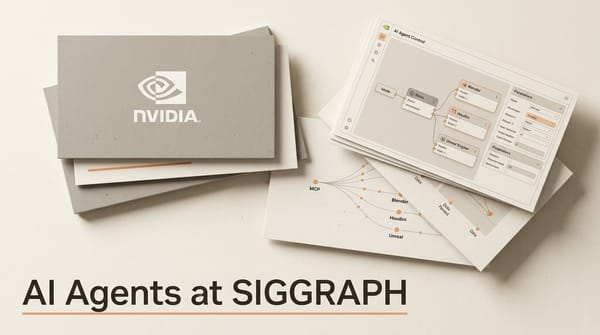
At SIGGRAPH 2026, NVIDIA and creative-software makers announced a coordinated wave of AI-agent integrations built on MCP, letting assistants operate inside Blender, Houdini 22, Unreal, Boris FX, Foundry, Adobe and Affinity.
Alibaba's Qwen team announced Qwen3.8, its next flagship model, saying it will go open-weight soon. As of July 19, 2026 there are no weights or benchmarks yet.

ZooData, a new data layer for AI agents, launched July 18, 2026 and topped Product Hunt. It turns any URL into clean, agent-ready JSON via API, CLI, and MCP.

V2Fun turns text, images, and video into rigged, 8K-textured 3D characters with AI motion capture, launched July 15, 2026 on Product Hunt.

FlutterFlow launched Campus on July 15, 2026, a macOS workspace that puts your repo, terminals, and AI coding agents on one infinite, persistent canvas.

A new iOS app called Reelful turns the photos and clips in your camera roll into finished TikTok and Instagram Reels from a single text prompt.
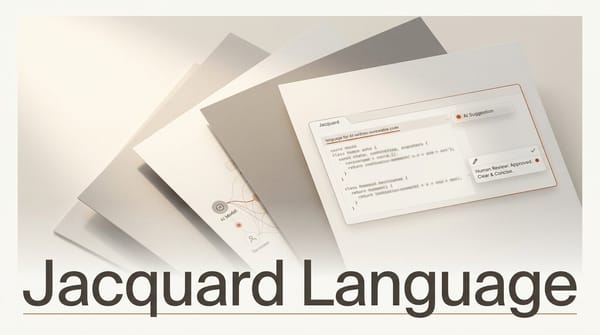
Jacquard is a new open-source language designed for a world where most code is written by AI models and reviewed by people.
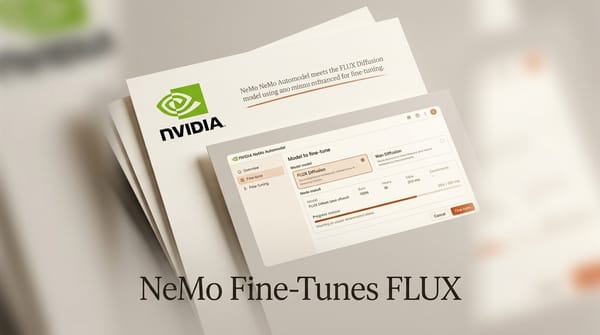
NVIDIA NeMo Automodel now fine-tunes Hugging Face Diffusers image and video models like FLUX.2, Qwen-Image, Wan 2.2 and HunyuanVideo 1.5 with LoRA or full training.

Roblox announced Build, a mobile-first tool that turns a plain-language prompt into a playable game directly inside the app, with no code. Public alpha begins July 28.

Step-by-step workflow for turning a prompt or sketch into a branded animated infographic in Synthesia, using Motion Graphics and the new SyRen model.

Google AI Mode can now link to and interact with third-party apps, starting with Instacart, Canva, and YouTube for US users, turning Search from answers into task completion.
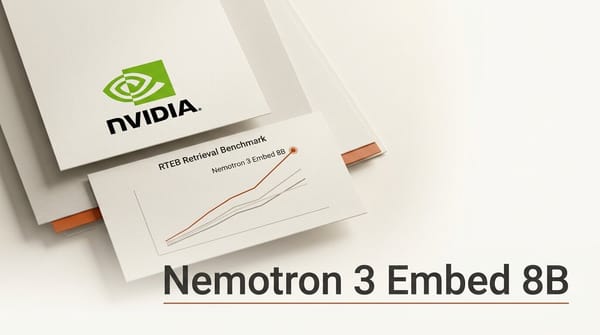
NVIDIA has released Nemotron 3 Embed, an open collection of text-embedding models whose 8B checkpoint ranks #1 overall on RTEB, the Retrieval Embedding Benchmark.
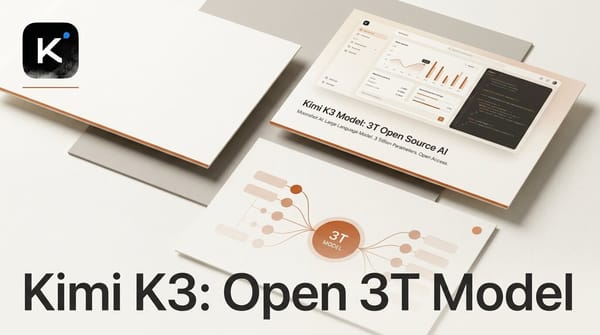
Moonshot AI has officially launched Kimi K3, the world's first open 3T-class model: a 2.8T-parameter MoE with a 1M-token context window and open weights arriving July 27.
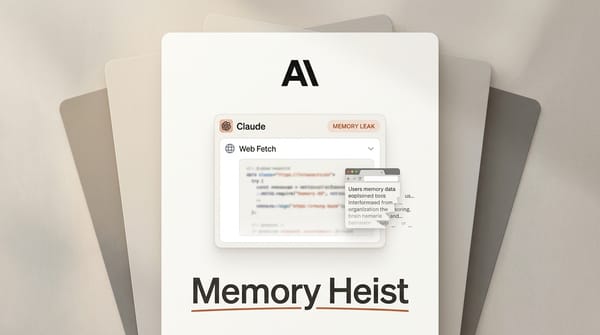
A Claude web fetch flaw leaked a user's memory data to an attacker with no malware and no clicks. Here is how the lethal trifecta works and how to defend the agents you build.
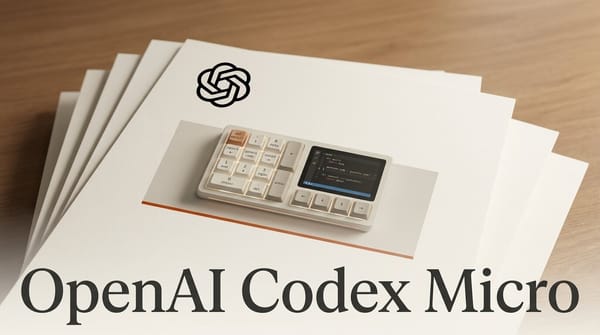
OpenAI revealed Codex Micro, its first branded hardware: a Work Louder macro pad that gives developers physical controls for the Codex coding agent.

Branda turns any website URL into ready-to-ship, on-brand LinkedIn and X ad creatives in seconds, pulling real logos and colors via the Context.dev Brand API.

Decart has launched Lucy 2.5, an upgrade to its real-time AI video model that edits live video from natural-language prompts with sub-40ms latency.
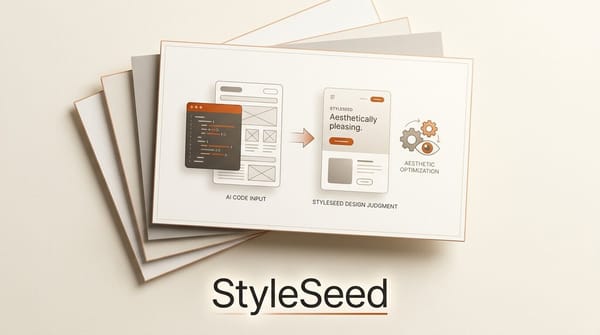
StyleSeed is a free MIT-licensed design engine that gives Claude Code, Cursor, and Codex real design judgment so AI-built UI stops looking generated.

Bonsai 27B is a new open-weights multimodal model that PrismML compressed to as little as 3.9 GB, small enough to run entirely on a phone or laptop with no cloud connection.

A security researcher has shown that xAI's Grok Build CLI was uploading entire git repositories, including unredacted secrets, to a Google Cloud Storage bucket, and that the tool's own opt-out toggle did not stop it.

Google's Gemini 3.5 Pro is reportedly targeting a July 17 general-availability launch, according to leaked launch plans and third-party reporting rather than any official Google post.