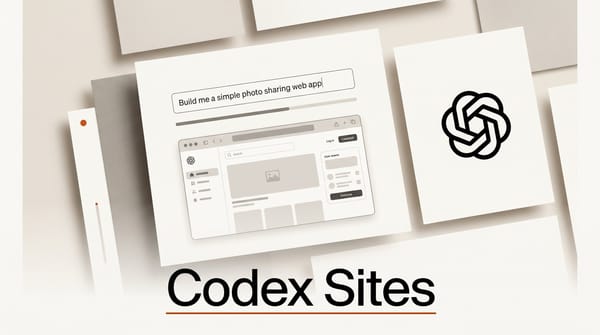
OpenAI Codex Sites: Build Hosted Web Apps From a Prompt
OpenAI launched Sites for Codex, letting ChatGPT Business and Enterprise users describe internal tools in plain English and get hosted, authenticated web apps in return.
Deep dives, tutorials, and analysis for AI-powered creators.
OpenAI launched Sites for Codex, letting ChatGPT Business and Enterprise users describe internal tools in plain English and get hosted, authenticated web apps in return.
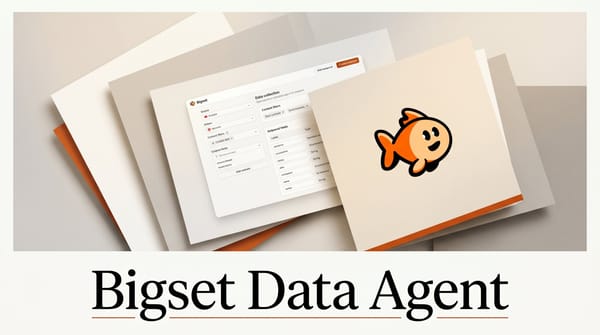
TinyFish Bigset launched June 2 as an AGPL-3.0 open-source multi-agent system that turns a plain-English sentence into a structured dataset pulled from the live web, then refreshes it on a schedule.
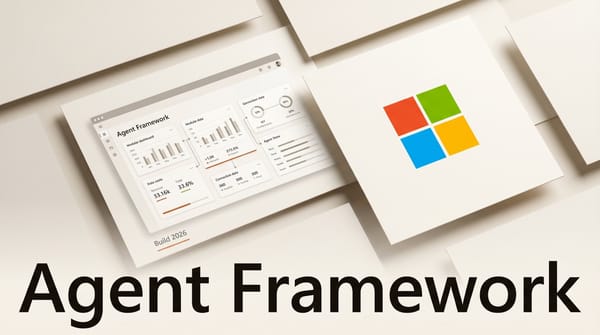
Microsoft announces Windows Agent Framework and a new Agent Store at Build 2026, enabling AI agents to control desktop applications natively.
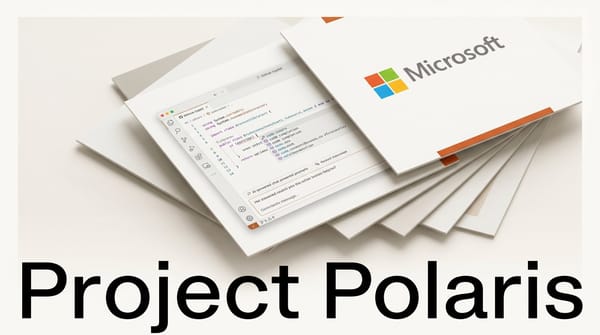
Microsoft unveiled Project Polaris at Build 2026: an in-house mixture-of-experts coding model that replaces GPT-4 Turbo as the GitHub Copilot default in August 2026.
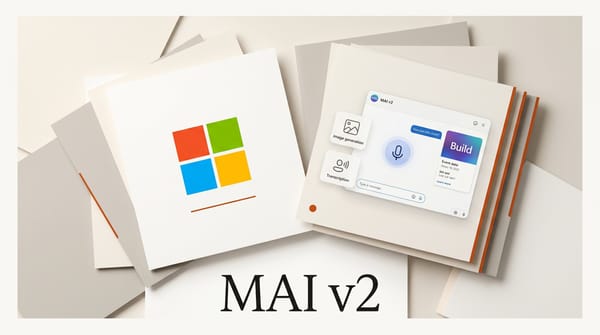
Microsoft used its Build 2026 keynote on June 2 to ship a refreshed MAI media stack: MAI-Image-2.5 with editing, MAI-Voice-2 for TTS, and MAI-Transcribe-1.5 for ASR.
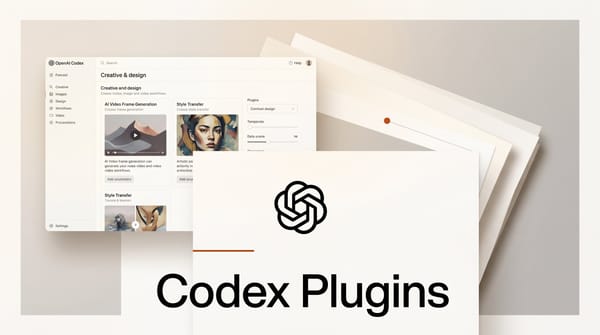
OpenAI shipped six Codex plugins on June 2 with Creative Production and Product Design tiers wired into Figma, Canva, Picsart, Shutterstock, and Fal.
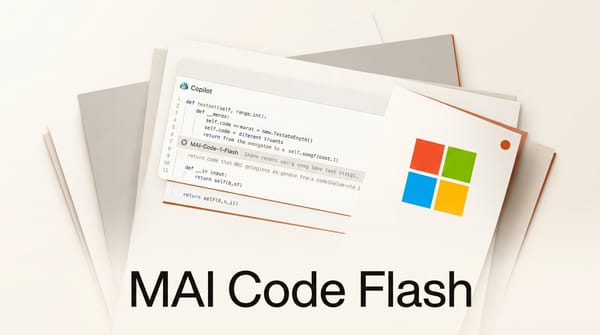
Microsoft used its Build 2026 keynote on June 2 to ship MAI-Code-1-Flash, an in-house coding model that is live today inside the GitHub Copilot model picker for Free, Pro, Pro+, and Max tiers.
Anthropic is scaling Project Glasswing to 150 new organizations across more than 15 countries, expanding its AI-powered security initiative.
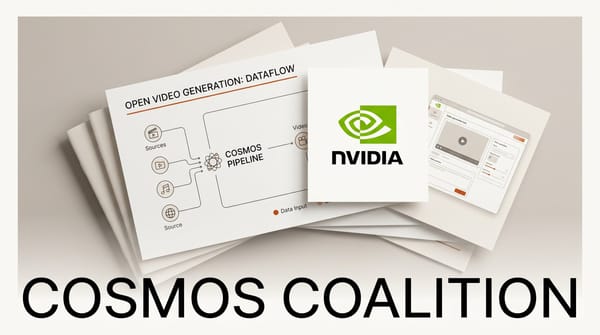
NVIDIA forms Cosmos Coalition with Runway, Black Forest Labs, and LTX to build open video generation infrastructure.
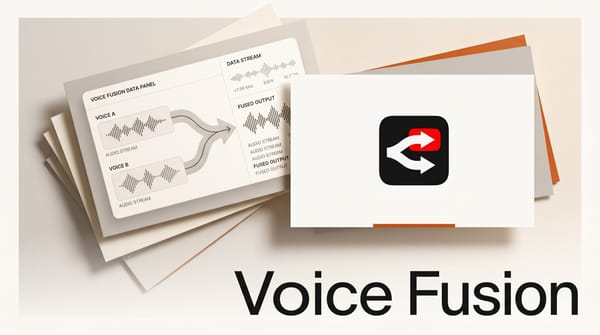
OpenRouter May 2026 release spotlight covers voice fusion models, new providers, and routing improvements for AI developers.
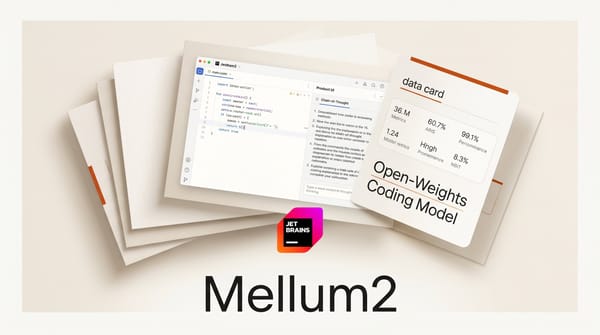
JetBrains releases Mellum2 Thinking under Apache 2.0, an open-weights coding model with chain-of-thought reasoning.
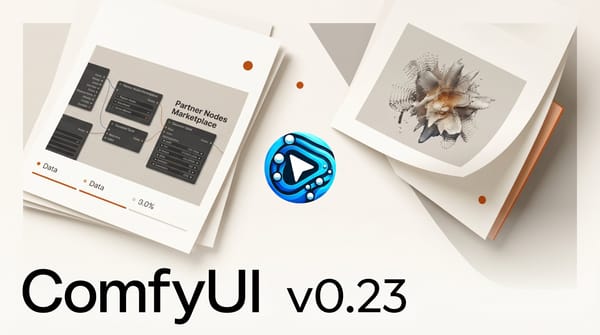
ComfyUI v0.23.0 adds partner nodes marketplace and native Gaussian splat support for 3D creators.
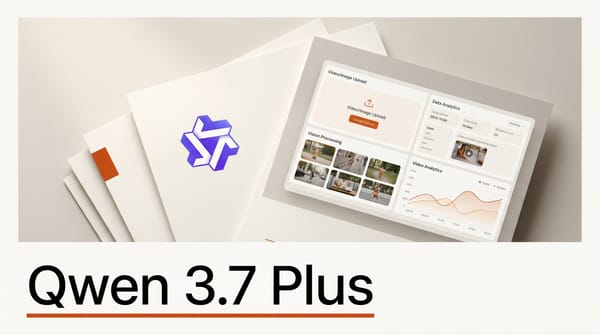
Qwen 3.7 Plus adds native vision and video understanding to Alibaba Bailian platform, challenging GPT-5.5 and Gemini for multimodal creative workflows.
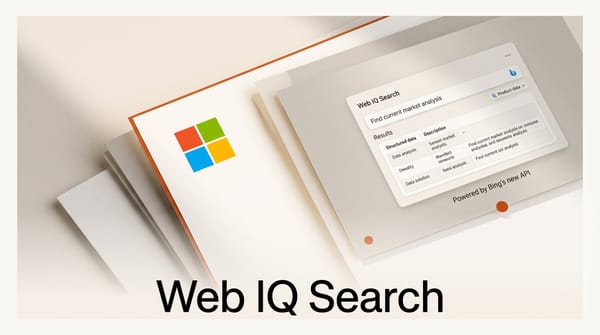
Microsoft launched Web IQ on June 2, 2026, a suite of AI-native search APIs built for AI agents. Powered by Bing, it already runs under Copilot and ChatGPT web responses.
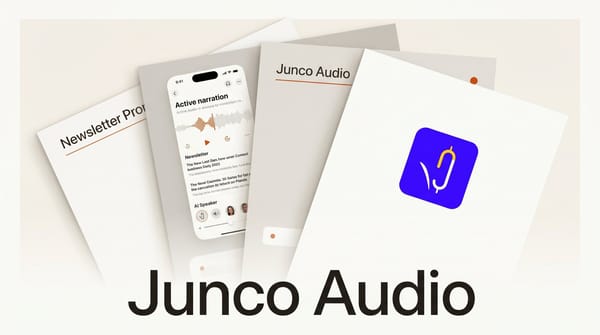
Junco converts your email newsletter subscriptions into short AI-generated audio episodes. Free on iPhone, iOS 17 and later.
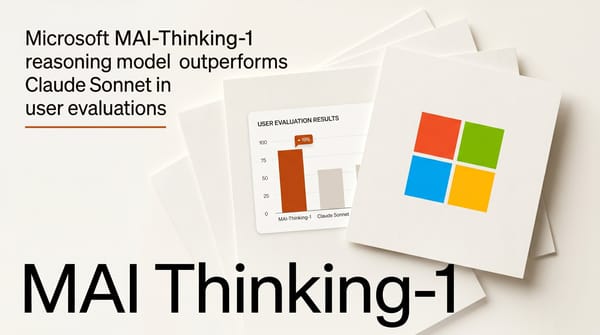
Microsoft's MAI-Thinking-1, a 35B sparse MoE with 256k context, tops Claude Sonnet 4.6 in blind evaluations and matches Claude Opus 4.6 on SWE-Bench Pro.
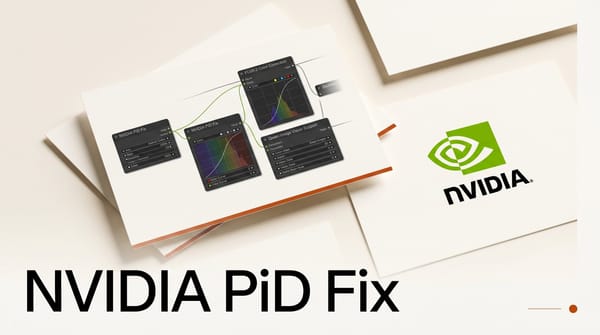
NVIDIA pushed new PiD checkpoints June 2 with a FLUX.2 color-fix variant plus Qwen-Image support, all on Apache 2.0 for direct 4K decode in ComfyUI.
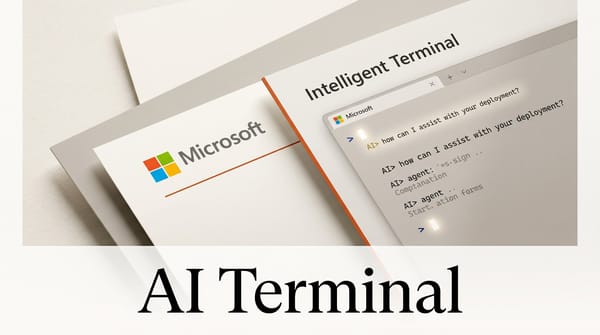
Microsoft Intelligent Terminal is an open-source fork of Windows Terminal that adds a docked AI agent pane, error detection, and support for GitHub Copilot, Claude, Codex, and Gemini.
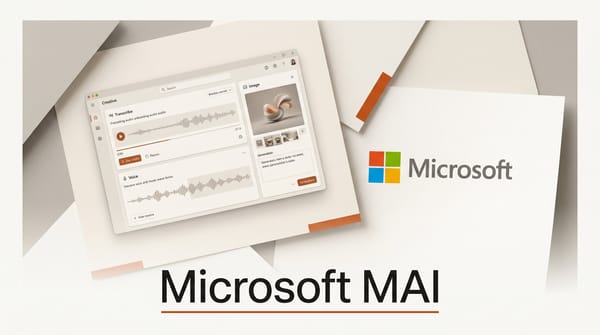
Microsoft shipped three creator-focused AI models on June 2: MAI-Image-2.5 beats Gemini on Arena benchmarks, MAI-Transcribe-1.5 runs 5x faster with 43-language support, and MAI-Voice-2 clones voices from short audio samples across 15 languages.
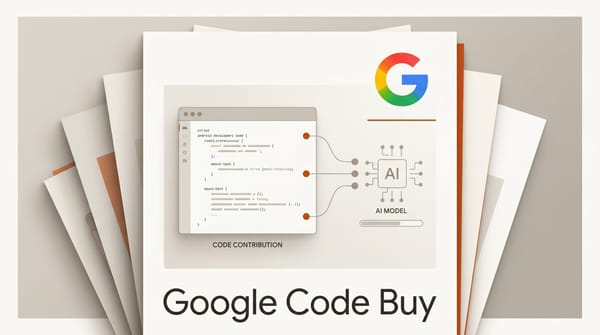
Google is quietly approaching select Play Store developers with paid offers to share app source code for AI training, competing with Microsoft Copilot and Anthropic Claude.