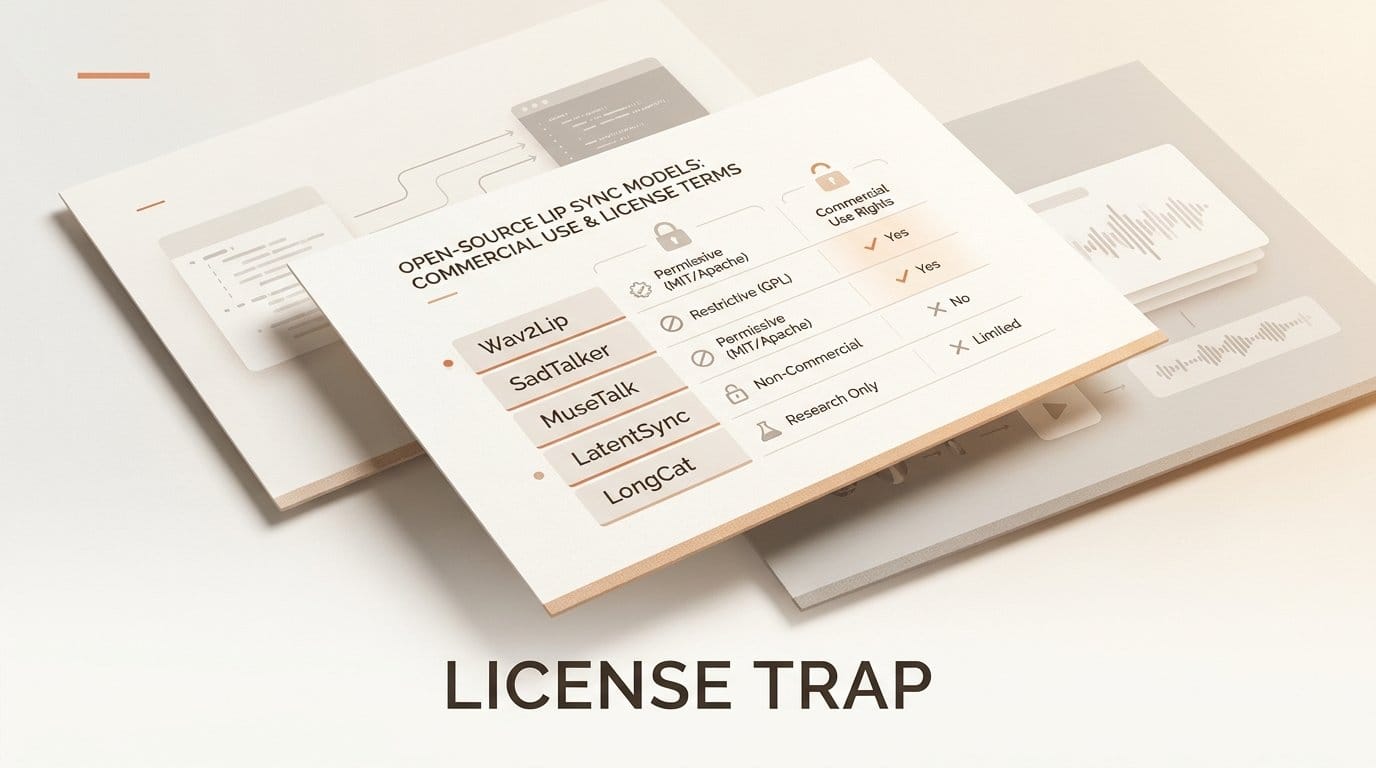
The open-source lip sync model most tutorials still recommend first is the one you are least allowed to use. Wav2Lip has 13,204 stars, ships no license file at all, and its README states that "any form of commercial use is strictly prohibited" because the weights were trained on the LRS2 dataset. Meanwhile MuseTalk, with half the stars, is plain MIT and was updated this month. This is a comparison of five open-source talking-head models on the only axis that decides whether you can ship the output: what the license actually says, verified by reading the LICENSE file and README in each repository rather than the badge on the page.
Background
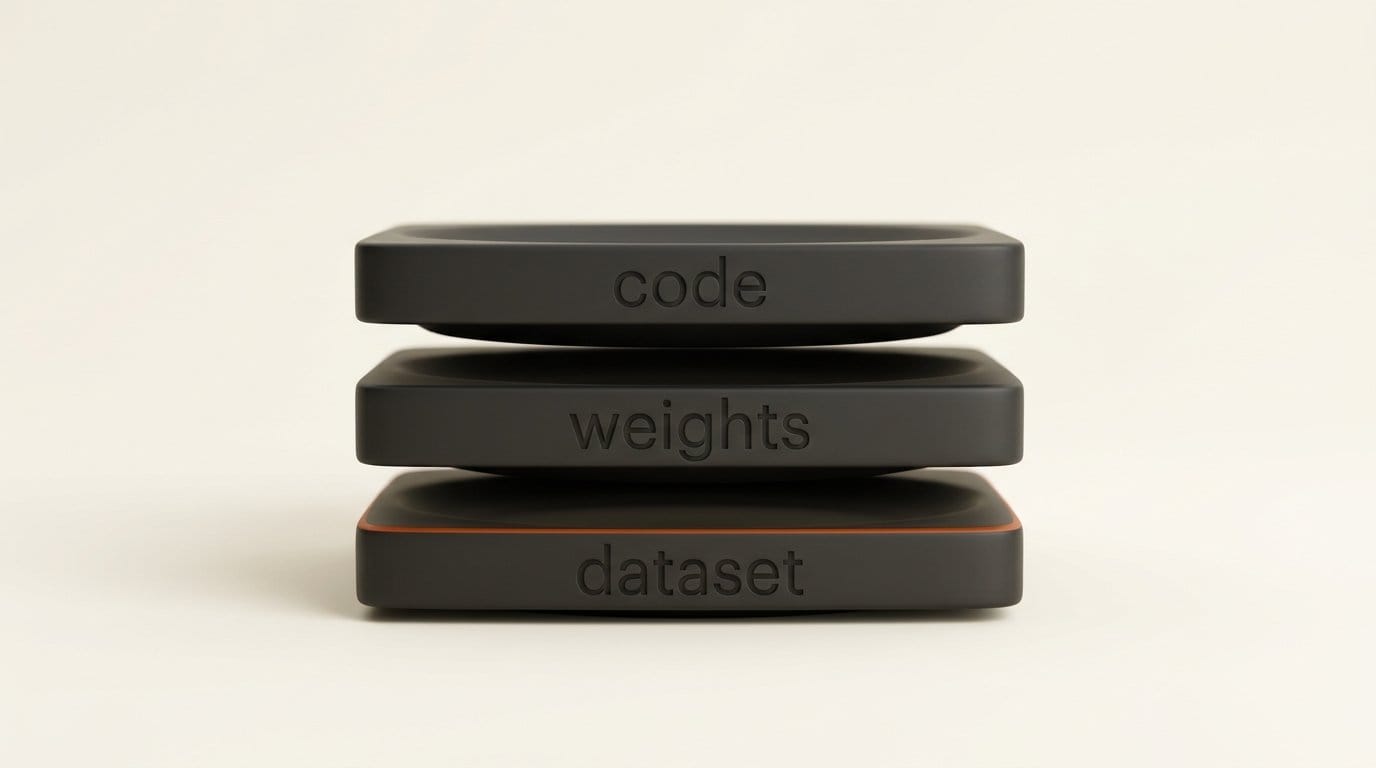
Open-source lip sync has an unusual failure mode. With most creative AI tools, the question "can I use this in paid work" is answered by a single line in a pricing page. With these models, the answer is spread across three separate documents that frequently disagree: the license file on the code, the license on the downloaded weights, and the terms of the academic dataset the weights were trained on. A permissive code license does not grant you rights to a model trained on restricted data.
The gap is wide enough that GitHub's own license detector gives up on two of the five models here, reporting them as "Other" rather than naming a license. That is not a bug. It is the detector correctly refusing to summarize a file that has been modified or carries carve-outs, and it is a useful signal that you need to read the file yourself.
Every figure below comes from the repository or model card, pulled from the GitHub and Hugging Face APIs. Star counts and last-push dates are live as of publication. Nothing here is a benchmark we ran; these are documented specifications and license terms, which is precisely the information that vendor roundups tend to get wrong.
Deep Analysis
The comparison table
| Model | License as written | Commercial use | Stars | Last push | Documented requirement |
|---|---|---|---|---|---|
| Wav2Lip | No license file in repo | Prohibited | 13,204 | 2025-06-22 | Advises downscaling to 720p |
| SadTalker | Apache 2.0 with third-party carve-out | Check components | 14,086 | 2024-06-26 | Single image input |
| MuseTalk | MIT plus dependency manifest | Permitted | 6,566 | 2025-09-26 | 4 GB VRAM minimum tested |
| LatentSync | Apache 2.0, clean | Permitted | 6,074 | 2025-06-20 | 8 GB (v1.5), 18 GB (v1.6) |
| LongCat-Video-Avatar 1.5 | MIT | Permitted | 797 likes | 2026-06-04 | Two-GPU example, INT8 option |
Wav2Lip: the default recommendation you cannot ship
Wav2Lip is the model most tutorials still open with, and the GitHub API returns license: null for the repository, meaning no license file exists. Under default copyright that alone is disqualifying for commercial work. The README is more explicit still: the disclaimer states results "should only be used for research/academic/personal purposes only" and that "as the models are trained on the LRS2 dataset, any form of commercial use is strictly prohibited." The license section repeats it, directing commercial requests to the maintainers by email.
This is the dataset-restriction trap in its cleanest form. Even if someone added an MIT file to that repository tomorrow, the weights would still carry LRS2's academic-use terms. The 2020 paper behind it remains a genuinely important piece of work, and the repository is still a reasonable place to learn how sync-expert supervision works. It is not a production dependency, and the maintainers now point commercial users to a hosted API instead.
SadTalker: permissive headline, conditional body
SadTalker is the star leader at 14,086 and the only model here that animates a single still photograph rather than resyncing an existing video. Its LICENSE opens by stating the project "is licensed under the Apache 2.0 License, except for the third-party components listed below." That carve-out is why GitHub reports the license as "Other" instead of Apache-2.0, and it is the reason a one-word answer is wrong. The Apache grant covers SadTalker's own code; the bundled components are governed separately and you have to walk that list before shipping.
The bigger practical concern is maintenance. Its last push was 2024-06-26, which is over two years stale in a field that has moved through several architecture generations since. Dependency rot on a Python project of this age is not hypothetical, and an unmaintained repository means no security patches and no fixes for the environment breakages that follow every major PyTorch release.
MuseTalk: the cleanest commercial option, with an honest speed caveat
MuseTalk, from Tencent Music Entertainment Group, is MIT. GitHub flags it "Other" only because the maintainers appended a dependency manifest to the license file, listing sd-vae-ft-mse, Whisper and face-parsing.PyTorch as MIT and DWpose as Apache-2.0. That appendix is the opposite of a red flag: it is a supply chain someone actually documented. It is also the most actively maintained repository in this comparison, with a push on 2025-09-26.
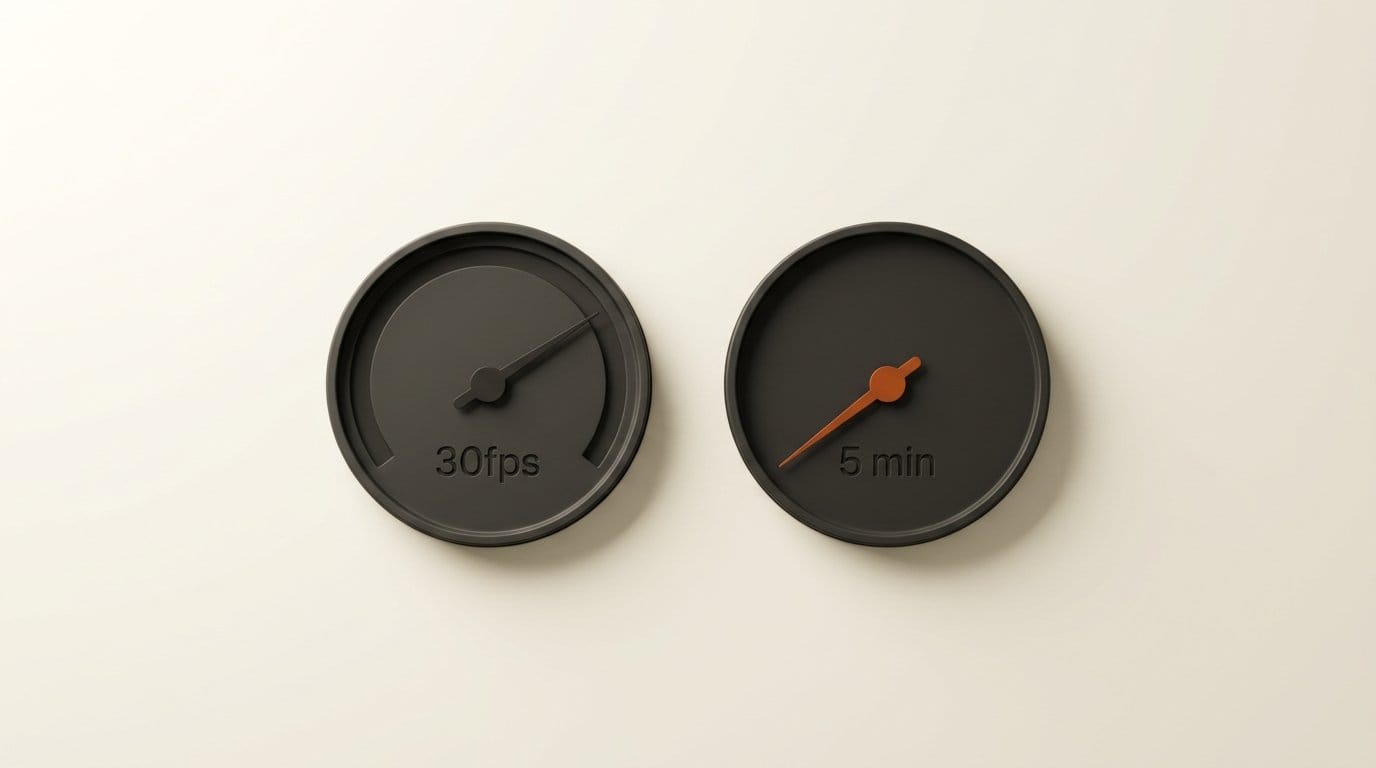
The number worth internalizing is the gap between its two headline claims. The README advertises "real-time inference with 30fps+ on an NVIDIA Tesla V100," and separately notes that on the minimum tested hardware, an RTX 3050 Ti laptop GPU with 4 GB VRAM in fp16 mode, "generating an 8-second video takes approximately 5 minutes." Both are true. Real-time is a datacenter-GPU claim, and on the low end you are roughly 37 times slower than playback. Its working face region is 256 x 256, and it recommends 25fps source video to match its training.
LatentSync: the only unambiguous license, and it costs VRAM
LatentSync from ByteDance is the one model here that GitHub resolves cleanly to Apache-2.0 with no carve-out and no appendix. If your legal review has a low tolerance for ambiguity, this is the shortest conversation on the list.
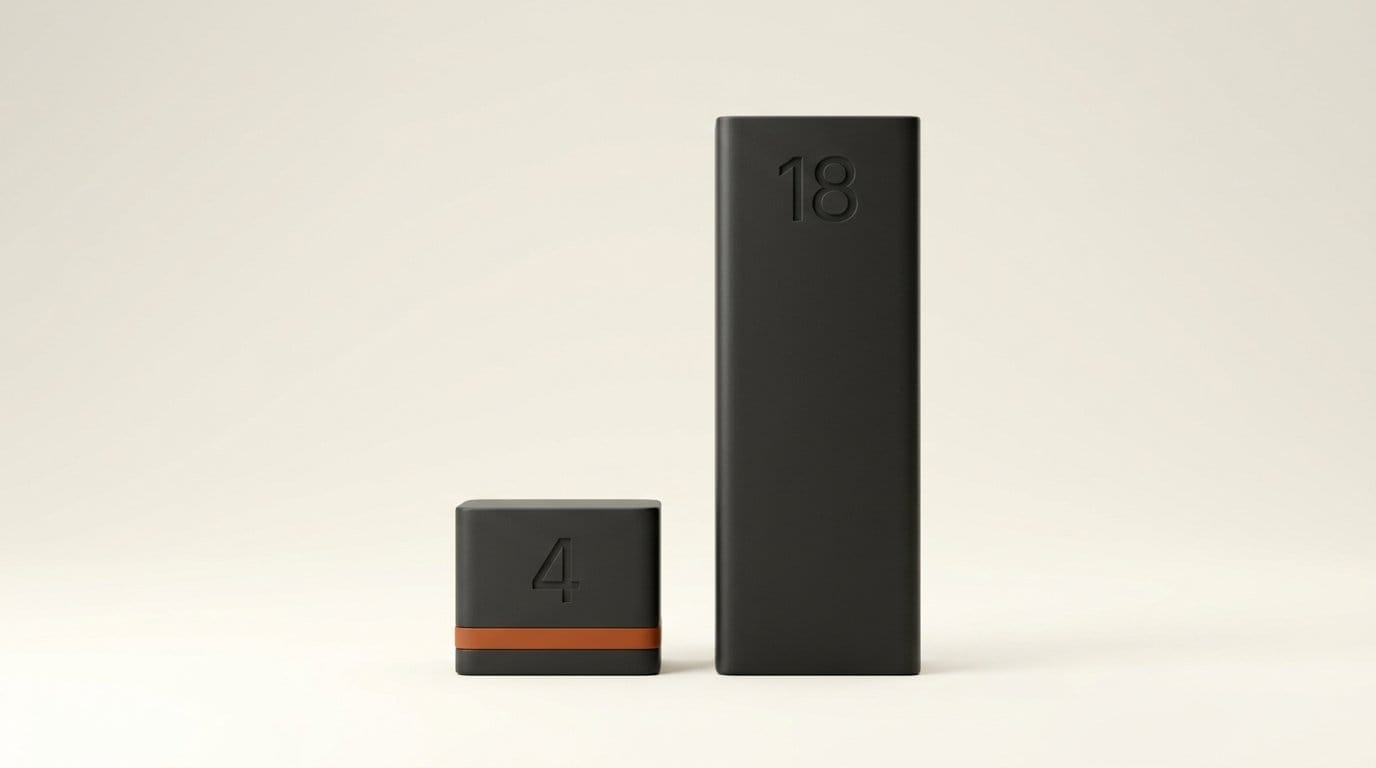
It is also the most honest about hardware, and the honesty is expensive. The README lists minimum inference VRAM as 8 GB for LatentSync 1.5 and 18 GB for 1.6. The jump buys resolution: 1.6 was trained on 512 x 512 video specifically "to mitigate the blurriness problem," which is the standard complaint about every model in this category. Training requirements run from 20 GB to 55 GB depending on configuration. Like MuseTalk, it expects 25fps video and 16 kHz audio.
LongCat-Video-Avatar 1.5: the newest entry, and the least documented
LongCat-Video-Avatar 1.5 from Meituan is MIT on the model card, was created on 2026-05-21 and last modified 2026-06-04, and sits at 797 likes and 1,890 downloads. It is architecturally the most ambitious of the five: audio-text-to-video, audio-image-to-video and video continuation for long-form output, a Whisper-Large audio encoder replacing Wav2Vec2, and eight-step inference via DMD2 distillation. Output is 480P or 720P, well above the face-region crops the older models work in.
The gap is documentation. The card specifies no parameter count and no VRAM figure, and the setup example invokes two GPUs with INT8 quantization offered to reduce memory. Its quality evidence is a human evaluation over 508 image-audio pairs with 770 crowdsourced raters plus expert scoring on physical rationality, harmony, temporal stability and identity consistency, but the card publishes no numeric scores and names no competitor beyond a reference to "leading commercial models." Promising, permissively licensed, and not yet something you can capacity-plan against.
Impact on Creators
The practical picks fall out cleanly. If you need commercial safety with the least argument, take LatentSync and budget 8 GB of VRAM. If you need throughput or you are running on a laptop, take MuseTalk and set expectations by the 4 GB figure rather than the V100 figure. If your input is a single photograph rather than a video, SadTalker is the only option here that does the job, and you should walk its third-party component list and accept that you are adopting an unmaintained dependency. If you are experimenting with long-form output at 720P, LongCat is worth the download. In no scenario does Wav2Lip belong in delivered client work.
The more durable lesson is a habit. Before you build a pipeline on any open-weights model, spend ten minutes doing what this comparison did: fetch the repository metadata, open the LICENSE file rather than trusting the badge, read the README's disclaimer section, and find out what dataset the weights were trained on. Two of the five models here are misreported by GitHub's own detector, and the roundup posts that rank for these keywords repeat licenses that do not match the files. The difference between the weights you can download and the model on the leaderboard is the same class of problem: the artifact you actually run is rarely the one that was advertised.
It is also worth being clear about what open source buys you here. None of these five match what the hosted tools produce, and if your deliverable is a client-facing talking head at broadcast quality, the honest comparison is against the commercial avatar platforms, not within this list. What open source buys is unmetered volume, local processing for footage you cannot upload, and the ability to fine-tune. Those are real reasons, and they are different reasons from saving money on a handful of clips.
Key Takeaways
- Wav2Lip has the second-highest star count at 13,204, no license file, and a README that prohibits all commercial use because of the LRS2 training data. Popularity is not permission.
- SadTalker is Apache 2.0 "except for the third-party components listed below." The carve-out is why GitHub reports "Other," and it means you must audit the bundled components.
- MuseTalk is MIT with a documented dependency manifest and the most recent push of the five, on 2025-09-26. It is the cleanest commercial pick for throughput.
- LatentSync is the only unambiguous Apache-2.0 license here, needing 8 GB VRAM at v1.5 and 18 GB at v1.6, which buys 512 x 512 training resolution.
- MuseTalk's "30fps+" is measured on a Tesla V100. On its minimum tested 4 GB laptop GPU an 8-second clip takes about 5 minutes.
- LongCat-Video-Avatar 1.5 is MIT and outputs 480P or 720P, but publishes no parameter count, no VRAM figure and no numeric benchmark scores.
What to Watch
The thing to watch is whether model cards start separating the code license from the weights license as a matter of routine. Right now a single "license: mit" field on a Hugging Face card covers both, which is exactly the ambiguity that makes Wav2Lip's situation possible, and no widely adopted convention distinguishes "this code is MIT" from "these weights were trained on data you may not commercialize." Until that changes, the dataset is the thing to check, and it is almost never on the card.
The second thing is maintenance velocity as a selection criterion. SadTalker holds the highest star count in this comparison while sitting untouched since June 2024, which tells you stars measure historical attention rather than current fitness. As this category consolidates, expect the gap between the most-starred and the most-maintained repository to widen further, and expect the roundups to keep ranking on the former. The only number that protects you is the one you check yourself on the day you commit to a dependency.
Frequently Asked Questions
Can I use Wav2Lip in a client project?
No. The repository ships no license file, and its README states that because the models are trained on the LRS2 dataset, any form of commercial use is strictly prohibited. The maintainers direct commercial requests to a hosted API instead.
Which open-source lip sync model is safest for commercial work?
LatentSync, which GitHub resolves to a clean Apache-2.0 with no carve-outs. MuseTalk is also MIT and more actively maintained, with an appendix listing its dependency licenses.
Why does GitHub show "Other" for SadTalker and MuseTalk?
Both files deviate from the standard text. SadTalker's Apache 2.0 grant excludes listed third-party components, and MuseTalk appends a dependency manifest after the MIT text. The detector will not summarize a modified file, which is correct behavior.
How much VRAM do I need?
MuseTalk documents a 4 GB minimum on a tested RTX 3050 Ti laptop GPU in fp16. LatentSync lists 8 GB for v1.5 and 18 GB for v1.6 inference. LongCat's card gives no figure, though it offers INT8 quantization to reduce usage.
Which one works from a single photo?
SadTalker. It generates a talking head from one still image rather than resyncing existing video, which is what the others do. Accept that it has not been updated since June 2024.
Is open source good enough to replace a hosted avatar tool?
Usually not on output quality alone. Choose open source for unmetered volume, for footage that cannot leave your machine, or because you intend to fine-tune. For a one-off client deliverable, a hosted platform is generally the better trade.