Alibaba's Qwen team launched Qwen-Audio-3.1 on 23 September 2026, five voice models (ASR, ASR-Next, TTS, TTS-Next and Realtime) sold with "TTS ~70% off, Realtime ~85% off, and ASR up to 95% off". We compared Alibaba Cloud's official price list against its 16 September copy, and the biggest cut we can verify is not on a 3.1 model at all. It is on the older Qwen-Audio-3.0 Realtime Flash, whose audio output fell from $15 to $1.87 per million tokens. The new 3.1 Realtime Plus costs exactly what 3.0 Plus did, the new TTS models are priced for mainland China only, and ASR moved to a different unit that makes the discount impossible to read off the page.
Background
The launch post on X went out at 09:11 UTC on 23 September. The model documentation is dated a day earlier, and the Qwen-Audio-3.1-Realtime paper was submitted on 21 September. All five models are API-only through Alibaba Cloud Model Studio; we found no open weights.
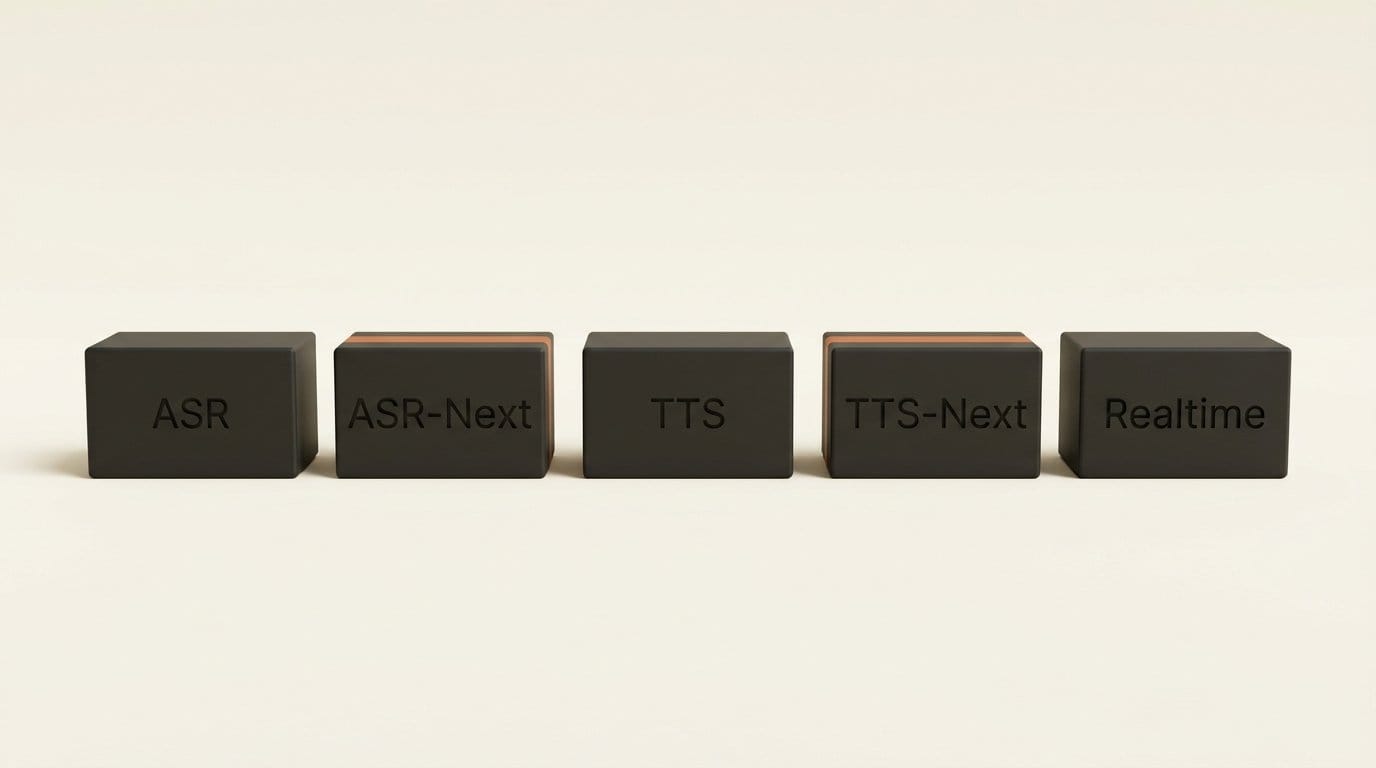
What each one does, from the launch post and the docs:
- ASR transcribes speech and, per the launch post, polishes the transcript by removing fillers and repetitions. The file transcription variant takes recordings up to 12 hours or 2 GB.
- ASR-Next adds speaker labels, timestamps and captions for emotion, ambient and machine sounds. It has no model ID or price on the pricing page yet; the launch post says "More APIs: coming soon".
- TTS (
qwen-audio-3.1-tts-flash) handles multilingual and dialect synthesis with voice cloning and instruction control. - TTS-Next (
qwen-audio-3.1-tts-next) is the one creators should look at. Its documentation says it generates "complete audio content in a single pass", combining "speech, sound effects, ambient sounds" from text, timestamps and up to three reference clips. Output runs to 240 seconds for podcasts and 120 seconds otherwise, from up to 3,000 characters of input. - Realtime (
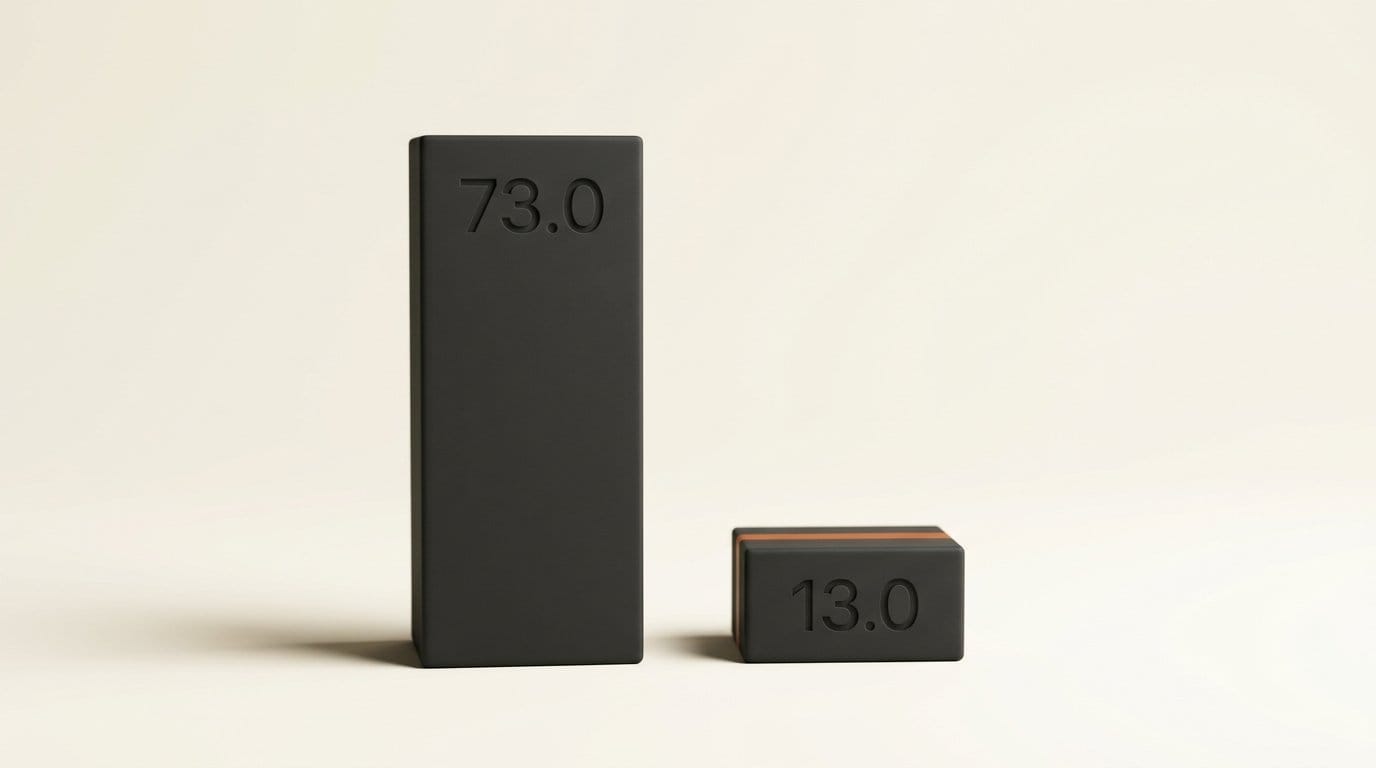
qwen-audio-3.1-realtime-plus) is full-duplex speech-to-speech. The paper reports task success rising from 78.4% to 82.0% over 3.0 on its adaptation of tau-Voice, and the response rate to background speech falling from 73.0% to 13.0%.
Deep Analysis
Realtime: the 85% landed on the old model
Alibaba Cloud's model pricing page (international, Singapore) lists the new Realtime Plus and the old one side by side at identical prices. The row that changed is qwen-audio-3.0-realtime-flash. The archived copy from 16 September shows what it cost a week earlier.
| Model (per million tokens, international) | Text in | Audio in | Text out | Audio out |
|---|---|---|---|---|
| 3.1 Realtime Plus (new) | $0.8 | $6.4 | $6.4 | $24 |
| 3.0 Realtime Plus, 16 Sep and today | $0.8 | $6.4 | $6.4 | $24 |
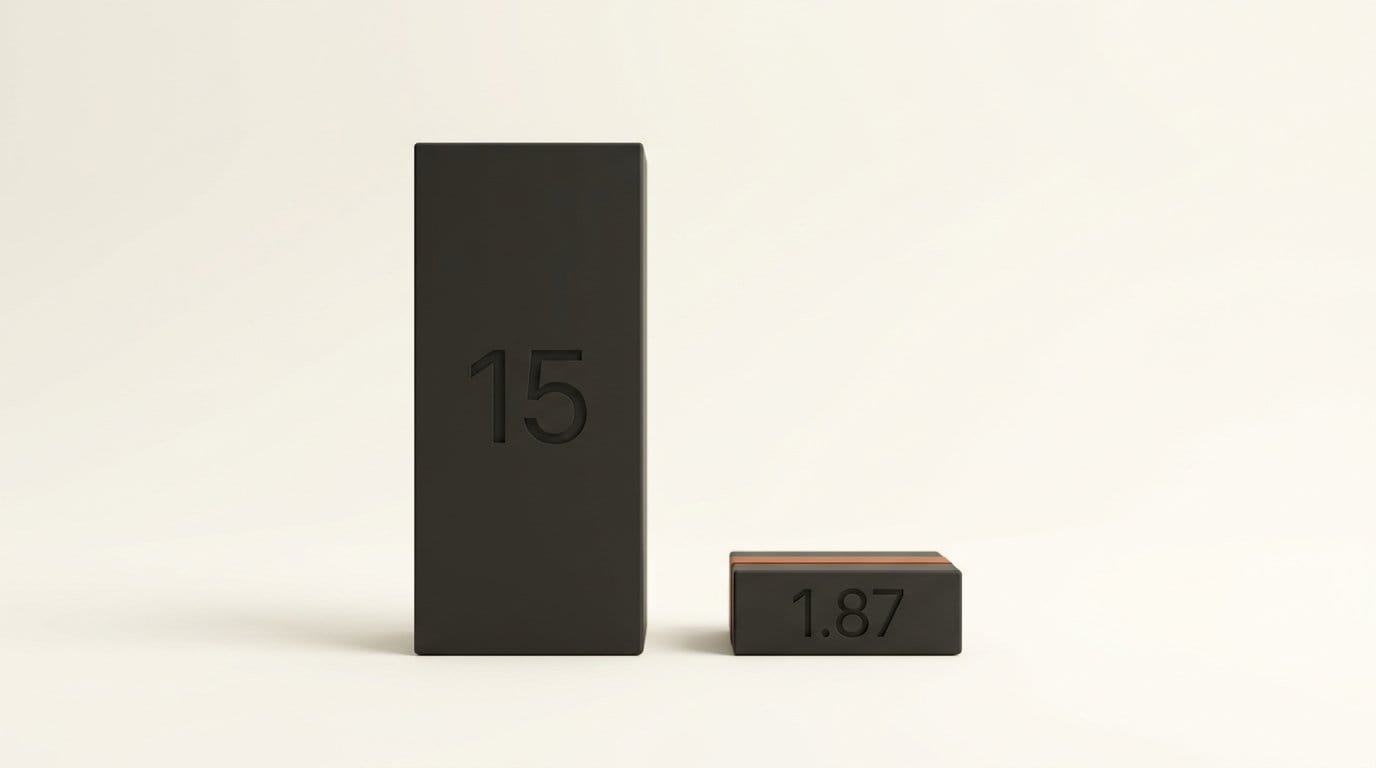
| 3.0 Realtime Flash, 16 Sep | $0.45 | $4.5 | $4.5 | $15 |
| 3.0 Realtime Flash, 24 Sep | $0.23 | $0.93 | $0.7 | $1.87 |
| Flash cut (our arithmetic) | 48.9% | 79.3% | 84.4% | 87.5% |
Three of the four Flash prices fell between 79.3% and 87.5%, which is where "~85% off" most plausibly comes from. Mainland China pricing moved the same way, with Flash audio output going from $13.752 to $1.696. So the discount is real. It just belongs to the model the launch post does not name, and the 3.1 upgrade (better task success, far fewer false responses to background chatter) comes at the old Plus price rather than a new lower one.
ASR: a new meter, not a visible discount
Qwen-Audio-3.0 ASR bills by the second: $0.000035 per second for file transcription internationally, about $0.126 an hour, with a 10-hour free quota. That price is unchanged. The 3.1 models bill by the token instead, $0.15 per million input tokens and $0.47 per million output tokens for qwen-audio-3.1-asr-flash, and neither the ASR page nor the pricing page says how many tokens a second of audio becomes.
The pricing page does state a rate for Realtime: "Audio duration (seconds) x 12.5" tokens. If ASR audio counts the same way, an hour is 45,000 input tokens, or $0.00675, which is 94.6% below the old per-second rate before output tokens are added. That is the only reading we found under which "up to 95%" works, and it rests on an assumption Alibaba has not confirmed for ASR. Run one of your own files and read the bill before you move a transcription pipeline. For reference, ElevenLabs lists Scribe v2 at $0.22 an hour.
TTS and TTS-Next: priced for Beijing only
Neither new speech model appears in the international price list. The TTS Flash documentation gives a mainland China price of 1.5 CNY per million input tokens and 12 CNY per million output tokens. TTS-Next is listed at $0.848 in and $1.696 out per million tokens, again for the China (Beijing) region only, with a limit of 3 requests per second. Meanwhile the old qwen-audio-3.0-tts-flash still costs $0.15 per 10,000 characters internationally, exactly as it did on 16 September.
Because the old model bills per character and the new one per token, with no published conversion, "~70% off" cannot be checked from the price list. If you are outside mainland China, there is no international 3.1 TTS price to compare against at all yet.
Per-token prices do not compare across vendors
Token prices invite a comparison they cannot support. Google's pricing page lists Gemini 3.8 Flash TTS at $9.00 per million audio output tokens and translates that as "$0.00225 per 10s audio", which works out to 25 audio tokens per second. Qwen's Realtime counts 12.5. Qwen's $24 per million looks 2.7 times Gemini's $9, but per minute of speech it is $0.018 against $0.0135, a gap of about a third. Always convert to minutes before you compare.
| Audio output, per minute (our arithmetic) | Listed price | Per minute |
|---|---|---|
| Qwen 3.1 Realtime Plus | $24 per million tokens, 12.5 tokens per second | $0.018 |
| Gemini 3.8 Flash TTS, through 31 Dec 2026 | $0.00225 per 10 seconds | $0.0135 |
| Qwen 3.0 Realtime Flash, 24 Sep | $1.87 per million tokens, 12.5 tokens per second | $0.0014 |
These are different products, a conversational speech-to-speech model and a text-to-speech model, so the table is a sanity check on units rather than a ranking. Google's rate also doubles on 1 January 2027, which we covered in Gemini 3.8 TTS Is #1. The Price Doubles January 1.
Impact on Creators
If you are building a voice agent, a call bot or an interactive character, the most useful change here is the quietest one. Qwen-Audio-3.0 Realtime Flash now costs about $0.0014 per minute of spoken output, one-thirteenth of Realtime Plus. Prototype on Flash, and move to 3.1 Plus only where you can hear the difference; the paper's 73.0% to 13.0% drop in responses to background speech is the improvement most likely to matter in a noisy room or a live stream.
If you make podcasts, audiobooks, ads or game audio, TTS-Next is the model to watch because it mixes voice, effects and ambience in one call, which usually takes three tools and a timeline. It supports Chinese and English, and today you need a mainland China region account to call it. For transcription, treat 3.1 ASR as a new product with a new meter: test real files before switching. If you are weighing Qwen voices against each other, our coverage of Qwen-Audio-3.0-TTS covers the previous generation, and Qwen3-TTS Ranks #2 and #28 on the Same Leaderboard shows how far a leaderboard number can drift from the latency you actually get.
Key Takeaways
- The largest verifiable cut is on Qwen-Audio-3.0 Realtime Flash, whose audio output fell 87.5%, from $15 to $1.87 per million tokens.
- Qwen-Audio-3.1 Realtime Plus costs exactly what 3.0 Plus did: $24 per million audio output tokens.
- 3.1 ASR switched from per-second to per-token billing with no published token rate, so "up to 95%" cannot be checked from the price list.
- TTS Flash and TTS-Next have mainland China prices only; there is no international 3.1 TTS price yet.
- Convert token prices to minutes before comparing vendors: Qwen counts 12.5 audio tokens per second, Gemini's TTS rate implies 25.
What to Watch
Three things will settle whether the launch numbers hold. First, international prices for TTS and TTS-Next, and whether they come in at the "~70% off" the post promised. Second, a published audio token rate for 3.1 ASR, which would turn the 95% question into arithmetic. Third, ASR-Next reaching the price list at all, since sound captioning and event localization are exactly what editors want for finding moments in long recordings.
Also note the small print on every Alibaba price page: the list "excludes promotions", and the console may show something lower. That cuts both ways. A promotional price can undercut the list today and disappear later, so build your cost model on the list and treat any console discount as temporary until Alibaba says otherwise.
Frequently Asked Questions
What is Qwen-Audio-3.1?
Qwen-Audio-3.1 is Alibaba Qwen's September 2026 voice lineup: ASR and ASR-Next for transcription and audio understanding, TTS and TTS-Next for speech and full soundtrack generation, and Realtime for full-duplex voice conversation. All five are API-only through Alibaba Cloud Model Studio.
Did Qwen really cut Realtime prices by 85%?
The cut is real but it applies to the older Qwen-Audio-3.0 Realtime Flash, whose audio output fell from $15 to $1.87 per million tokens. The new 3.1 Realtime Plus costs the same as 3.0 Plus, $24 per million audio output tokens.
How much does Qwen-Audio-3.1 Realtime cost per minute?
Alibaba counts audio at 12.5 tokens per second, so a minute of audio is 750 tokens. At $24 per million, a minute of 3.1 Realtime Plus output costs about $0.018, and a minute of audio input at $6.4 per million costs about $0.0048.
Can I use Qwen-Audio-3.1 TTS-Next outside China?
Not at a published price yet. TTS-Next and 3.1 TTS Flash list prices for the China (Beijing) region only, and the international price list still shows only the 3.0 TTS models.
Is Qwen-Audio-3.1 open source?
No. We found no open weights for any of the five models. They are available through Alibaba Cloud Model Studio APIs, with a 1,000,000-token free quota for 3.1 ASR and Realtime in the Singapore region.