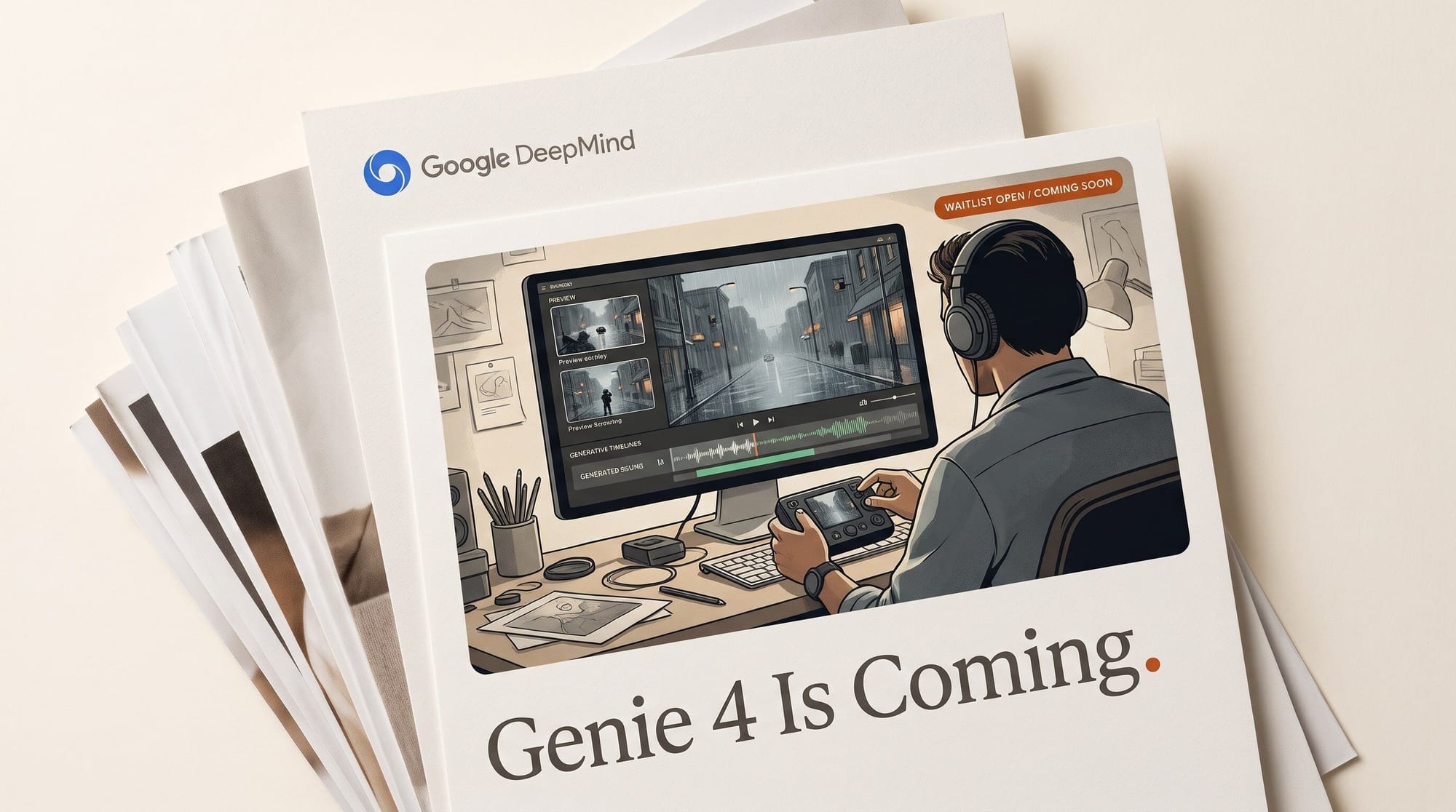
Google DeepMind announced Genie 4 on October 27, 2026. It is a real-time world model that turns a text prompt into a space you can walk through, and for the first time it generates music, ambient sound and spoken dialogue along with the picture. You can also change the world while you are inside it by typing a request, such as different weather, a new camera angle, or an extra person or object. Genie 4 is not available to the public yet. Google is running it as a research preview for trusted testers. It says Google AI Ultra subscribers will get it next in Project Genie, alongside early-access partners on the Gemini API and Google AI Studio, and TechCrunch reports the rollout is due "in the coming weeks".
This article sets out what Google has confirmed and how Genie 4 differs from the Genie 3 version Ultra subscribers can use today. It compares Genie 4 with the other world models creators are watching and lists what you can do this week if you work in previz, storyboarding or game prototyping. We have not used Genie 4, and so far nobody outside Google's tester group has either. Everything below comes from Google's own pages and the press coverage linked in each section, checked on October 28, 2026.
What Google Announced on October 27
Google's Genie model page calls Genie 4 "our most realistic and interactive world model yet." The announcement covers four main changes:
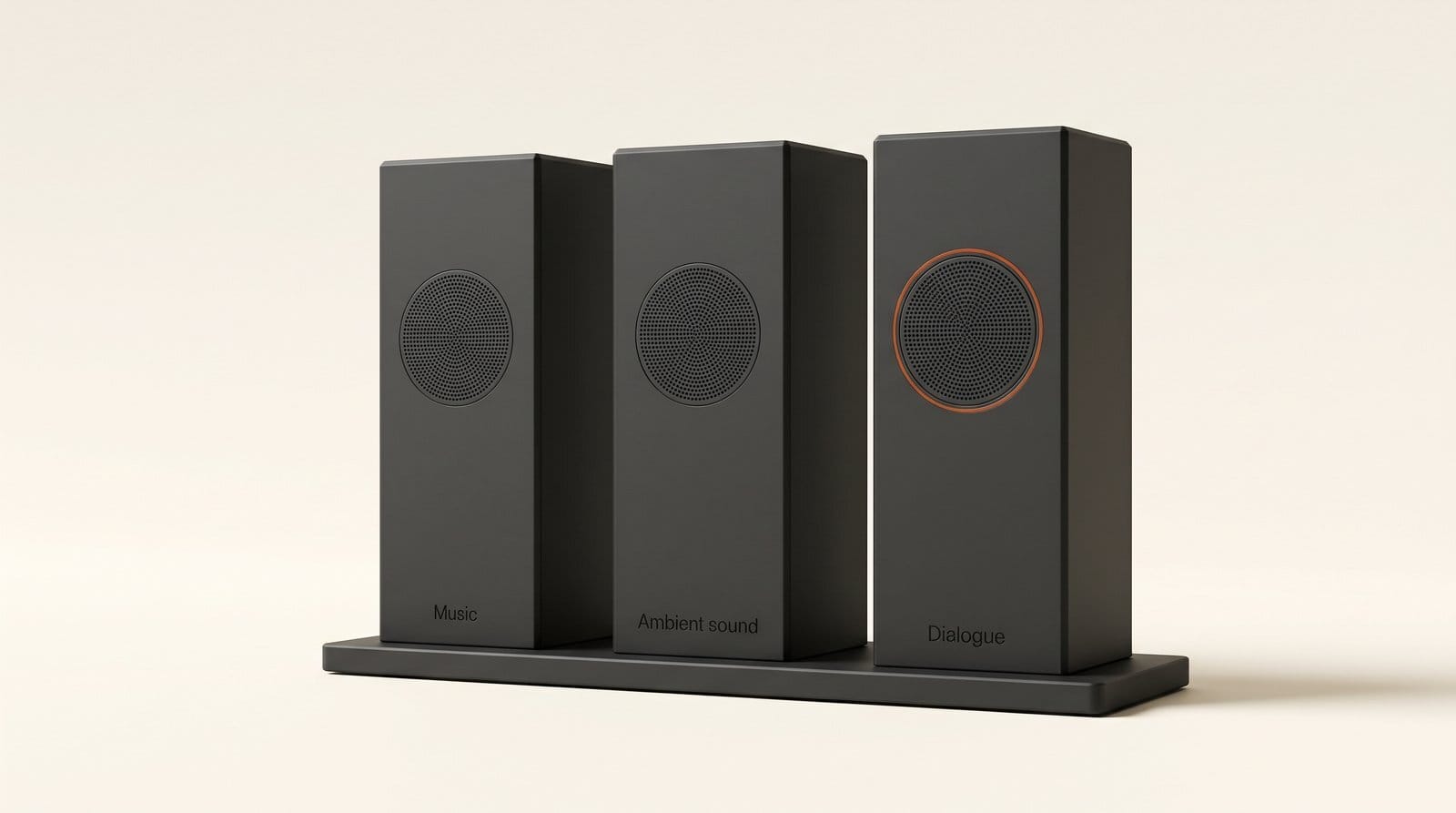
- Sound. Genie 4 is natively multimodal. It generates music, ambient sound and interactive dialogue in real time to match what is on screen. Google calls it the first real-time world model to generate audio natively.
- Steering in plain language. While a world is running you can type an instruction to change the weather, move the camera or add a person or object. You move around with standard keyboard controls.
- More realism. Google cites better photorealism, smoother movement, physics such as aerodynamics and collisions, and characters that move and react more like people.
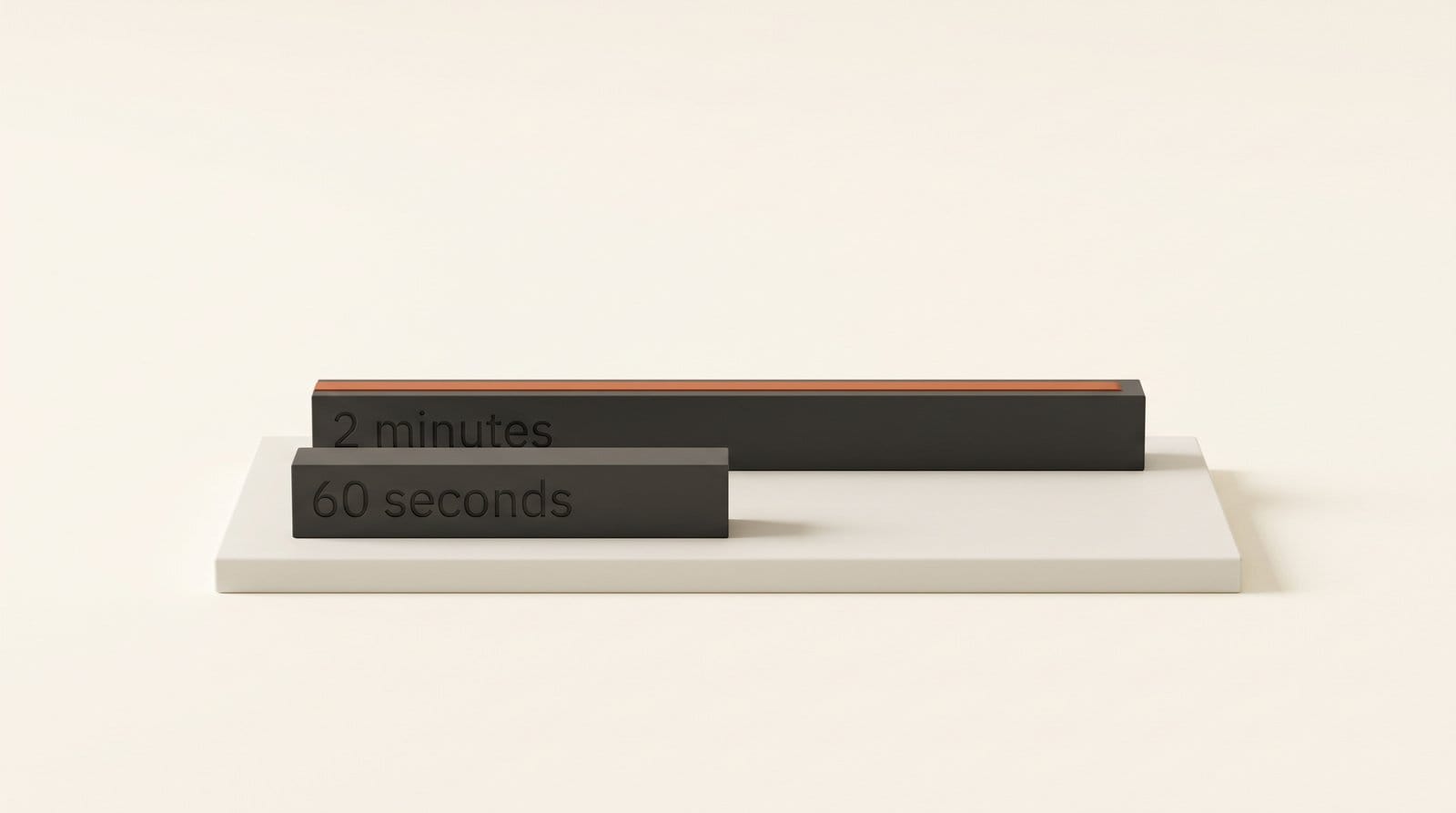
- Longer consistency. TechCrunch reports that a scene stays consistent for up to two minutes, double Genie 3's limit. Google's model page says Genie 4 supports "a few minutes of continuous interaction, rather than extended sessions."
Genie 4 is built on the Gemini family. Gemini Omni keeps the look of real places and objects accurate, and other Gemini models help keep scenes coherent. According to TestingCatalog, the current testers come from creative industries, journalism, education, gaming and engineering. Google describes the tester experiments as "explorations, not generally available products." All generated video and audio carries a SynthID watermark.
What Changes From Project Genie Today
Project Genie is the website where Ultra subscribers use Google's world model now. It launched on January 29, 2026 on Genie 3 for adult Ultra subscribers in the US. It lets you sketch a world from text and generated or uploaded images, preview the starting frame with Nano Banana Pro, choose a first-person or third-person view, explore, remix worlds from a gallery and download videos of what you explored. In May, Google added Street View worlds at I/O, and Google's plans page now lists Project Genie in more than 140 countries, still only on Ultra.
Genie 4 fixes the three biggest limits of the current version. At launch, Project Genie capped each generation at 60 seconds. It had no sound, so anything you downloaded needed a separate audio pass. And Google's own launch post said the promptable events shown with Genie 3 in August 2025, where you change the world while you are in it, were not part of the prototype. Genie 4 brings all three: generated sound, text edits during a session, and roughly twice the time before the scene drifts.
For a creator, the difference is between a moving concept sketch and something closer to a rough scene. A director walking through a set in Project Genie today can see the space but hears nothing and cannot ask for rain halfway through. Once Genie 4 reaches Project Genie, the same walk-through can carry ambient sound, a music bed and a line of dialogue, and it can change mid-shot.
Genie 4 vs Other World Models Creators Can Watch
Several companies are building world models that creators can steer in real time, but most are in limited previews. The table shows where each one stands as of October 28. Facts about the other models come from our earlier coverage, linked below the table.
| Model | Status today | How to get in | Sound | Change the world mid-session | Session length |
|---|---|---|---|---|---|
| Google Genie 4 | Research preview, trusted testers | Project Genie waitlist; Ultra rollout "coming soon" | Yes: music, ambient sound, dialogue | Yes, by typing | Up to about 2 minutes consistent |
| Google Project Genie (Genie 3) | Live for Google AI Ultra | Ultra plan, from $99.99 a month in the US | No | Not at launch | 60 seconds per generation at launch |
| Runway GWM Worlds 2 | Research preview since September 3 | Contact form, select partners | Yes, 48kHz audio | Yes, text commands and camera controls | No fixed length |
| World Labs Atlas | Early access since September 1 | Application, select partners | Not stated | Not stated | Video up to 1 minute at 1440p |
| Odyssey Agora-1 | Launched May 18 with a browser demo | Public demo | Not stated | Shared world for up to 4 players | Not stated |
Runway's model is the closest match. GWM Worlds 2 already streams 720p at 24 frames per second with synchronized audio and supports several people in one world, but access is through a form while Runway works with partners. World Labs Atlas takes a different approach: it handles images, video, 3D reconstruction from photos and 360-degree panoramas in one model, which suits set building more than live exploration. Odyssey Agora-1 is the multiplayer experiment, with a shared world state for up to four people.
What sets Genie 4 apart is the route to market. Runway and World Labs have not said when their previews will open to individual creators. Google has a paid consumer product already running in more than 140 countries, and Genie 4 is going into it. If the rollout lands as TechCrunch reports, Genie 4 will be the first of these new world models that an individual can use by paying for a plan, without applying.
Where Genie 4 Fits in a Creator Workflow
Google DeepMind engineer Diego Rivas told TechCrunch that the real-time side is most valuable where creators want to keep "a state of flow", and that testers pointed to film ideation and storyboarding. Three uses follow from what Google has confirmed:
- Previz and location scouting. Describe a location, walk the camera through it and try lighting or weather changes by typing, then record what works as reference for a shot list or for a video model such as Veo or Kling.
- Animatics with a sound sketch. Generated ambience and music let a walk-through work as a rough animatic, which helps when you pitch a scene to a client or collaborator before anything is shot or rendered.
- Game and level prototyping. A designer can test how a space feels to move through before anyone builds it in Unreal or Unity. Our coverage of Google Playground covers the text-to-game route if you need an actual playable build.
For finished footage, use a video model, not Genie 4. Google lists drifting detail, inaccurate audio and unreadable in-world text as open problems, and TechCrunch quotes Rivas saying it is "still early days for Genie 4". Treat it as a sketching tool.
What Is Still Unknown
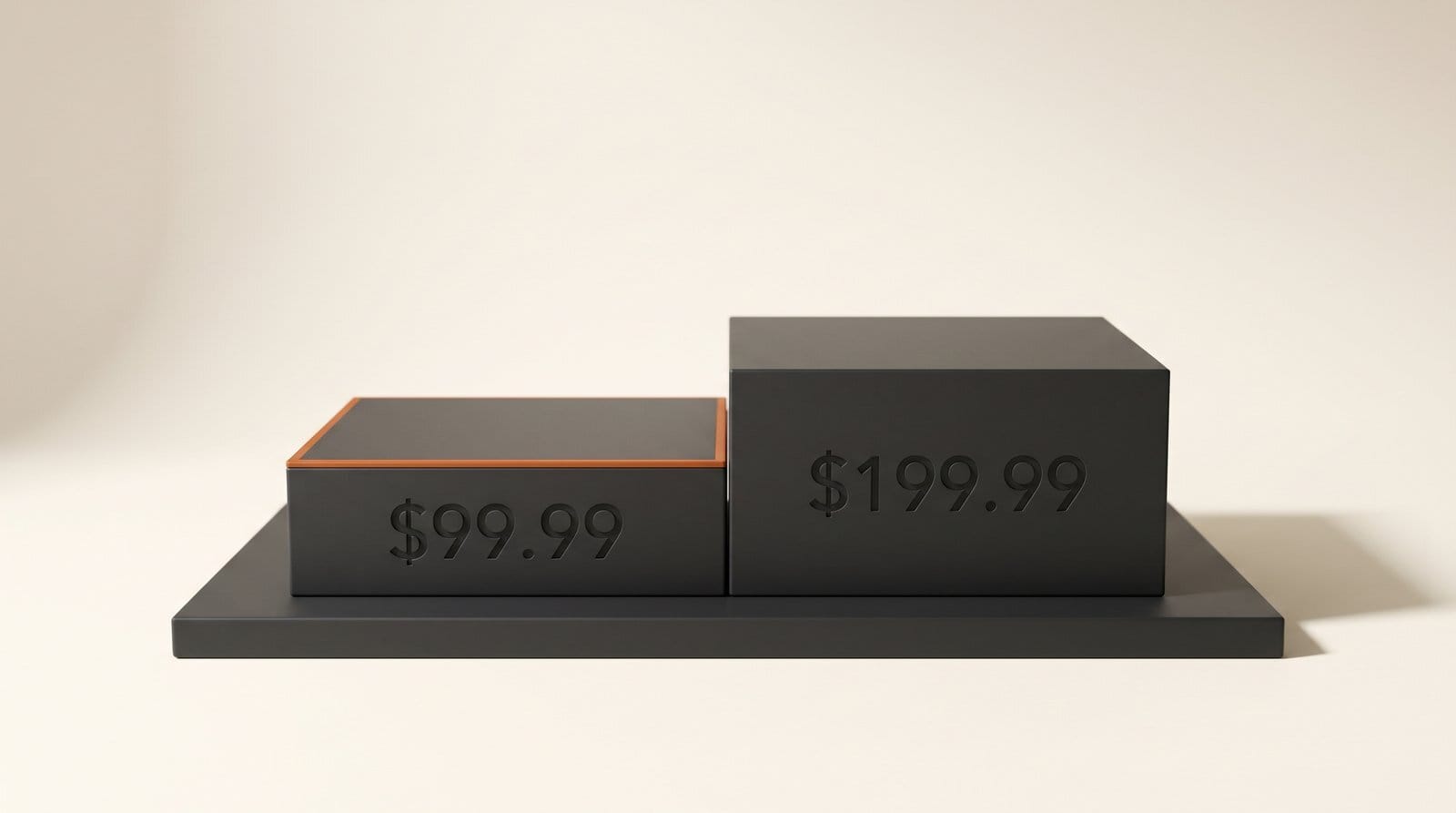
Google has not published a resolution, a frame rate, a release date or usage limits for Genie 4. It has not said whether Genie 4 sessions can be downloaded with their audio, as Genie 3 videos can be downloaded today, or whether Genie 4 will cost Ultra subscribers anything beyond the plan. The Google AI plans page lists Ultra in the US at $99.99 a month with 5x the Pro usage limits, or $199.99 a month with 20x. Project Genie is included in both, but Google has not said whether the cheaper tier will get the same Genie 4 allowance.
The limits Google does list matter for planning. Details and objects can drift over longer sessions, after several typed edits or while you move through a scene. Physical interactions, audio accuracy, legible text, spatial accuracy and long-term consistency are all still being worked on. For now, plan for short takes with a single edit each, not long continuous sessions.
How to Get Ready This Week
- Join the waitlist. Google's announcement links a Project Genie waitlist form. Describe your project specifically (for example, "previz for a short film" or "level prototyping for an indie game"), since testers so far have been picked from creative and gaming fields.
- If you already pay for Ultra, build a test set now. Make three worlds in Project Genie that match real work, such as a location from your script, an interior for a product shoot and a level layout. Save the prompts and reference images, download the videos and write down what is missing. When Genie 4 arrives, run the same three and compare.
- Write your edits down in advance. Genie 4's new feature is changing a world mid-session. List the edits you would want, such as "start raining", "move to a low angle" or "add a crowd", and try them one at a time when it arrives, because Google warns that several edits in a row can cause drift.
- Do not buy Ultra just for Genie 4 yet. At $99.99 a month, wait for the rollout and for hands-on reports on resolution, length and downloads. If you mainly need generated video clips, other tools cost less per clip.
- Plan where the footage goes next. Decide whether walk-throughs will become storyboard frames, animatic clips or reference for a video model, so you know which export you need when Google publishes the details.
Frequently Asked Questions
Can I use Genie 4 today?
Not unless Google has picked you as a trusted tester. Genie 4 is a research preview. Google says it is coming soon to Google AI Ultra subscribers in Project Genie and to early-access partners of the Gemini API and Google AI Studio. Anyone else can join the Project Genie waitlist.
How much will Genie 4 cost?
Google has not announced a separate price. Project Genie is included only with Google AI Ultra, which costs $99.99 a month (5x Pro limits) or $199.99 a month (20x) in the US. Google has not said how much Genie 4 use each tier will include.
What is the difference between Genie 4 and Project Genie?
Genie 4 is the model. Project Genie is the website where you use it. Project Genie runs on Genie 3 today and will switch to Genie 4 when the rollout reaches Ultra subscribers.
Does Genie 4 generate sound?
Yes. Google says Genie 4 generates music, ambient sound and interactive dialogue in real time alongside the visuals, and calls it the first real-time world model to do so natively. Google also lists audio accuracy as an area it is still improving.
How long can a Genie 4 session last?
TechCrunch reports that scenes stay consistent for up to two minutes, double Genie 3. Google's own page says Genie 4 supports "a few minutes of continuous interaction, rather than extended sessions." Expect detail to drift in longer runs.
Is Genie 4 better than Runway GWM Worlds 2?
Nobody outside the two companies has tested both, so there is no fair comparison yet. On paper, both generate audio and take text instructions during a session. Runway publishes 720p at 24 frames per second and has no fixed session length. Google has published neither resolution nor frame rate. Google's advantage is access: Genie 4 is going into a consumer plan, while GWM Worlds 2 is limited to partners.