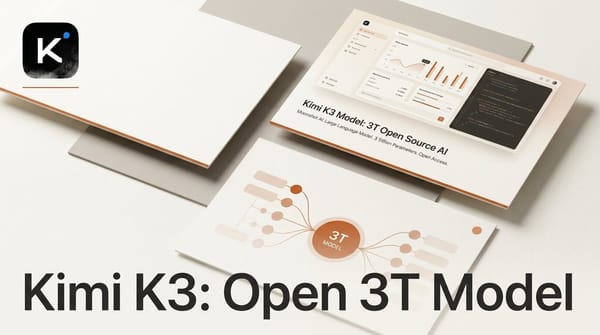
Kimi K3: World's First Open 3T-Class AI Model
Moonshot AI has officially launched Kimi K3, the world's first open 3T-class model: a 2.8T-parameter MoE with a 1M-token context window and open weights arriving July 27.
Moonshot AI has officially launched Kimi K3, the world's first open 3T-class model: a 2.8T-parameter MoE with a 1M-token context window and open weights arriving July 27.
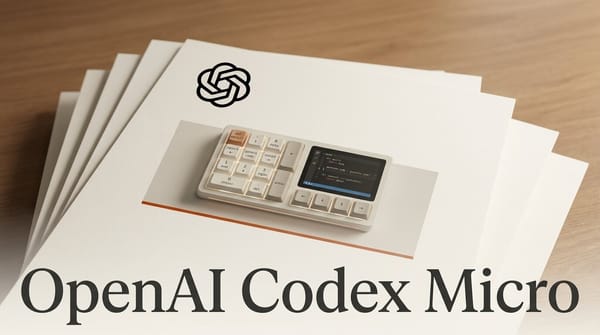
OpenAI revealed Codex Micro, its first branded hardware: a Work Louder macro pad that gives developers physical controls for the Codex coding agent.

A Claude web fetch flaw leaked a user's memory data to an attacker with no malware and no clicks. Here is how the lethal trifecta works and how to defend the agents you build.

Decart has launched Lucy 2.5, an upgrade to its real-time AI video model that edits live video from natural-language prompts with sub-40ms latency.

Branda turns any website URL into ready-to-ship, on-brand LinkedIn and X ad creatives in seconds, pulling real logos and colors via the Context.dev Brand API.

StyleSeed is a free MIT-licensed design engine that gives Claude Code, Cursor, and Codex real design judgment so AI-built UI stops looking generated.

Bonsai 27B is a new open-weights multimodal model that PrismML compressed to as little as 3.9 GB, small enough to run entirely on a phone or laptop with no cloud connection.

Google's Gemini 3.5 Pro is reportedly targeting a July 17 general-availability launch, according to leaked launch plans and third-party reporting rather than any official Google post.

A security researcher has shown that xAI's Grok Build CLI was uploading entire git repositories, including unredacted secrets, to a Google Cloud Storage bucket, and that the tool's own opt-out toggle did not stop it.

NoMac is a new pipeline that lets an AI agent build, sign, and ship an iOS app to TestFlight and the App Store without a Mac or Xcode.

Claude Code artifacts now support public share links and multiplayer editing, and can be created from Claude Tag in Slack.

Fudge MCP gives AI coding agents design taste grounded in real websites, letting them search nearly 10,000 sites by fonts, colors, and layouts.

ChatCut has released a Codex plugin that turns OpenAIs coding agent into a full AI video editor, letting you describe an edit in plain language and get back an editable timeline.

ReviewFlow is a new open-source extension that moves GitLab code review inside your editor, so you can draft comments and publish merge request reviews without leaving Cursor or VS Code.

NoimosAI opened its AI website builder to the public on July 10, generating SEO-focused sites from a chat prompt that keep optimizing over time.

Drafted has released Drafted V2, a faster AI home-design tool that turns a list of rooms into complete 2D floor plans and interactive 3D models in seconds.
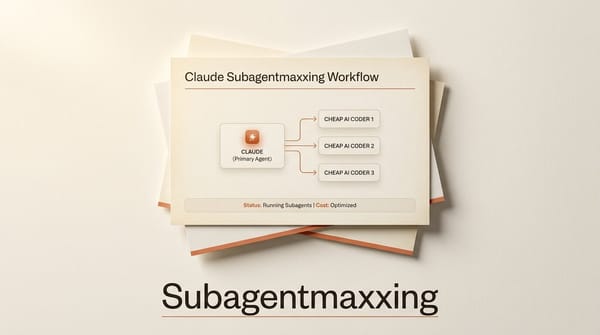
Subagentmaxxing is a new open-source CLI that runs Codex, Cursor, and Grok as subagents under Claude Code, keeping flagship planning while cutting execution costs up to 25 times.

AgentPrizm launched AgentMemory and AgentSkills, giving AI coding agents persistent, auditable memory and a marketplace of reusable, governed procedures over REST API and MCP.
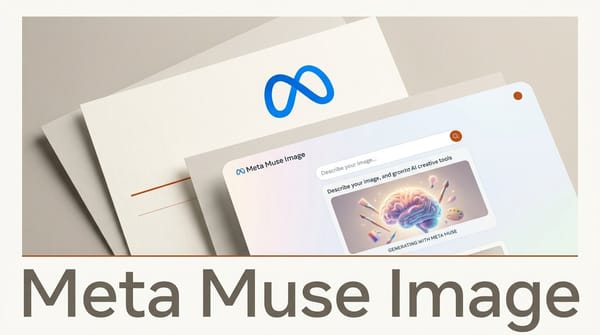
Meta shipped Muse Image, its first in-house AI image generation model, free in Meta AI. Here is what it does, how it compares, and how creators use it.

SpaceXAI has announced Grok 4.5, its first AI model built jointly with Cursor, and says the model will go public on Thursday, July 9.

Google Photos added Video Remix on July 8, 2026, an AI editing tool that transforms ordinary clips in a few taps, powered by Google Gemini Omni.

Willow launched two speech-to-text models: Frontier Mini, a free unlimited tier, and Frontier Pro, a faster paid model built for power users.
OpenAI launched GPT-Live on July 8, 2026, a pair of full-duplex voice models that listen and speak at the same time, replacing Advanced Voice Mode for every ChatGPT user.

Mozilla AI has released Otari, an open-source, self-hosted LLM gateway that puts a single OpenAI-compatible endpoint in front of more than 40 model providers.