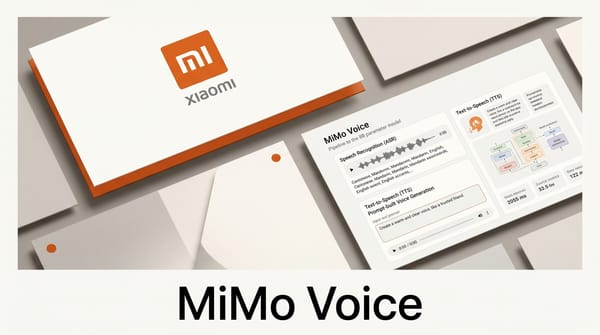
Xiaomi MiMo-V2.5 Open-Sources 8B Voice Pipeline
Xiaomi released MiMo-V2.5 on April 22, an 8B open-weights speech recognizer plus a three-model TTS series with prompt-built voice generation.
Xiaomi released MiMo-V2.5 on April 22, an 8B open-weights speech recognizer plus a three-model TTS series with prompt-built voice generation.

Alibaba's Taobao and Tmall algorithm team released Tstars-Tryon 1.0 on April 21, 2026, a commercial-scale virtual try-on system already serving millions of Taobao shoppers.
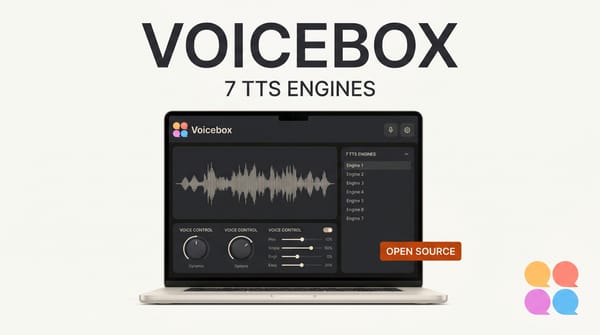
Jamie Pine's Voicebox brings seven TTS engines and voice cloning to your local machine. Free, open source, and entirely offline.
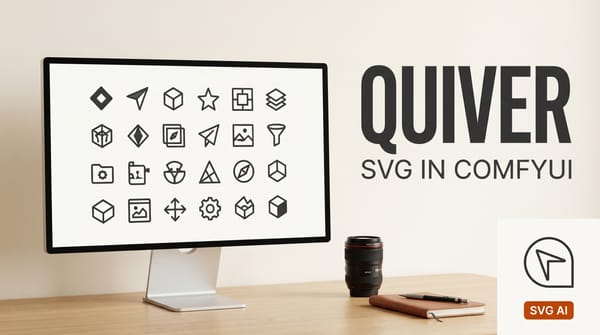
ComfyUI added Quiver Arrow 1.1 as a Partner Node on April 20, 2026, bringing structured SVG generation to open-source visual workflows for the first time.
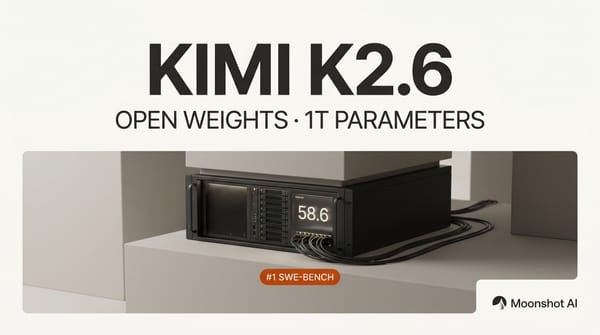
Moonshot AI's Kimi K2.6 scores 58.6 on SWE-Bench Pro, placing first above GPT-5.4 and Claude Opus 4.6. Full architecture breakdown, benchmark analysis, and what the open-weight license actually allows.
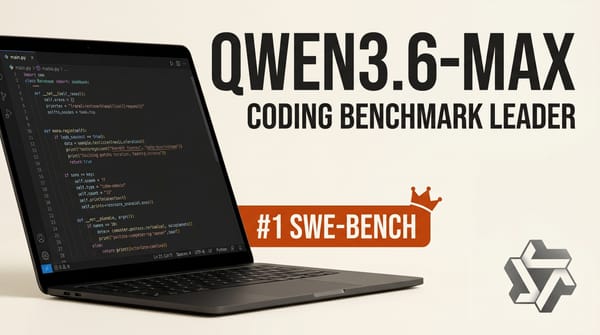
Alibaba released Qwen3.6-Max-Preview on April 20, 2026, topping six programming benchmarks including SWE-benchPro. Here is what it means for creators building AI workflows.

A community port of Microsoft TRELLIS.2 brings image-to-3D mesh generation to Apple Silicon. No Nvidia GPU required, GLB output ready for Blender and Unity.
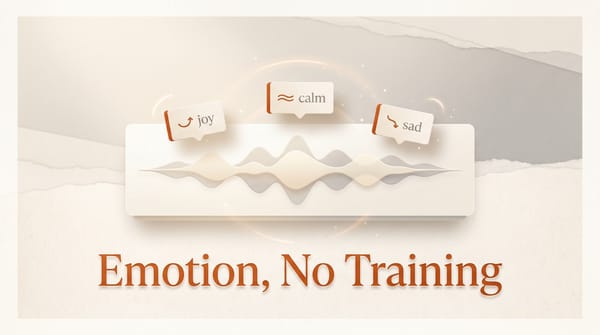
Researchers published Darwin-TTS on April 15, 2026, a text-to-speech model that adds emotional expression to AI voice without any training, fine-tuning, or new data.
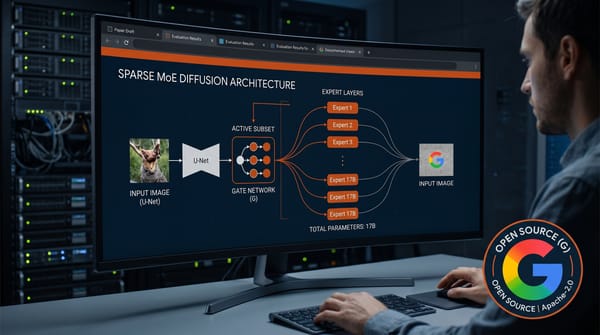
NucleusAI released Nucleus-Image on April 14, a 17-billion parameter diffusion model that activates only 2 billion parameters per image -- cutting compute without sacrificing quality.
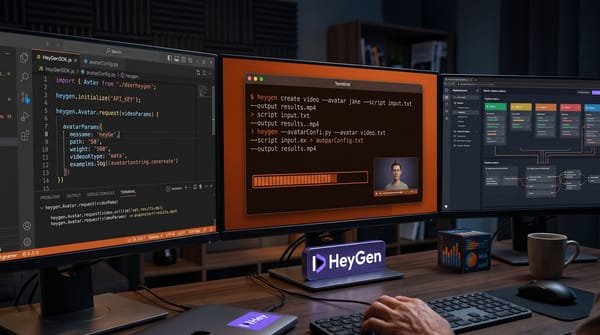
HeyGen launched a developer platform with an open-source CLI, an HTML-to-video rendering framework called Hyperframes, and agent skills for Claude Code, Codex, and Cursor.
ByteDance's Seedance 2.0 is now a native node in ComfyUI, bringing multimodal audio-video generation with 12 simultaneous reference inputs directly into the most popular open-source creative AI pipeline.
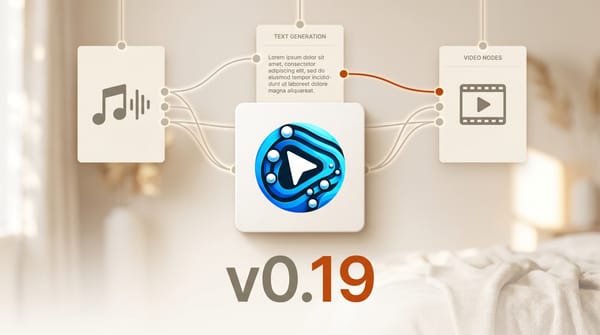
ComfyUI v0.19.0 lands with Ace Step 1.5 XL music generation, Qwen 3.5 text generation, SeeDance 2.0 video nodes, and a faster Flux 2 decoder.
llama.cpp release b8769 adds audio multimodal support for Qwen3-Omni and Qwen3-ASR models, bringing local speech recognition and audio understanding to consumer hardware.

OpenBMB released VoxCPM2, a 2 billion parameter text-to-speech model that runs on 8GB VRAM, supports 30 languages at 48kHz, and can design voices from natural language descriptions.
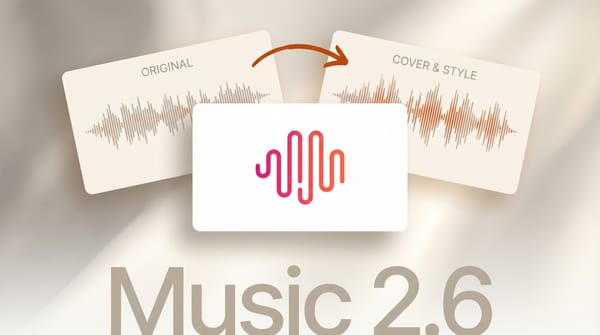
MiniMax released Music 2.6 on April 10, adding a Cover feature that extracts a song's melodic skeleton and lets creators rebuild everything around it.
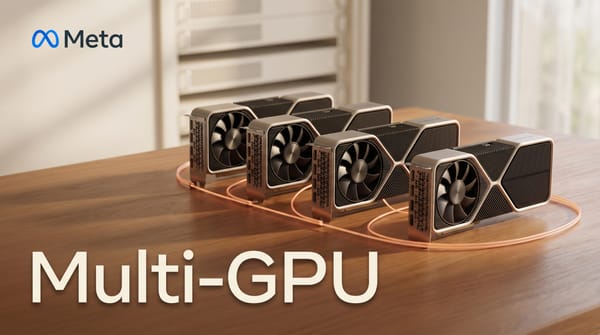
llama.cpp b8738 adds backend-agnostic tensor parallelism that enables large AI models to run across multiple GPUs without vendor-specific code.

Researchers released GaussiAnimate, a framework that automatically rigs and animates 3D Gaussian Splatting assets with 17.3% quality improvement.
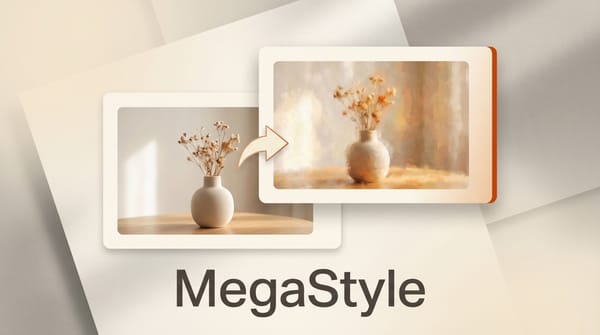
Researchers from Tongji University, Tencent, and five other institutions released MegaStyle, a 1.4-million image dataset for style transfer alongside a FLUX-based model.
A team of 23 researchers released LPM 1.0, a 17-billion parameter Diffusion Transformer that generates real-time character video from audio input.
Hugging Face contributes Safetensors to the PyTorch Foundation, making the de facto AI model storage format a vendor-neutral, community-governed project.
Google Cloud Platform has open-sourced Scion, an experimental orchestration testbed that runs multiple AI coding agents as isolated, concurrent container processes.

Z.AI released GLM-5.1, a 754-billion-parameter open-weight model that claims the top spot on SWE-Bench Pro with a score of 58.4, surpassing Claude Opus 4.6 and GPT-5.4.
Meta confirmed it will release open-source versions of its upcoming Mango multimedia generator and Avocado LLM, extending its open-weight strategy to next-gen frontier models.

In April 2026, a creator with a $1,200 desktop PC and a 12GB graphics card can generate publication-quality images in under 10 seconds, produce video clips, run a conversational AI, and compose music without sending a single byte to the cloud.