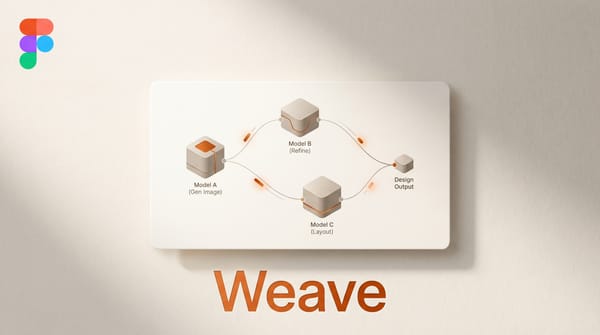
Figma Weave: Node Graphs Replace the Prompt Box
Figma Weave connects 20+ AI models from 12 providers into a node-based canvas. Analysis of multi-model orchestration, App Mode, and what it means for design teams.
Figma Weave connects 20+ AI models from 12 providers into a node-based canvas. Analysis of multi-model orchestration, App Mode, and what it means for design teams.

Genspark launched AI Workspace 4.0 with Claw for Desktop, bringing full computer use capabilities and native Microsoft Office plugin integration.

HeyGen Avatar V scores 0.840 Face Similarity from a 15-second webcam clip, beating Google Veo 3.1 by 17.6%. Full analysis of the video-reference architecture and creator impact.
Hugging Face contributes Safetensors to the PyTorch Foundation, making the de facto AI model storage format a vendor-neutral, community-governed project.
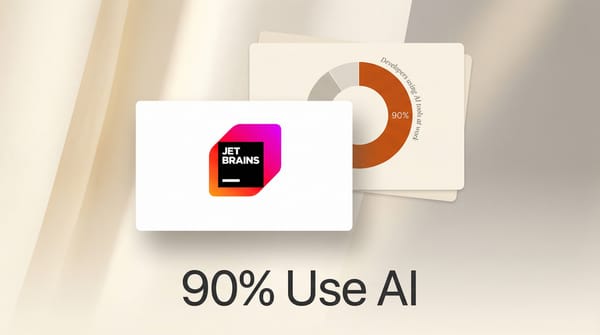
JetBrains survey of 10,000 developers shows 90% use AI coding tools regularly. Claude Code reaches 18% adoption with industry-leading 91% satisfaction.

Google launches Notebooks in Gemini, syncing personal knowledge bases with NotebookLM for unified research across both apps.

Anthropic Project Glasswing used Claude Mythos Preview to find a 16-year-old vulnerability in FFmpeg that automated testing tools had hit five million times without catching.

Anthropic announced Claude Mythos Preview, a model so capable at finding software vulnerabilities that the company is refusing to release it publicly.

Picsart launched Earn with Picsart, a creator monetization program that pays designers based on audience engagement with AI-generated content, with no follower requirements.
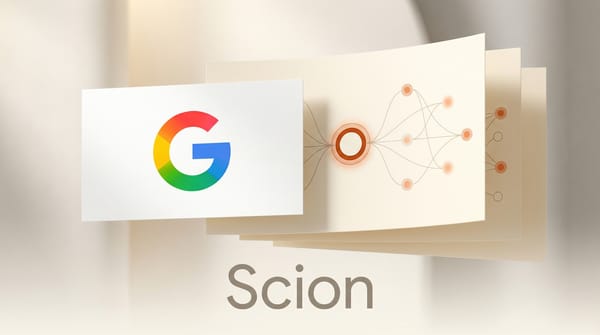
Google Cloud Platform has open-sourced Scion, an experimental orchestration testbed that runs multiple AI coding agents as isolated, concurrent container processes.

Short-video platform Clapper launches native AI video generation from text and photos, available in 80+ countries with free trial clips.

Three YouTube channels including h3h3Productions filed class action lawsuits against Apple, Amazon, and OpenAI for scraping millions of videos to train AI video generation models.
Three image generation models appeared on LM Arena under codenames maskingtape-alpha, gaffertape-alpha, and packingtape-alpha. The AI community identified them as OpenAI's unreleased GPT-Image-2.

Google quietly launches Eloquent, a free Gemma-powered dictation app for iOS with offline transcription, filler word removal, and text transformation tools.

Sync, the Y Combinator-backed lipsync startup, launched Sync-3 on April 6. The new model processes entire shots at once, producing 4K native output with built-in obstruction detection.

An AI-generated singer named Eddie Dalton now holds 11 positions on the iTunes top 100 singles chart and sits at number 3 on the albums chart, exposing gaps in how platforms handle synthetic music.
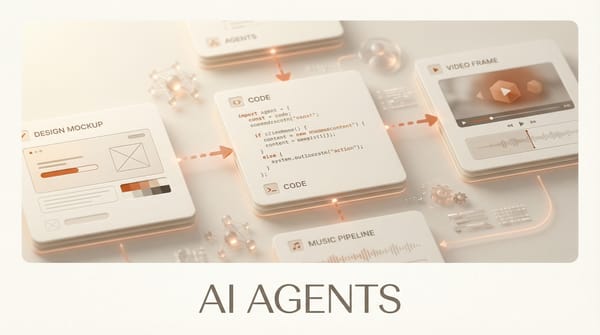
In Q1 2026, MCP integrations surpassed 1,000, Cursor shipped agent workspaces, and Windsurf released SWE-1.5 free. The single-tool era of creative AI is ending. The agent era has arrived.
Three major label settlements, a landmark UK court ruling, and new US Copyright Office guidance reshaped the rules for AI-generated content in the past 12 months. This research guide breaks down what creators can and cannot do with AI tools in 2026.

Anthropic has cut off Claude Pro and Max subscription access for OpenClaw and all third-party AI agent frameworks, forcing more than 135,000 active instances onto pay-as-you-go API pricing that can cost up to 50 times more.
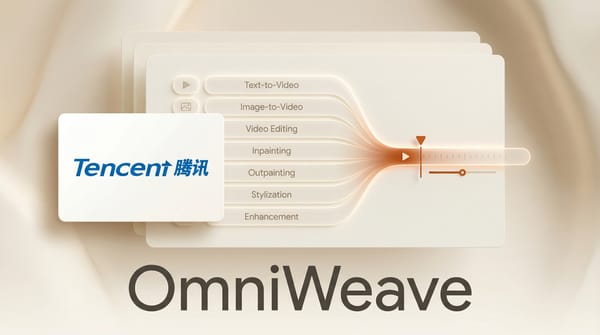
Tencent has released OmniWeaving, a unified video generation model that handles seven distinct tasks from text-to-video to reasoning-augmented generation, with publicly available weights and code.

Sony Interactive Entertainment has acquired Cinemersive Labs, a UK-based startup specializing in AI-powered technology that converts ordinary photos and videos into immersive 3D volumetric experiences.
ElevenLabs launched ElevenMusic, a free iOS app that lets users create and remix songs using text prompts. The app marks the company expansion from voice AI into music generation.
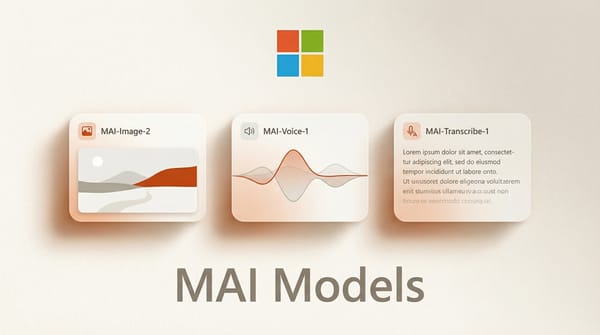
Microsoft launched three in-house AI models on April 2, reducing its dependence on OpenAI. MAI-Image-2, MAI-Voice-1, and MAI-Transcribe-1 cover image generation, text-to-speech, and speech recognition.

Alibaba releases Qwen3.6-Plus with 1M-token context, autonomous repository-level coding, and the ability to convert wireframes and screenshots directly into working frontend code.