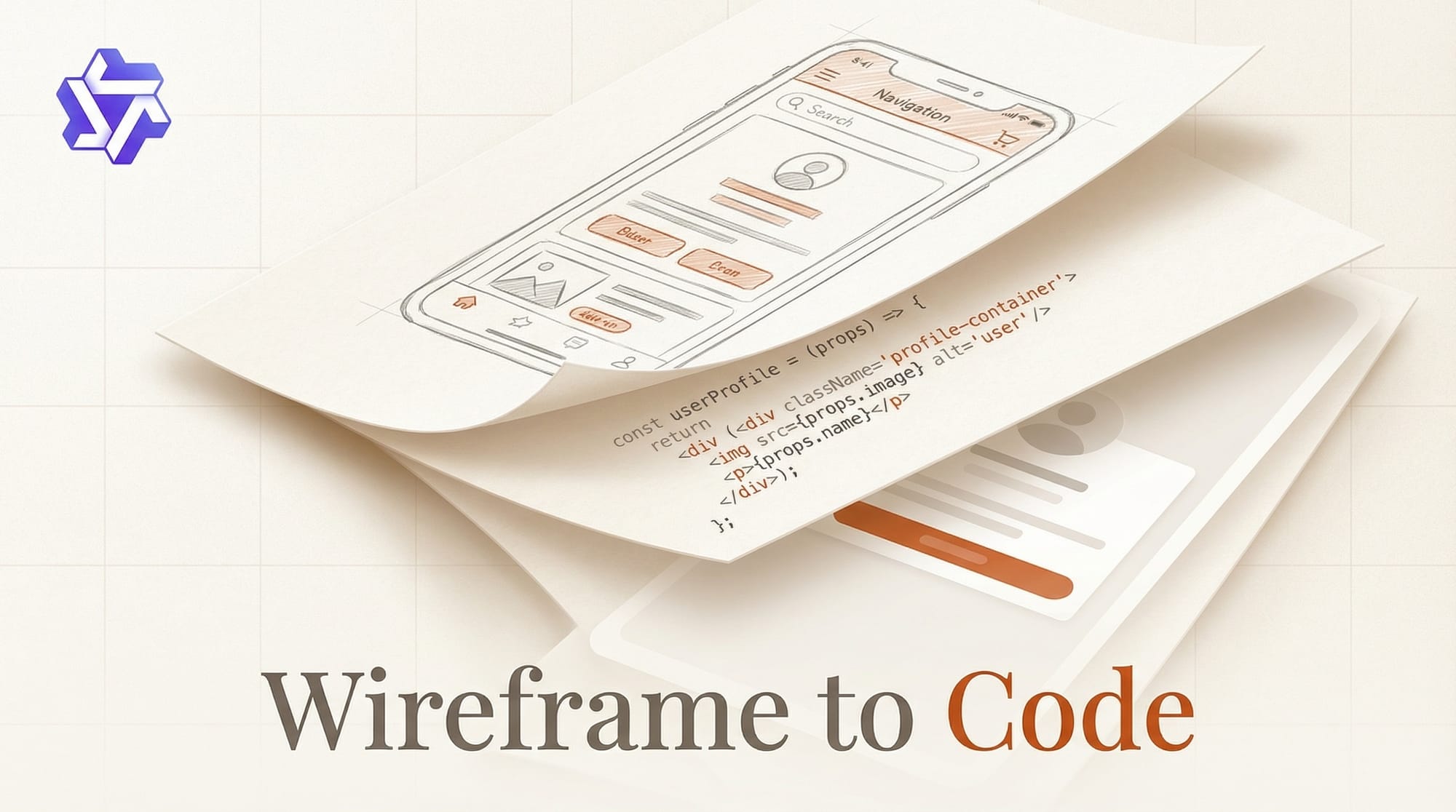
Alibaba has released Qwen3.6-Plus, its latest large language model designed for autonomous coding workflows. The model can interpret UI screenshots, hand-drawn wireframes, and product prototypes, then generate functional frontend code directly from those visual inputs.
For the broader landscape, see our complete guide to AI coding tools in 2026.
What Happened
Qwen3.6-Plus ships with a 1-million-token context window and the ability to handle repository-level engineering tasks autonomously. The model plans, tests, and iterates on code across entire codebases rather than processing files one at a time. It also processes images, documents, and video natively as part of its multimodal architecture.
Alibaba is integrating the model into Wukong, its enterprise platform for multi-agent automation, and into the Qwen App consumer product. Third-party compatibility covers Claude Code, Cline, and OpenClaw.
Why It Matters
Design-to-code has been a persistent bottleneck in product development. Designers hand off mockups, developers interpret them, and the back-and-forth eats days. A model that reliably converts wireframes into working code collapses that cycle into minutes. The 1M-token context window means it can hold an entire large codebase in memory while making changes, reducing the fragmented approach most AI coding tools require today.
This positions Qwen3.6-Plus against the growing field of AI coding tools from Cursor, Windsurf, and Replit, with Alibaba betting that visual understanding will be the differentiator. The previous Qwen3.5-Omni established multimodal foundations; this release applies them specifically to software engineering.
Key Details
- 1M-token default context window for full-repository analysis
- Visual coding: converts screenshots, wireframes, and prototypes to frontend code
- Autonomous multi-step coding with planning, testing, and iteration
- Compatible with Claude Code, Cline, and OpenClaw
- Available via Alibaba Cloud Model Studio and Qwen Chat
What to Do Next
Developers can access Qwen3.6-Plus through Alibaba Cloud's Model Studio or try it via the Qwen Chat interface. The model works as a drop-in replacement in tools that support OpenAI-compatible APIs, making integration straightforward for teams already using AI coding assistants.