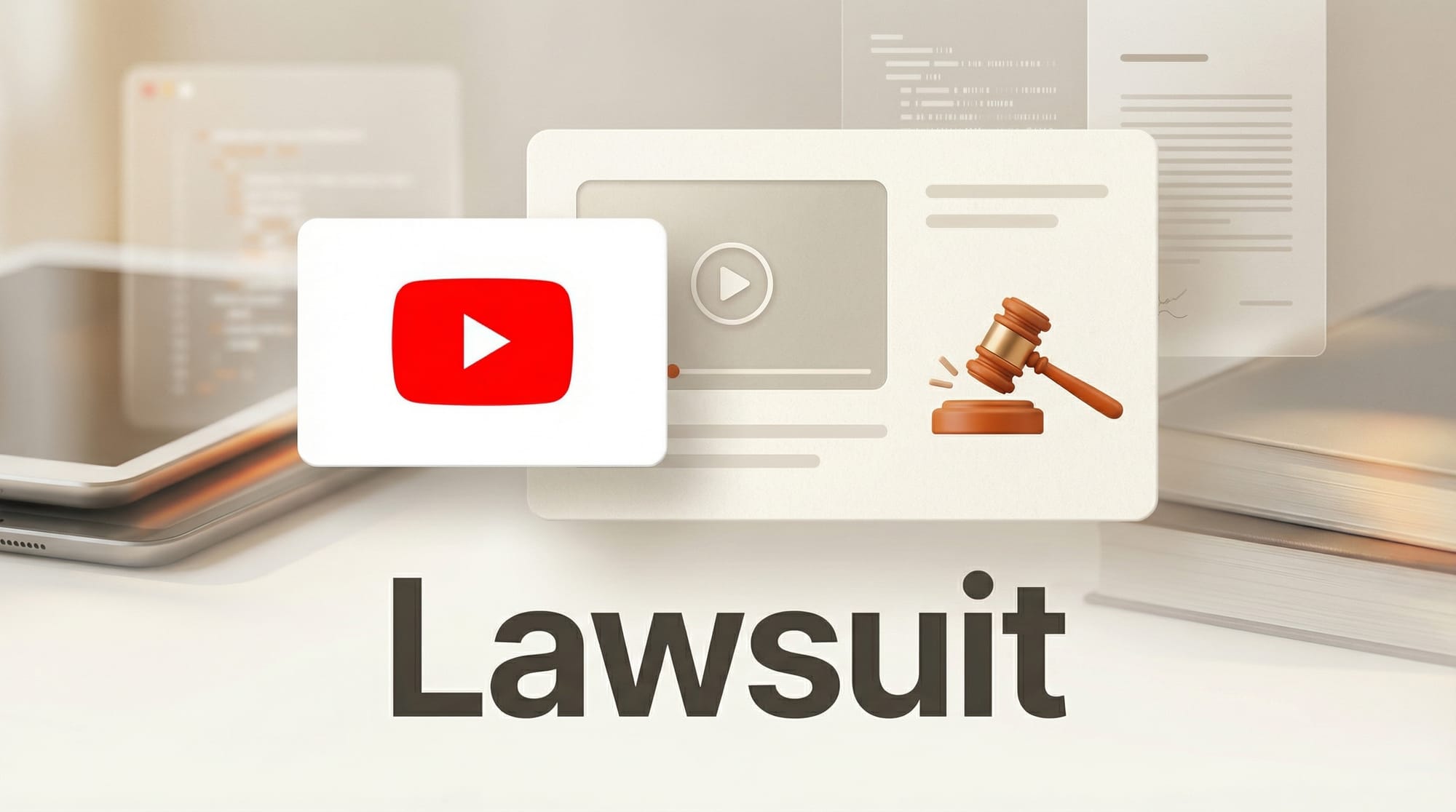
Three YouTube channels including h3h3Productions filed class action lawsuits against Apple, Amazon, and OpenAI on April 6, 2026, alleging the companies scraped millions of YouTube videos without permission to train AI video generation models. The creators claim their content appears more than 500 times in the training dataset.
For the broader landscape, see our complete guide to AI video generation in 2026.
What Happened
The lawsuits were filed by Ted Entertainment (which owns the h3h3Productions channels), MrShortGameGolf, and Golfholics. The plaintiffs allege that Apple used a dataset called Panda-70M to train its STIV (Scalable Text and Image Conditioned Video Generation) model, according to 9to5Mac. The dataset functions as an index of YouTube videos identified by URL, video ID, and timestamp, with each video split into multiple clips treated as separate training samples.
The plaintiffs filed separate proposed class actions against Amazon and OpenAI as well, alleging both companies used the same Panda-70M dataset to train their own AI models. The suits claim each clip extraction constitutes a separate act of circumvention under the Digital Millennium Copyright Act. A related lawsuit targets Snap for similar YouTube scraping practices.
Why It Matters
This wave of lawsuits represents the first time YouTube creators have directly challenged the companies building AI video generation tools with their content. Unlike text-based copyright disputes, video scraping cases involve circumventing platform protections, which strengthens the DMCA claims. If the class is certified, it could affect every creator whose videos appear in the Panda-70M dataset.
For creators producing original video content, the outcome could determine whether AI companies need explicit permission to use publicly available videos for training. The cases also echo ongoing lawsuits from musicians suing Google over AI music training and publishers challenging OpenAI over text training data.
Key Details
The plaintiffs are seeking class certification to represent all creators whose content was scraped, statutory damages under copyright law, injunctive relief to stop further scraping, and attorney fees. Apple's involvement centers on the STIV research paper, while Amazon's relates to training data for its Nova Reel video generation product.
What to Do Next
YouTube creators concerned about their content being used for AI training should monitor these cases as they progress through the courts. The proposed class actions are in early stages and class certification has not yet been granted. Creators who believe their content was scraped can follow developments through the court filings.