Comfy Router went live on the Comfy Developer Platform on 23 September 2026, pitched as one API call that reaches frontier media models across four hosting providers: swap the model and the provider by changing two strings. The pitch is real, the SDK is genuinely small, and the credits are the same ones that already cover Partner Nodes and Comfy Cloud, so there is no new subscription.
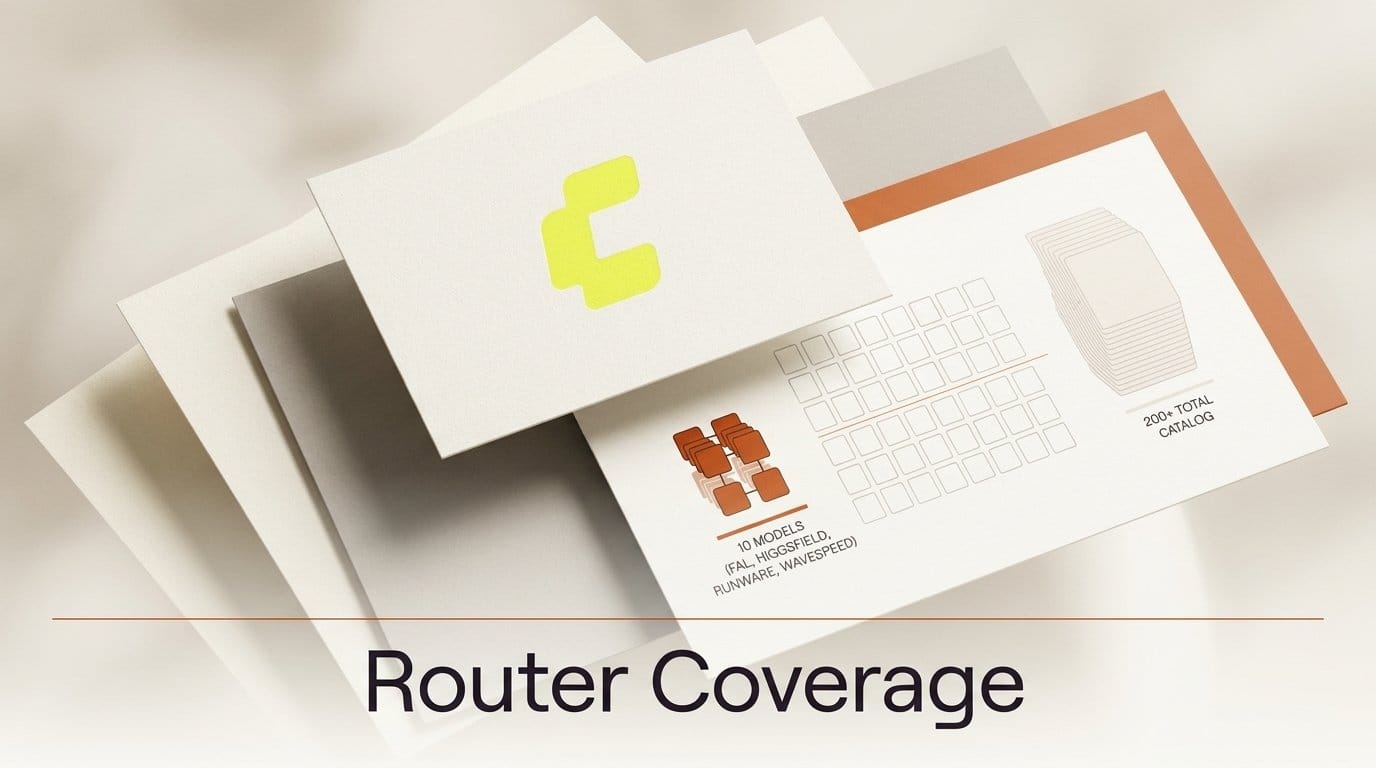
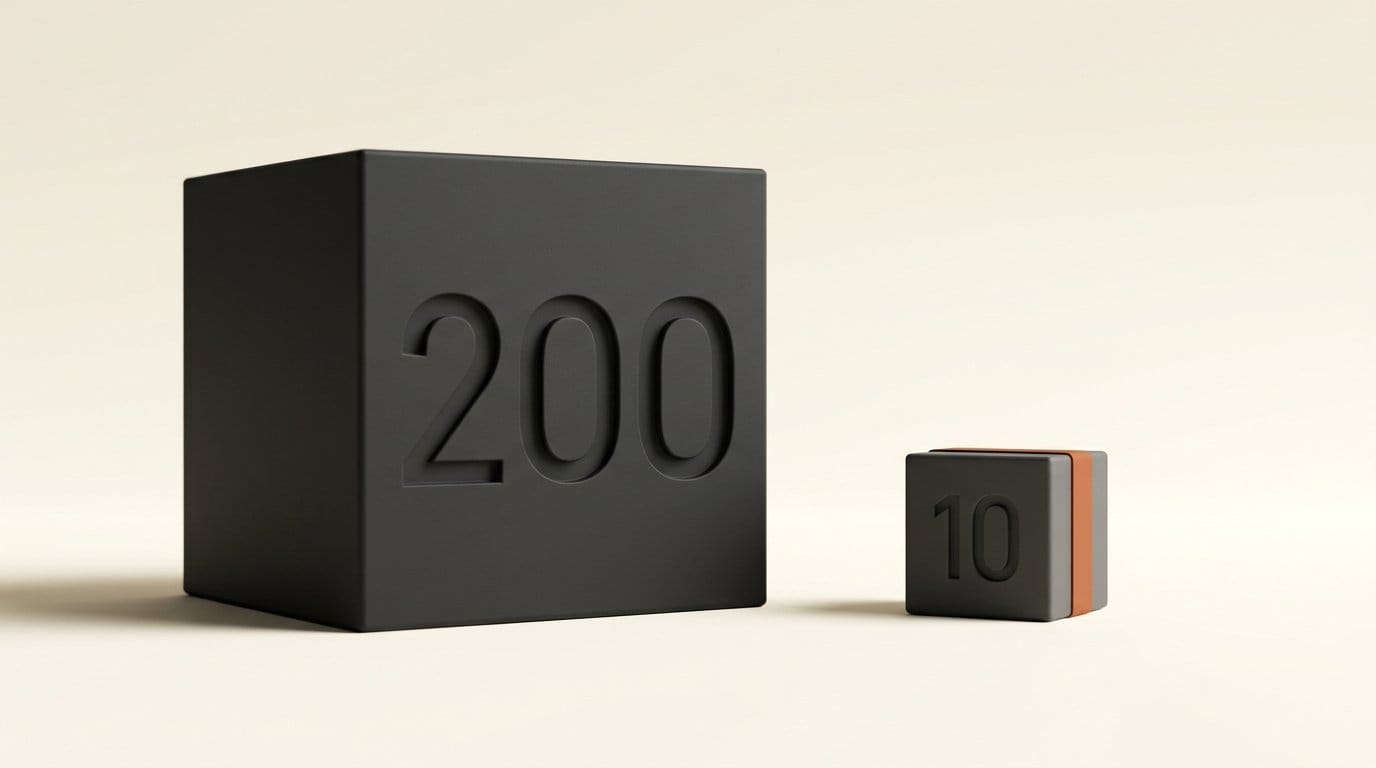
The part worth reading before you build on it is the provider coverage matrix. It has ten rows. Comfy's own model documentation describes a catalog of 200-plus models across 30-plus providers. Provider routing, the thing the product is named after, currently applies to about five percent of what you can call. For three of those ten models there is exactly one alternative provider, which makes the swap a coin flip rather than a market.
Background: What Comfy Router Actually Ships
The Router product page and the quickstart describe a thin layer over an endpoint shaped POST /v2/models/{provider}/{model}. There are three SDKs: Python at comfy-sdk>=0.3.0, TypeScript at @comfyorg/sdk>=0.4.0, and a Swift package from 0.5.0. The announcement's own example is four lines long, naming a model and a provider as separate arguments.
Billing runs on Comfy credits. There is no subscription required, and a request made without enough credit returns a 402. Inputs are kept for 24 hours after upload and outputs for 24 hours after generation, then deleted. Comfy puts its installed base at more than three million ComfyUI users, which is the reason a routing layer from this particular vendor matters more than the same idea from a startup.
This is a pattern the market has been converging on for a year. Runway shipped Media Router on the same one-API premise, and Speko does it for voice. What is different here is that the router is bolted to a node graph three million people already run, rather than being a standalone product that has to win users first.
Deep Analysis: The Coverage Matrix Is the Product
A router is only as good as the number of places it can route to. Here is the published matrix in full.
| Model | Comfy | fal | Higgsfield | Runware | WaveSpeed |
|---|---|---|---|---|---|
| Dreamina Seedance 2.0 260128 | Yes | Yes | Yes | Yes | Yes |
| Dreamina Seedance 2.5 260628 | Yes | Yes | Yes | Yes | Yes |
| GPT Image 2 | Yes | Yes | No | Yes | Yes |
| GPT Image 2.5 Flare | Yes | Yes | No | Yes | Yes |
| GPT Image 2.5 Sunburst | Yes | Yes | No | Yes | Yes |
| Nano Banana 2 | Yes | Yes | No | Yes | Yes |
| Nano Banana Pro | Yes | Yes | No | Yes | Yes |
| Kling 3.0 Turbo | Yes | No | Yes | No | No |
| Kling V3 | Yes | No | Yes | No | No |
| Wan 3.0 Video | Yes | No | Yes | No | No |
Ten rows, three disjoint clubs
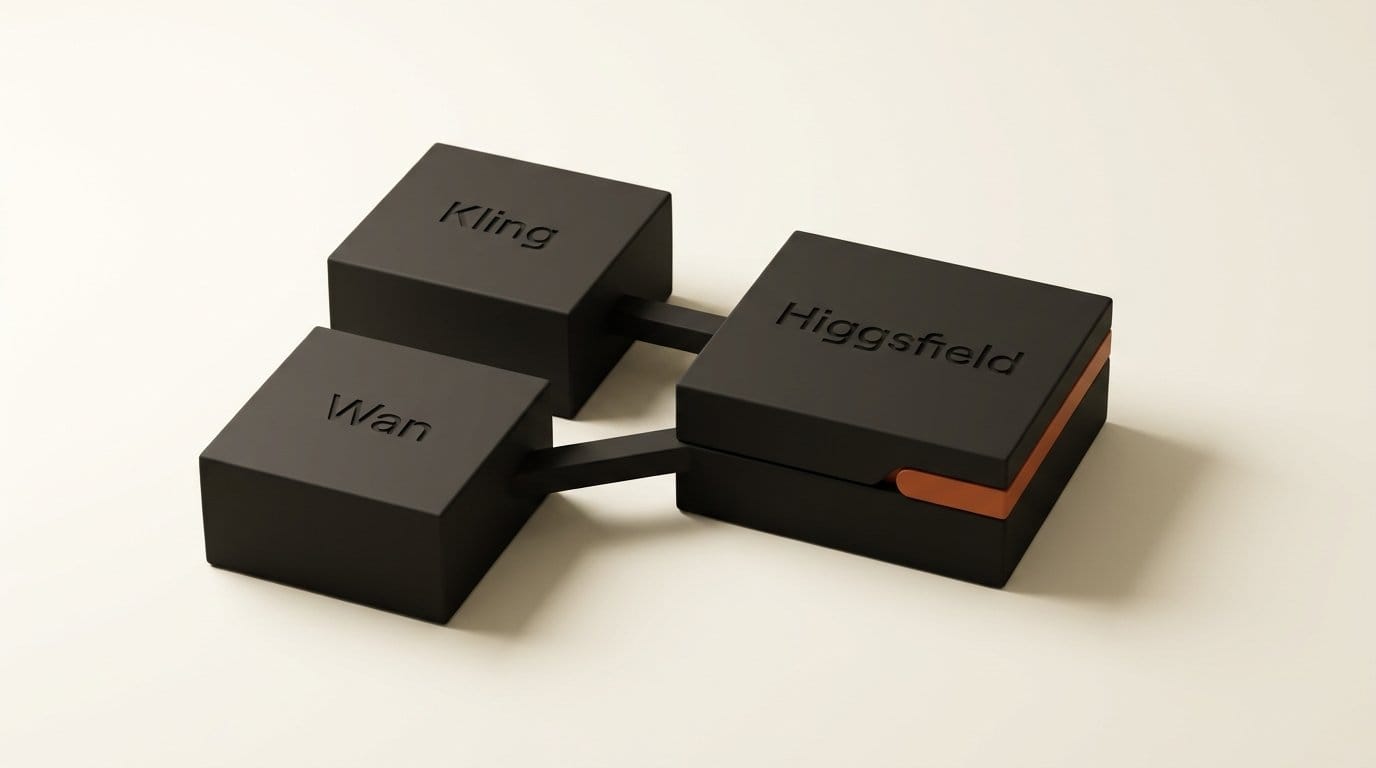
Read down the columns and the matrix splits cleanly into three groups that barely overlap. The two Dreamina Seedance rows are the only models served by all five. The five image models, GPT Image 2, both GPT Image 2.5 variants and both Nano Bananas, are served by Comfy, fal, Runware and WaveSpeed, and by Higgsfield on none of them. The three video models, both Klings and Wan 3.0 Video, are served by Comfy and Higgsfield and by nobody else.
Counted by reach, fal, Runware and WaveSpeed each carry seven of the ten models and Higgsfield carries five, but the five are almost the complement of the seven. Higgsfield is not a smaller version of fal in this matrix. It is the only route to Kling and Wan, and it is absent from every image model. "One API for frontier media models" is accurate. "One market of interchangeable providers" is not what the table shows.
Two models named on day one are not in the matrix
The announcement lists the day-one lineup as Seedance 2.5, MiniMax H3, Nano Banana Pro, GPT Image 2, Kling and Black Forest Labs. Four of those six appear in the coverage matrix. MiniMax H3 and Black Forest Labs do not appear in it at all.
That is not necessarily a contradiction, because the matrix governs multi-provider routing while the catalog governs what you can call at all, and a model can be reachable through Comfy without being routable elsewhere. But it does mean two of the six families the launch post leads with are, today, single-source calls through Comfy. If you read the announcement and assumed you could move a MiniMax H3 job to another provider when queues get long, the matrix says otherwise.
For three models the swap is a coin flip
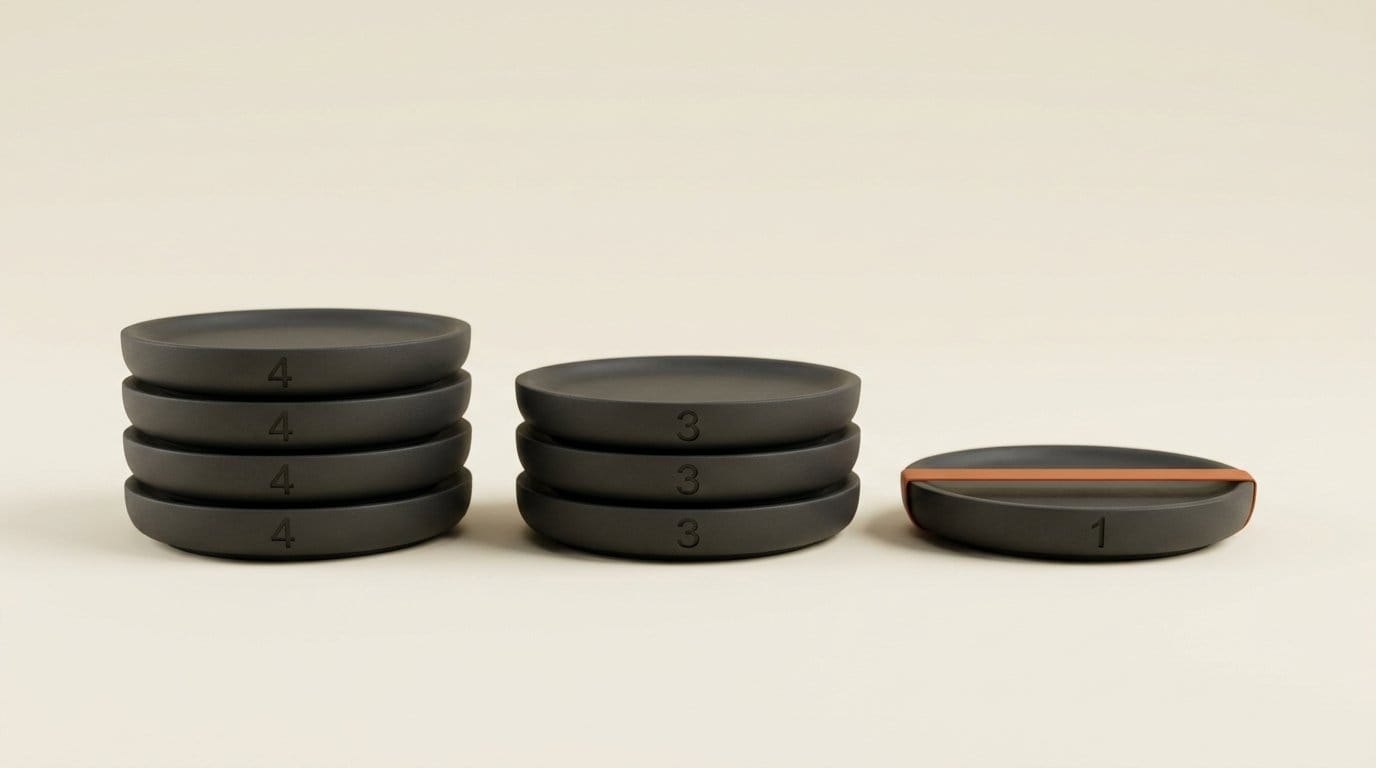
The practical measure is not how many providers exist but how many alternatives you get for the model you actually use. Excluding Comfy itself, the two Seedance rows offer four alternatives each, the five image models offer three each, and the three video models offer exactly one.
One alternative is still better than zero. It gives you a fallback when a provider degrades, and the fallback_provider parameter exists to automate exactly that. But a single alternative cannot give you price competition, and price competition is the usual reason to want a router. For Kling and Wan work, Comfy Router is a redundancy feature. For Seedance and the image models it is closer to the market it advertises.
The Silent Catch: Translation Is On by Default
This is the detail most coverage will skip, and it is the one that can change your output without an error.
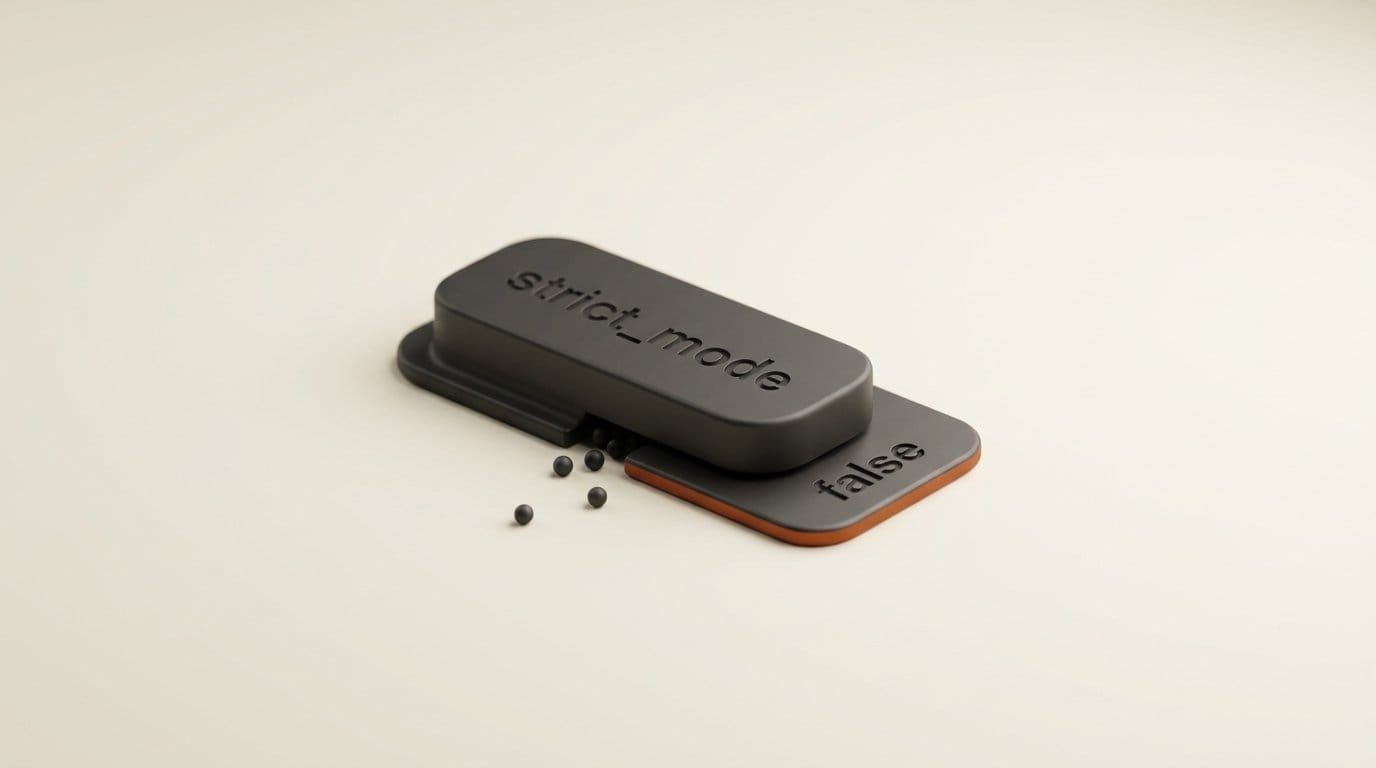
Providers do not accept identical request bodies. To make the two-string swap work, Router translates your request and the response for the selected provider. That translation runs by default: strict_mode is false unless you set it otherwise. When a field in your request has no equivalent on the provider you switched to, it is not an error. The call succeeds, and the docs state that "fields that cannot be translated are listed in the X-Comfy-Router-Dropped-Params response header."
A response header is a reasonable place to report this and a terrible place to notice it. A seed, a guidance scale, a negative prompt or an aspect-ratio argument that quietly stops being applied does not throw, does not log loudly, and produces a perfectly plausible image that is simply not the image you asked for. If you are routing between providers to save money, the failure you should design for is not a 500. It is a silently different result that looks fine until you compare it against yesterday's output.
The fix is cheap and you should do it from the first call: set strict_mode to true in any pipeline where output consistency matters, so an untranslatable parameter fails loudly instead of vanishing. Keep the default only for exploratory work where you would rather get something back than nothing.
Credits, Retention and What It Costs
Comfy has not published per-model Router pricing in the announcement or in the routing docs. Billing is in Comfy credits, shared with Partner Nodes and Comfy Cloud runs, with per-model rates living in the model catalog rather than in one Router price list. That matters for a comparison shopper, because the headline reason to route between providers is cost, and a router that does not put its provider prices side by side leaves you doing the comparison yourself.
Retention is clearly stated and short: inputs kept 24 hours after upload, outputs 24 hours after generation, then deleted. For most creative work that is a feature rather than a limit, but it means Router is not storage. If you are generating assets you intend to keep, fetch and archive them in the same job, because there is no second chance after a day.
Impact on Creators
If you already work in ComfyUI, the honest framing is that this is a convenience layer with a narrow but real routing benefit, not a new marketplace. Three things follow.
If your work is Seedance or image generation, Router does what it says. Three or four alternative providers is enough for genuine failover and enough to shop on price once per-provider rates are visible. Wire it in, set strict_mode to true, and keep a note of which provider produced which asset so you can trace a quality change back to a swap.
If your work is Kling or Wan video, Higgsfield is your only alternative to Comfy, and you should treat Router as insurance rather than leverage. It will get you through a bad afternoon on one provider. It will not get you a better rate.
And if you are in ComfyUI for local, open pipelines rather than metered API calls, this changes nothing about that path. The same project shipped MoGe 3 as a native node two days earlier, which runs on your own hardware. Router is the other half of Comfy's strategy, the metered half, and the two are worth keeping separate in your head when you plan a pipeline.
Key Takeaways
- Comfy Router launched 23 September 2026 with five providers in the coverage matrix: Comfy, fal, Higgsfield, Runware and WaveSpeed.
- The matrix has ten model rows against a documented catalog of 200-plus models, so multi-provider routing covers roughly five percent of what you can call.
- MiniMax H3 and Black Forest Labs are named in the launch post but do not appear in the routing matrix.
- Alternatives per model, excluding Comfy: four for the two Seedance rows, three for the five image models, one for the three video models.
- fal, Runware and WaveSpeed cover the same seven models. Higgsfield covers five and is the only route to Kling and Wan.
strict_modedefaults to false, so unmappable parameters are dropped and reported only in theX-Comfy-Router-Dropped-Paramsresponse header. Set it to true for production.- Billing is in existing Comfy credits with no subscription. Inputs and outputs are deleted after 24 hours.
What to Watch
The number to track is the row count in the coverage matrix. Ten rows on launch day is a starting position, not a verdict, and Comfy says more models are coming. If that table reaches thirty or forty rows in a quarter, the router becomes the thing it is advertised as and the five percent figure stops being interesting. If it sits at ten while the catalog keeps growing, then Router is a convenience wrapper on Comfy's own hosting with a few escape hatches, which is a smaller and more ordinary product.
The second thing to watch is whether per-provider pricing ever appears side by side. A router that shows you the same model at four prices creates competition among its providers. A router that makes you look each one up separately mostly creates a habit of staying on the default. Which of those Comfy builds will say more about the product's purpose than any model count, and it is also the point at which the three million ComfyUI users behind it start to move real money.
FAQ
What is Comfy Router?
A routing API on the Comfy Developer Platform, live since 23 September 2026, that lets one SDK call reach media models hosted by several providers. You choose the model and the provider as separate arguments, and billing runs on the same Comfy credits used by Partner Nodes and Comfy Cloud.
How many models can you actually route between providers?
Ten, as published in the provider coverage matrix. Comfy's model documentation describes a catalog of 200-plus models across 30-plus providers, but the rest are single-source calls rather than routable ones.
Which providers does Comfy Router support?
Comfy itself plus fal, Higgsfield, Runware and WaveSpeed. fal, Runware and WaveSpeed each serve seven of the ten models in the matrix, and Higgsfield serves five, including the only non-Comfy route to Kling 3.0 Turbo, Kling V3 and Wan 3.0 Video.
Does Comfy Router need a separate subscription?
No. It bills against existing Comfy credits, shared with Partner Nodes and Comfy Cloud workflow runs. A request made without sufficient credit returns a 402 rather than failing silently.
What happens to a parameter the new provider does not support?
By default it is dropped, not rejected. strict_mode is false unless you change it, so the request is translated for the selected provider and any untranslatable fields are listed in the X-Comfy-Router-Dropped-Params response header. Set strict_mode to true if you need the call to fail rather than quietly change your output.
How long does Comfy Router keep my files?
Inputs are kept for 24 hours after upload and outputs for 24 hours after generation, then deleted. Treat it as a pipeline, not as storage, and archive anything you want to keep within the same day.