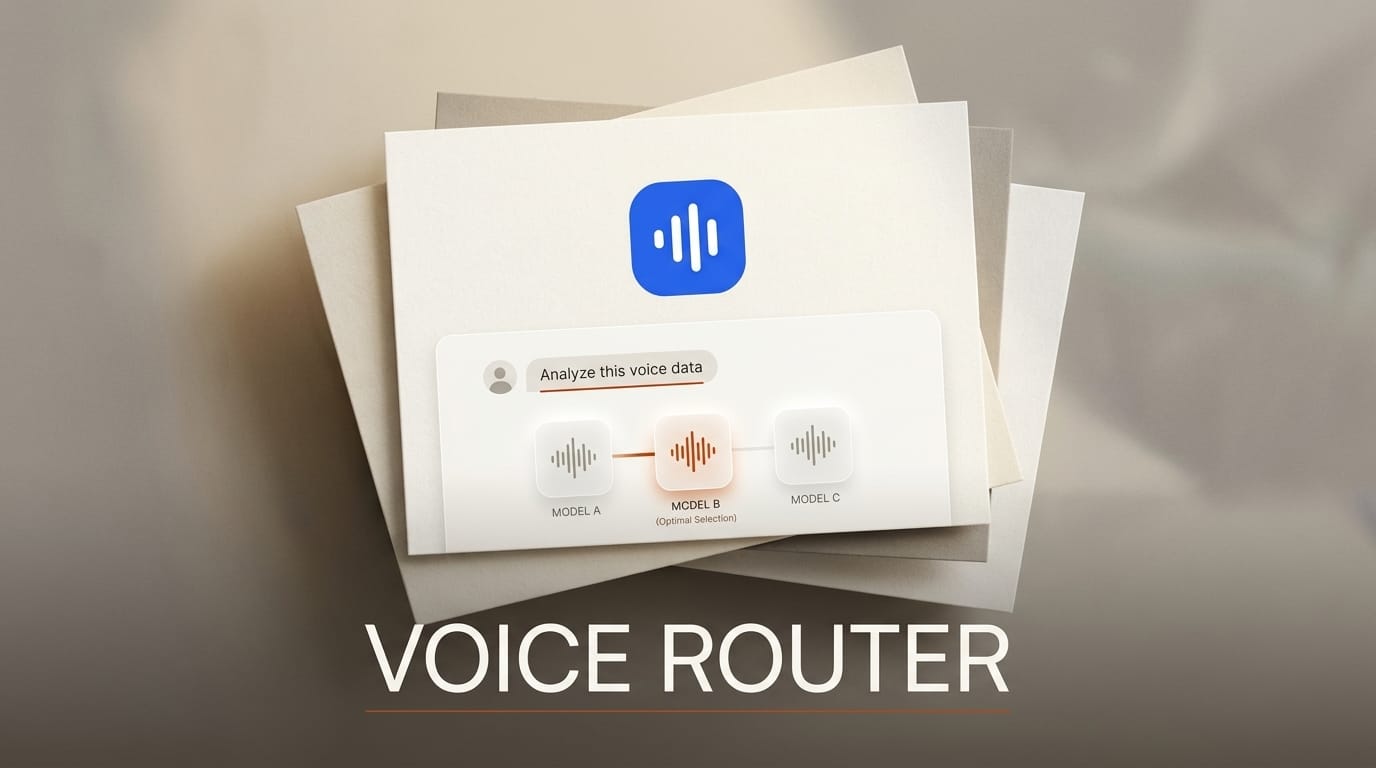
Speko, a Y Combinator-backed startup, launched on August 26, 2026 with a simple pitch for anyone building voice apps: it is an OpenRouter for voice. Instead of hard-wiring one speech-to-text, language, and text-to-speech provider into your agent, Speko routes each request to the best-performing option for the language and task, using independent benchmarks rather than vendor marketing.
Try It: Route One Voice Agent Through Speko
If you run a live voice agent, point its speech pipeline at Speko's unified API and let it pick the stack. Speko decides the STT, LLM, and TTS providers before the session starts, so there is no extra proxy hop sitting in the audio path adding latency mid-call. In practice that means you swap three separate provider integrations for one endpoint, then compare the routed result against your current fixed setup on the languages you actually serve. Start with your worst-performing language, that is where automatic routing tends to pay off first.
Why It Matters for Creators
Voice is one of the hardest AI stacks to build well because quality is uneven across providers and languages. One vendor nails English transcription but stumbles on Spanish; another has natural TTS but slow latency. Builders end up manually testing combinations and hard-coding a compromise. Speko turns that into a routing decision backed by public benchmarks, which lowers the barrier for indie developers and small studios shipping multilingual voice agents, IVR flows, or interactive characters without a dedicated speech team.
Key Details
What it is: A unified routing API that auto-selects speech-to-text, language model, and text-to-speech providers per request.
How it routes: Selection is made before the session begins, using independent benchmarks by language and use case, with no proxy hop in the audio path.
Who built it: A Y Combinator-backed team, founded in 2026. Details and updates are posted on the company's X account.
Availability: Live now with free options, listed on its Y Combinator company page.
What to Do Next
Sign up at speko.ai and run one existing voice agent through it, then measure latency and transcription accuracy against your current provider on two or three languages. If you are earlier in the build, Speko pairs naturally with dedicated voice models like those covered in our Magpie TTS guide for multilingual voice agents. Treat it as the routing layer, and keep your own evaluation set so you can verify the automatic picks match what your users hear.