Udio has settled copyright lawsuits with both Universal Music Group and Warner Music Group and is pivoting from an open AI music generator into a walled-garden fan platform where users can remix and mashup licensed music but cannot export their creations.
For the broader landscape, see our complete producer guide to AI music and audio in 2026.
What Happened
After facing copyright infringement lawsuits from the two largest music labels, Udio reached settlement agreements that fundamentally change what the platform does. Under the new deals, Udio will become a "next-generation" licensed AI music platform where everything users create stays inside the platform. Warner Music Group's settlement covers both recorded music and publishing, creating new revenue streams for artists and songwriters.
Universal Music Group's deal was announced alongside strategic agreements for the new licensed platform. Both deals are opt-in, meaning individual artists and songwriters must choose whether to license their rights to Udio.
Why It Matters
This is the clearest signal yet that the free-for-all era of AI music generation is ending. Udio users could previously generate songs in the style of any artist and download them freely. The new model turns Udio into something closer to a fan engagement tool than a music creation platform.
The contrast with Suno is significant. Suno's settlement with Warner lets it keep its current model largely intact. Suno users will still be able to download tracks, though the training data must be licensed and users will pay for downloads. Industry observers note that Suno secured the more favorable terms of the two AI music companies.
For the broader AI music tool landscape, this creates a clear split: platforms that license and restrict (Udio) versus platforms that license and allow exports (Suno).
Key Details
- Udio becomes a walled garden. No creations can be exported or downloaded
- Users can remix, mashup, and prompt songs in the style of licensed artists
- Both UMG and WMG deals are opt-in for individual artists
- New platform expected to launch in 2026
- Suno's deal is more permissive, allowing downloads with payment
What to Do Next
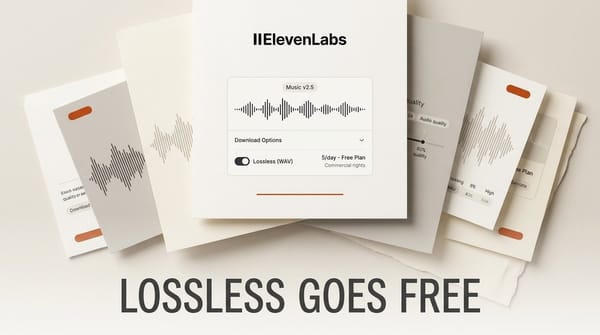
If you have been using Udio for music creation, be aware that the platform is fundamentally changing. Exported tracks from the old Udio model may carry licensing uncertainty. Creators who need to own and distribute AI-generated music should evaluate whether Suno or standalone tools like ElevenLabs Music better fit their workflow going forward.