Kage gives AI agents verified, code-grounded memory
Kage, a new open-source verification layer built on Google's Open Knowledge Format, stops AI coding agents from recalling hallucinated or out-of-date memories.
Deep dives, tutorials, and analysis for AI-powered creators.
Kage, a new open-source verification layer built on Google's Open Knowledge Format, stops AI coding agents from recalling hallucinated or out-of-date memories.
Google expanded Gemini Spark with custom MCP support, new app connections including Canva and Dropbox, real-time tracking, and a first macOS beta for AI Ultra users.
Anthropic and Microsoft made Claude generally available in Microsoft Foundry, letting teams run Opus 4.8 and Haiku 4.5 inside their existing Azure identity, billing, and governance.
Cursor has launched a native iOS app in public beta, putting its AI coding agents on the phone in your pocket so you can start, steer, and review them from anywhere.

Ploof is a new open-source command-line tool that lets AI coding agents like Claude Code generate images, video, and audio without leaving the terminal.
Meta has quietly launched Pocket, an app that turns plain text prompts into playable, interactive mini-games it calls gizmos, now live on Google Play and iOS.
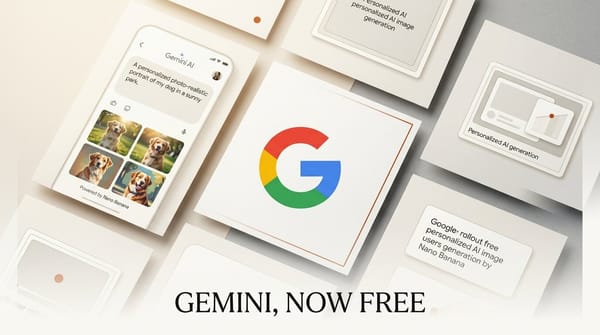
Google made Gemini personalized AI image generation, powered by Nano Banana, free for eligible US users. Here is what it does and how to enable it.
Base44, the vibe-coding platform Wix acquired in 2025, launched Base1, its own AI model for turning plain-English descriptions into working apps.
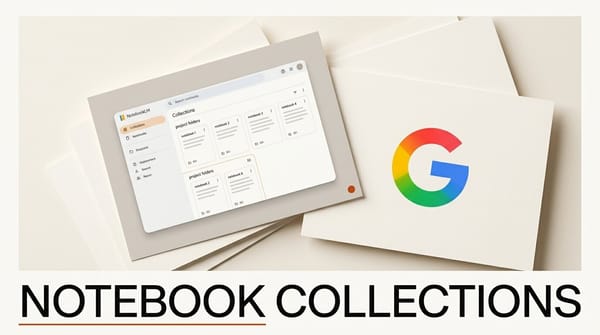
Google is testing a Collections feature in NotebookLM that groups notebooks into project folders. Here is what is coming and how to organize your workspace now.
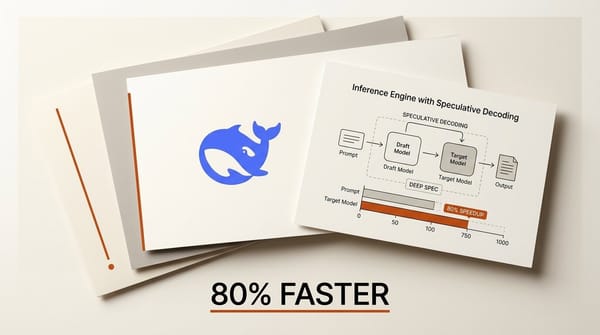
DeepSeek shipped DSpark and open-sourced DeepSpec, a speculative decoding stack that speeds up V4 inference by up to 80 percent with identical output.
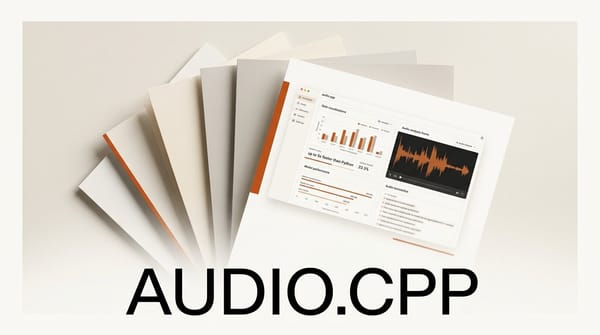
audio.cpp packs more than a dozen audio AI models into one ggml-powered C++ runtime, running TTS, voice cloning, and music up to 5x faster than Python.
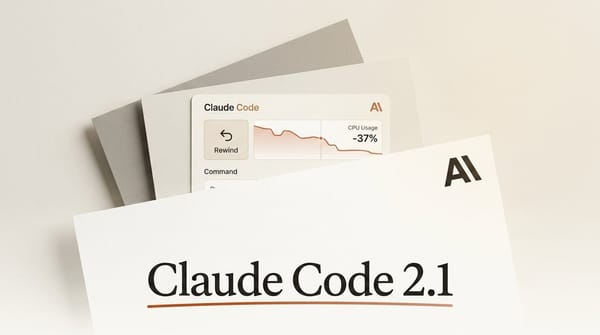
Claude Code's late-June releases add a /rewind command, cut streaming CPU use about 37 percent, and harden how the CLI talks to MCP servers.
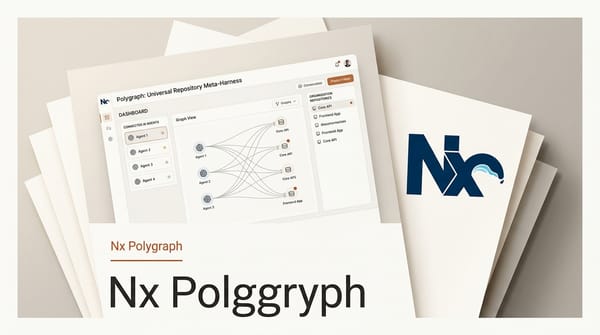
Nx has launched Polygraph, an agent-agnostic meta-harness that lets AI coding agents work across all of an organization's repositories instead of one at a time. It is free during early access.
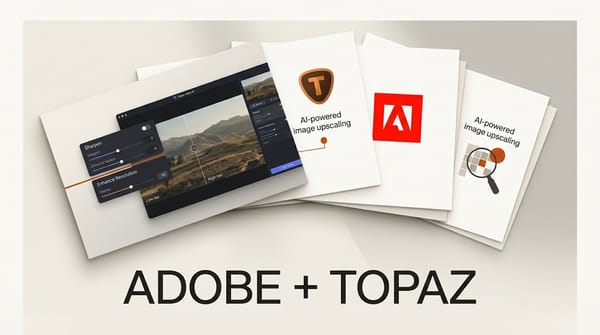
Adobe has agreed to acquire Topaz Labs, the AI company behind Gigapixel, Topaz Photo, and Topaz Video. Here is what the deal means for your enhancement workflow.
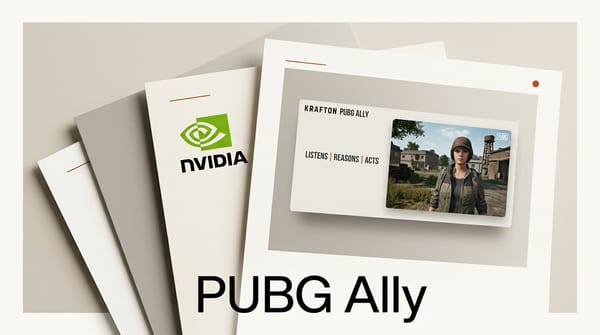
KRAFTON shipped PUBG Ally, a co-playable AI teammate that listens, reasons, and acts in real time, running a 2B model on the player GPU with NVIDIA ACE.
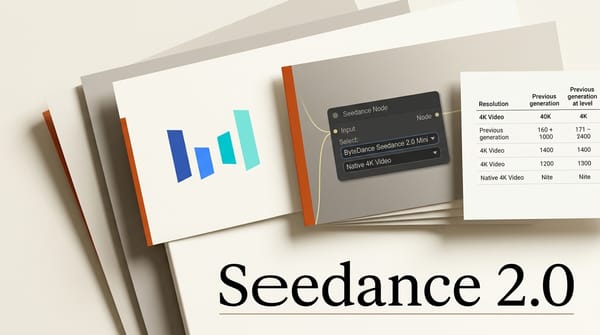
ByteDance Seedance 2.0 Mini and native 4K video are now selectable inside ComfyUI's existing Seedance nodes, with ready-made templates for text, frame, and reference workflows.
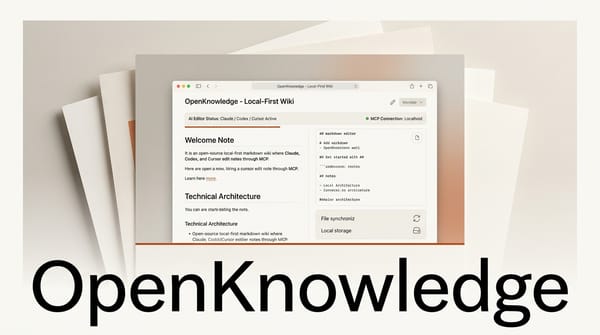
OpenKnowledge is an open-source, local-first markdown editor and LLM wiki where Claude, Codex, and Cursor edit your notes directly through MCP.
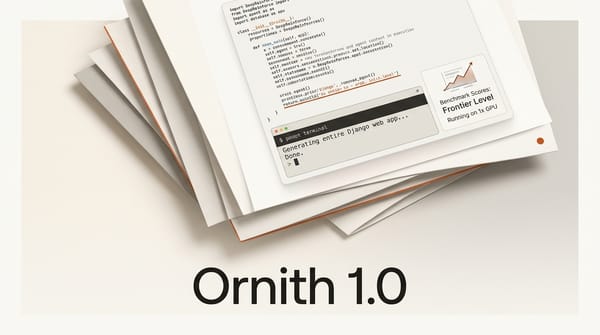
DeepReinforce has released Ornith 1.0, an open-weights agentic coding model that runs on a single GPU yet posts frontier-level scores on agent benchmarks.
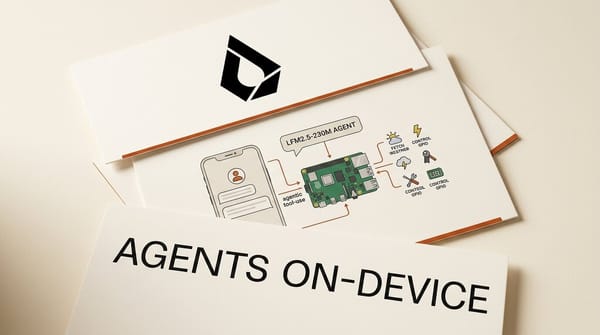
Liquid AI's LFM2.5-230M is a 230M open-weight model small enough to run agentic tool-use directly on a phone or a Raspberry Pi.
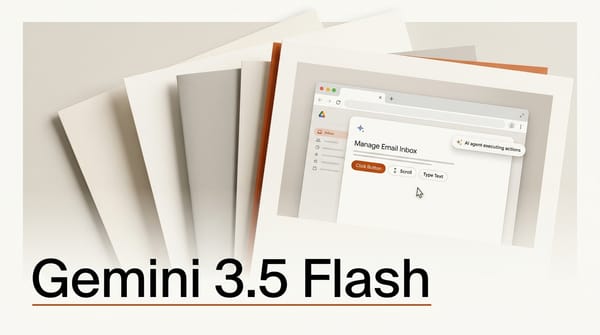
Google built computer use into Gemini 3.5 Flash, letting AI agents see and act across browser, mobile, and desktop. Available now in the Gemini API.