
VoxCPM2 Open-Sources 2B-Param TTS With 30 Languages
OpenBMB released VoxCPM2, a 2 billion parameter text-to-speech model that runs on 8GB VRAM, supports 30 languages at 48kHz, and can design voices from natural language descriptions.
OpenBMB released VoxCPM2, a 2 billion parameter text-to-speech model that runs on 8GB VRAM, supports 30 languages at 48kHz, and can design voices from natural language descriptions.

Suno licensing negotiations with Universal Music Group and Sony Music have stalled over a core disagreement: whether users can download and share AI-generated songs outside the platform.
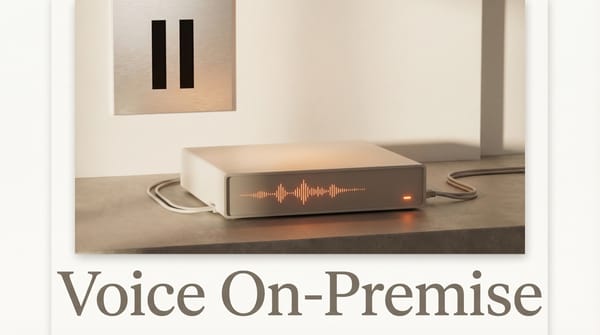
ElevenLabs has announced on-premise and on-device deployment options for its voice AI platform, letting organizations run text-to-speech inference entirely within their own infrastructure.
Google quietly launches Eloquent, a free Gemma-powered dictation app for iOS with offline transcription, filler word removal, and text transformation tools.
Sync, the Y Combinator-backed lipsync startup, launched Sync-3 on April 6. The new model processes entire shots at once, producing 4K native output with built-in obstruction detection.
Sony AI has released Woosh, an open source sound effects foundation model supporting text-to-audio and video-to-audio generation.
OmniVoice is a zero-shot text-to-speech model supporting 600+ languages with voice cloning, an Apache 2.0 license, and inference 40x faster than real-time.

Deezer has licensed its AI-generated music detection technology to Hungarys EJI performers rights body. The platform flags over 60,000 AI tracks daily, with 39% of all uploads now involving AI.

ElevenLabs and IBM announced a partnership on March 25 to integrate 10,000+ voices across 70 languages into IBM watsonx Orchestrate.

Spotify launched Artist Profile Protection in beta on March 24, letting musicians approve or decline AI-generated music before it appears on their profile.
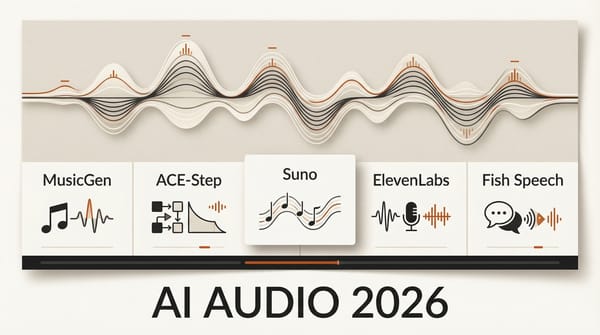
An open-source music model running on a $200 GPU now outscores Suno v5 on the SongEval benchmark. Here is what actually works in AI audio in 2026.
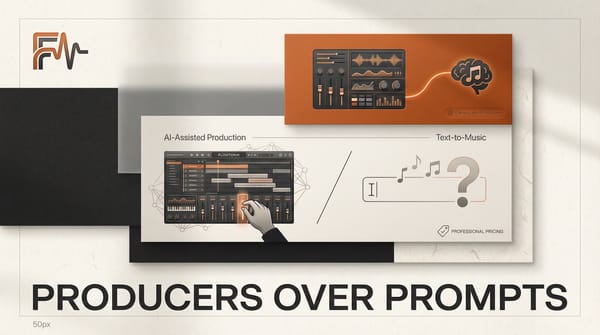
Stems Labs launched Flowtonik, a macOS DAW with conversational AI assistants for stem generation, mixing, and arrangement. Backed by ElevenLabs, it signals a new direction for AI music tools.
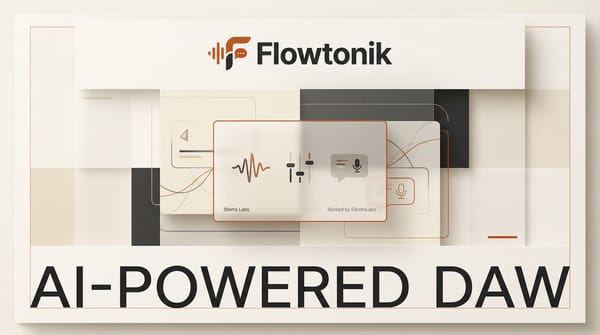
Stems Labs has launched Flowtonik, a macOS digital audio workstation with built-in AI assistants for stem generation, mixing, arrangement, and natural language editing.
ElevenLabs launched a Music Marketplace inside ElevenCreative where creators earn money each time their AI-generated tracks are licensed, with three pre-cleared commercial tiers.

BandM8 debuts at NVIDIA GTC with a music-to-music AI platform that generates real-time MIDI accompaniment from a single instrument.
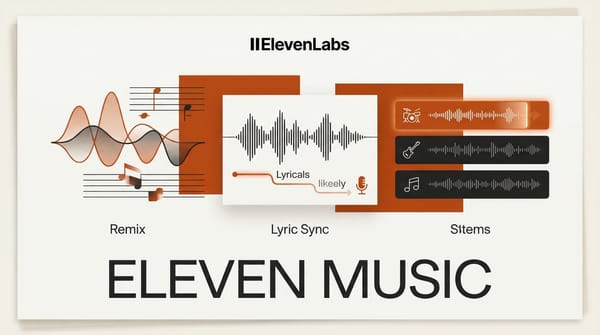
ElevenLabs shipped major updates to Eleven Music including public song discovery and remixing, precise lyric timestamps, an inpainting API, and stem separation.

Hume AI has released TADA (Text-Acoustic Dual-Alignment), an open-source text-to-speech model that eliminates a persistent problem in AI speech synthesis: hallucinated words